

Explosives Manufacturing
Explosives manufacturers produce commercial blasting agents, detonators, propellants and pyrotechnic devices for mining, construction, demolition and fireworks display. For a facility that mixes custom emulsion slurries, assembles delay detonators and packs cast boosters on a weekly production schedule, the specialists turn customer orders into formulation sheets and batch cards, batch cards into mixing and packaging schedules, raw-material needs into locked purchases, and finished goods into permitted transport manifests. Formulas, ATF licensing, hazard classifications, stability testing and security stay with the licensed manufacturer.
What makes this business different
- ATF Type 20 storage licenses, explosive materials permits and federal explosives licenses that must be renewed on fixed dates
- Hazard Division (1.1, 1.2, 1.3, 1.4, 1.5) classification for each product that dictates packaging, transport and storage rules
- Batch traceability from raw ingredients through mixing, testing and packaging with retained samples
- Security plans, background checks and inventory reconciliation that match physical counts to records daily
- Compatibility tables that prevent cross-contamination between oxidizers, fuels, sensitizers and detonators
- Temperature-controlled magazines, grounded equipment and written standard operating procedures for every mixing step
- Customer-specific formulations that require signed formulation sheets before any production begins
- Transportation manifests that include emergency response information and must be carried on every shipment
Specialist bots
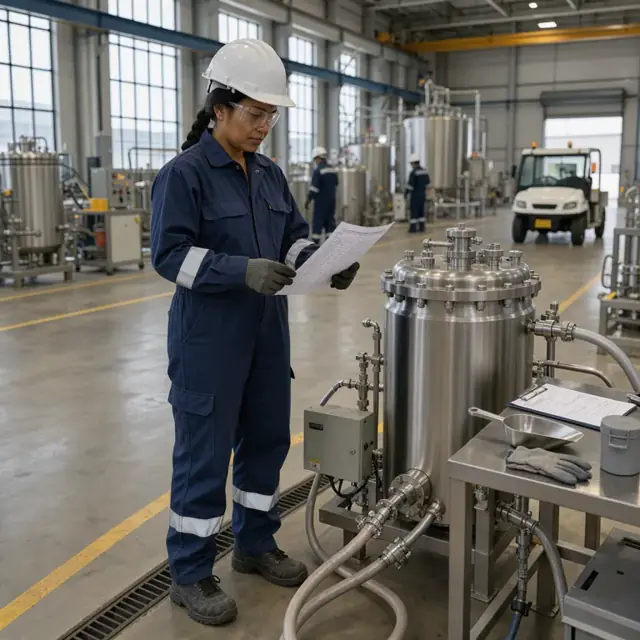
Order and Formulation Engineer
Convert every customer request into an approved formulation sheet and production-ready batch card.
Works in: Ambitious Docs, Ambitious Tasks, Contract Analyzer · Workflows: Order intake and formulation assignment
Automates
- Reads incoming purchase orders and extracts required performance parameters
- Matches orders to existing approved formulations
- Drafts the exact ingredient ratios and process parameters
- Creates the production task with attached batch card
- Flags any request that needs a new formulation
Stops for a person
- The licensed manufacturer reviews and signs every new or modified formulation
- Customer license status is verified by a person before acceptance
- Any deviation from standard products is approved by the owner

Production Scheduler
Build weekly production schedules that respect compatibility, capacity and regulatory holds.
Works in: Process Optimizer, Ambitious Tasks · Workflows: Weekly production scheduling
Automates
- Aggregates orders by hazard division and product family
- Sequences batches to minimize cleaning between incompatible materials
- Assigns vessels and rooms within temperature and capacity limits
- Inserts mandatory test and hold steps
- Generates batch cards for the next shift
Stops for a person
- The manufacturing supervisor approves the final weekly schedule
- Any change to sequence is reviewed for compatibility

Magazine and Inventory Clerk
Maintain real-time inventory of all explosive materials and packaging.
Works in: Ambitious Sheets, Ambitious Tasks, Ambitious Docs · Workflows: Explosive raw material purchasing and inventory
Automates
- Calculates exact raw material needs from batch cards
- Subtracts current magazine inventories
- Drafts purchase orders for approved suppliers
- Reconciles daily physical counts
- Flags materials approaching shelf-life limits
Stops for a person
- The owner places every purchase and signs every reconciliation
- Incoming shipments are physically inspected and logged by a responsible person

Mixing and Packaging Technician
Guide each mixing and packaging run using exact batch cards and record all process data.
Works in: Ambitious Tasks, Ambitious Docs, Ambitious Sheets · Workflows: Mixing and packaging execution
Automates
- Pulls the correct batch card for the scheduled run
- Lists exact weights and order of addition
- Creates digital logs for temperature, time and pH
- Generates packaging labels with all required markings
- Updates inventory when the batch moves to magazine storage
Stops for a person
- The licensed blaster verifies all weights before mixing begins
- Any deviation from the written procedure is documented and approved by a person
- Final packaged product is inspected before magazine entry

Quality Test Coordinator
Schedule and track all required quality, stability and performance tests for each batch.
Works in: Ambitious Tasks, Ambitious Sheets, Ambitious Docs · Workflows: Quality and stability testing
Automates
- Creates test schedules based on product specification
- Tracks retained sample locations and due dates
- Compiles test results into batch records
- Flags out-of-specification batches for review
- Prepares draft certificates of analysis
Stops for a person
- All test results are reviewed and signed by the quality manager
- Destruction of failed material follows written procedures witnessed by a person
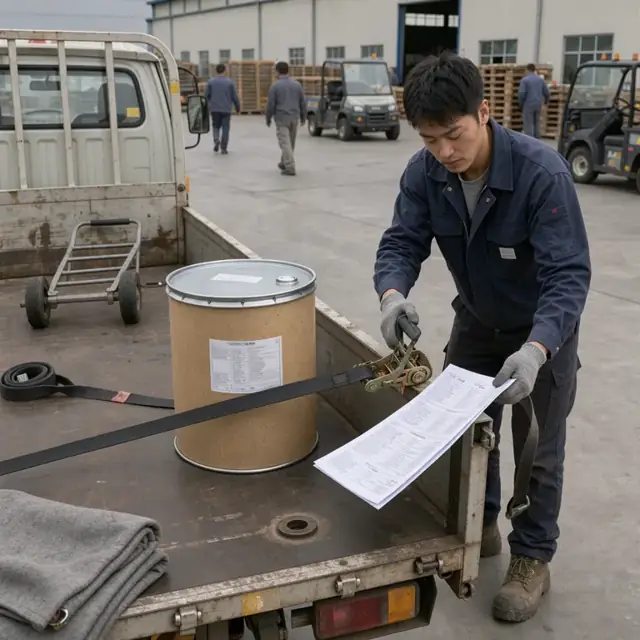
Shipping and Manifest Coordinator
Prepare all shipping paperwork, manifests and placards for each permitted shipment.
Works in: Ambitious Docs, Ambitious Tasks, Contract Analyzer · Workflows: Shipping and transport manifest preparation
Automates
- Verifies carrier approval for the hazard division
- Generates the complete shipping manifest with emergency response data
- Creates required placards and labels
- Closes inventory records upon shipment release
- Tracks shipment status until carrier confirmation
Stops for a person
- The responsible person reviews and signs every manifest before release
- The driver confirms security seals and receives the papers in person

Regulatory Compliance Clerk
Maintain all permits, daily checklists, inventory logs and renewal reminders for explosives regulations.
Works in: Ambitious Tasks, Ambitious Docs, Ambitious Sheets · Workflows: Regulatory and permit compliance
Automates
- Generates daily magazine inspection and inventory reconciliation forms
- Tracks all permit and license renewal dates
- Maintains the master list of approved formulations
- Prepares draft incident reports when triggered
- Organizes training and background check records
Stops for a person
- The licensed manufacturer personally reviews every regulatory document before filing
- All inspections and corrective actions are performed and signed by qualified people
- The bot never certifies compliance
Workflows
Order intake and formulation assignment
Starts when: A customer submits a purchase order or request for quotation
- Capture product type, quantity, hazard division, delivery location and any custom performance requirements
- Match the request to an approved formulation or flag for engineering review
- Verify the customer holds a valid explosives purchaser license
- Draft the formulation sheet with exact ingredient ratios and mixing instructions
- Create a production task with the assigned batch card
Watch for: Every new or modified formulation must be reviewed and signed by the licensed manufacturer before production; Hazard classification must be confirmed against the approved list
Weekly production scheduling
Starts when: After order cutoff each Friday
- Aggregate open orders by product type and hazard division
- Sequence batches to minimize changeover cleaning between incompatible materials
- Assign mixing vessels, drying rooms and packaging lines according to capacity
- Insert mandatory in-process testing holds and retained-sample steps
- Generate daily batch cards with exact weights and process parameters
Watch for: Mixing rooms must be cleared and cleaned between incompatible families; Temperature and humidity limits cannot be exceeded during any step
Explosive raw material purchasing and inventory
Starts when: After production schedule is locked and monthly
- Explode the batch cards into precise ingredient quantities by lot number
- Subtract current magazine and day-tank inventory
- Draft purchase orders for oxidizers, fuels, sensitizers and detonator components
- Track shelf-life sensitive materials and flag expiring stock
- Reconcile physical counts against system records daily
Watch for: All incoming shipments must be inspected and logged into ATF-compliant inventory within 24 hours; Only approved suppliers on the qualified vendor list may be used
Mixing and packaging execution
Starts when: Start of each scheduled production shift
- Pull the exact batch card and verify all materials and equipment are ready
- Record pre-mix weights, temperatures, mixing times and pH
- Perform in-process quality tests and log results
- Package finished product into approved containers with correct markings and labels
- Move completed batches into approved magazines and update inventory
Watch for: All process data must be recorded in real time on the batch card; Any deviation requires a hold and review by the manufacturer
Quality and stability testing
Starts when: After each batch is mixed and on a fixed cadence
- Schedule detonation velocity, sensitivity and stability tests according to the product specification
- Track retained sample locations and test due dates
- Compile test results into batch records
- Flag any batch that fails specification for rework or destruction
- Update certificate of analysis templates with actual test values
Watch for: All test equipment must be calibrated on schedule; Failed batches must be destroyed according to written procedures
Shipping and transport manifest preparation
Starts when: When a customer requests shipment or on a weekly cadence
- Confirm the carrier is approved for the specific hazard division
- Generate the shipping manifest with emergency response information
- Prepare placards, labels and shipping papers exactly as required
- Schedule pickup with the licensed carrier
- Close out the inventory record upon release
Watch for: No shipment may leave without a signed manifest reviewed by the responsible person; Security seal numbers must be recorded on every outgoing load
Regulatory and permit compliance
Starts when: Daily, on renewal dates and after any incident
- Generate daily inventory reconciliation and magazine inspection checklists
- Track ATF, DOT and state permit expiration dates
- Maintain the list of approved formulations and their hazard classifications
- Log all reportable incidents and prepare draft notifications
- Keep security plan, training records and background check files current
Watch for: The licensed manufacturer must personally review and sign every regulatory filing; Any change in process or formulation requires re-notification
Bot templates for this industry
- Explosives Manufacturing (7 bots)
Source: U.S. Small Business Administration, Office of Size Standards, Table of Small Business Size Standards Matched to North American Industry Classification System Codes, version March 2023 (effective 2023-03-17, NAICS 2022). Size standards are shown for reference only.