

Photographic Film, Paper, Plate, Chemical, and Copy Toner Manufacturing
Manufacturers of photographic film, paper, plates, specialty chemicals and copy toner produce light-sensitive emulsions, coated substrates, chemical mixes and toner cartridges on batch and continuous lines. For a plant that runs custom and standard emulsion batches, the specialists turn incoming orders and forecasts into production schedules, raw-material blends and coating plans, while tracking hazardous-chemical logs, waste manifests, quality-test results and regulatory paperwork. Formulas, exposure specs and safety protocols stay with the chemist and production manager.
What makes this business different
- Light-sensitive and temperature-sensitive emulsions that must be mixed, coated and dried in total darkness or under strict safelight conditions
- Hazardous chemical handling with strict waste tracking, spill logs and manifests for silver recovery and solvent disposal
- Batch traceability from raw silver halides, dyes and polymers through finished rolls or sheets with lot numbers on every step
- Coating and drying lines with precise viscosity, thickness and drying-temperature controls
- Quality-control tests for speed, contrast, fog, granularity and shelf life that must be logged before release
- Regulatory paperwork for chemical inventories, emissions, wastewater and transport of dangerous goods
- Seasonal demand spikes for consumer film, professional paper and industrial plates around holidays and events
- Inventory of expensive silver compounds and specialty polymers that must be reordered on tight schedules
Specialist bots

Order Intake Specialist
Convert incoming customer orders into confirmed production specifications and tasks.
Works in: Ambitious Tasks, Ambitious Docs, Email Buckets · Workflows: Order intake and specification
Automates
- Reads order messages and extracts product type, format, quantity and custom requirements
- Checks against current formulas and line capabilities
- Confirms lead time against the master schedule
- Drafts order acknowledgment for approval
- Creates the production task with attached specification sheet
Stops for a person
- The production manager approves custom emulsion requests
- Pricing that involves fluctuating silver content is reviewed by the owner
- A person sends the final acknowledgment to the customer

Production Scheduler
Assign batches to coating and mixing lines while respecting changeover and environmental constraints.
Works in: Ambitious Tasks, Ambitious Sheets · Workflows: Production scheduling and line assignment
Automates
- Loads orders and forecasts into the master schedule
- Assigns runs to appropriate lines and sequences to minimize changeovers
- Incorporates safelight and humidity requirements
- Publishes the rolling 48-hour schedule
Stops for a person
- The production manager adjusts sequence for urgent orders
- Any line changeover plan is confirmed by the shift supervisor
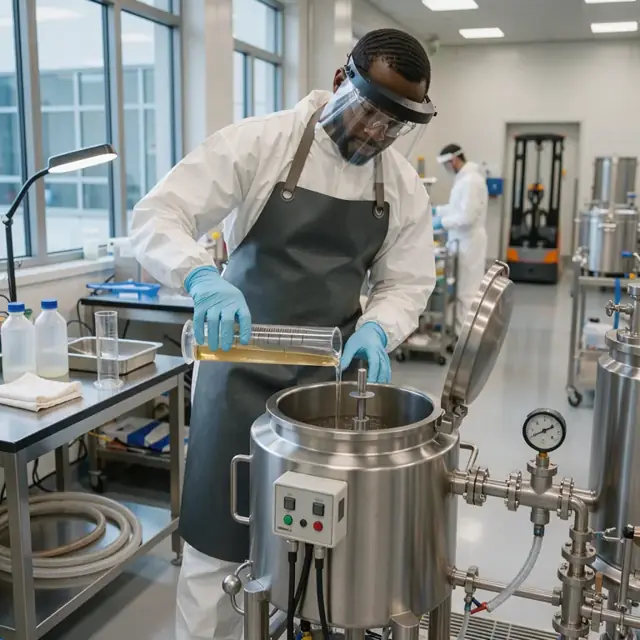
Chemical Mixing Coordinator
Generate exact mixing instructions and batch records from master formulas for each scheduled run.
Works in: Ambitious Docs, Ambitious Sheets, Ambitious Tasks · Workflows: Chemical mixing and emulsion preparation
Automates
- Pulls the locked master recipe for the batch
- Calculates ingredient quantities for the exact batch size
- Creates a step-by-step mixing checklist with temperatures and order of addition
- Pre-populates the digital batch record with lot numbers
- Flags hazardous materials
Stops for a person
- The chemist reviews and approves any formula deviation
- A qualified technician performs the actual weighing and mixing
- The chemist signs the completed batch record

Coating and Drying Coordinator
Set and monitor coating line parameters and generate real-time process logs for each run.
Works in: Process Optimizer, Ambitious Tasks, Ambitious Docs · Workflows: Coating, drying and finishing
Automates
- Loads viscosity, thickness and speed parameters from the batch record
- Monitors and logs real-time coating and drying conditions
- Generates cut and slit instructions
- Applies lot numbers and edge markings to the production plan
Stops for a person
- The line operator makes physical adjustments and stops the line if defects appear
- The production manager reviews logs before the next batch starts

Quality Testing Verifier
Organize test sampling plans, record results and prepare certificates of analysis for each batch.
Works in: Ambitious Docs, Ambitious Sheets, Ambitious Tasks · Workflows: Quality testing and release
Automates
- Generates the sampling plan for each batch
- Creates templates for speed, contrast, fog and granularity test recording
- Compares results against specification limits
- Flags out-of-spec batches
- Drafts the certificate of analysis
Stops for a person
- A qualified technician performs the actual lab tests
- The quality manager reviews and signs every certificate before release
- Retained sample storage locations are confirmed by a person

Materials and Inventory Planner
Track raw material consumption, maintain reorder points and draft purchase lists for silver compounds, solvents and polymers.
Works in: Ambitious Sheets, Ambitious Tasks, Ambitious Docs · Workflows: Raw material inventory and purchasing
Automates
- Calculates daily consumption from the production schedule
- Subtracts current stock and in-process usage
- Generates purchase lists by supplier
- Tracks expiration dates and hazardous storage limits
- Logs incoming materials against certificates
Stops for a person
- The purchasing manager places and approves all orders
- Any substitution of critical raw materials requires chemist approval
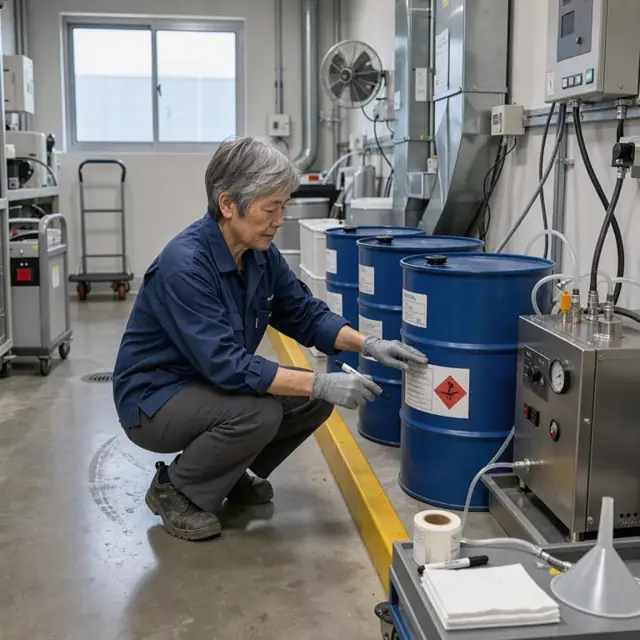
Compliance and Waste Clerk
Compile chemical usage logs, waste manifests and regulatory reports while tracking permit renewal dates.
Works in: Ambitious Docs, Ambitious Sheets, Ambitious Tasks · Workflows: Regulatory compliance and waste management
Automates
- Compiles batch chemical usage and waste logs
- Generates hazardous waste manifests and silver recovery reports
- Tracks emissions and wastewater data
- Alerts before permit and license renewals
- Organizes batch records for archiving
Stops for a person
- The environmental manager reviews and signs all regulatory filings
- The owner confirms which local, state and federal requirements apply
- People handle actual waste pickup and transport
Workflows
Order intake and specification
Starts when: A customer order arrives by email, EDI or portal for standard or custom product
- Capture product type, format, quantity, emulsion speed or toner specification and any custom requirements
- Check against current production formulas and coating capabilities
- Confirm lead time against the master schedule and available line time
- Draft order acknowledgment with price, ship date and lot-traceability note
- Create a production task with full specification sheet attached
Watch for: Custom emulsions require chemist approval before scheduling; Silver-content pricing may fluctuate with market rates
Production scheduling and line assignment
Starts when: Daily at start of shift and after every new order batch
- Load confirmed orders and forecast into the master schedule
- Assign batches to coating lines, mix tanks or toner lines based on color, sensitivity and volume
- Sequence runs to minimize changeover and darkroom cleaning time
- Flag any runs needing special safelight or humidity controls
- Publish the 48-hour rolling schedule to operations
Watch for: Coating lines cannot switch between color and black-and-white without full purge; Darkroom and safelight constraints limit simultaneous batches
Chemical mixing and emulsion preparation
Starts when: When the production schedule calls for a new batch
- Pull exact formula from the locked master recipe library
- Calculate raw-material quantities for the batch size
- Generate a step-by-step mixing checklist with temperatures and addition order
- Create a digital batch record with lot numbers for every ingredient
- Flag any hazardous materials for special handling
Watch for: Silver halides and organic solvents must be weighed in controlled environments; Any deviation from the master formula requires chemist sign-off
Coating, drying and finishing
Starts when: After emulsion or toner mix is approved
- Load mix into coating station and set viscosity, thickness and speed parameters
- Monitor and log real-time coating thickness, temperature and humidity
- Schedule drying tunnel parameters and cooling section
- Cut or slit to ordered widths and lengths
- Apply edge markings, bar codes and lot numbers
Watch for: Coating must occur in total darkness for light-sensitive products; Any web break or defect triggers line stop and quality hold
Quality testing and release
Starts when: After each coated or finished batch is ready for sampling
- Pull representative samples according to the sampling plan
- Run speed, contrast, fog, granularity and shelf-life tests
- Record all test results against the batch record
- Flag any out-of-spec results for rework or rejection
- Draft certificate of analysis for customer review
Watch for: Test results must be reviewed by a qualified technician before product release; Retained samples are stored under controlled conditions for traceability
Raw material inventory and purchasing
Starts when: Daily material review and when stock falls below reorder point
- Calculate consumption from the production schedule
- Subtract current inventory and in-process batches
- Draft purchase orders for silver compounds, gelatin, solvents, polymers and packaging
- Track hazardous material storage limits and expiration dates
- Log incoming receipts against certificates of analysis
Watch for: Silver and certain solvents are expensive and subject to strict storage rules; Waste silver recovery must be documented for each batch
Regulatory compliance and waste management
Starts when: End of each batch, weekly and on regulatory due dates
- Compile batch chemical usage and waste generation logs
- Generate hazardous waste manifests and silver-recovery reports
- Track emissions, wastewater discharge and chemical inventory reports
- Monitor renewal dates for permits and licenses
- Archive all batch records for the required retention period
Watch for: Local, state and federal chemical regulations differ by facility location; All waste and emissions records must be reviewed and signed by the environmental manager
Bot templates for this industry
Source: U.S. Small Business Administration, Office of Size Standards, Table of Small Business Size Standards Matched to North American Industry Classification System Codes, version March 2023 (effective 2023-03-17, NAICS 2022). Size standards are shown for reference only.