

Plastic Bag and Pouch Manufacturing
Plastic bag and pouch manufacturers run extrusion lines that turn resin pellets into film, then convert the film on printing, sealing and cutting machines into stock and custom bags and pouches. For a plant that produces custom printed food-service bags, retail pouches and industrial liners on a weekly schedule, the specialists turn customer specs into verified production orders, orders into a film-extrusion and conversion schedule, raw-resin and ink purchases, quality-check logs, and shipment labels while the extruder operator and machine tenders keep the lines running and confirm all material and safety requirements.
What makes this business different
- Custom specifications for size, gauge, material type (LDPE, LLDPE, HDPE), print design, seal configuration and additives that must match the customer's exact requirements
- Weekly production runs that combine stock replenishment with custom orders sharing the same film width or resin type to minimize changeovers
- Continuous extrusion and converting lines that require precise resin blends, temperature profiles and tension settings
- Raw material inventory of resin pellets, masterbatch inks, additives and roll stock with strict FIFO and moisture-control rules
- Quality inspections for seal strength, print registration, gauge consistency, leak testing and dimensional tolerances
- Regulatory markings, food-contact certifications and safety data sheets that must be kept current for each resin and ink lot
- Repeat industrial, food-service and retail customers who reorder standard sizes with minor artwork updates and seasonal volume spikes
Specialist bots

Order Specification Verifier
Convert every incoming customer specification and artwork file into a verified, machine-ready production order.
Works in: Ambitious Docs, Contract Analyzer, Ambitious Tasks · Workflows: Order specification and verification
Automates
- Reads purchase orders and specification sheets
- Extracts dimensions, resin type, print requirements and certifications
- Compares against current machine capabilities and available tooling
- Flags missing information and drafts the order card
- Attaches reference files and creates the production task
Stops for a person
- The extrusion lead confirms feasibility of any non-standard gauge or resin blend
- The owner approves any price or lead-time exceptions
- A person sends the final order confirmation to the customer
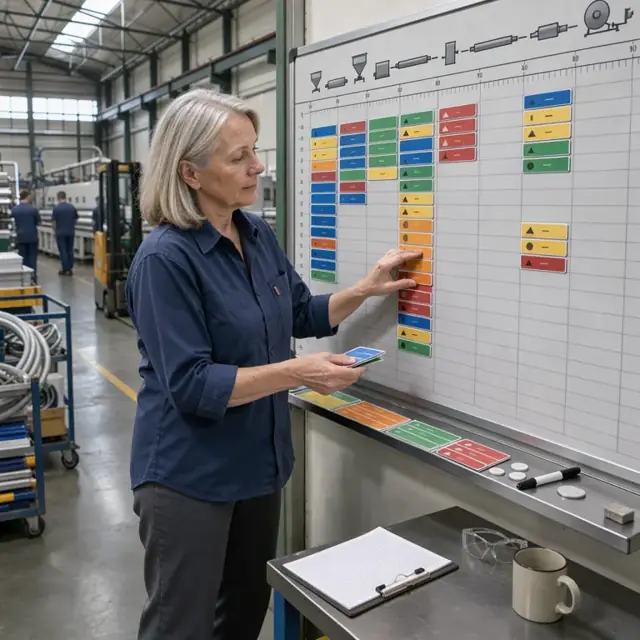
Extrusion and Converting Scheduler
Build an optimized weekly schedule that groups orders to reduce changeovers on extrusion and converting lines.
Works in: Process Optimizer, Ambitious Sheets · Workflows: Extrusion and converting schedule
Automates
- Groups orders by resin, width and print requirements
- Calculates required film and resin volumes
- Sequences jobs to minimize downtime
- Assigns machines and creates job packets with setup parameters
Stops for a person
- The production manager adjusts the schedule for urgent orders or maintenance
- Line operators review and accept each day's job packet before starting

Resin and Materials Coordinator
Convert the production schedule into accurate resin, ink and supply orders while maintaining proper inventory levels and traceability.
Works in: Ambitious Sheets, Ambitious Tasks, Ambitious Docs · Workflows: Resin, ink and supply purchasing
Automates
- Calculates total resin and additive needs per job
- Subtracts current stock and drafts purchase orders
- Tracks lot numbers and certificates of analysis
- Monitors shelf-life and generates low-stock alerts
Stops for a person
- The owner places and approves all purchases
- The extrusion operator verifies incoming resin matches the required specification before unloading

Quality Inspection Documenter
Generate run-specific quality checklists, record inspection data and compile traceable batch records for each production lot.
Works in: Ambitious Tasks, Ambitious Sheets, Ambitious Docs · Workflows: In-process quality checks and documentation
Automates
- Creates checklists with required seal, gauge and print tests
- Logs first-article and in-process measurements
- Flags out-of-tolerance results
- Compiles complete batch records with lot traceability
Stops for a person
- The line operator performs and records all physical tests
- The quality lead reviews and signs off on every batch record
- A person confirms that all customer-specific test frequencies were followed
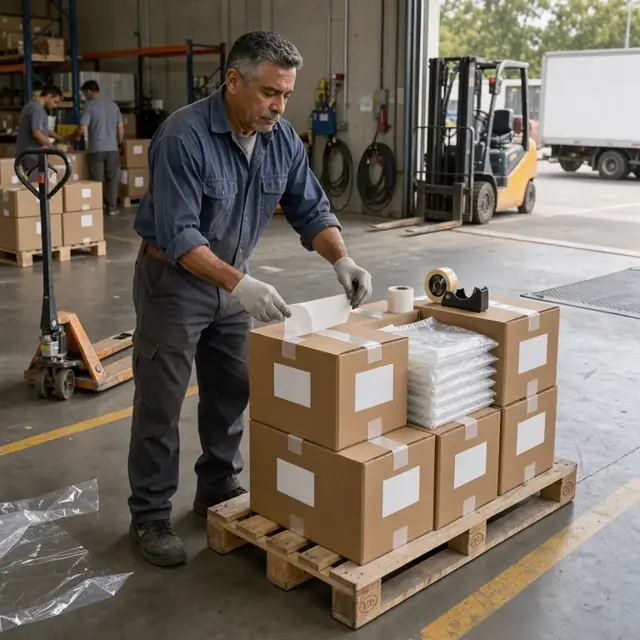
Finished Goods and Shipping Coordinator
Track completed inventory, generate pallet labels and prepare accurate shipping documents for each customer order.
Works in: Ambitious Tasks, Ambitious Docs, Ambitious Sheets · Workflows: Finished goods inventory and shipment preparation
Automates
- Records finished quantities and scrap rates
- Generates pallet labels with lot numbers
- Creates packing lists and bills of lading
- Schedules carrier pickups and sends shipment notices
Stops for a person
- The warehouse lead verifies counts and pallet configurations before loading
- The owner approves any expedited shipping charges
- A person performs final visual inspection of packed goods
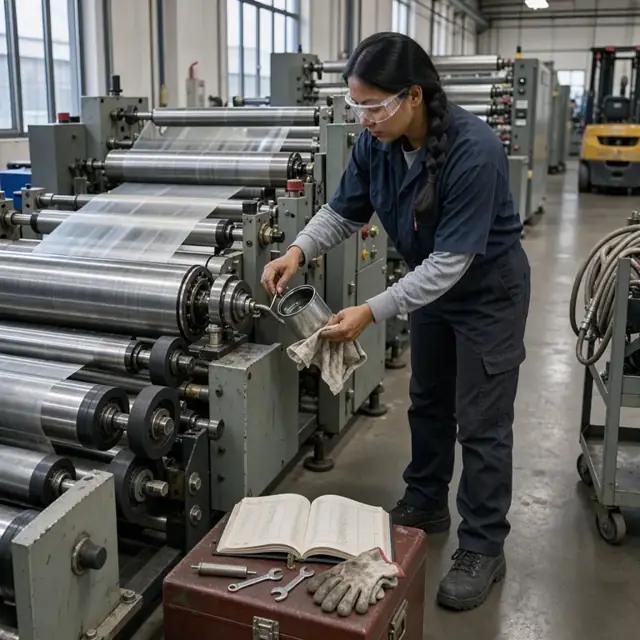
Equipment Maintenance Tracker
Monitor runtime hours on extrusion and converting equipment and generate preventive-maintenance tasks and calibration records.
Works in: Ambitious Tasks, Ambitious Sheets, Process Optimizer · Workflows: Equipment maintenance and downtime logging
Automates
- Records hours and throughput per machine
- Generates maintenance tasks based on cycles
- Tracks wear parts and calibration due dates
- Logs downtime with root-cause categories
Stops for a person
- Technicians perform all physical maintenance and document findings
- The maintenance supervisor reviews and closes out each work order
- A person verifies that safety checks were completed

Customer Reorder Forecaster
Analyze repeat customer usage patterns and draft timely reorder suggestions and availability updates.
Works in: Ambitious Sheets, Ambitious Tasks, Email Buckets · Workflows: Repeat order forecasting and follow-up
Automates
- Reviews historical order volumes by customer and item
- Calculates suggested reorder quantities and dates
- Drafts forecast and availability messages
- Tracks artwork version history per customer
Stops for a person
- The sales manager reviews and personalizes all customer communications
- The owner approves any volume-based pricing adjustments
- A person confirms accuracy of suggested reorder quantities before sending
Workflows
Order specification and verification
Starts when: A customer submits a purchase order, artwork file or specification sheet
- Extract all dimensions, gauge, resin type, print colors, seal style and quantity from the incoming documents
- Compare specifications against available tooling, current film widths and machine capabilities
- Flag any missing details such as artwork resolution or required certifications
- Draft a production-ready order card with exact specs and attach reference files
- Send the confirmed order summary for customer sign-off before scheduling
Watch for: Artwork files must be checked for printability and color separation before any plate or plate-making begins; Food-contact or medical-grade orders require specific resin documentation that the operator confirms
Extrusion and converting schedule
Starts when: End of each business week or when a new order batch is confirmed
- Group orders by resin type, film width, gauge and print requirements to minimize changeovers
- Calculate required film footage and resin volume for each job
- Build a sequenced schedule for the extruder, printer, sealer and cutter stations
- Assign machine and operator availability while respecting preventive-maintenance windows
- Create daily job packets with setup parameters and quality checkpoints
Watch for: Extruder and printing press changeovers consume several hours of downtime and scrap; Certain resins cannot run on the same line the same day due to contamination risk
Resin, ink and supply purchasing
Starts when: After schedule is locked and on a monthly cadence
- Explode the production schedule into total resin, masterbatch, ink and additive requirements
- Subtract current inventory and on-order quantities while respecting minimum order quantities and shelf-life limits
- Draft purchase orders by supplier for resin pellets, solvent inks and packaging supplies
- Track lot numbers and certificates of analysis for each incoming material
- Update inventory sheets with new deliveries and flag low-stock alerts
Watch for: Resin must be kept dry and used on a first-in first-out basis to avoid moisture absorption; Ink and additive shelf life requires rotation and documentation
In-process quality checks and documentation
Starts when: Start of each production run and at set intervals
- Generate a run-specific checklist with seal-strength, thickness, print-registration and leak-test requirements
- Record first-article inspection results from the operator
- Log in-process measurements taken every set number of pieces or minutes
- Flag any out-of-tolerance conditions and trigger a line stop
- Compile batch records with all measurements and lot numbers for the finished goods
Watch for: Each resin lot and ink batch must be traceable to the finished product; Certain customers require specific test frequencies and reporting formats
Finished goods inventory and shipment preparation
Starts when: Completion of each production run and on customer-requested ship dates
- Record completed quantities, scrap rates and remaining roll stock into inventory records
- Generate pallet labels, box counts and lot traceability information
- Draft packing lists and bills of lading matched to customer orders
- Schedule carrier pickups and prepare shipping documents
- Update customer portal or send shipment notifications
Watch for: Finished bags and pouches must be stored away from direct sunlight and extreme temperatures; Pallet configurations must match customer warehouse requirements
Equipment maintenance and downtime logging
Starts when: After each run and on scheduled intervals
- Record runtime hours and material throughput for each extruder, printer and sealer
- Generate preventive-maintenance tasks based on hours or cycles
- Track die, screw and blade wear and schedule replacements
- Log unexpected downtime with root-cause notes
- Maintain calibration records for all gauges and test equipment
Watch for: Critical spare parts for extruders and dies must be kept on hand; OSHA-required lockout-tagout and machine guarding checks must be documented
Repeat order forecasting and follow-up
Starts when: Monthly review and after each shipment
- Review consumption history for repeat customers and standard stock items
- Draft reorder suggestions for upcoming weeks based on typical volumes
- Send forecast and availability updates to regular buyers
- Capture feedback on previous run quality or delivery performance
- Update standard item specifications when minor changes are requested
Watch for: Seasonal volume changes for retail and food-service bags must be anticipated; Artwork revisions must be tracked per customer and production run
Bot templates for this industry
- Plastics Bag and Pouch Manufacturing (7 bots)
Source: U.S. Small Business Administration, Office of Size Standards, Table of Small Business Size Standards Matched to North American Industry Classification System Codes, version March 2023 (effective 2023-03-17, NAICS 2022). Size standards are shown for reference only.