

Plastics Packaging Film and Sheet (including Laminated) Manufacturing
Plastics packaging film and sheet manufacturers run extrusion lines, laminators and slitters to produce custom rolls and sheets to customer specifications for food, medical and industrial use. Specialists convert incoming specs into machine-ready jobs, optimize run sequences to minimize changeover waste, track resin and additive inventory, schedule preventive maintenance on dies and rollers, manage quality-test results against customer requirements, and prepare shipping labels and compliance paperwork. Recipes for blends, line settings and quality tolerances remain with the production manager.
What makes this business different
- Customer-specified film gauges, widths, material blends, barrier layers, print treatments and lamination structures that must be entered exactly
- Long production runs with frequent changeovers between jobs that generate scrap and require careful sequencing to reduce resin waste
- Resin, masterbatch and additive inventory managed by lot with traceability to each roll
- Preventive maintenance on extruders, dies, chill rolls, laminators and slitters tracked by hours and material processed
- Quality testing for thickness, tensile strength, sealability, coefficient of friction and barrier properties with results attached to each lot
- Shipping in rolls, sheets, pads or cores with specific core sizes, winding directions and pallet patterns
- Documentation packages including material safety data, lot traceability, certificate of analysis and regulatory statements for food-contact or medical use
Specialist bots

Specification Intake Specialist
Convert every incoming customer specification and purchase order into a complete machine-ready production job card.
Works in: Ambitious Docs, Ambitious Tasks, Contract Analyzer · Workflows: Order intake and specification review
Automates
- Reads purchase orders and attached technical drawings
- Extracts gauge, width, resin, additives, lamination layers and special treatments
- Checks against current equipment capabilities
- Creates the production job card
- Drafts order acknowledgment
Stops for a person
- Production manager reviews and approves non-standard specifications
- Engineering confirms feasibility of new structures
- A person sends all customer communications

Production Run Sequencer
Optimize the sequence of production jobs across extrusion and lamination lines to minimize changeover time and resin waste.
Works in: Process Optimizer, Ambitious Sheets · Workflows: Production run scheduling and sequencing
Automates
- Lists all pending jobs with due dates and material needs
- Calculates changeover costs between resin families and widths
- Suggests optimal daily and weekly line schedules
- Assigns jobs to specific machines
- Publishes the schedule for operator review
Stops for a person
- Production manager adjusts the final schedule based on current line status
- Any schedule changes affecting customer dates require approval
Resin and Inventory Planner
Maintain accurate resin, masterbatch and additive inventory and prepare timely purchase recommendations.
Works in: Ambitious Sheets, Ambitious Tasks · Workflows: Resin and additive inventory control
Automates
- Calculates consumption from completed runs
- Projects future needs from the production schedule
- Drafts purchase requisitions by supplier and material
- Tracks lot numbers and shelf-life dates
- Alerts when stock falls below reorder points
Stops for a person
- Purchasing manager places and approves all orders
- Any material substitution requires production manager approval

Quality Test Coordinator
Create test schedules, record lab results and prepare lot documentation checked against customer requirements.
Works in: Ambitious Tasks, Ambitious Sheets, Ambitious Docs · Workflows: In-process quality testing and lot release
Automates
- Generates sampling plans based on run length and customer needs
- Logs test results from lab instruments
- Compares measurements to specification limits
- Flags out-of-spec material
- Compiles data for certificate of analysis
Stops for a person
- Laboratory technician performs the physical tests
- Production manager reviews and releases any held lots
- Quality manager confirms final documentation

Equipment Maintenance Coordinator
Track equipment usage and schedule preventive maintenance and die changes to keep lines running reliably.
Works in: Ambitious Tasks, Ambitious Sheets, Process Optimizer · Workflows: Equipment maintenance and die management
Automates
- Records run hours and material throughput per machine
- Generates maintenance tasks at prescribed intervals
- Suggests optimal times for die changes between compatible jobs
- Reserves maintenance windows in the schedule
- Maintains equipment history logs
Stops for a person
- Maintenance technicians perform and document the actual work
- Production manager approves any schedule impacts

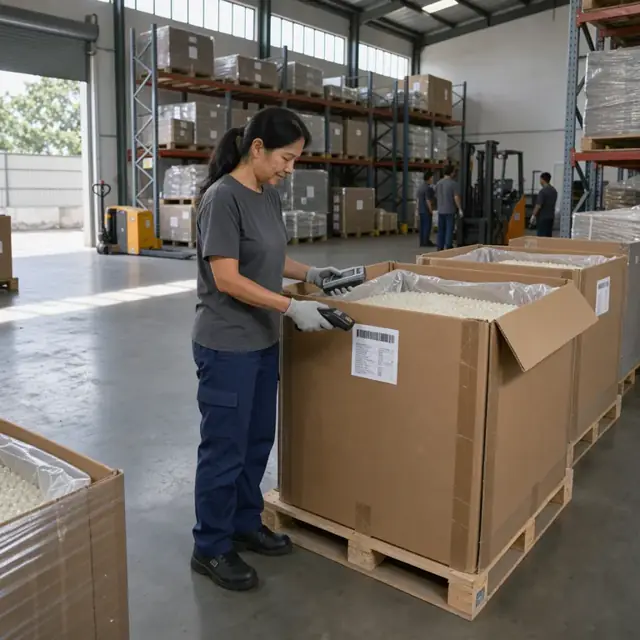
Finished Goods Shipping Preparer
Generate accurate labels, packing lists and shipping instructions for each completed production lot.
Works in: Ambitious Tasks, Ambitious Docs, Ambitious Sheets · Workflows: Finished goods labeling and shipping
Automates
- Creates roll and pallet labels with all required identifiers
- Determines optimal pallet configuration
- Compiles packing list and certificate of analysis
- Creates carrier tasks with delivery requirements
- Updates inventory upon shipment
Stops for a person
- Warehouse staff applies labels and loads trucks
- Shipping manager approves all outbound paperwork
- Customer service confirms special customer labeling needs

Documentation and Compliance Clerk
Assemble customer-specific documentation packages and track regulatory statements and certificates.
Works in: Ambitious Docs, Contract Analyzer, Ambitious Sheets · Workflows: Regulatory and customer documentation
Automates
- Pulls test data into certificate of analysis templates
- Attaches correct material safety data sheets and regulatory letters
- Tracks expiration dates for compliance documents
- Assembles full documentation sets per customer
- Files production records for traceability
Stops for a person
- Production manager confirms which regulatory statements apply to each material blend
- Quality manager reviews and approves all certificates before sending
- People handle all final filings and customer submissions
Workflows
Order intake and specification review
Starts when: A new customer purchase order or specification sheet arrives by email or portal
- Extract all technical requirements including gauge, width, length, resin type, additives, lamination structure and special treatments
- Compare requirements against current machine capabilities and standard running tolerances
- Flag any missing data or non-standard requests for engineering review
- Create a production-ready job card with all parameters
- Draft acknowledgment and lead-time confirmation
Watch for: Exact match to customer drawing or specification is required; Food-contact or medical-grade orders need additional documentation fields
Production run scheduling and sequencing
Starts when: Daily after new orders are confirmed and at the start of each shift
- List all open jobs with due dates and material requirements
- Sequence jobs to minimize resin changes, color changes and die swaps
- Calculate expected run times, scrap rates and changeover times using historical data
- Assign jobs to specific extrusion or lamination lines
- Publish the daily schedule and notify operators
Watch for: Changeover time varies greatly by resin family and width; Certain resins cannot follow others without thorough purge
Resin and additive inventory control
Starts when: After each production run and on a weekly cadence
- Deduct actual resin and additive consumption from inventory based on run data
- Forecast upcoming needs from the production schedule
- Draft purchase orders for resins, masterbatches and packaging supplies
- Track lot numbers and certificates of analysis for traceability
- Flag low-stock items and set reorder points by material type
Watch for: Resins are purchased in bulk truckloads or gaylords and must be stored by lot; Certain additives have shelf-life limits
In-process quality testing and lot release
Starts when: At startup of each run and at regular intervals during production
- Generate a test schedule based on run length and customer requirements
- Record test results for gauge, tensile, seal strength, coefficient of friction and appearance
- Compare results against the customer specification and internal control limits
- Flag out-of-spec material and trigger hold or rework procedures
- Attach test data to the digital lot record for the certificate of analysis
Watch for: Test frequency is higher for medical and food-contact material; Certain tests require lab equipment and trained technicians
Equipment maintenance and die management
Starts when: After set run hours or material throughput and on a calendar cadence
- Track hours and kilograms processed on each extruder, die, nip roll and slitter
- Generate preventive maintenance tasks according to manufacturer intervals
- Schedule die cleaning, polish and inspection between compatible runs
- Reserve maintenance windows in the production schedule
- Log completed work and update equipment status
Watch for: Dies are expensive and must be rotated and stored properly; Certain maintenance can only be done during full line shutdowns
Finished goods labeling and shipping
Starts when: When a production lot is complete and quality released
- Generate labels with customer name, product code, lot number, roll numbers, net weight and winding direction
- Determine optimal pallet pattern and core size for each order
- Draft packing list and certificate of analysis package
- Create shipping task with carrier and delivery instructions
- Record final shipment details and update inventory
Watch for: Rolls must be protected from crushing and contamination in transit; Some customers require specific label formats or RFID tags
Regulatory and customer documentation
Starts when: With every shipment and on renewal or audit dates
- Assemble certificate of analysis from quality test data
- Pull material safety data sheets and regulatory statements for the exact resin blend
- Track expiration dates for food-contact letters, medical compliance statements and insurance certificates
- Prepare custom documentation packages per customer request
- File production and test records for traceability
Watch for: Different customers require different statements for food, medical or industrial use; The production manager confirms which regulatory statements apply to each material
Bot templates for this industry
Source: U.S. Small Business Administration, Office of Size Standards, Table of Small Business Size Standards Matched to North American Industry Classification System Codes, version March 2023 (effective 2023-03-17, NAICS 2022). Size standards are shown for reference only.