

Urethane and Other Foam Product (except Polystyrene) Manufacturing
Urethane and other foam product manufacturers pour, spray or mold custom polyurethane foam formulations into sheets, blocks, cushions, insulation panels, packaging inserts and molded parts. Orders specify density, firmness, color, flame retardancy and certifications. Daily work includes batch mixing, pouring into molds or onto conveyors, curing, cutting to size, testing, labeling and shipping. The specialists turn customer specifications into confirmed formulations and pour schedules, track raw chemicals and molds, schedule production runs around cure times, manage inventory of isocyanates and polyols, route deliveries of finished goods and maintain the safety and environmental paperwork the owner confirms against requirements.
What makes this business different
- Custom foam formulations with exact density, IFD, color, additives and flame-retardant packages that must be mixed precisely
- Long cure times that dictate production sequencing and mold or conveyor availability
- Strict temperature and humidity control in the pouring and curing areas
- Hazardous raw materials (isocyanates, blowing agents, catalysts) requiring PPE, ventilation logs and spill procedures
- Mold inventory, release agents and cutting patterns that change per order
- Finished-goods testing for density, compression set, flammability and aging
- Customer-specific labeling, barcodes and packaging for direct-to-manufacturer or retail use
- Waste tracking of scrap foam, purge material and unused chemicals
- Renewal of permits, air permits, hazardous-waste manifests and fire-safety inspections
Specialist bots

Order Taker
Turn customer specifications into confirmed orders with complete formulation and testing requirements.
Works in: Ambitious Tasks, Ambitious Docs, Email Buckets · Workflows: Order intake and formulation confirmation
Automates
- Reads incoming order messages, forms and drawings
- Extracts density, IFD, color, flame rating and dimensions
- Checks against existing formulations and tooling
- Drafts order acknowledgment
- Creates the production task
Stops for a person
- The owner or chemist approves new formulations or off-spec requests
- A person sends the final confirmation and handles pricing exceptions
Production Scheduler
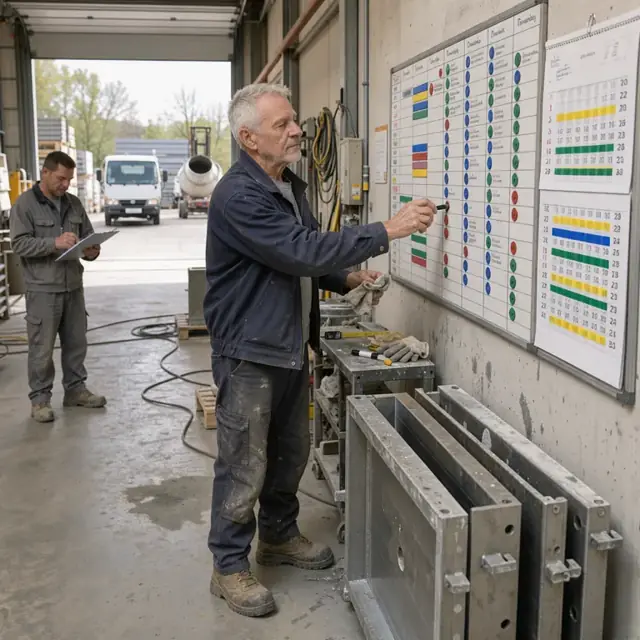
Convert confirmed orders into daily pour schedules that respect cure times and equipment availability.
Works in: Ambitious Tasks, Ambitious Sheets · Workflows: Production batch and pour scheduling
Automates
- Groups orders by formulation and mold type
- Sequences pours around cure windows
- Calculates chemical volumes needed
- Produces the shift schedule and mold assignments
Stops for a person
- The lead pour technician adjusts the schedule for equipment condition or temperature
- The owner approves any changes to promised ship dates

Chemical Inventory Manager
Turn the production schedule into precise chemical orders and maintain safe storage levels.
Works in: Ambitious Sheets, Ambitious Tasks, Ambitious Docs · Workflows: Raw chemical and inventory management
Automates
- Calculates required isocyanate, polyol and additive volumes
- Subtracts current tank and drum levels
- Drafts purchase orders by supplier
- Tracks lot numbers, shelf life and storage conditions
- Logs waste and purge volumes
Stops for a person
- The owner places all chemical purchases and spends money
- A person verifies tank connections and containment before unloading

Pour Technician Assistant
Generate exact batch tickets, record process data and flag deviations during pouring and curing.
Works in: Ambitious Tasks, Ambitious Sheets, Process Optimizer · Workflows: Pouring, curing and cutting execution
Automates
- Creates gram-weight batch tickets for each pour
- Records actual temperatures, weights and start times
- Calculates expected versus actual material usage
- Flags off-spec material for review
Stops for a person
- The pour technician confirms weights and mix times on the floor
- A person reviews and signs off on all batch records

Quality Verifier
Schedule and record foam testing results and hold product until the owner confirms it meets requirements.
Works in: Ambitious Tasks, Ambitious Sheets, Ambitious Docs · Workflows: Quality testing and certification
Automates
- Generates test requests after cure
- Logs density, IFD and flammability results
- Compares results to customer specifications
- Drafts certificates of analysis
Stops for a person
- The owner or lab technician reviews all test data before release
- A person decides on any rework or scrap disposition

Shipping Coordinator
Create labels, packing lists and shipping documents once product clears quality review.
Works in: Ambitious Tasks, Ambitious Docs, Ambitious Sheets · Workflows: Finished goods labeling and dispatch
Automates
- Generates customer-specific labels and barcodes
- Groups shipments by carrier and destination
- Drafts bills of lading and notifications
- Tracks carrier pickups and records issues
Stops for a person
- The owner approves any special shipping instructions or hazmat declarations
- A person physically checks loaded pallets before departure
Compliance Clerk
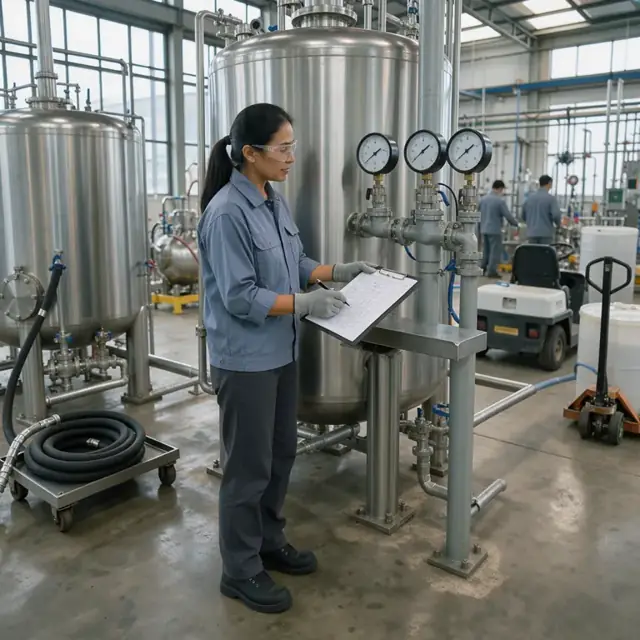
Maintain daily safety checklists, chemical logs and renewal reminders for permits and inspections.
Works in: Ambitious Tasks, Ambitious Docs, Ambitious Sheets · Workflows: Safety, environmental and permit tracking
Automates
- Generates daily PPE and ventilation checklists
- Logs chemical usage and waste volumes
- Tracks permit and inspection due dates
- Keeps SDS and formulation files current
Stops for a person
- The owner confirms which local, state and federal requirements apply
- All filings, inspections and corrective actions are performed by people
- The bot never certifies compliance
Workflows
Order intake and formulation confirmation
Starts when: A customer submits specifications by form, email, drawing or purchase order
- Capture density, firmness, color, flame rating, dimensions, quantity and end-use notes
- Match against existing formulations or flag for new development
- Confirm mold or tooling availability and lead time
- Draft order acknowledgment with price, ship date and any special testing
- Create a production task with full formulation and test requirements
Watch for: Flame-retardant and density tolerances must match customer or regulatory needs exactly; New colors or additives require lab-scale trial before full batch
Production batch and pour scheduling
Starts when: Daily after order cutoff and when new orders arrive
- Group open orders by formulation family, color and mold type
- Sequence pours around known cure times and conveyor availability
- Reserve molds or line time and calculate required chemical volumes
- Flag high-priority or test-run orders
- Produce a daily pour schedule with start times and expected demold times
Watch for: Cure time varies with temperature and formulation; Mold changeover and cleaning must be scheduled
Raw chemical and inventory management
Starts when: After each pour schedule is locked and weekly
- Explode the schedule into required isocyanate, polyol, additives and blowing-agent volumes
- Subtract current tank and drum inventory
- Draft purchase orders by supplier with required lead times
- Track shelf life, lot numbers and temperature-sensitive storage
- Log waste, purge and scrap for disposal manifests
Watch for: Isocyanates must be kept dry and within narrow temperature range; Hazardous material storage limits and secondary containment checks apply
Pouring, curing and cutting execution
Starts when: Start of each shift
- Load the daily schedule into the mixing head or spray system
- Generate batch tickets with exact gram weights and mix times
- Record actual pour weights, temperatures and cure start times
- Schedule cutting, skiving or CNC contouring after cure
- Flag any off-spec material for rework or scrap
Watch for: Mixing equipment must be calibrated daily; Exothermic reactions require monitoring to avoid scorching
Quality testing and certification
Starts when: After each pour or on a sampling cadence
- Generate test requests for density, IFD, compression set, flammability and aging
- Record lab results against customer specifications
- Hold product until results are reviewed
- Create certificates of analysis for each lot
- Flag and segregate nonconforming material
Watch for: Certain customers require third-party lab verification; Flame-retardant claims must be supported by test data the owner confirms
Finished goods labeling and dispatch
Starts when: When product passes quality review
- Generate customer-specific labels with barcodes, lot numbers and handling instructions
- Group shipments by destination and carrier requirements
- Draft packing lists and bills of lading
- Schedule pickups and draft shipment notifications
- Record carrier tracking and any damage notes
Watch for: Foam is bulky and requires proper stacking to avoid compression damage; Some shipments need temperature-controlled or hazmat documentation
Safety, environmental and permit tracking
Starts when: Each production day and on fixed calendar dates
- Generate daily PPE, ventilation and spill-kit checklists
- Log chemical usage, waste volumes and air-emission estimates
- Track renewal dates for permits, insurance and fire inspections
- Maintain formulation and SDS libraries
- Prepare hazardous-waste manifests when needed
Watch for: Local air and hazardous-waste rules vary by jurisdiction; The owner confirms which requirements apply before any filing
Bot templates for this industry
Source: U.S. Small Business Administration, Office of Size Standards, Table of Small Business Size Standards Matched to North American Industry Classification System Codes, version March 2023 (effective 2023-03-17, NAICS 2022). Size standards are shown for reference only.