

Plastics Plumbing Fixture Manufacturing
Plastics Plumbing Fixture Manufacturing plants produce molded bathtubs, showers, sinks, toilets and related components using injection molding, rotational molding and thermoforming. Custom orders specify colors, sizes, finishes and accessory packages. Specialists turn customer orders into production schedules, material requirements and tooling setups; maintain resin, mold and hardware inventory; schedule quality inspections and testing; manage mold maintenance and compliance paperwork; and prepare bulk shipments of finished fixtures while the production team keeps process parameters, safety data sheets and test records.
What makes this business different
- Custom color matching, finish textures and accessory kits that must be captured exactly for each order
- Long-lead tooling and mold changes between production runs that require downtime and cleaning
- High-volume resin, colorants and additives purchased with safety stock levels for supply chain variability
- Process parameters including temperature, pressure and cycle time that must be recorded for each batch
- Dimensional, visual and leak-testing performed on every fixture before shipment
- Bulk palletized shipping of large fragile fixtures with protective packaging and hazard documentation where required
- Maintenance logs for high-value molds, presses and finishing equipment
- Supplier and customer specifications that vary by regional plumbing codes and agency approvals
Specialist bots

Order Processor
Convert incoming sales orders into complete production-ready specifications with all custom attributes.
Works in: Ambitious Tasks, Ambitious Docs, Contract Analyzer · Workflows: Order intake and specification capture
Automates
- Parses order details from emails, portals and submissions
- Validates against current catalog, available molds and production constraints
- Flags custom colors, non-catalog options and regional code requirements
- Builds the order card with every attribute and instruction
- Drafts the customer order acknowledgment
Stops for a person
- Engineering reviews and approves any new color match, mold or non-standard requirement
- A person sends the final order confirmation and handles any payment or contract terms

Production Scheduler
Create efficient daily and weekly molding schedules that minimize changeovers and respect capacity.
Works in: Ambitious Tasks, Process Optimizer · Workflows: Production scheduling and mold setup
Automates
- Groups orders by mold family, color and accessory requirements
- Sequences jobs to reduce purge waste, setup time and resin drying
- Assigns presses, operators and estimates run quantities
- Flags capacity shortfalls or maintenance conflicts
Stops for a person
- The production manager reviews and approves the final schedule
- Any changes affecting customer delivery dates require owner approval
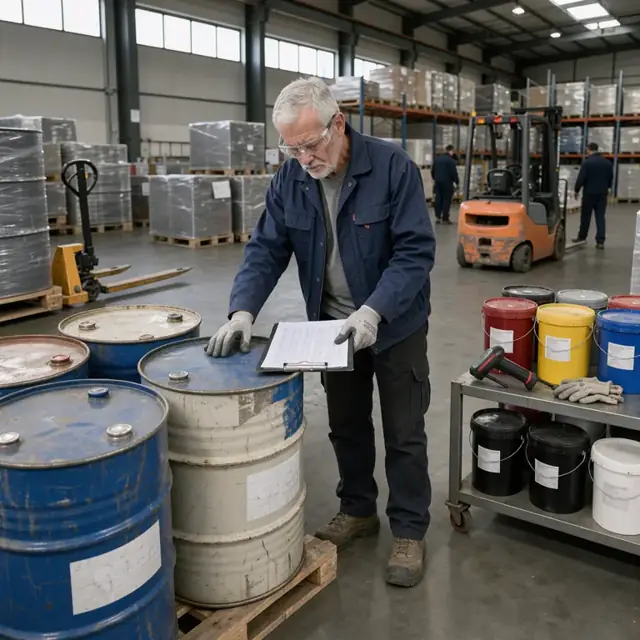
Materials Planner
Calculate exact resin, additive and hardware needs for scheduled production and maintain inventory levels.
Works in: Ambitious Sheets, Ambitious Tasks · Workflows: Material and inventory planning
Automates
- Explodes the schedule into bill-of-materials quantities by recipe
- Subtracts current stock and open purchase orders
- Generates supplier purchase requisitions with required dates
- Monitors safety stock levels and scrap trends by material
Stops for a person
- A person reviews every purchase requisition and places the actual orders
- The owner approves any large, expedited or non-standard resin purchases

Quality Inspector
Generate inspection checklists, log test results and maintain batch traceability for each production run.
Works in: Ambitious Tasks, Ambitious Docs, Ambitious Sheets · Workflows: In-process and final quality inspection
Automates
- Creates model-specific dimensional, visual and leak-test checklists
- Logs test data and observations from the shop floor
- Flags nonconforming parts and links them to resin lot and mold cavity
- Prepares batch inspection summaries
Stops for a person
- A trained technician performs all physical measurements and leak tests
- The quality manager reviews and signs off on every batch release

Tooling and Maintenance Coordinator
Track mold usage, schedule preventive maintenance and manage tooling inventory to minimize downtime.
Works in: Ambitious Tasks, Ambitious Sheets, Process Optimizer · Workflows: Mold and equipment maintenance tracking
Automates
- Logs production shots, hours and maintenance events per mold
- Schedules cleaning, polishing, insert replacement and repairs
- Tracks spare parts and consumable inventory
- Predicts remaining mold life and coordinates with production schedule
Stops for a person
- Maintenance technicians perform and document all physical mold work
- The owner approves any major repair, replacement or capital tooling expenditure
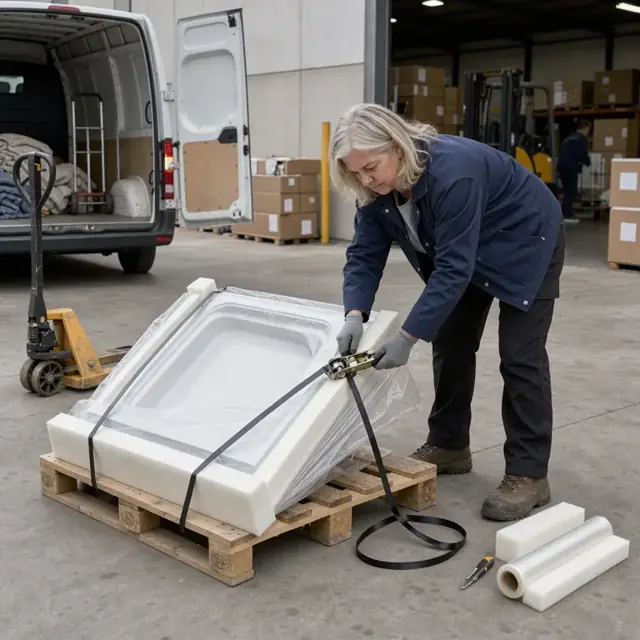
Shipping Coordinator
Prepare pallet configurations, packing lists, bills of lading and carrier schedules for finished fixtures.
Works in: Ambitious Tasks, Ambitious Docs · Workflows: Shipping and logistics preparation
Automates
- Groups completed orders by customer and shipping destination
- Calculates optimal pallet layout and protective packaging needs
- Generates bills of lading, labels and any hazardous material forms
- Schedules carrier pickups and drafts shipment notifications
Stops for a person
- Warehouse staff physically pack, wrap and load all shipments
- A person reviews and signs every shipping document before release

Compliance and Documentation Clerk
Assemble safety data sheets, certificates, process logs and customer specification packages while tracking renewal dates.
Works in: Ambitious Docs, Ambitious Sheets, Contract Analyzer · Workflows: Regulatory and customer documentation
Automates
- Compiles material safety data sheets and certificate packages
- Tracks approval status and test reports by product and jurisdiction
- Maintains process parameter and inspection log summaries
- Alerts on upcoming recertification dates
Stops for a person
- The owner confirms which certifications, marks and reports are required for each product and jurisdiction
- All documents sent to customers or agencies are reviewed and approved by a person before release
Workflows
Order intake and specification capture
Starts when: A new customer order arrives by portal, email or sales submission
- Extract model, color, size, finish, accessory kit and any special instructions
- Verify order against current catalog, available molds and production capability
- Flag non-standard colors, tooling or regional code requirements for engineering review
- Create a production-ready order card with complete specifications
- Draft order acknowledgment for customer confirmation
Watch for: Color codes and finish specifications must match exactly to prevent batch rejection; Regional plumbing code differences must be noted on every order card
Production scheduling and mold setup
Starts when: End of each business day or after a production run completes
- Review open orders and group by mold type, color family and accessory needs
- Sequence jobs to minimize mold changes, color purges and resin drying time
- Assign presses, operators, cycle times and expected output
- Flag capacity shortfalls or conflicts with scheduled maintenance
- Release the approved schedule to shop floor tasks
Watch for: Mold changeovers require several hours of downtime and thorough cleaning; Resin drying times must be built into the schedule before each run
Material and inventory planning
Starts when: After each schedule release and weekly
- Explode the production schedule into resin, colorant, hardware and packaging requirements
- Subtract current inventory and open purchase orders
- Generate purchase requisitions by supplier with delivery dates
- Update safety stock levels for critical resins and additives
- Track scrap, rework and waste rates by material type
Watch for: Resins must be stored under controlled moisture and temperature conditions; Colorant lots must remain consistent within a single production run
In-process and final quality inspection
Starts when: Completion of each production batch or shift
- Generate model-specific dimensional, visual and leak-test checklists
- Record test results from shop floor measurements and observations
- Flag out-of-spec parts for rework or scrap with lot traceability
- Maintain batch records linking each fixture to its resin lot and mold cavity
- Prepare inspection summary for customer or code review
Watch for: Every fixture must pass water-tightness and structural integrity tests before release; Traceability to specific resin lot and mold cavity is required for regulatory audits
Mold and equipment maintenance tracking
Starts when: After each production run and on fixed calendar intervals
- Log shots, hours and maintenance performed on each mold and press
- Schedule preventive maintenance, polishing and part replacements
- Track spare inserts, components and consumables inventory
- Flag molds approaching end of life or needing major repair
- Create work orders for maintenance that coordinate with the production schedule
Watch for: Molds are high-value assets that require precise temperature-controlled storage and cleaning; Maintenance downtime must be coordinated with production and customer delivery dates
Shipping and logistics preparation
Starts when: When quality inspection is passed and goods are ready
- Group finished fixtures by customer and destination
- Determine optimal pallet configuration and protective packaging requirements
- Generate bills of lading, packing lists and any required hazard documentation
- Schedule carrier pickup windows and draft shipment notifications
- Record shipment confirmation, tracking details and any damage notes
Watch for: Large fixtures are easily damaged in transit and require substantial protective packaging; Certain resins or coatings may require hazardous material documentation
Regulatory and customer documentation
Starts when: End of each production month and on order-specific requests
- Compile material safety data sheets and certificate of compliance packages
- Track approvals and test reports by product line and jurisdiction
- Maintain process parameter logs and inspection summaries for audits
- Prepare custom specification packages requested by customers
- Alert on upcoming recertification or renewal dates for agency approvals
Watch for: Different jurisdictions require different marks, test reports and documentation; The owner confirms which approvals and marks apply to each product line
Bot templates for this industry
Source: U.S. Small Business Administration, Office of Size Standards, Table of Small Business Size Standards Matched to North American Industry Classification System Codes, version March 2023 (effective 2023-03-17, NAICS 2022). Size standards are shown for reference only.