

Tire Retreading
Tire retreaders receive worn casings, inspect them, repair defects, apply new tread rubber, cure the tires and return them to fleets or dealers. For a shop that handles truck, bus and off-road tires on a weekly schedule, the specialists turn incoming tire shipments into inspection reports and repair plans, build a daily cure schedule, track rubber compounds and materials, route finished tires for delivery, and maintain safety and regulatory paperwork. Casing integrity decisions, compound selection and final quality calls stay with the retreader.
What makes this business different
- Incoming casings with varying wear, damage and age that must be inspected for structural integrity before any work begins
- DOT and industry repair standards for nail holes, sidewall damage, bead repairs and section repairs
- Inventory of tread rubber, cushion gum, patches and curing envelopes that must be matched to specific tire sizes and service types
- Curing presses and autoclaves with limited daily capacity and strict time-temperature cycles
- Fleet and dealer customers who send regular volumes of casings and expect finished retreads on predictable turnaround schedules
- Tracking of individual tire serials, work performed, buffed tread depth and final inspection results for warranty and liability
- Safety protocols for handling heavy tires, operating curing equipment, managing solvents and maintaining fire suppression systems
Specialist bots

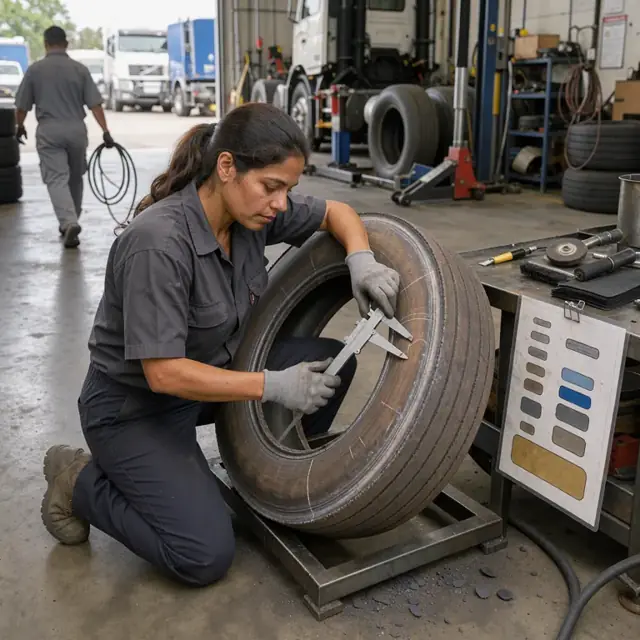
Casing Intake Inspector
Turn every incoming shipment of worn tires into documented, repair-ready casing records.
Works in: Ambitious Tasks, Ambitious Docs, Ambitious Sheets · Workflows: Casing intake and initial inspection
Automates
- Reads shipment manifests and captures tire details
- Creates individual inspection tasks with photos
- Marks obvious rejects and separates them
- Drafts the intake report for each batch
Stops for a person
- The retreader approves all reject decisions and borderline casings
- A person performs the physical bead-to-bead inspection
- Serial numbers are verified by a technician before proceeding
Repair and Material Planner
Assess each casing's repair needs and generate accurate material requirements.
Works in: Ambitious Tasks, Ambitious Sheets, Ambitious Docs · Workflows: Repair assessment and material planning
Automates
- Categorizes tires by repair type and severity
- Calculates required patches, rubber and gum volumes
- Checks inventory and flags reorder needs
- Builds the daily repair priority list
Stops for a person
- The retreader confirms all section repair limits and special approvals
- A person verifies material calculations before ordering

Buffing Schedule Coordinator
Convert approved casings into a daily buffing schedule with safety and quality parameters.
Works in: Ambitious Tasks, Process Optimizer, Ambitious Sheets · Workflows: Buffing and tread preparation schedule
Automates
- Assigns tires to stations and workers
- Calculates target buff diameters per size
- Generates equipment safety checklists
- Prints setup labels for each tire
Stops for a person
- The lead technician adjusts the schedule based on equipment condition
- A person verifies buff depth before moving tires to building

Cure and Build Scheduler
Match buffed tires with correct tread compounds and schedule curing cycles across presses and autoclaves.
Works in: Ambitious Tasks, Process Optimizer, Ambitious Sheets · Workflows: Tread building and curing
Automates
- Matches tires to required rubber compounds
- Builds the daily curing sequence and times
- Calculates press loads and autoclave batches
- Generates curing envelope and ring instructions
Stops for a person
- The retreader selects compounds and approves cure parameters
- A technician confirms each load before starting the cure cycle
Final Quality Inspector
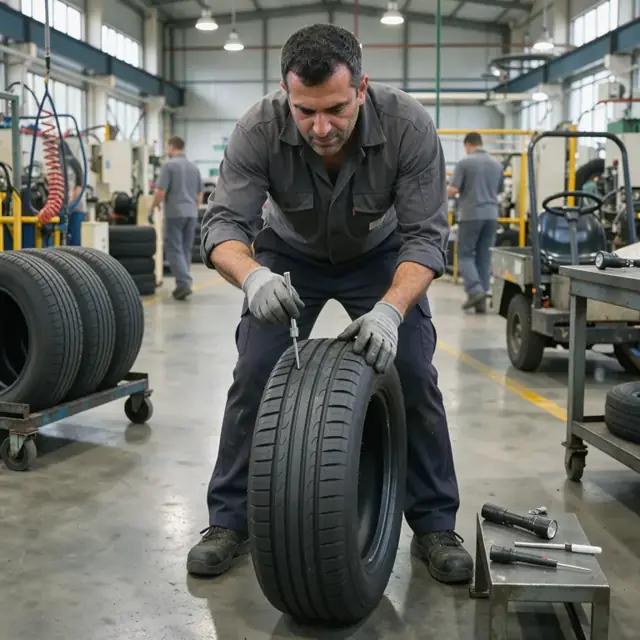
Inspect cured retreads, record results and prepare tires for shipment or inventory.
Works in: Ambitious Tasks, Ambitious Docs, Ambitious Sheets · Workflows: Final inspection and finishing
Automates
- Creates inspection checklists for each tire
- Records measurements, photos and test results
- Generates updated serial and DOT markings
- Moves passed tires to the finished queue
Stops for a person
- A certified inspector performs the physical final inspection
- The retreader reviews and signs off on any failed tires
- A person applies branding and verifies markings

Materials and Inventory Coordinator
Track consumption of tread rubber, patches and supplies and maintain accurate reorder lists.
Works in: Ambitious Sheets, Ambitious Tasks, Ambitious Docs · Workflows: Materials inventory and purchasing
Automates
- Calculates weekly material usage from production records
- Subtracts from current stock levels
- Drafts purchase lists by supplier and compound
- Monitors par levels and shelf-life dates
Stops for a person
- The owner approves and places all material orders
- A person physically receives and stocks new rubber shipments
Finished Tire Dispatch Coordinator
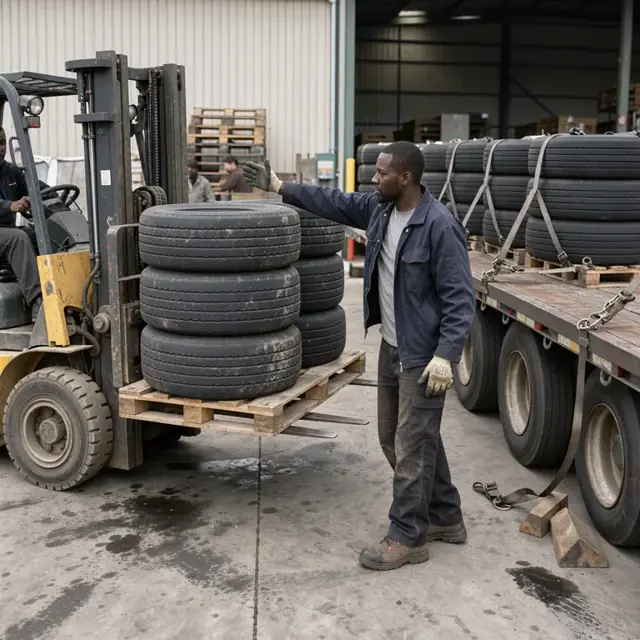
Organize completed retreads into customer shipments and draft delivery paperwork.
Works in: Ambitious Tasks, Ambitious Docs, Ambitious Sheets · Workflows: Finished tire dispatch and routing
Automates
- Groups tires by customer and destination
- Calculates load weights and creates packing lists
- Drafts carrier labels and route summaries
- Updates each tire's history with shipment details
Stops for a person
- The driver or warehouse lead confirms loading and weight distribution
- A person reviews and sends all customer invoices and paperwork

Compliance and Safety Clerk
Maintain daily safety logs, curing records and regulatory paperwork for the retread operation.
Works in: Ambitious Tasks, Ambitious Docs, Ambitious Sheets · Workflows: Safety and regulatory recordkeeping
Automates
- Generates daily equipment and safety checklists
- Logs cure temperatures and pressures
- Tracks calibration and certification due dates
- Organizes digital records for every processed tire
Stops for a person
- The retreader confirms which local and industry requirements apply
- Technicians enter actual readings and observations
- A person reviews records before any regulatory filing
Workflows
Casing intake and initial inspection
Starts when: A shipment of worn tires arrives from a fleet or dealer
- Record each tire's size, brand, serial, service type and shipper
- Visually check for obvious damage and separate rejects
- Perform bead-to-bead inspection and mark nail holes or cuts
- Draft an inspection report with photos for each casing
- Create a task for each tire showing required repairs
Watch for: Casings with belt separation or sidewall damage must be rejected immediately; Accurate serial capture is required for warranty tracking
Repair assessment and material planning
Starts when: After initial inspection of each batch
- Categorize each casing by repair type: nail hole, section, bead or none
- Calculate required patch sizes, rubber volumes and cushion gum
- Check against current material inventory and reorder thresholds
- Build a prioritized work list for the buffer and builder stations
- Flag any tires needing special compounds or approvals
Watch for: Section repairs require precise measurement and cannot exceed limits set by the retreader; Material usage must be tracked per tire for cost control
Buffing and tread preparation schedule
Starts when: Daily at the start of the shift
- Pull the list of approved casings for the day
- Assign each tire to a buffing station and technician
- Calculate target buffed diameter and crown radius per size
- Generate safety checklist for dust collection and blade changes
- Create labels showing target tread width and texture
Watch for: Over-buffing can ruin a casing and must be prevented; Dust and rubber debris must be captured to meet air quality rules
Tread building and curing
Starts when: After buffing is complete each day
- Match each buffed casing to the correct tread rubber and compound
- Schedule the builder stations and curing presses or autoclave
- Calculate exact cure times and temperatures per tire size
- Print envelope and curing ring instructions
- Log each tire into the cure batch with start time
Watch for: Curing cycles cannot be interrupted and presses run on fixed schedules; Different compounds require separate curing runs
Final inspection and finishing
Starts when: After curing and cooling of each batch
- Inspect each cured tire for defects, voids or tread issues
- Perform final measurements and balance checks where required
- Apply required DOT markings, serial updates and branding
- Record inspection results and photos in the tire record
- Move passed tires to finished inventory or shipping area
Watch for: Any tire failing final inspection must be documented and removed from the production stream; Brand and DOT codes must exactly match customer requirements
Materials inventory and purchasing
Starts when: Weekly and after each large job
- Review material usage from the prior week's production
- Subtract consumed tread rubber, patches, cement and envelopes from stock
- Draft purchase orders for rubber compounds and repair materials by supplier
- Maintain minimum par levels for high-volume sizes
- Track shelf life of adhesives and cements
Watch for: Rubber compounds have limited shelf life and must be rotated; Certain specialty compounds are only available from specific suppliers
Finished tire dispatch and routing
Starts when: When a customer order or weekly fleet batch is complete
- Pull finished retreads matching the customer order
- Group tires by destination and load weight
- Draft delivery routes or carrier labels with appointment windows
- Generate packing lists and customer invoices
- Record shipment details and update tire histories
Watch for: Heavy tires require specific loading equipment and weight distribution; Fleet customers often require tires mounted and balanced before return
Safety and regulatory recordkeeping
Starts when: Daily and on scheduled review dates
- Compile daily safety checklists for equipment and fire systems
- Log curing temperatures and pressures from each cycle
- Track inspection station calibrations and technician certifications
- Monitor renewal dates for permits, insurance and waste disposal
- Maintain digital records of every tire processed
Watch for: Curing and pressure records must be kept for the required retention period; Local fire codes for solvent storage and dust collection must be followed
Bot templates for this industry
- Tire Retreading (8 bots)
Source: U.S. Small Business Administration, Office of Size Standards, Table of Small Business Size Standards Matched to North American Industry Classification System Codes, version March 2023 (effective 2023-03-17, NAICS 2022). Size standards are shown for reference only.