

Rubber and Plastics Hoses and Belting Manufacturing
Manufacturers of rubber and plastic hoses, tubing and power-transmission belts take custom length, pressure, chemical-resistance and reinforcement specs from industrial customers and convert them into production orders. The specialists turn incoming requests into verified order specifications, raw-material and reinforcement requirements, production schedules on shared calendars, quality-test checklists and shipping labels while the machine operators and compounders retain control of tooling, curing times, splice quality and final product release.
What makes this business different
- Custom hose and belt specifications including length, inside and outside diameter, pressure rating, temperature range, chemical compatibility and reinforcement type that must be captured exactly
- Long-lead-time raw materials such as rubber compounds, polymers, braided or spiral wire, fabric plies and couplings ordered against forecast and minimum order quantities
- Shared production assets including extruders, braiders, vulcanizing autoclaves, mandrels and belt presses that require careful scheduling to avoid conflicts
- In-process and final quality tests for burst pressure, adhesion, elongation, abrasion resistance and dimensional tolerance with full traceability
- Industry standards for hose and belt performance that the owner confirms apply to each order
- Inventory of finished goods for standard items alongside made-to-order runs
- Supplier coordination for specialty reinforcements and couplings with incoming inspection requirements
- Packaging and labeling that includes part number, batch code, manufacture date and handling instructions for industrial customers
- Preventive maintenance and calibration schedules for extruders, braiders, vulcanizers and test equipment
- Regulatory filings, permits and safety documentation that the owner confirms for each facility and product line
Specialist bots

Specification Verifier
Convert every customer request into a verified, production-ready order specification with complete technical requirements.
Works in: Ambitious Tasks, Ambitious Docs, Contract Analyzer · Workflows: Order specification and verification
Automates
- Reads incoming purchase orders and specification sheets
- Extracts and organizes all technical parameters
- Checks requirements against manufacturing capabilities
- Drafts the order acknowledgment
- Creates the production task with full bill of materials
Stops for a person
- Engineering or production lead approves any specification exceptions
- A person reviews and sends all formal order acknowledgments
- Owner confirms which industry standards apply to each order

Materials Planner
Convert production orders into accurate raw material and reinforcement purchase requirements while maintaining proper stock levels.
Works in: Ambitious Sheets, Ambitious Tasks, Ambitious Docs · Workflows: Raw material and reinforcement planning
Automates
- Explodes orders into compound, braid, fabric and coupling requirements
- Calculates net requirements after subtracting inventory
- Generates purchase requisitions by supplier
- Monitors shelf life and reorder points for compounds
- Tracks incoming material inspection status
Stops for a person
- Purchasing lead approves and places all purchase orders
- Any material substitution requires engineering approval

Production Scheduler
Create conflict-free weekly production schedules that allocate extruders, braiders, vulcanizers and presses to meet delivery dates.
Works in: Ambitious Tasks, Ambitious Sheets · Workflows: Production scheduling and asset allocation
Automates
- Loads confirmed orders into the master schedule
- Assigns equipment and calculates required run times
- Identifies changeovers and tooling needs
- Flags capacity constraints and suggests alternatives
- Publishes the weekly schedule for the shop floor
Stops for a person
- Production manager reviews and adjusts the final schedule
- Machine operators confirm availability of tooling before runs begin

Quality Test Documenter
Generate order-specific test checklists, record test results and prepare traceability documentation for each production batch.
Works in: Ambitious Tasks, Ambitious Docs, Ambitious Sheets · Workflows: In-process and final quality testing, Regulatory and safety compliance paperwork
Automates
- Creates test checklists based on order specifications
- Organizes results from pressure, dimensional and adhesion tests
- Maintains batch code traceability records
- Prepares draft test reports and certificates
- Flags out-of-specification results for immediate review
Stops for a person
- Quality technician performs all physical tests and confirms results
- Engineering reviews and approves all final test documentation
- A person verifies that test equipment is within calibration

Inventory Coordinator
Track finished goods, work-in-process and allocate completed production to customer orders while monitoring shelf life.
Works in: Ambitious Sheets, Ambitious Tasks, Ambitious Docs · Workflows: Finished goods and work-in-process inventory management
Automates
- Records production output by batch and specification
- Allocates inventory to open orders
- Monitors reorder points for standard items
- Flags material nearing shelf-life limits
- Maintains location and status for items on the floor
Stops for a person
- Warehouse staff performs physical cycle counts and confirms system accuracy
- Quality lead approves release of any held material

Shipping Coordinator
Prepare accurate packing lists, documentation and shipping instructions for completed customer orders.
Works in: Ambitious Tasks, Ambitious Docs, Ambitious Sheets · Workflows: Order fulfillment and shipping
Automates
- Generates packing lists and labels with correct batch codes
- Assembles required test reports and safety documentation
- Suggests optimal carrier and service level
- Drafts shipment notification messages
- Closes orders once shipment is confirmed
Stops for a person
- Shipping lead verifies packaging meets customer and carrier requirements
- A person approves and sends all customer notifications
- Owner reviews any special export or hazmat documentation
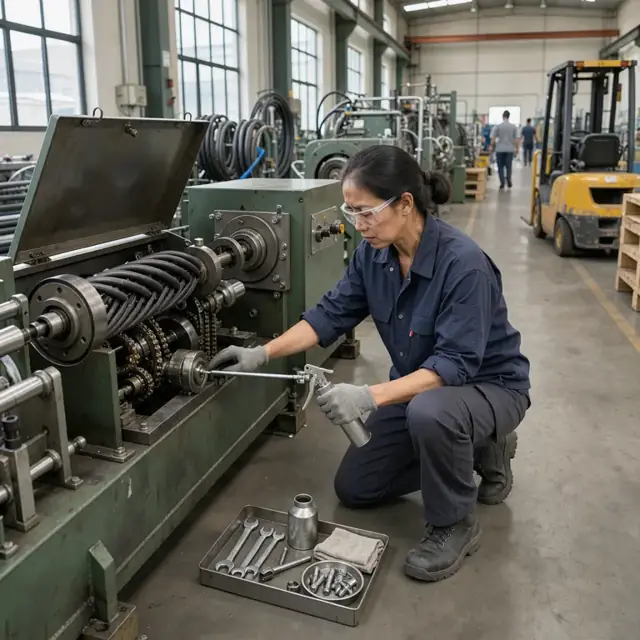
Maintenance and Tooling Tracker
Maintain preventive maintenance schedules for all production equipment and track tooling condition and usage.
Works in: Ambitious Tasks, Ambitious Sheets, Process Optimizer · Workflows: Equipment maintenance and tooling management
Automates
- Generates daily preventive maintenance checklists
- Tracks equipment hours against maintenance intervals
- Schedules tooling inspection and replacement
- Logs downtime events and repairs
- Forecasts upcoming major maintenance needs
Stops for a person
- Maintenance technicians perform all physical maintenance and document completion
- Production manager approves schedule changes due to maintenance
- A person reviews and signs off on all calibration records

Compliance and Safety Clerk
Track permits, calibration records, training logs and compile owner-confirmed compliance paperwork for each order and facility.
Works in: Ambitious Tasks, Ambitious Docs, Ambitious Sheets · Workflows: Regulatory and safety compliance paperwork
Automates
- Generates order-specific compliance checklists
- Tracks renewal dates for permits and certifications
- Compiles material safety data sheets and traceability records
- Maintains audit-ready document folders
Stops for a person
- The owner confirms which regulatory requirements apply
- All filings, signatures and submissions are performed by people
- Quality or engineering lead approves final document packages before release
Workflows
Order specification and verification
Starts when: A new customer inquiry or purchase order arrives by email or portal
- Extract all technical requirements including dimensions, pressure rating, material, reinforcement and end fittings
- Check specifications against available compounds, tooling and equipment capabilities
- Draft a formal order acknowledgment listing confirmed specs and any exceptions
- Create a production-ready order task with bill of materials and test requirements
- Flag any special testing or certification needs for review
Watch for: Exact capture of pressure, temperature and chemical compatibility data; Any deviation from standard offerings must be approved before acceptance
Raw material and reinforcement planning
Starts when: After order verification and on a weekly cadence
- Explode each confirmed order into required rubber or plastic compound, reinforcement, couplings and packaging
- Subtract current inventory and open purchase orders
- Generate purchase requisitions for materials with long lead times
- Update par levels for high-volume compounds and wire braid
- Track incoming inspection results for critical materials
Watch for: Rubber compounds have limited shelf life and must be ordered to match production; Specialty reinforcements often have minimum order quantities from suppliers
Production scheduling and asset allocation
Starts when: Weekly and when new orders are released
- Load all pending orders into the master schedule by due date and equipment required
- Assign extruders, braiders, vulcanizers and belt presses without conflicts
- Calculate required compound volumes and curing cycles
- Identify any tooling or mandrel changes needed between runs
- Publish the weekly schedule and flag capacity constraints
Watch for: Curing and cooling times are fixed by material and cannot be compressed; Changeover time between different hose diameters or belt types is significant
In-process and final quality testing
Starts when: At each production checkpoint and upon completion of a batch
- Generate the test checklist specific to the order requirements
- Record dimensional, pressure, adhesion and visual inspection results
- Track batch codes and traceability data through the process
- Flag any non-conforming material for review
- Prepare test reports and certificates of conformance for approval
Watch for: Each hose or belt type has specific test frequencies and methods; Test equipment calibration dates must be current
Finished goods and work-in-process inventory management
Starts when: Daily after production and on a monthly cycle count schedule
- Record completed production into inventory by batch and specification
- Allocate finished product to open customer orders
- Replenish standard stock items based on reorder points
- Identify and segregate any non-conforming or expired material
- Update location and status for work-in-process on the floor
Watch for: Many items are custom and cannot be stocked indefinitely; Shelf life of certain rubber products must be monitored
Order fulfillment and shipping
Starts when: When an order is marked complete and ready to ship
- Generate packing list and shipping labels with correct part numbers and batch codes
- Prepare required documentation including test reports and material safety data
- Schedule carrier pickup based on customer delivery requirements
- Record shipment details and send notification draft
- Close the order in the system once shipped
Watch for: Heavy reels and coils require special handling and packaging; Certain hoses must be shipped with end caps or protective coverings
Equipment maintenance and tooling management
Starts when: On a preventive maintenance schedule and after each production run
- Generate daily and weekly preventive maintenance checklists for each machine
- Track hours on extruders, presses and vulcanizers against maintenance intervals
- Schedule tooling cleaning, inspection and replacement
- Log any unplanned downtime or repairs
- Forecast upcoming major maintenance events
Watch for: Vulcanizing equipment has strict temperature and pressure validation requirements; Mandrels and dies must be cleaned and stored properly between uses
Regulatory and safety compliance paperwork
Starts when: At order acceptance, production start, shipment and on fixed renewal dates
- Generate order-specific compliance checklist based on owner-confirmed requirements
- Track facility permits, equipment calibration certificates and operator training records
- Compile material safety data sheets and test documentation for each shipment
- Flag upcoming renewal dates for permits, insurance and registrations
- Maintain audit-ready records of batch traceability and inspection results
Watch for: Rules differ by jurisdiction and product end-use; All filings and confirmations are performed by people
Bot templates for this industry
Source: U.S. Small Business Administration, Office of Size Standards, Table of Small Business Size Standards Matched to North American Industry Classification System Codes, version March 2023 (effective 2023-03-17, NAICS 2022). Size standards are shown for reference only.