

Rubber Product Manufacturing for Mechanical Use
Manufacturers produce custom-molded and extruded rubber components such as gaskets, seals, O-rings, hoses, mounts and vibration dampers for industrial machinery, automotive, aerospace and heavy equipment. Orders arrive with exact material, durometer, size and tolerance specifications. The specialists turn customer drawings and specs into production-ready work orders, schedule molding and extrusion runs, manage raw rubber compounds and tooling inventory, optimize press and extruder schedules, generate quality and compliance documentation, and track shipments while the compounders and press operators remain responsible for material formulation, curing times and final part inspection.
What makes this business different
- Customer-provided drawings, material specifications, durometer, tolerances and performance requirements that must be followed exactly
- Tooling and mold inventory that must be tracked, cleaned and stored between runs
- Raw rubber compounds, curing agents and inserts purchased and stored with shelf-life and lot traceability
- Press and extruder schedules that balance cavity counts, cure times and changeover requirements
- Batch traceability, cure logs, durometer tests and dimensional inspections required for each production lot
- Quality documentation including material certifications, first-article inspections and PPAP-style packets
- Seasonal demand spikes from OEM customers and long lead times for custom tooling
Specialist bots

Order Intake Specialist
Convert every customer drawing and purchase order into a complete production-ready work order.
Works in: Ambitious Tasks, Ambitious Docs, Contract Analyzer · Workflows: Order and specification intake
Automates
- Reads incoming drawings, specifications and purchase orders
- Extracts part dimensions, material, durometer and tolerance requirements
- Checks against existing tooling database
- Drafts formal quotes and confirmation documents
- Creates the shop work order task
Stops for a person
- The owner approves any price or lead-time deviations
- Technical questions about material substitution go to the compounder
- A person sends the final quote and handles contract signatures

Production Scheduler
Create efficient daily and weekly schedules for molding presses and extruders while minimizing changeovers.
Works in: Process Optimizer, Ambitious Sheets · Workflows: Tooling and production scheduling, Production execution and capacity planning
Automates
- Checks mold availability and condition
- Builds the press and extruder schedule by cure time and cavity count
- Balances multiple orders to reduce setup time
- Flags tooling that needs maintenance
- Calculates total press hours required
Stops for a person
- The shop supervisor approves the final daily schedule
- Any schedule changes caused by equipment downtime are decided by people
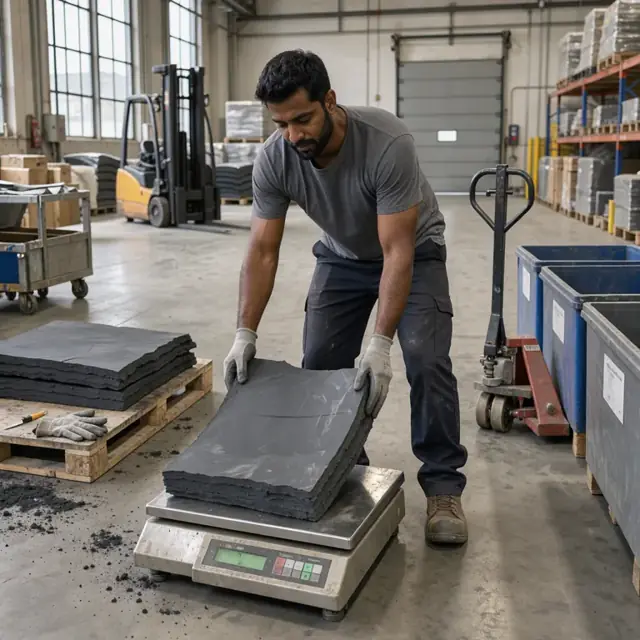
Materials Coordinator
Turn production schedules into accurate raw-compound orders and maintain traceable inventory.
Works in: Ambitious Sheets, Ambitious Tasks, Ambitious Docs · Workflows: Raw material and compound preparation
Automates
- Explodes schedules into compound quantities
- Subtracts current stock and shelf-life data
- Drafts purchase lists by supplier
- Generates mixing batch sheets with lot numbers
- Tracks scrap and regrind returns
Stops for a person
- The owner places all raw material purchase orders
- Compound formulation changes are approved only by the compounder

Quality Documentation Clerk
Assemble inspection checklists, test results and customer quality packets for each production lot.
Works in: Ambitious Docs, Ambitious Sheets, Ambitious Tasks · Workflows: Quality inspection and documentation
Automates
- Generates dimensional and durometer inspection templates
- Compiles material certifications and traceability records
- Drafts first-article and lot inspection reports
- Organizes customer-specific quality packets
- Flags out-of-tolerance results for review
Stops for a person
- The quality technician performs all physical measurements and confirms results
- The owner reviews and approves every packet before sending to customers

Shipping and Inventory Coordinator
Manage finished goods inventory, prepare shipments and maintain customer labeling requirements.
Works in: Ambitious Tasks, Ambitious Docs, Ambitious Sheets · Workflows: Finished goods inventory and shipping
Automates
- Moves approved parts into lot-controlled inventory
- Generates pick lists and packing slips
- Drafts bills of lading and shipping labels
- Tracks consignment stock levels
- Records shipment confirmations
Stops for a person
- A person performs final visual check and packs the parts
- The owner approves any expedited shipping charges
Compliance and Certification Tracker
Monitor all required material certifications, equipment calibrations and customer compliance documents.
Works in: Ambitious Tasks, Ambitious Docs, Ambitious Sheets · Workflows: Regulatory and customer compliance paperwork
Automates
- Tracks certification and calibration due dates
- Maintains supplier material certification files
- Generates compliance summary reports
- Alerts before documents expire
- Organizes documents by customer requirement
Stops for a person
- The owner confirms which requirements apply to each customer
- All final compliance documents are reviewed and signed by people
- The bot never certifies compliance
Workflows
Order and specification intake
Starts when: A customer sends a drawing, purchase order or request for quote
- Capture part number, material, durometer, quantity, tolerances and performance notes
- Match against existing tooling and open capacity
- Draft a formal quote with lead time and price
- Convert approved quote into a production work order with full specification sheet
- Create a task for the compounder and press operator
Watch for: Exact material and hardness must be recorded without assumption; Any deviation from customer drawing requires written approval
Tooling and production scheduling
Starts when: After order is accepted and weekly
- Check mold and die availability and condition
- Schedule molding presses or extruders by cavity count and cure time
- Balance multiple orders to minimize changeovers
- Flag any tooling that needs repair or cleaning
- Produce a daily shop schedule with run quantities and start times
Watch for: Cure times vary significantly by compound and thickness; Press tonnage and platen size limit which molds can run together
Raw material and compound preparation
Starts when: Before each production run
- Explode the production schedule into required rubber compounds and quantities
- Check current inventory and shelf life of base polymers and curatives
- Draft purchase orders for compounds or ingredients that fall below par
- Generate lot-traceable mixing instructions for each batch
- Track returned scrap and regrind for reuse
Watch for: Many compounds have limited shelf life and must be used in FIFO order; Certain aerospace or food-contact materials require special sourcing
Production execution and capacity planning
Starts when: Daily and on new large orders
- Load current orders into the construction scheduler
- Calculate press hours, extruder hours and labor needed
- Identify bottlenecks in cure time, demolding or secondary operations
- Suggest overtime or alternate tooling to meet ship dates
- Update schedule when a press goes down
Watch for: Secondary operations such as trimming, bonding or printing add steps; Seasonal OEM orders can double volume on short notice
Quality inspection and documentation
Starts when: After each batch is cured
- Generate inspection checklist with dimensional, durometer and visual criteria
- Record first-article results and lot traceability
- Compile material certifications and test reports
- Draft customer quality packet for approval
- Flag any parts outside tolerance for rework or scrap
Watch for: Many customers require specific test methods and reporting formats; Traceability to raw material lot numbers must be maintained
Finished goods inventory and shipping
Starts when: After inspection and on customer ship dates
- Move approved parts into finished goods inventory with lot numbers
- Pick and pack according to customer labeling and packaging specs
- Draft packing slips and bills of lading
- Create shipment tasks with tracking numbers
- Replenish any safety stock the customer has on consignment
Watch for: Many parts are shipped in exact counts with serialized labels; Certain compounds require special climate-controlled shipping
Regulatory and customer compliance paperwork
Starts when: On order acceptance and renewal dates
- Track required certifications such as REACH, RoHS or conflict minerals
- Monitor mold and equipment calibration due dates
- Maintain supplier material certifications on file
- Generate annual compliance summaries when requested
- Alert before any certification or test expires
Watch for: Requirements differ by end market such as automotive, aerospace or medical; The owner confirms which customer-specific requirements apply each time
Bot templates for this industry
Source: U.S. Small Business Administration, Office of Size Standards, Table of Small Business Size Standards Matched to North American Industry Classification System Codes, version March 2023 (effective 2023-03-17, NAICS 2022). Size standards are shown for reference only.