

Clay Building Material and Refractories Manufacturing
Clay building material and refractories manufacturers mix raw clays and aggregates, form bricks tiles and specialty shapes, dry them, fire them in kilns at high temperatures and ship to construction and industrial customers. For a plant that takes custom orders for firebrick linings, glazed tiles and standard masonry units the specialists turn incoming orders into production schedules, batch formulas and mold lists, track raw clay and additive inventory, schedule kiln firings with temperature curves, manage drying and finishing steps, prepare shipping manifests and maintain furnace logs and material test records. Recipes, firing curves and quality test calls stay with the kiln master.
What makes this business different
- Custom formulations for refractories that must meet exact chemical and thermal specifications
- High-temperature kiln schedules with precise ramp-hold-cool curves that cannot be interrupted
- Raw clay and grog inventory with aging and moisture content tracking
- Mold and die management for pressed and extruded shapes
- Drying schedules to prevent cracking before firing
- Quality testing of fired pieces for absorption, strength and dimensional tolerance
- Permit and emissions logs for kilns plus material safety data for additives
- Seasonal demand spikes tied to construction and maintenance shutdowns
Specialist bots

Order Engineer
Convert customer specifications into production-ready order details and technical requirements.
Works in: Ambitious Docs, Ambitious Tasks, Ambitious Sheets · Workflows: Order intake and specification review
Automates
- Reads incoming purchase orders and extracts technical requirements
- Checks against standard product library and current kiln calendar
- Drafts specification sheets with tolerances and test criteria
- Creates the production order task with attached drawings
Stops for a person
- The kiln master approves any non-standard firing curves
- A person reviews and sends all pricing and confirmation documents

Batch Formulator
Turn production orders into precise raw material formulas and mixing instructions.
Works in: Ambitious Sheets, Ambitious Tasks, Ambitious Docs · Workflows: Batch formulation and raw material preparation
Automates
- Calculates exact weights and percentages for each clay body
- Adjusts for current moisture content of stored materials
- Generates weigh-out sheets and mixing procedures
- Schedules mixer and aging times
Stops for a person
- The mixer operator confirms the batch before starting
- Any formula changes must be approved by the materials engineer
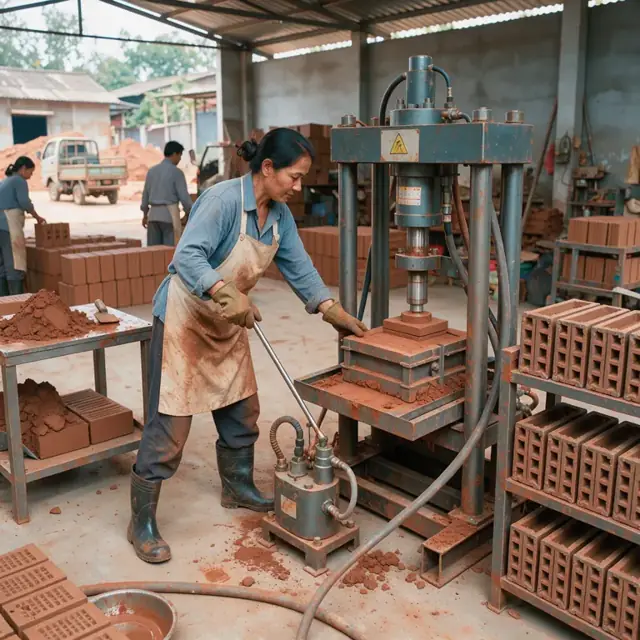
Forming Scheduler
Assign forming methods and schedule presses, extruders and molds for each order.
Works in: Ambitious Tasks, Process Optimizer · Workflows: Forming and mold scheduling
Automates
- Matches shapes to forming equipment and available molds
- Builds the daily forming schedule with changeovers
- Tracks mold usage and wear
- Generates work orders for each station
Stops for a person
- The shift supervisor approves the daily forming plan
- A person inspects molds before use

Kiln Scheduler
Create drying schedules, kiln loading plans and precise firing curves for each batch.
Works in: Process Optimizer, Ambitious Tasks · Workflows: Drying and kiln firing schedule
Automates
- Develops drying and firing schedules based on material type
- Optimizes kiln loading density and setter placement
- Generates detailed ramp-hold-cool programs
- Prepares firing log templates
Stops for a person
- The kiln master reviews and approves every firing curve
- A person verifies thermocouple placement before firing begins

Quality Verifier
Run post-firing inspection and test protocols and attach results to each order.
Works in: Ambitious Tasks, Ambitious Sheets, Ambitious Docs · Workflows: Finishing, inspection and testing
Automates
- Generates inspection checklists for each product type
- Records dimensional checks and visual defect findings
- Logs results of absorption and strength tests
- Flags out-of-spec pieces for review
Stops for a person
- A technician performs the physical tests and confirms results
- The quality manager reviews and signs off on all test records
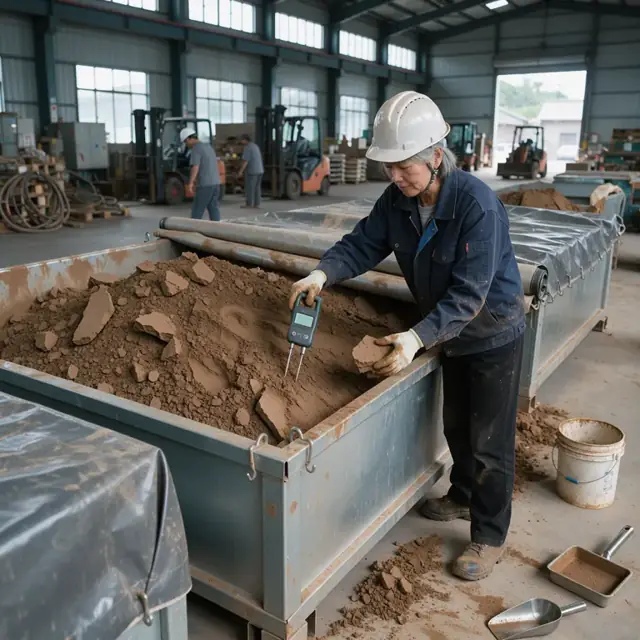
Materials and Inventory Clerk
Track raw clay and additive inventory, forecast needs and prepare replenishment orders.
Works in: Ambitious Sheets, Ambitious Tasks, Ambitious Docs · Workflows: Raw material inventory and purchasing
Automates
- Monitors stock levels and aging of clays
- Forecasts usage from the production schedule
- Drafts purchase lists for suppliers
- Records material consumption per run
Stops for a person
- The owner approves all purchases and spending
- A person verifies incoming shipments against orders

Shipping Coordinator
Prepare packing lists, shipping documents and load schedules for finished goods.
Works in: Ambitious Tasks, Ambitious Docs, Ambitious Sheets · Workflows: Packaging and shipping dispatch
Automates
- Groups orders by destination and creates packing lists
- Generates bills of lading and labels with handling notes
- Plans truck loading sequences
- Records shipment details and carrier information
Stops for a person
- A person verifies the physical load before the truck leaves
- The owner approves any special freight arrangements
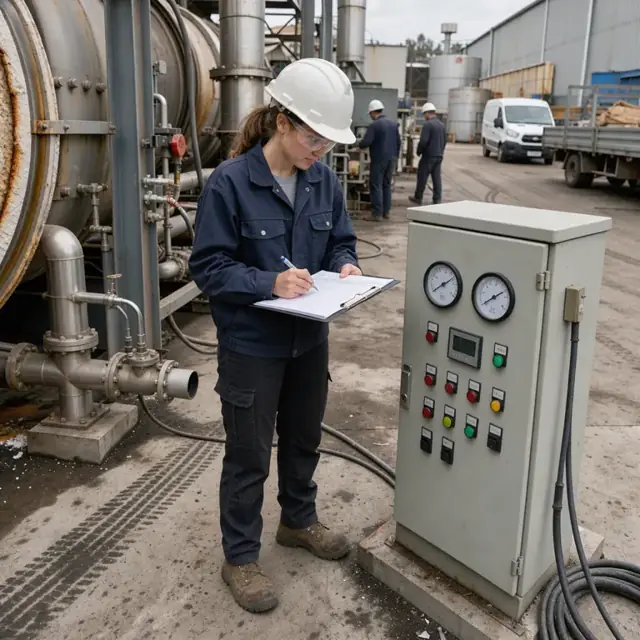
Compliance and Safety Clerk
Maintain kiln emissions logs, safety checklists and permit renewal tracking.
Works in: Ambitious Tasks, Ambitious Docs, Ambitious Sheets · Workflows: Permits, emissions and safety logs
Automates
- Generates daily kiln-run checklists
- Logs emissions readings and fuel consumption
- Tracks permit and insurance renewal dates
- Maintains current safety data sheets for additives
Stops for a person
- The kiln master confirms which local rules apply
- Inspections and corrective actions are handled by people
- The bot never certifies compliance
Workflows
Order intake and specification review
Starts when: A customer submits a purchase order or request for quote by email or portal
- Capture quantity, dimensions, material type, glaze or coating and any thermal or chemical requirements
- Check the order against standard shapes and current kiln availability
- Confirm delivery date against the production calendar and firing cycle
- Draft a specification sheet and pricing confirmation
- Create a production order task with all technical details attached
Watch for: Refractory orders often require exact chemical compatibility with customer processes; Large custom shapes may need engineering review before acceptance
Batch formulation and raw material preparation
Starts when: After order acceptance and before each production run
- Explode the order into required clay body formulas and additive percentages
- Pull current inventory of clays, grogs and additives and adjust for moisture content
- Draft the exact weigh-out and mixing instructions for each batch
- Schedule pug mill or mixer time and aging periods
- Flag any special mixing or screening steps for high-purity refractories
Watch for: Clay bodies must be aged correctly to reach proper plasticity; Cross-contamination between formulas must be prevented
Forming and mold scheduling
Starts when: After batch is prepared and ready for forming
- Assign orders to extrusion, pressing or hand-forming stations based on shape
- Check mold and die availability and condition
- Build a daily forming schedule with setup and changeover times
- Generate work orders with dimensions and tolerances for each station
- Track output and scrap rates from each forming method
Watch for: Molds wear and require periodic replacement; Extrusion dies must be cleaned between different clay bodies
Drying and kiln firing schedule
Starts when: When formed pieces are ready for drying
- Move greenware into drying racks or chambers on a timed schedule
- Create kiln loading plan with proper spacing and setter placement
- Build the exact firing curve including ramp rates, soak times and cooling
- Assign kiln and monitor thermocouple locations
- Generate the firing log template for each run
Watch for: Kiln schedules are dictated by material type and cannot overlap conflicting curves; Energy consumption and emissions must be logged per run
Finishing, inspection and testing
Starts when: After kiln cooling and unloading
- Schedule grinding, glazing or coating steps for each piece type
- Create inspection checklist for dimensions, cracks, warpage and surface defects
- Record results of water absorption, modulus of rupture and thermal shock tests
- Flag pieces that fail specifications for rework or scrap
- Attach test data to the order record before packaging
Watch for: Certain refractories require specific post-firing machining; Test samples must be retained for a defined period
Raw material inventory and purchasing
Starts when: Weekly and when stock falls below reorder points
- Review current clay, grog, additives and packaging inventory levels
- Forecast needs based on the production schedule
- Draft purchase orders for bulk clays and specialty additives
- Track aging of incoming clay shipments
- Log usage and waste from each production run
Watch for: Clays must be protected from weather and freezing; Some additives have limited shelf life
Packaging and shipping dispatch
Starts when: When tested and approved product is ready
- Group orders by customer and destination
- Generate packing lists with handling instructions for fragile refractories
- Draft bills of lading and shipping labels
- Schedule truck or container loading
- Record shipment confirmation and any damage notes
Watch for: Heavy pallets and crates require specific strapping and bracing; Some materials need moisture barrier packaging
Permits, emissions and safety logs
Starts when: Every kiln run, monthly and on renewal dates
- Generate daily kiln-run checklist for emissions monitoring and safety checks
- Log fuel use, stack emissions readings and thermocouple data
- Track kiln permit, operating license and insurance renewal dates
- Maintain current safety data sheets for all additives and binders
- Prepare summary reports for regulatory filings
Watch for: Kiln emissions rules differ by locality and stack height; The kiln master confirms which operating parameters apply
Bot templates for this industry
Source: U.S. Small Business Administration, Office of Size Standards, Table of Small Business Size Standards Matched to North American Industry Classification System Codes, version March 2023 (effective 2023-03-17, NAICS 2022). Size standards are shown for reference only.