

Other Pressed and Blown Glass and Glassware Manufacturing
Pressed and blown glass manufacturers produce custom and catalog glassware by melting raw materials in high-temperature furnaces, forming pieces through pressing, blowing, or casting, then annealing, finishing and inspecting. For a studio or shop that takes orders for custom blown vessels, cast sculptures and pressed tableware, the specialists turn customer requests into furnace-ready batch recipes and mold schedules, track refractory materials and cullet inventory, schedule annealing cycles and cold-working, manage delivery of fragile finished goods, and maintain furnace logs, safety records and quality checklists. The glassblower and furnace operator retain final decisions on glass chemistry, temperature curves and defect corrections.
What makes this business different
- High-temperature furnace schedules with precise melt, fining and working temperatures that run continuously or on multi-day campaigns
- Custom formulas for glass batches using silica, soda ash, limestone, cullet, colorants and opacifiers that must be weighed exactly
- Mold management including wooden, metal, graphite and refractory molds that require release agents, preheating and periodic replacement
- Annealing cycles in lehrs or kilns with controlled cooling ramps to prevent cracking, tracked by pyrometric cones or thermocouples
- Cold-working steps such as grinding, polishing, sandblasting, engraving and assembly that create dust and require ventilation
- Fragile goods handling, custom crating, impact testing and shipping with orientation labels and insurance
- Furnace refractory wear tracking, emission logs, waste cullet recycling and batch material safety data sheets
- Repeat orders for catalog items and seasonal runs for events, retail and architectural clients
Specialist bots

Order Engineer
Convert customer requests into precise production specifications and quotations.
Works in: Ambitious Tasks, Ambitious Docs, Contract Analyzer · Workflows: Order intake and specification
Automates
- Extracts dimensions, glass type, color and finishing requirements from incoming messages
- Checks against current furnace schedule and mold inventory
- Drafts quotations with lead-time estimates
- Creates the production task with attached drawings or references
Stops for a person
- The glassblower reviews and approves technical feasibility
- Any price or lead-time commitment is confirmed by the owner before sending

Batch Formulator
Calculate exact raw material weights for each glass melt and prepare batch tickets.
Works in: Ambitious Sheets, Ambitious Docs, Ambitious Tasks · Workflows: Batch formulation and raw material preparation
Automates
- Scales formulas to required melt tonnage
- Subtracts cullet and current stock levels
- Produces printed weighing sheets with lot traceability
- Flags formula changes that need test melts
Stops for a person
- The furnace operator verifies final batch composition before charging
- The owner approves any new colorant purchases
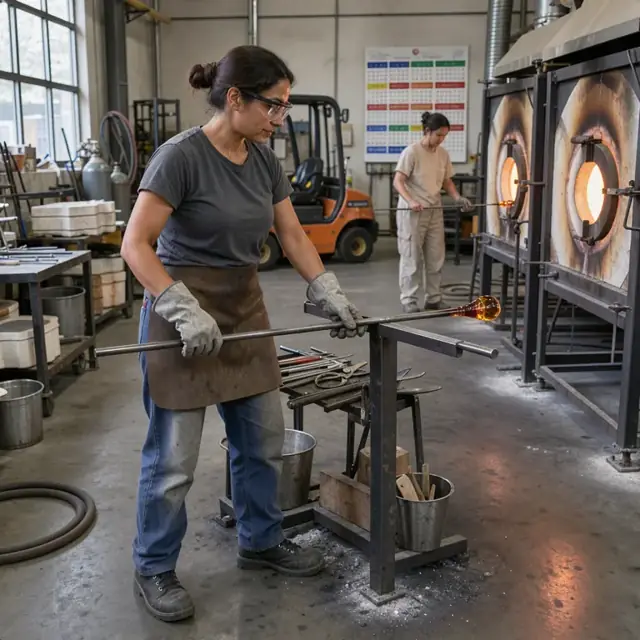
Furnace Scheduler
Align production orders to furnace campaigns, forming time and annealing capacity.
Works in: Ambitious Tasks, Process Optimizer · Workflows: Furnace and forming schedule
Automates
- Matches orders to furnace color and available hours
- Builds daily gather and blow schedules
- Reserves annealing kiln slots
- Forecasts refractory and colorant reorder points
Stops for a person
- The lead glassblower adjusts the schedule based on daily pull rates
- Campaign change decisions are made by the owner

Annealing and Finishing Coordinator
Manage controlled cooling programs and route pieces to appropriate cold-working stations.
Works in: Ambitious Tasks, Ambitious Docs, Ambitious Sheets · Workflows: Annealing and cold-working coordination
Automates
- Generates kiln programs based on thickness and glass type
- Creates post-anneal inspection checklists
- Assigns finishing steps and tracks consumable usage
- Logs pieces sent to rework or cullet
Stops for a person
- A person performs the visual strain inspection under polarized light
- The finisher confirms readiness before starting grinding or engraving

Mold and Refractory Clerk
Track mold condition, refractory wear and tool inventory across campaigns.
Works in: Ambitious Sheets, Ambitious Tasks, Ambitious Docs · Workflows: Mold, tool and refractory inventory
Automates
- Records usage cycles and wear for each mold
- Calculates remaining life of furnace refractories
- Generates reorder lists for consumables and release agents
- Maintains digital location and maintenance log
Stops for a person
- The owner approves all refractory repair or replacement spending
- Mold replacement decisions are made by the glassblower

Quality Inspector
Document inspection results, photographs and test data for each production batch.
Works in: Ambitious Docs, Ambitious Tasks, Ambitious Sheets · Workflows: Quality inspection and documentation
Automates
- Generates inspection sheets with required tolerances
- Organizes photographs of finished pieces
- Drafts certificates of conformance
- Routes non-conforming items for rework
Stops for a person
- A trained person performs and signs off on all visual and dimensional checks
- The owner reviews and approves any certificate before it is sent

Shipping and Crating Coordinator
Prepare packing lists, crates and shipping documents for fragile glass orders.
Works in: Ambitious Tasks, Ambitious Docs, Ambitious Sheets · Workflows: Packaging, crating and shipping
Automates
- Selects crate type based on piece dimensions and weight
- Generates packing lists and orientation labels
- Drafts commercial invoices
- Creates carrier pickup tasks with tracking
Stops for a person
- A person packs and cushions each piece before crating
- The owner confirms insurance values and signs shipping documents
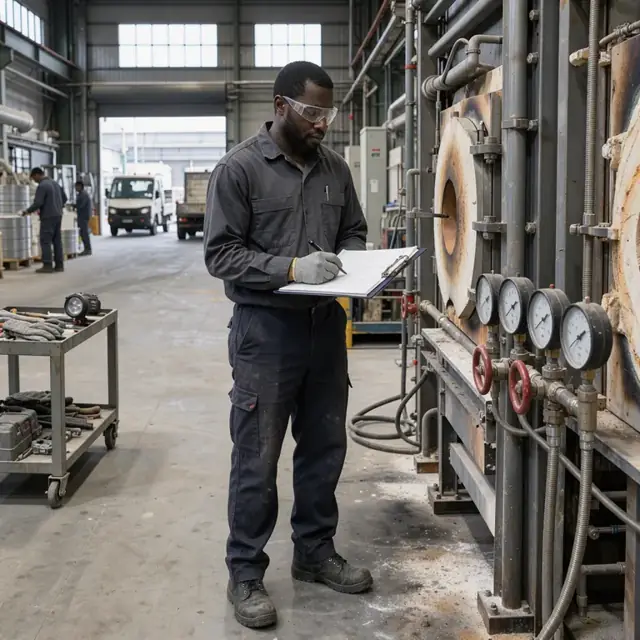
Safety and Permit Clerk
Maintain daily furnace safety checklists, emissions logs and permit renewal tracking.
Works in: Ambitious Tasks, Ambitious Docs, Ambitious Sheets · Workflows: Furnace safety, emissions and permit tracking
Automates
- Generates daily startup and shutdown checklists
- Logs operating hours, emissions readings and calibrations
- Tracks renewal dates for permits, licenses and operator cards
- Keeps material safety data sheets current and accessible
Stops for a person
- The furnace operator confirms which local rules and safety steps apply
- Inspections, repairs and any corrective actions are performed and signed by people
Workflows
Order intake and specification
Starts when: A customer submits a request by form, email, drawing or purchase order
- Capture dimensions, glass type, color, finish, quantity and any technical requirements
- Check feasibility against current furnace campaign, mold inventory and production calendar
- Draft a quotation with estimated lead time and glass batch cost factors
- Record any special packaging or testing needs
- Create a production task with engineering drawings or reference samples attached
Watch for: Glass color and clarity specifications must be captured exactly because small changes in formula alter final appearance; Architectural or performance glass may require third-party testing protocols
Batch formulation and raw material preparation
Starts when: After order confirmation and before each furnace fill
- Calculate raw material weights from the approved glass formula and total melt size
- Subtract available cullet and on-hand stock from each ingredient
- Generate scaled weighing sheets and mixing instructions
- Flag any colorant or additive changes that require separate test melts
- Print batch tickets with lot numbers and safety handling notes
Watch for: Moisture content of raw materials affects melt behavior and must be accounted for; Certain colorants and fining agents have shelf-life and reactivity limits
Furnace and forming schedule
Starts when: Weekly and at the start of each campaign
- Align confirmed orders to available furnace capacity and current glass color
- Create a daily pull schedule for gatherers and blowers with piece counts and weights
- Reserve time for mold preheating and color changes
- Forecast next cullet and refractory needs
- Use the construction scheduler to balance hot-working and annealing kiln loads
Watch for: Furnaces cannot be cooled quickly without damage, so color or job changes must be planned weeks ahead; Seasonal demand spikes for holiday and event glassware
Annealing and cold-working coordination
Starts when: Daily after forming and when pieces exit the lehr
- Log each piece or batch into the annealing kiln with ramp rates and hold times
- Generate inspection checklist for strain, cracks and surface defects after cooling
- Route acceptable pieces to grinding, polishing, engraving or assembly stations
- Track time and consumables used in each finishing step
- Flag pieces needing rework or scrap for cullet
Watch for: Annealing schedules vary significantly by glass thickness and composition; Dust from cold-working must be captured by dedicated ventilation systems
Mold, tool and refractory inventory
Starts when: Weekly and after each campaign
- Record mold usage, wear and release agent application
- Track graphite, metal and wooden molds against replacement thresholds
- Monitor refractory brick and crucible wear inside the furnace
- Forecast reorder quantities for consumables such as glory-hole blocks and blowpipes
- Maintain location and condition log for all tools and molds
Watch for: Molds expand, crack or lose detail with repeated heating cycles; Refractory repairs require furnace cooldown periods
Quality inspection and documentation
Starts when: After annealing and after finishing
- Create inspection sheets with dimensional, optical and cosmetic criteria
- Record test results for impact, thermal shock or light transmission when required
- Photograph representative pieces for customer approval
- Generate certificate of conformance drafts when requested
- Route non-conforming pieces to rework or scrap
Watch for: Certain contracts require traceable batch numbers and test reports; Optical glass or scientific ware has tighter tolerance bands than decorative pieces
Packaging, crating and shipping
Starts when: When an order passes final inspection
- Select appropriate foam, corrugated or wooden crate based on piece size and fragility
- Generate packing list, orientation labels and cushioning instructions
- Draft commercial invoice and any required declarations
- Schedule carrier pickup with tracking numbers
- Record delivery confirmation and any transit damage
Watch for: Glass is heavy and breakable so crate weight and stacking limits matter; International orders require specific material declarations for silica and lead content
Furnace safety, emissions and permit tracking
Starts when: Daily before heat-up, end of each campaign and on renewal dates
- Generate daily furnace startup checklist including leak checks, pressure verification and emergency shutdown readiness
- Log burner operation hours, stack emissions and thermocouple calibrations
- Track permit, license, insurance and operator certification renewal dates
- Maintain current safety data sheets for all batch materials and colorants
- Flag any required refractory repairs or ventilation system inspections
Watch for: High-temperature equipment and emissions rules differ by jurisdiction and require documented logs; The furnace operator confirms which safety and environmental requirements apply
Bot templates for this industry
Source: U.S. Small Business Administration, Office of Size Standards, Table of Small Business Size Standards Matched to North American Industry Classification System Codes, version March 2023 (effective 2023-03-17, NAICS 2022). Size standards are shown for reference only.