

Glass Container Manufacturing
Glass container manufacturers produce bottles and jars in high-temperature continuous or batch furnaces, form them on IS machines, anneal, inspect, and ship to beverage, food, and pharmaceutical customers. For a plant running dedicated or job-order runs, the specialists turn customer specs into mold orders and production schedules, raw batch formulas into furnace charges, output into quality-checked inventory, and finished goods into carrier loads. Furnace temperatures, mold maintenance, and quality sampling stay with the glass technologists and line supervisors.
What makes this business different
- High-temperature continuous furnace operation with strict batch chemistry and temperature profiles
- Mold design, ordering, maintenance and changeovers between production runs
- Continuous forming on individual section machines with precise gob weight and timing
- Annealing lehr control to prevent stress fractures
- Inline inspection plus statistical sampling for defects, wall thickness and dimensional tolerances
- Traceability from raw materials through furnace, forming, annealing and packaging for each lot
- Hazardous material handling for cullet, silica, soda ash and colorants with dust and heat controls
- Customer-specific packaging, pallet patterns and delivery windows
- Emissions, wastewater, recycling and safety reporting tied to furnace operation
- Permit and license renewals, equipment inspections and training records
Specialist bots

Order Engineer
Convert customer specifications into feasible production orders with mold and schedule impact.
Works in: Ambitious Docs, Ambitious Tasks, Contract Analyzer · Workflows: Order and specification intake
Automates
- Reads incoming purchase orders and specifications
- Matches requirements to existing molds and machine capabilities
- Flags needs for new molds or engineering changes
- Creates the master order task with full spec sheet
Stops for a person
- Glass engineer approves any new mold design or formula change
- Sales confirms pricing and delivery dates before commitment
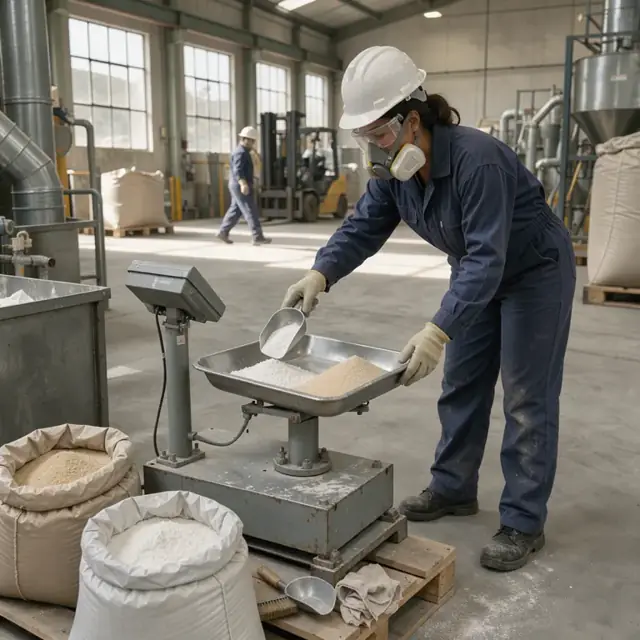
Batch Formulation Chemist
Calculate precise raw material weights for each furnace charge based on scheduled colors and recipes.
Works in: Ambitious Sheets, Ambitious Tasks · Workflows: Raw material batch formulation
Automates
- Pulls approved recipes for each glass color
- Adjusts weights for cullet quality and moisture
- Generates batch sheets for the batch house
- Flags any deviation from standard formulas
Stops for a person
- The furnace supervisor verifies each batch before charging
- Any recipe modification is approved by the plant glass technologist
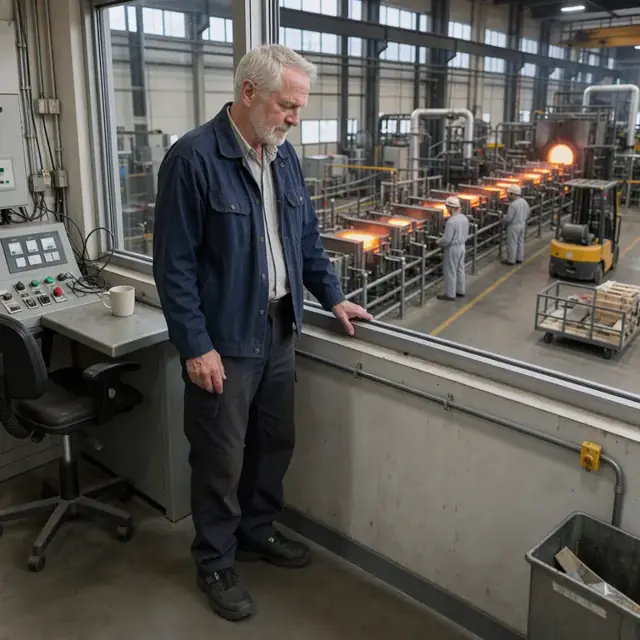
Production Scheduler
Build weekly furnace and IS machine schedules that respect campaign lengths and changeover constraints.
Works in: Ambitious Sheets, Ambitious Tasks · Workflows: Furnace and forming schedule
Automates
- Combines orders and forecast into machine assignments
- Calculates required pull rates and gob settings
- Schedules mold changes and color transitions
- Exports shift-ready schedules
Stops for a person
- The production manager approves the final weekly schedule
- Line supervisors can request adjustments for equipment condition

Quality Control Verifier
Compile inline inspection data, lab results and statistical trends to support release decisions.
Works in: Ambitious Sheets, Ambitious Tasks, Process Optimizer · Workflows: Inline and lab quality control
Automates
- Aggregates camera and manual test results by cavity and lot
- Updates control charts for wall thickness and defects
- Flags out-of-spec cartons for hold
- Prepares daily quality reports
Stops for a person
- The quality manager decides on release or rework of held product
- All critical defects are reviewed by a person before line restart
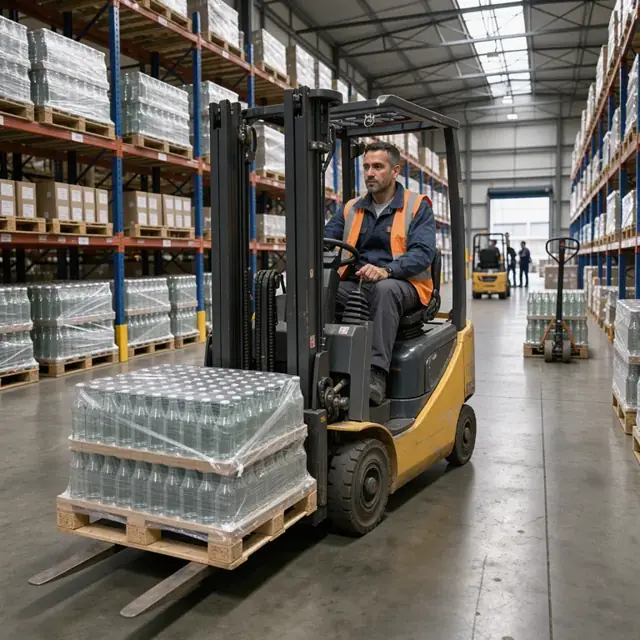
Inventory and Traceability Coordinator
Track raw materials, work-in-process and finished pallets while maintaining full lot traceability.
Works in: Ambitious Sheets, Ambitious Tasks · Workflows: Finished goods and raw material inventory
Automates
- Updates inventory from shift production and shipments
- Calculates cullet and yield metrics
- Generates reorder lists for raw materials
- Links each pallet to its production lot
Stops for a person
- Warehouse staff physically verifies counts during cycle counts
- The owner approves large raw material purchases
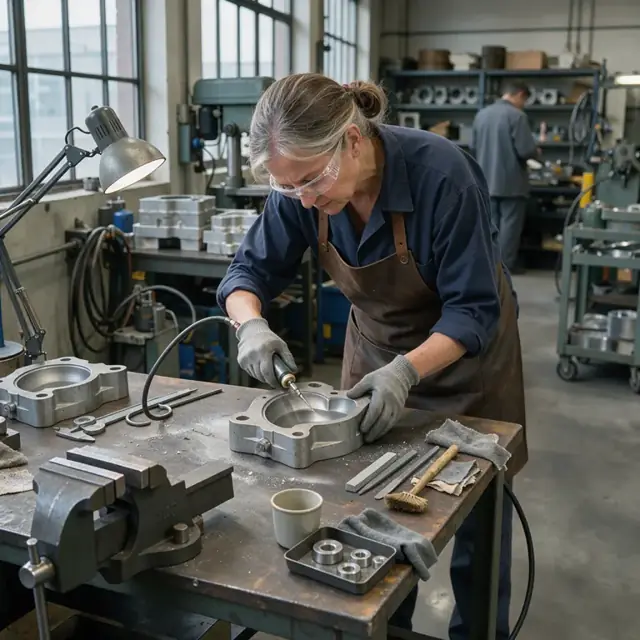
Mold Maintenance Specialist
Manage mold library, schedule repairs and verify dimensions after maintenance.
Works in: Ambitious Tasks, Ambitious Docs, Ambitious Sheets · Workflows: Mold ordering and maintenance
Automates
- Checks availability of existing molds
- Drafts orders for new or refurbished molds
- Schedules maintenance during planned changeovers
- Records dimensional checks after repair
Stops for a person
- Tooling supervisor approves all mold purchases and major repairs
- Forming department confirms mold readiness before installation

Shipping Dispatcher
Coordinate outbound loads, prepare shipping documents and track carrier performance.
Works in: Ambitious Tasks, Ambitious Docs, Email Buckets · Workflows: Shipping and carrier coordination
Automates
- Groups pallets by customer and destination
- Generates bills of lading and load lists
- Schedules carrier pickups within windows
- Records shipment details and performance
Stops for a person
- The shipping supervisor verifies load securement and paperwork
- Customer service approves any changes to delivery dates
Compliance and Reporting Clerk
Maintain operating logs, compile data for emissions and permit reports and track renewal dates.
Works in: Ambitious Tasks, Ambitious Sheets, Ambitious Docs · Workflows: Emissions, safety and permit tracking
Automates
- Compiles daily furnace and emission data
- Tracks permit and inspection deadlines
- Generates draft monthly and annual reports
- Maintains training and safety records
Stops for a person
- The environmental manager reviews and signs all regulatory submissions
- Plant leadership confirms accuracy of reported numbers before filing
Workflows
Order and specification intake
Starts when: Customer purchase order or forecast arrives by email or portal
- Extract bottle type, capacity, finish, color, decoration and quantity
- Check against current mold inventory and available machine time
- Draft production feasibility note for engineering review
- Create order task with full specification sheet attached
- Confirm delivery window and packaging requirements
- Flag any needs for new molds or color changes
Watch for: New molds or modifications must be approved before scheduling; Color changes require furnace purge time that affects capacity
Raw material batch formulation
Starts when: Weekly production schedule is locked
- Pull recipes for each glass color and type scheduled
- Calculate exact weights of silica, soda ash, limestone, cullet and additives
- Adjust for measured cullet quality and moisture
- Generate batch sheets for each furnace charge
- Flag any changes to approved formulas
- Create tasks for batch house preparation
Watch for: Batch chemistry directly affects melting, color and workability; Cullet ratio is maximized but must stay within quality limits
Furnace and forming schedule
Starts when: End of each week for the following week
- Combine open orders with forecast demand
- Assign colors and jobs to available IS machines and furnace ports
- Calculate required furnace pull rate and gob weight settings
- Schedule mold changes and color transitions
- Export schedule to line supervisors
- Update annealing lehr and inspection parameters
Watch for: Furnace campaigns run for months; color and job changes are minimized; Machine speed and section efficiency determine daily output
Inline and lab quality control
Starts when: Every production shift
- Record automatic camera inspection results by cavity
- Schedule manual sampling for wall thickness, weight and pressure tests
- Log defects by type and cavity
- Hold suspect cartons and draft release or rework decisions
- Update statistical process control charts
- Maintain lot traceability from furnace to pallet
Watch for: Certain defects require immediate line stoppage; Traceability must link every pallet to furnace, machine and time
Finished goods and raw material inventory
Starts when: End of each shift and weekly
- Update pallet counts from production and shipping
- Track raw material silos and batch house inventory
- Calculate yield from cullet and finished goods
- Flag low-stock items for reorder
- Maintain lot traceability records
- Generate inventory reports for cycle counts
Watch for: Warehouse space is limited; pallets must ship on schedule; Cullet storage must be kept clean and dry
Mold ordering and maintenance
Starts when: New order requires unavailable mold or on preventive schedule
- Check mold library for existing equipment
- Draft purchase order for new or refurbished molds
- Schedule cleaning, polishing and repair during changeovers
- Verify dimensions after maintenance
- Update mold status in the production schedule
- Track mold life cycles and wear patterns
Watch for: Molds are expensive and wear with each cycle; Changeover time directly reduces available forming hours
Shipping and carrier coordination
Starts when: When finished goods reach customer release date
- Group pallets by customer and destination
- Draft bills of lading and packing lists
- Schedule truck or rail pickup within customer window
- Record carrier information and seal numbers
- Track on-time delivery performance
- Confirm customer-specific pallet patterns and packaging
Watch for: Glass is heavy and fragile; loading patterns must prevent damage; Certain customers require specific pallet heights or stretch-wrap methods
Emissions, safety and permit tracking
Starts when: Daily operation and on regulatory deadlines
- Compile daily furnace operating hours and fuel use
- Log stack emission readings and wastewater discharge
- Track permit, license and inspection due dates
- Generate required monthly and annual reports for review
- Maintain training and lockout-tagout records
- Prepare documentation for unannounced inspections
Watch for: Furnace emissions are strictly regulated; All logs must be ready for unannounced inspections
Bot templates for this industry
- Glass Container Manufacturing (8 bots)
Source: U.S. Small Business Administration, Office of Size Standards, Table of Small Business Size Standards Matched to North American Industry Classification System Codes, version March 2023 (effective 2023-03-17, NAICS 2022). Size standards are shown for reference only.