

Cement Manufacturing
Cement manufacturers produce Portland and specialty cements by receiving raw materials such as limestone, clay, sand and gypsum, then processing them through crushing, grinding, blending, kiln firing and milling stages before packaging or bulk loading the finished product for shipment. For a plant that receives these materials by truck or rail and ships bagged or bulk cement by tanker or flatbed, the specialists turn raw-material deliveries and production orders into daily run schedules, monitor kiln and mill parameters, track inventory of clinker and finished cement, generate shipping manifests, and maintain logs for emissions, dust control and material certifications. Recipes, kiln chemistry and regulatory reporting stay with the plant manager and engineers.
What makes this business different
- Continuous 24/7 kiln operation with scheduled maintenance outages planned months in advance
- Precise raw-material chemistry and particle-size specifications that must be verified before feeding the kiln
- High-temperature kiln and mill monitoring with automatic and manual data logging
- Bulk and bag inventory management with silo levels, packhouse counts and FIFO rotation
- Truck, rail and barge loading with weight tickets, moisture checks and sealed manifests
- Air, water and waste permits, continuous emissions monitoring, dust-control logs and material-test reports
- Coordination with quarries, rail carriers, concrete plants and distributors on delivery windows and order volumes
- Seasonal demand swings that peak in spring and summer construction months
Specialist bots

Raw Material Receiver
Turn every incoming raw-material delivery into verified inventory with test results.
Works in: Ambitious Tasks, Ambitious Sheets, Ambitious Docs · Workflows: Raw material receipt and verification
Automates
- Reads delivery tickets and supplier manifests
- Logs weights and material types
- Creates sampling tasks and records lab results
- Updates stockpile and silo inventory
- Flags out-of-spec loads for rejection
Stops for a person
- The lab technician or engineer approves chemistry results
- The plant manager decides on rejected loads
- A person signs off on scale tickets before unloading

Production Scheduler
Convert customer orders and inventory targets into daily kiln feed and mill run schedules.
Works in: Ambitious Sheets, Process Optimizer, Ambitious Tasks · Workflows: Daily production and kiln scheduling
Automates
- Pulls open orders and current inventory levels
- Builds 24-hour kiln and mill schedules by cement type
- Factors maintenance windows and fuel availability
- Creates operator parameter target sheets
Stops for a person
- The production manager approves the final daily schedule
- The chief engineer reviews chemistry setpoints

Process Monitor
Watch live kiln and mill data against targets and generate shift logs.
Works in: Ambitious Tasks, Ambitious Sheets, Ambitious Docs · Workflows: Kiln and mill process monitoring
Automates
- Pulls sensor data every few minutes
- Compares readings to setpoints and trends
- Flags deviations for operator attention
- Compiles hourly and shift log entries
Stops for a person
- The control-room operator verifies and annotates every flagged deviation
- The plant engineer reviews daily trend reports
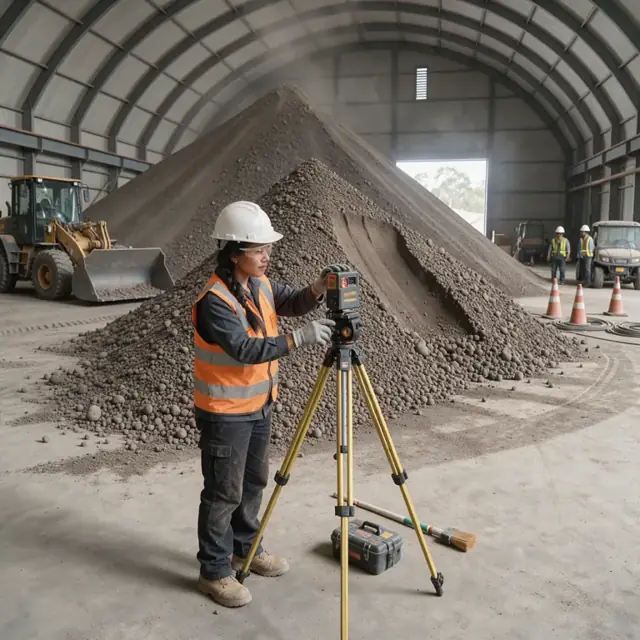
Inventory and Stock Tracker
Maintain accurate silo, clinker and finished-cement inventory and forecast reorder needs.
Works in: Ambitious Sheets, Ambitious Tasks · Workflows: Clinker, cement and additive inventory
Automates
- Records daily silo level measurements
- Calculates production minus shipments
- Tracks days-of-supply for each material
- Generates reorder alerts at defined thresholds
Stops for a person
- The plant manager confirms all reorder quantities and timing
- Physical inventory counts are performed and approved by people
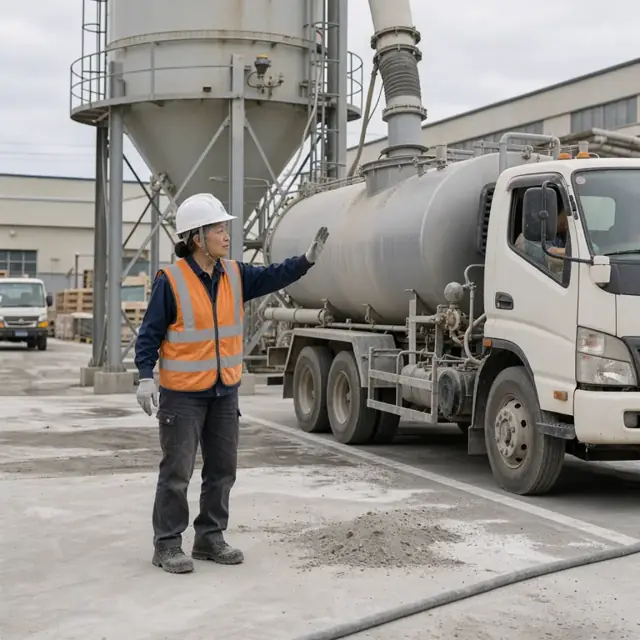
Load and Shipping Coordinator
Turn customer orders into scheduled loads, weight tickets and shipping manifests.
Works in: Ambitious Tasks, Ambitious Docs, Ambitious Sheets · Workflows: Order fulfillment and loading
Automates
- Checks order against current inventory
- Books loading windows with carriers
- Generates load tickets and bills of lading
- Records scale weights and prints manifests
Stops for a person
- The loader confirms tanker cleanliness before filling
- The plant manager or quality engineer approves certificates of analysis
- A person signs every shipping document

Compliance and Emissions Clerk
Assemble daily emissions logs, permit checklists and monthly reports for review.
Works in: Ambitious Docs, Ambitious Sheets, Ambitious Tasks · Workflows: Emissions, safety and permit logging
Automates
- Pulls data from continuous emissions monitors
- Compiles required daily and monthly logs
- Tracks permit and test due dates
- Assembles report packages
Stops for a person
- The environmental manager reviews and signs every report
- The plant manager confirms which local requirements apply
- All submissions to agencies are made by people

Maintenance Planner
Build weekly preventive-maintenance lists and detailed outage schedules.
Works in: Ambitious Tasks, Ambitious Sheets, Process Optimizer · Workflows: Maintenance and outage planning
Automates
- Tracks equipment run hours against intervals
- Generates weekly task lists
- Builds step-by-step outage schedules
- Flags parts and contractor needs
Stops for a person
- The maintenance manager approves all work orders and schedules
- The plant manager authorizes major outage dates and budgets
Workflows
Raw material receipt and verification
Starts when: Supplier truck, railcar or barge arrives at the plant gate
- Capture delivery ticket, supplier, material type and weight
- Sample and test incoming limestone, clay, sand, gypsum or fly ash against chemistry and moisture specs
- Record test results and approve or reject the load
- Direct the material to the correct stockpile or silo
- Update inventory sheets and trigger reorder alerts
Watch for: Chemistry must match the plant's raw-mix design exactly; Moisture content affects grinding and kiln fuel use
Daily production and kiln scheduling
Starts when: End of previous shift and weekly forecast update
- Review open customer orders and target production volumes
- Build the 24-hour kiln feed, fuel and temperature schedule
- Allocate raw mills, kilns and finish mills to specific cement types
- Factor in planned maintenance or weather-related outages
- Create operator task lists with target parameters
Watch for: Kiln must stay within narrow temperature and chemistry bands; Switching cement types requires purge runs and lost production
Kiln and mill process monitoring
Starts when: Every shift and on continuous sensor data
- Pull live data from kiln, preheater, cooler and mill sensors
- Compare readings against target setpoints and historical trends
- Flag deviations in fuel rate, oxygen, feed rate or fineness
- Generate hourly log entries for temperature, pressure and chemistry
- Draft shift notes for the control-room operator
Watch for: Any deviation can produce off-spec clinker or increase emissions; Manual logs must match automated continuous emissions monitoring system data
Clinker, cement and additive inventory
Starts when: End of each shift and weekly
- Measure silo and stockpile levels by radar, manual dip or laser
- Calculate daily production minus shipments
- Track clinker, finished cement, gypsum and slag inventories
- Forecast days-of-supply and trigger raw-material or product orders
- Maintain FIFO rotation for bagged product
Watch for: Cement must be kept dry and free of contamination; Clinker inventory directly limits kiln runtime
Order fulfillment and loading
Starts when: Customer places bulk or bag order
- Confirm order against current inventory and production schedule
- Schedule truck, rail or barge loading window
- Generate load ticket with weights, cement type and certifications
- Record scale weights before and after loading
- Print or transmit manifest and bill of lading
Watch for: Tankers must be clean and dry before loading; Each load needs a certificate of analysis matching the batch
Emissions, safety and permit logging
Starts when: Daily, monthly and on permit renewal dates
- Compile daily emissions, opacity and dust-collector data
- Generate required logs for kiln fuel, raw materials and waste
- Track stack-test results, baghouse differential pressures and water-use reports
- Flag upcoming permit, license or test deadlines
- Assemble monthly and quarterly reports for review
Watch for: Local, state and federal rules differ by plant location and kiln type; Continuous emissions monitors must stay calibrated and verified
Maintenance and outage planning
Starts when: Weekly and before planned outages
- Review kiln and mill run hours against maintenance intervals
- Build the weekly preventive-maintenance task list
- Draft the detailed shutdown schedule for major outages
- Reserve parts and contractor services
- Track completion and update equipment history
Watch for: Kiln brick relining and major repairs require months of lead time; Any outage reduces monthly production totals
Bot templates for this industry
- Cement Manufacturing (7 bots)
Source: U.S. Small Business Administration, Office of Size Standards, Table of Small Business Size Standards Matched to North American Industry Classification System Codes, version March 2023 (effective 2023-03-17, NAICS 2022). Size standards are shown for reference only.