

Concrete Block and Brick Manufacturing
Concrete block and brick manufacturers produce standard and custom masonry units using mix designs, molds, presses, curing chambers or racks, and palletizing for shipment. For a plant that receives orders for blocks, bricks, pavers and retaining-wall units, the specialists turn customer specs into approved mix and mold schedules, raw-material orders, curing plans, then into loading sequences and delivery routes. Mix recipes, quality-test results, safety procedures and regulatory filings stay with the production manager.
What makes this business different
- Custom orders specifying color, strength, texture, size and special shapes that must match approved samples before production
- Mix designs and aggregate ratios locked per product type with moisture, temperature and curing sensitivity
- Daily production runs on molds, presses and curing chambers with strict cycle times and changeover minimization
- Raw materials including cement, sand, gravel, admixtures and pigments ordered in bulk with just-in-time delivery to match silo and bin capacity
- Curing schedules using steam, heat or ambient racks that directly affect final strength, color and quality
- Quality testing for compression, absorption and dimensional tolerance with retained samples and disposition of failures
- Palletizing, banding, yard inventory tracking and load-out for truck or job-site delivery
- OSHA safety logs, dust control, washout containment, stormwater and air-quality permits tracked on recurring schedules
- Repeat commercial and residential customers who reorder standard units on standing purchase orders
Specialist bots

Order Intake Specialist
Convert customer orders and specifications into production-ready tasks with verified details.
Works in: Ambitious Tasks, Ambitious Docs, Email Buckets · Workflows: Order intake and specification review
Automates
- Reads incoming purchase orders and quote requests
- Extracts product type, quantity, color, strength, texture and custom requirements
- Checks against current molds, approved mixes and production calendar
- Drafts order acknowledgment with terms
- Creates the production task with sample references
Stops for a person
- Production manager approves custom colors, shapes, non-standard strengths and sample matches
- A person sends final acknowledgments and handles pricing exceptions
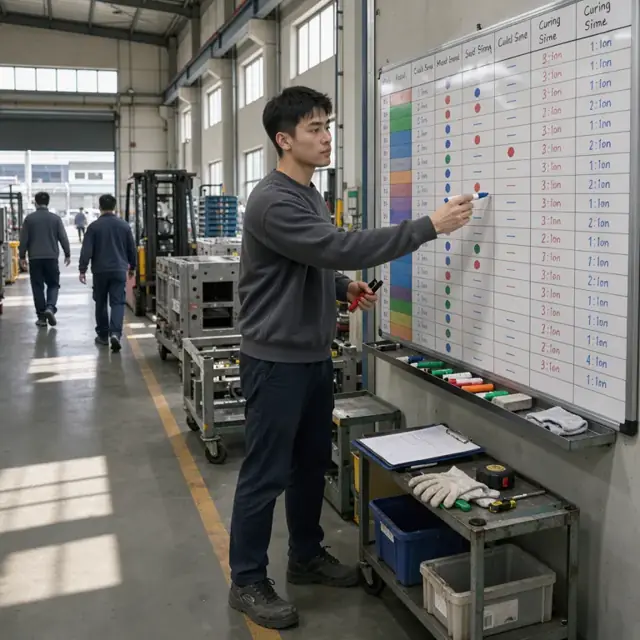
Production Scheduler
Turn open orders into daily machine, mold and curing schedules that respect capacity.
Works in: Ambitious Tasks, Process Optimizer · Workflows: Daily production scheduling
Automates
- Prioritizes orders by due date and changeover time
- Assigns mix designs, mold types and press runs
- Calculates batch sizes and curing cycles
- Flags required quality sampling points
Stops for a person
- Production manager adjusts run order and approves the full schedule
- Any schedule changes that affect customer dates require owner approval
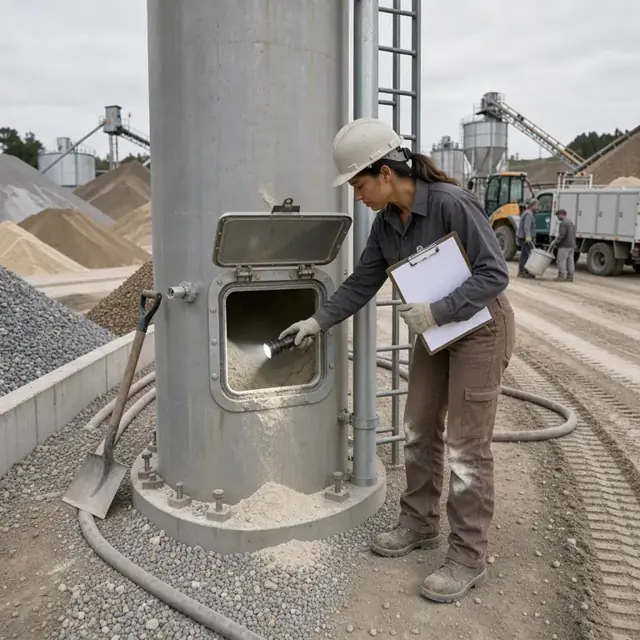
Raw Materials Coordinator
Convert production schedules into accurate raw-material orders while maintaining stock levels.
Works in: Ambitious Sheets, Ambitious Tasks · Workflows: Raw material purchasing and inventory
Automates
- Explodes schedule into cement, sand, gravel, pigment and admixture quantities
- Subtracts current inventory from silos and bins
- Drafts purchase orders by supplier with delivery windows
- Adjusts for aggregate moisture content
- Tracks waste, returns and washout volumes
Stops for a person
- Purchasing decisions and spending are approved by a person
- Material substitutions require production manager sign-off
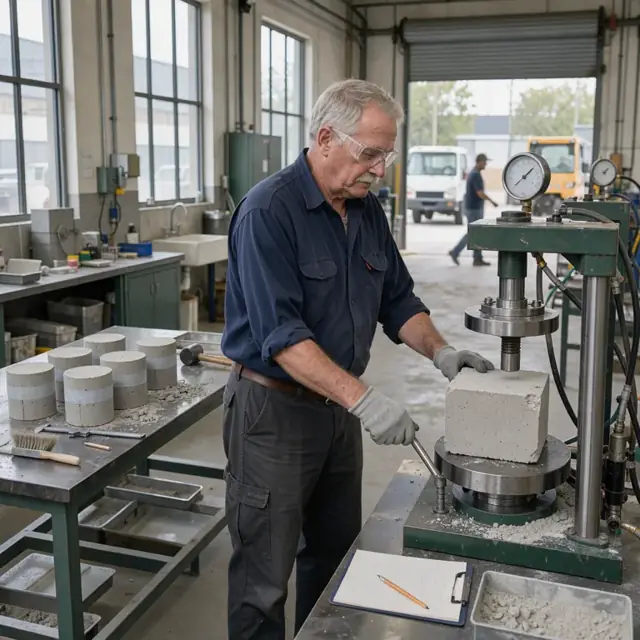
Quality Control Verifier
Run product testing schedules, record results and track samples against specifications.
Works in: Ambitious Tasks, Ambitious Sheets, Ambitious Docs · Workflows: Quality testing and compliance logging
Automates
- Generates daily test checklists
- Logs compression, absorption and dimensional results
- Tracks sample locations and retention periods
- Flags non-conforming units and required disposition
- Prepares draft certificates of conformance
Stops for a person
- Production manager reviews and signs off on all test failures and dispositions
- Final certificates are approved by a person before shipment

Curing Coordinator
Assign units to proper racks or kilns and track completion before yard transfer.
Works in: Ambitious Tasks, Ambitious Sheets · Workflows: Curing and finishing schedule
Automates
- Assigns blocks to curing areas based on mix design and requirements
- Sets and monitors timed cure cycles with temperature logs
- Tracks when units reach required strength
- Schedules secondary finishing steps
- Updates inventory status after verification
Stops for a person
- Production manager confirms cure parameters for new mixes
- Any early demolding or schedule changes are made by a person

Shipping and Inventory Coordinator
Manage yard inventory, palletize orders and prepare accurate load and delivery documents.
Works in: Ambitious Tasks, Ambitious Docs, Ambitious Sheets · Workflows: Inventory, palletizing and shipping
Automates
- Tracks cured inventory by yard location
- Builds pallet quantities per order and stacking rules
- Generates bills of lading and load sheets
- Drafts delivery routes and appointments
- Records load-out details and any adjustments
Stops for a person
- Drivers and loaders confirm final load security, counts and securement
- All shipping documents are approved by a person before trucks leave the gate

Safety and Permit Clerk
Maintain daily safety checklists, environmental logs and permit renewal tracking.
Works in: Ambitious Tasks, Ambitious Docs, Ambitious Sheets · Workflows: Safety, environmental and permit tracking
Automates
- Generates shift safety, dust-control and washout checklists
- Logs stormwater, air-quality and containment observations
- Tracks permit, insurance and certification due dates
- Maintains current safety data sheets
- Prepares summary logs for review
Stops for a person
- The production manager confirms which local environmental rules and permits apply
- Inspections, corrective actions and filings are performed by people
- The bot never certifies compliance
Workflows
Order intake and specification review
Starts when: A customer submits a purchase order, quote request or standing order update
- Capture quantity, product type, color, strength rating, texture, special shapes and any job-site requirements
- Check against current mold availability, approved mix recipes and production calendar
- Confirm delivery or pickup date against curing and shipping capacity
- Draft order acknowledgment with pricing and terms for review
- Create a production-ready order task with full specifications and sample references
Watch for: Custom colors, shapes and strengths require approved physical samples before production begins; Changes after order lock must be approved by the production manager
Daily production scheduling
Starts when: End of previous shift or start of new production day
- Review open orders and prioritize by due date, mold changeover time and curing availability
- Assign mix designs, mold types, press or block machine runs and batch sizes
- Calculate required raw materials and draft batch tickets
- Schedule curing rack, kiln or ambient cycles based on product type
- Flag quality-test sampling requirements for each run
Watch for: Mold changeovers consume production time and must be minimized through grouping; Curing capacity limits simultaneous runs of different mix designs
Raw material purchasing and inventory
Starts when: After production schedule is locked and on a weekly cadence
- Explode scheduled production into cement, aggregate, pigment and admixture requirements by mix design
- Subtract current silo, bin and stock levels
- Draft purchase orders by supplier with delivery windows
- Adjust for aggregate moisture content and temperature
- Log returns, waste, washout volumes and silo overflow risks
Watch for: Cement and aggregates must be ordered to match silo and bin capacity without overflow; Admixtures and pigments have shelf-life considerations and must be tracked
Quality testing and compliance logging
Starts when: After each production run and on fixed test intervals
- Generate daily test checklist for compression, absorption, dimensional tolerance and visual inspection
- Record results from lab or field tests against required tolerances
- Retain sample identification, storage location and chain of custody
- Track any non-conforming units and required disposition
- Draft certificates of conformance for review before shipment
Watch for: Test frequencies are set by product type, ASTM standards and customer specification; Failed tests require production manager review and decision before further runs
Curing and finishing schedule
Starts when: After blocks are demolded each shift
- Assign units to curing racks, kilns or ambient areas per mix design and requirements
- Set timed steam, heat or ambient cycles with temperature and humidity monitoring
- Track cure completion, strength verification and move to yard or packaging
- Flag units needing secondary processes such as splitting, tumbling or sealing
- Update inventory status once curing is verified
Watch for: Cure times vary significantly by temperature, humidity and mix design; Overcrowding racks or kilns risks product damage or inconsistent strength
Inventory, palletizing and shipping
Starts when: After curing completion and before each outbound load
- Move cured units to yard inventory with precise location tracking
- Build pallets or cubes according to order quantities, stacking rules and weight limits
- Generate load sheets, bills of lading and packing lists
- Draft delivery routes or pickup appointments with time windows
- Record any damage, shortages or adjustments at load-out
Watch for: Weight limits per truck, securement requirements and driver certifications apply; Job-site delivery windows must be coordinated with customer schedules
Safety, environmental and permit tracking
Starts when: Daily at shift start, weekly for inspections and on renewal dates
- Generate daily safety, dust-control and washout checklist
- Log stormwater, air-quality, washout containment and dust-collection observations
- Track expiration of permits, insurance, operator certifications and equipment inspections
- Maintain material safety data sheets for all admixtures, pigments and chemicals
- Prepare summary logs and reports for regulatory review
Watch for: Local, state and federal environmental rules vary by plant location and must be confirmed; The production manager confirms which permits, logs and filings apply
Bot templates for this industry
Source: U.S. Small Business Administration, Office of Size Standards, Table of Small Business Size Standards Matched to North American Industry Classification System Codes, version March 2023 (effective 2023-03-17, NAICS 2022). Size standards are shown for reference only.