

Lime Manufacturing
Lime manufacturers quarry or purchase stone, feed rotary or vertical kilns to produce quicklime and hydrated lime, then package and ship bulk or bagged product to customers in construction, steel, water treatment and agriculture. The specialists convert stone deliveries and customer orders into kiln feed schedules, monitor burn temperatures and residence times, manage fuel and reagent inventory, generate batch and quality-test records, schedule truck and rail loads, and track permits for air emissions, dust control and quarry operations. The kiln operator retains final authority on process adjustments, safety interlocks and product quality calls.
What makes this business different
- Continuous or batch kiln operation with strict temperature, fuel-air ratio and stone feed rate parameters
- Raw stone quality testing for chemistry, size and moisture before kiln entry
- High-temperature refractory maintenance and kiln downtime scheduling
- Fuel (natural gas, coal, petroleum coke) and electricity consumption tracking with seasonal price swings
- Product reactivity, fineness and chemical assay testing with retained samples
- Bulk truck, railcar and barge loading with dust suppression and moisture control
- Air permit emissions monitoring, dust-fall sampling, water-quality runoff logs and quarry reclamation plans
- Seasonal demand peaks from construction and water-treatment customers requiring inventory buildup
Specialist bots
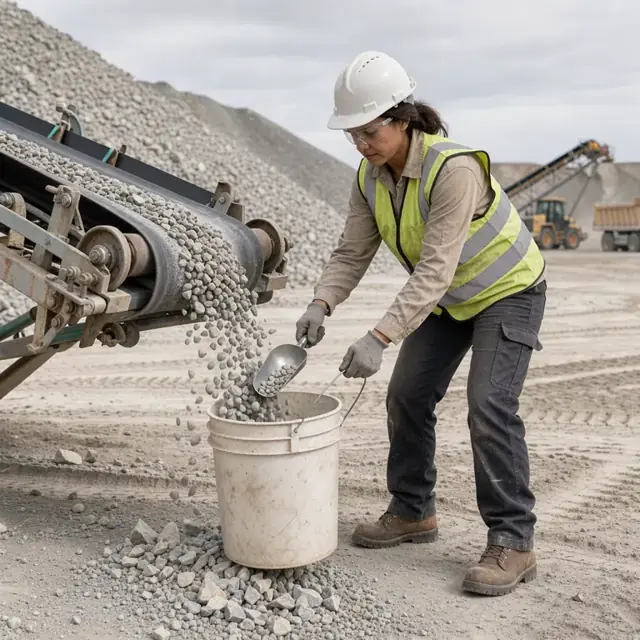
Stone Receiving Inspector
Verify incoming stone quality, create sampling tasks and update raw material inventory records.
Works in: Ambitious Tasks, Ambitious Sheets, Ambitious Docs · Workflows: Stone receiving and quality verification
Automates
- Reads delivery tickets and records weights and source data
- Creates sampling tasks and test templates
- Updates stockpile inventory by grade once approved
- Flags out-of-spec loads for separate handling
Stops for a person
- The quarry or kiln operator decides on load acceptance or rejection
- A person performs the actual laboratory tests on samples

Kiln Feed and Burn Planner
Convert orders and inventory targets into daily kiln feed rates, temperatures and fuel settings.
Works in: Process Optimizer, Ambitious Sheets, Ambitious Tasks · Workflows: Kiln feed and burn scheduling
Automates
- Calculates required stone feed and fuel demand
- Sequences feed grades and drafts operating parameters
- Builds the daily burn schedule and predicts output
- Highlights watch-fors for gradual changes to protect refractory
Stops for a person
- The kiln operator reviews and approves all parameter changes
- A person makes physical adjustments at the control panel

Product Quality Technician
Schedule and record laboratory tests on each kiln run, build batch records and flag off-spec material.
Works in: Ambitious Tasks, Ambitious Sheets, Ambitious Docs · Workflows: Product quality testing and batch records
Automates
- Creates sampling and test tasks for each batch
- Records test results in batch records
- Compares results to customer specifications the owner confirms
- Generates labels for retained samples and flags nonconforming product
Stops for a person
- The laboratory technician runs the actual reactivity and assay tests
- The quality manager reviews and signs all certificates of analysis

Inventory and Fuel Coordinator
Track lime, fuel, reagents and parts inventory, calculate consumption and generate reorder lists.
Works in: Ambitious Sheets, Ambitious Tasks · Workflows: Inventory, fuel and reagent tracking
Automates
- Updates silo and stockpile levels from production and shipments
- Calculates daily consumption rates and yield losses
- Forecasts fuel, bag and reagent needs
- Creates supplier reorder tasks
Stops for a person
- The owner approves all purchase orders and spending
- A person physically measures silo levels with tape or radar

Loadout and Shipping Dispatcher
Convert customer orders into scheduled bulk or bagged loadouts and prepare shipping documents.
Works in: Ambitious Tasks, Ambitious Docs, Contract Analyzer · Workflows: Order processing and loadout scheduling
Automates
- Reads incoming purchase orders
- Matches orders to inventory, production schedule and quality records
- Books loading slots and drafts bills of lading
- Prepares certificate of analysis and safety data sheet drafts
Stops for a person
- The loader confirms actual loaded weight and product condition
- A person reviews and signs every shipping document before release
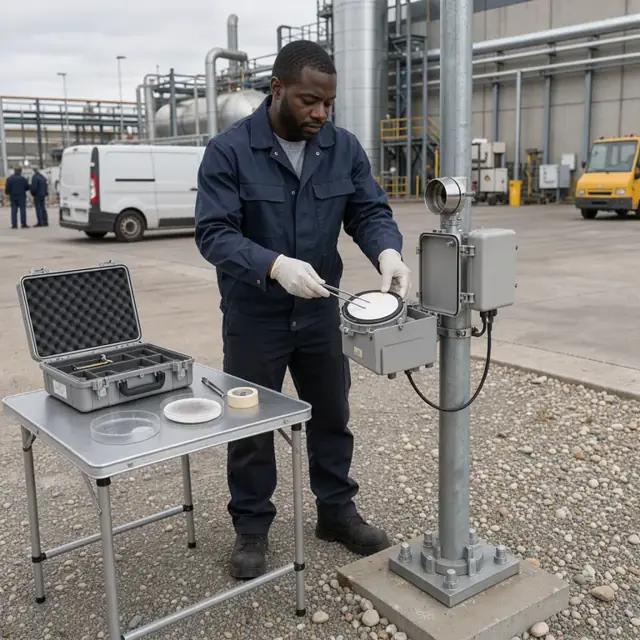
Emissions and Permit Clerk
Collect monitoring data, maintain daily logs and track permit renewal dates for owner review.
Works in: Ambitious Sheets, Ambitious Tasks, Ambitious Docs · Workflows: Emissions, dust and permit monitoring
Automates
- Pulls data from stack monitors into summary sheets
- Generates daily dust and water-spray logs
- Tracks operating hours and fuel use
- Lists upcoming permit and reporting deadlines
Stops for a person
- The environmental manager confirms which local rules apply and reviews all reports
- People perform physical dust jar collection and corrective actions

Maintenance and Refractory Planner
Forecast kiln maintenance needs, build outage schedules and coordinate parts and contractors.
Works in: Ambitious Tasks, Ambitious Sheets, Process Optimizer · Workflows: Kiln maintenance and refractory scheduling
Automates
- Tracks kiln runtime and condition data
- Forecasts refractory replacement intervals
- Builds detailed outage task lists
- Schedules parts delivery and contractor visits
Stops for a person
- The maintenance manager approves all shutdown dates and work scopes
- A person performs and signs off on all physical repairs
Workflows
Stone receiving and quality verification
Starts when: Supplier delivery or quarry truck arrival
- Record delivery weight, source and ticket information
- Create sampling task and test template for chemistry, gradation, moisture and contaminants
- Update inventory records with new stock by quality grade once approved
- Flag any rejected loads for return or separate handling
Watch for: Stone must meet kiln feed size and chemistry specs or it damages refractory; Moisture content affects fuel consumption and must be measured on arrival
Kiln feed and burn scheduling
Starts when: Daily before each shift and after major order changes
- Review open customer orders, current inventory and production targets by lime type
- Calculate required stone feed rate, fuel demand, expected output and yield
- Sequence stone grades for the feed hopper or conveyor
- Draft operating parameters for kiln rotation speed, temperature zones, draft and fuel-air ratio
- Generate the daily burn plan with watch-fors for refractory protection
Watch for: Kiln must stay within narrow temperature band to avoid underburn or overburn; Fuel switches or stone changes require gradual ramp to protect refractory
Product quality testing and batch records
Starts when: Each kiln discharge or hydration batch
- Create sampling and test tasks for each run
- Record reactivity, chemical assay, fineness and moisture results against specifications
- Generate batch record with test data and retained sample labels
- Flag off-spec material for reprocessing, downgrade or disposal
- Update customer-specific compliance sheets with approved results
Watch for: Reactivity and available lime index are critical for water-treatment and steel customers; Test frequency and methods follow ASTM standards the owner confirms
Inventory, fuel and reagent tracking
Starts when: Daily at shift end and weekly for forecasts
- Update quicklime, hydrated lime, byproduct and raw stone stockpiles from production and shipments
- Track fuel, refractory parts, bag and reagent levels against consumption rates
- Calculate yield from stone to finished lime and log losses or dust
- Generate reorder lists and forecast needs based on burn rate and upcoming orders
- Flag any moisture exposure risks for lime in storage
Watch for: Lime reacts with moisture and must be kept dry in silos and bags; Fuel prices fluctuate seasonally and affect production cost
Order processing and loadout scheduling
Starts when: Customer purchase order or call-off
- Capture product type, quantity, packaging type and destination from the order
- Check against current inventory, scheduled production and quality records
- Schedule truck, railcar or barge loadout slot with dust-control requirements
- Draft bill of lading, certificate of analysis and safety data sheet
- Notify loading crew and customer of confirmed dispatch window
Watch for: Loading must control dust and prevent product contamination; Rail and barge schedules have narrow windows
Emissions, dust and permit monitoring
Starts when: Continuous for instruments and daily for manual logs
- Pull and summarize data from stack monitors for particulates, SO2 and NOx
- Generate daily logs for dust-fall jars, water-spray usage and runoff sampling
- Track operating hours, fuel usage and kiln conditions for reporting
- Compile monthly and quarterly summary reports for owner review
- List upcoming renewal dates for air, water, stormwater and quarry permits
Watch for: Local air district rules vary and change with kiln modifications; Quarry reclamation and stormwater plans require periodic updates
Kiln maintenance and refractory scheduling
Starts when: Weekly, after each campaign and on condition-based alerts
- Track kiln runtime, temperature history, vibration and other sensor data
- Forecast refractory replacement, burner service and conveyor maintenance dates
- Build detailed outage task list and required parts inventory
- Schedule contractor visits and coordinate with production plan
- Adjust forward kiln schedules around planned downtime
Watch for: Refractory life is limited by temperature and chemistry of stone; Unplanned outages are expensive and must be minimized
Bot templates for this industry
- Lime Manufacturing (7 bots)
Source: U.S. Small Business Administration, Office of Size Standards, Table of Small Business Size Standards Matched to North American Industry Classification System Codes, version March 2023 (effective 2023-03-17, NAICS 2022). Size standards are shown for reference only.