

Abrasive Product Manufacturing
Abrasive product manufacturers formulate, mix, press, fire or coat abrasives into wheels, belts, discs, sheets and specialty items. For a plant that receives custom grit, bond and size orders and ships on set production days, the specialists turn sales orders into batch formulas and mix plans, track raw materials like grains, resins and backings, schedule presses and kilns, manage quality inspections and maintain equipment logs while the production manager confirms all formulations, safety data sheets and customer specifications.
What makes this business different
- Custom formulations with exact grit sizes, bond types, hardness ratings and backing materials that must match customer engineering drawings
- Batch production runs with strict sequencing to avoid cross-contamination between different abrasive types
- High-temperature kiln and curing schedules with precise ramp rates and soak times
- Hazardous raw materials including phenolic resins, diamond powders and silica that require controlled storage and usage logs
- Press and coater changeovers with documented cleaning between grit sizes and bond systems
- Quality testing for hardness, balance, burst speed and surface finish with retained samples
- Regulatory paperwork for safety data sheets, dust-collection records and export certifications
- Repeat industrial customers who reorder standard wheels and request annual specification reviews
Specialist bots

Order Specification Verifier
Convert incoming customer orders into verified production-ready specifications.
Works in: Ambitious Tasks, Ambitious Docs, Contract Analyzer · Workflows: Order intake and specification verification
Automates
- Reads incoming purchase orders and attached drawings
- Extracts grit, bond, size, hardness and speed ratings
- Compares specifications against approved product library
- Flags deviations and creates the production task
- Drafts acknowledgment of order
Stops for a person
- The production manager reviews and approves any non-standard specifications
- A person sends all customer communications and handles exceptions
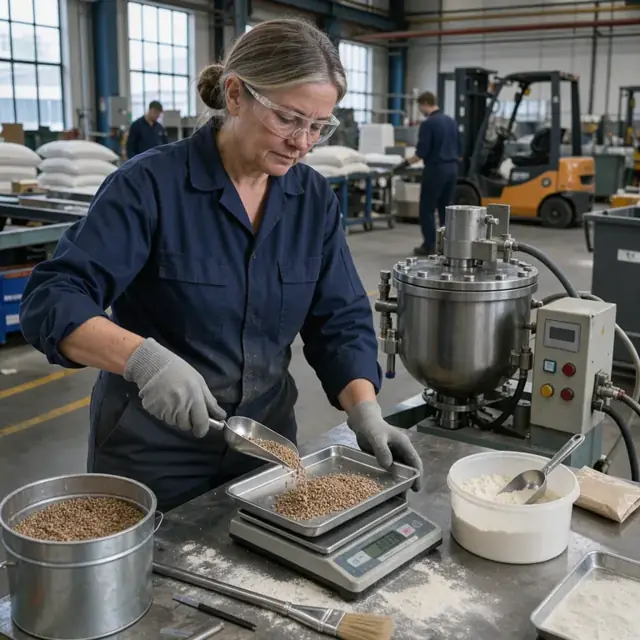
Batch Formula Developer
Scale master formulas to production batch sizes and generate precise mixing instructions.
Works in: Ambitious Sheets, Ambitious Docs, Process Optimizer · Workflows: Batch formulation and mix planning
Automates
- Aggregates orders by abrasive family
- Calculates exact ingredient weights for each batch
- Creates step-by-step mixing sequences and parameters
- Produces batch cards with lot tracking
- Sequences batches to reduce changeover time
Stops for a person
- The production manager approves all formula adjustments
- A person verifies final batch cards before release to the floor

Raw Materials Coordinator
Maintain accurate stock of abrasive grains, resins, backings and additives and generate purchase needs.
Works in: Ambitious Sheets, Ambitious Tasks, Ambitious Docs · Workflows: Raw material purchasing and inventory control
Automates
- Explodes batch plans into material requirements
- Subtracts current inventory levels
- Drafts purchase requisitions by supplier
- Tracks shelf-life sensitive materials
- Logs incoming material test certificates
Stops for a person
- The owner approves all purchases and spending
- Material substitutions require engineering approval
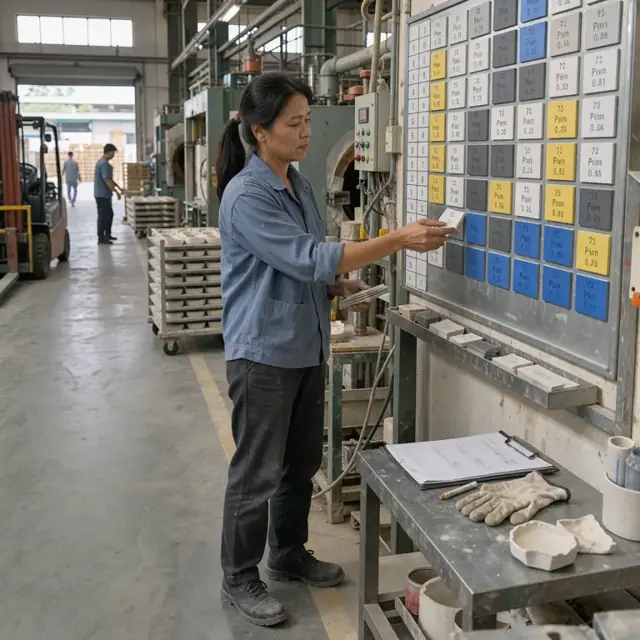
Production Scheduler
Create efficient production schedules that respect equipment constraints, curing times and changeover requirements.
Works in: Process Optimizer, Ambitious Tasks · Workflows: Production scheduling and equipment assignment
Automates
- Sequences jobs to minimize changeovers
- Assigns work to appropriate presses and kilns
- Calculates firing and curing schedules
- Reserves time for maintenance
- Adjusts for approved rush orders
Stops for a person
- The production manager approves the final weekly schedule
- A person adjusts the schedule for unplanned downtime
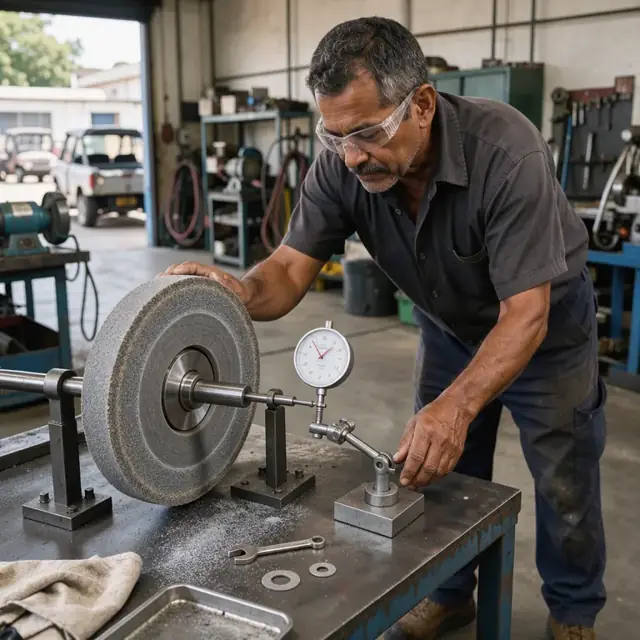
Quality Testing Coordinator
Generate inspection plans, record test results and maintain lot traceability for all abrasive products.
Works in: Ambitious Tasks, Ambitious Sheets, Ambitious Docs · Workflows: Quality inspection and testing
Automates
- Creates product-specific test checklists
- Records dimensional, hardness and balance results
- Tracks retained samples and lot numbers
- Flags out-of-specification batches
- Prepares test summary reports
Stops for a person
- A certified technician performs all physical tests
- The production manager reviews and signs off on all non-conforming material decisions

Shipping and Documentation Coordinator
Prepare accurate shipping documents, labels and customer certifications for each completed order.
Works in: Ambitious Docs, Ambitious Tasks, Ambitious Sheets · Workflows: Shipping preparation and documentation
Automates
- Groups finished goods by destination
- Generates packing lists and labels
- Prepares export paperwork when needed
- Creates carrier notifications
- Closes completed production orders
Stops for a person
- A person verifies packaging and labeling before shipment
- The owner approves any special shipping instructions
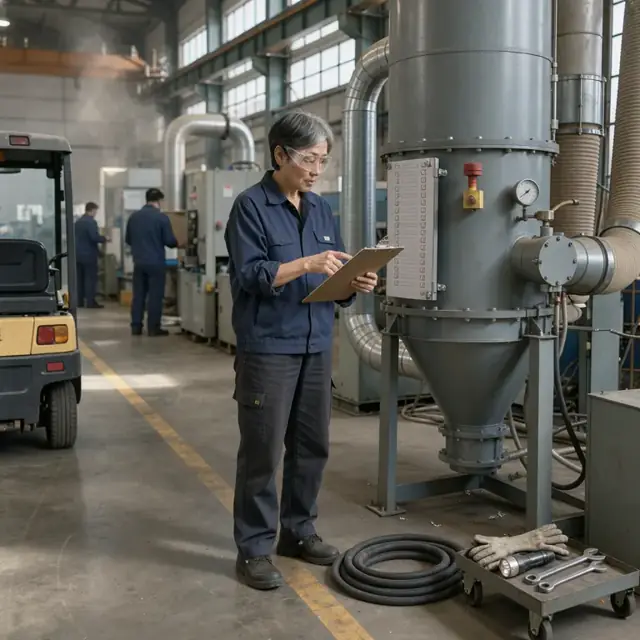
Compliance and Maintenance Clerk
Track regulatory paperwork, safety data sheets, equipment maintenance and daily housekeeping requirements.
Works in: Ambitious Tasks, Ambitious Docs, Ambitious Sheets · Workflows: Regulatory compliance and equipment maintenance
Automates
- Generates daily housekeeping and dust-collection checklists
- Tracks calibration and maintenance due dates
- Maintains current safety data sheet library
- Monitors permit and license renewals
- Compiles required monthly reports
Stops for a person
- The production manager confirms which regulatory requirements apply
- All inspections, corrective actions and filings are performed and signed by people
- The bot organizes records but never certifies compliance
Workflows
Order intake and specification verification
Starts when: A customer order arrives by email, portal or purchase order
- Extract product type, grit size, bond system, dimensions, quantity and any special markings
- Compare order against approved formulations and current production capabilities
- Check lead time against the next scheduled production run for that abrasive family
- Flag any deviations from standard specifications for engineering review
- Create a production-ready order task with linked customer drawing and specification sheet
Watch for: Exact match to customer hardness grade and maximum operating speed is mandatory; Special marking or packaging requests must be captured verbatim
Batch formulation and mix planning
Starts when: After order cutoff for each production run
- Aggregate orders by abrasive family, grit and bond type
- Scale the master formula to the required batch size
- Calculate exact weights for abrasive grain, bond, fillers and additives
- Generate the sequenced mixing instructions including mixer speeds and times
- Produce batch cards with lot numbers and material safety requirements
Watch for: Mixing order and timing directly affect final hardness and performance; Cross-contamination between resin and vitrified systems must be prevented
Raw material purchasing and inventory control
Starts when: After each batch plan is finalized and on a weekly cadence
- Explode the batch plan into a detailed material requirement list
- Subtract current inventory and open purchase orders
- Draft purchase requisitions by supplier for grains, resins, backings and packaging
- Track minimum stock levels for critical items with long lead times
- Log material certificates of analysis upon receipt
Watch for: Certain abrasive grains and resins have shelf-life limits and must be rotated; Silica and other dust-generating materials require special storage and handling
Production scheduling and equipment assignment
Starts when: Weekly and before each shift
- Sequence batches to minimize press and kiln changeovers
- Assign jobs to specific presses, coaters or kilns based on size and temperature requirements
- Calculate curing and firing schedules with ramp rates and cooldown periods
- Reserve time for required preventive maintenance and calibration
- Adjust schedule for any rush orders approved by the manager
Watch for: Kiln temperature profiles are product-specific and cannot be altered without approval; Press tonnage and cycle times vary significantly by wheel diameter and thickness
Quality inspection and testing
Starts when: After each batch completes a production step
- Generate inspection checklist for dimensional, visual and performance tests
- Record test results for hardness, balance, burst speed and surface finish
- Track retained samples with lot traceability
- Flag any out-of-specification material for rework or scrap
- Prepare certification documents for customer shipment
Watch for: Statistical sampling plans differ by product type and customer requirements; Burst testing is destructive and requires specific quantities per lot
Shipping preparation and documentation
Starts when: When a production batch passes final inspection
- Group finished goods by customer and destination
- Generate packing lists, labels and shipping manifests
- Prepare export documentation when required
- Draft carrier notifications and delivery confirmations
- Close the production order and update inventory
Watch for: Abrasive wheels require specific orientation and cushioning during shipment; Certain products have hazardous material shipping classifications
Regulatory compliance and equipment maintenance
Starts when: Daily for logs, monthly for reports and on renewal dates
- Generate daily dust-collection and housekeeping checklists
- Track equipment maintenance and calibration due dates
- Maintain current safety data sheets for all raw materials
- Monitor permit and license renewal dates
- Compile monthly production and waste reports
Watch for: Local air-quality rules govern dust emissions and collection efficiency; The production manager confirms which regulatory requirements apply to each process
Bot templates for this industry
- Abrasive Product Manufacturing (7 bots)
Source: U.S. Small Business Administration, Office of Size Standards, Table of Small Business Size Standards Matched to North American Industry Classification System Codes, version March 2023 (effective 2023-03-17, NAICS 2022). Size standards are shown for reference only.