

Iron and Steel Mills and Ferroalloy Manufacturing
Iron and steel mills and ferroalloy producers melt scrap and raw materials in electric-arc or basic-oxygen furnaces, cast into billets or slabs, then roll or forge into finished shapes on schedule. Specialists convert customer orders and mill schedules into heat plans, alloy calculations, rolling sequences and quality-test requirements while tracking ladle temperatures, chemistry specs, certifications and equipment maintenance. The melt-shop superintendent and rolling-mill lead keep final decisions on chemistry adjustments, heat sequencing and release of material.
What makes this business different
- Customer orders that specify exact chemistry ranges, mechanical properties, dimensions, surface finish and heat-treatment requirements
- Furnace heat schedules that must respect alloy compatibility, refractory limits and energy demand windows
- Continuous or batch casting followed by hot rolling or cold reduction with tight temperature and speed controls
- Traceability from melt to finished product including heat numbers, chemistry samples and mechanical test results
- Maintenance of ladles, tundishes, rollers, shears and cranes with strict downtime windows
- Environmental permits, emissions logs, water-treatment records and safety inspections that must be kept current
- Just-in-time raw-material delivery of scrap, alloys, fluxes and electrodes to minimize inventory holding
Specialist bots

Order Engineer
Convert every customer specification into a mill-ready production task with exact chemistry and testing requirements.
Works in: Ambitious Docs, Ambitious Tasks, Contract Analyzer · Workflows: Order intake and specification review
Automates
- Reads incoming order documents and extracts chemistry ranges, dimensions and test calls
- Checks against mill capability matrix
- Assigns preliminary heat and delivery windows
- Drafts acknowledgment and specification sheet
Stops for a person
- Metallurgist reviews and approves any non-standard grade or tolerance
- Sales confirms pricing and delivery before order is released to the floor

Melt Scheduler
Build weekly heat sequences that respect alloy compatibility, furnace limits and power windows.
Works in: Ambitious Sheets, Process Optimizer · Workflows: Melt and alloy scheduling
Automates
- Groups orders into compatible heats by tonnage and chemistry
- Calculates alloy additions and tap temperatures
- Sequences heats to minimize grade changes and refractory damage
- Produces heat sheets for the floor
Stops for a person
- Melt superintendent adjusts sequence for furnace condition or scrap availability
- Any chemistry change is approved by the metallurgist before charging
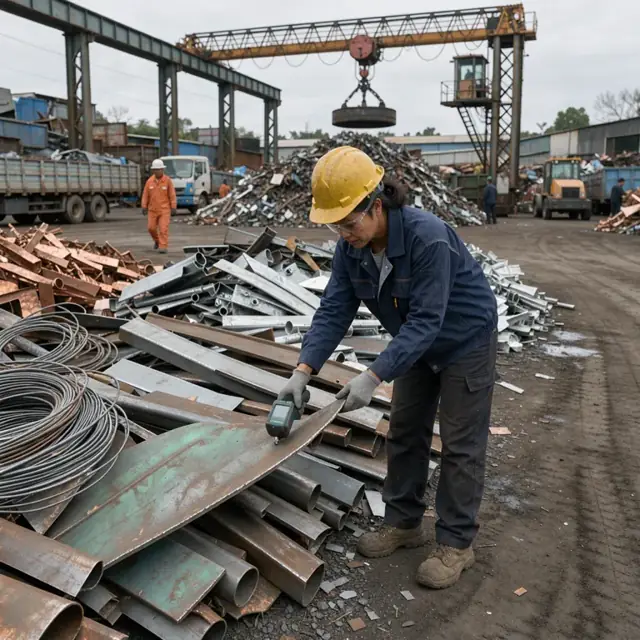
Raw Materials Coordinator
Turn heat plans into precise scrap and alloy purchase lists while maintaining minimum inventory levels.
Works in: Ambitious Sheets, Ambitious Tasks, Ambitious Docs · Workflows: Raw material and scrap purchasing
Automates
- Explodes heat requirements into material quantities
- Subtracts current stock and pending receipts
- Creates supplier-specific purchase drafts
- Tracks scrap inspection results and alloy certifications
Stops for a person
- Purchasing manager places and approves all purchases
- Metallurgist reviews scrap chemistry before it is charged

Casting and Rolling Coordinator
Convert each heat into casting parameters, rolling passes, temperatures and traveler tags.
Works in: Ambitious Tasks, Process Optimizer, Ambitious Docs · Workflows: Casting and rolling sequence
Automates
- Generates casting speed and temperature setpoints
- Calculates rolling reductions and mill speeds
- Produces traveler tags with heat number and next steps
- Flags special surface or heat-treat orders
Stops for a person
- Rolling superintendent adjusts schedule for mill condition
- Metallurgist approves any deviation from target temperatures
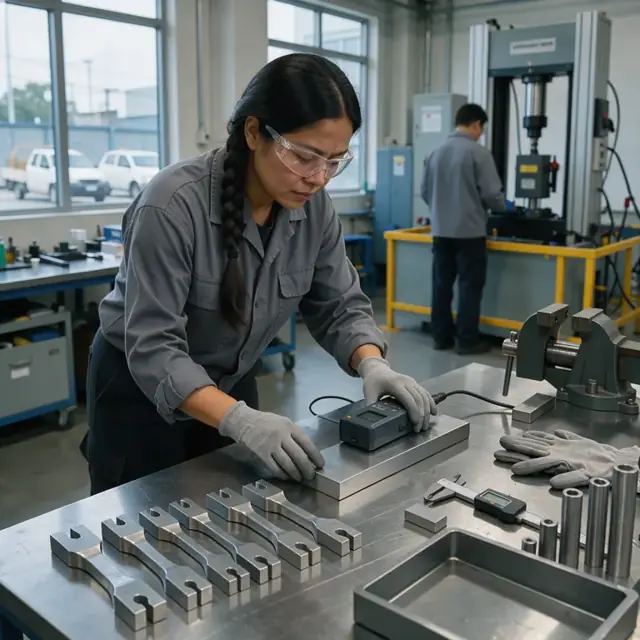
Quality Test Clerk
Schedule all required tests, log results and draft material test reports for each heat.
Works in: Ambitious Tasks, Ambitious Sheets, Ambitious Docs · Workflows: Quality testing and certification
Automates
- Creates test schedules per customer specification
- Logs chemical and mechanical test data
- Drafts certificates of compliance and test reports
- Holds material until all results are checked against requirements the owner confirms
Stops for a person
- Metallurgist reviews and signs every test report before release
- Any failed test is escalated for disposition by the quality manager
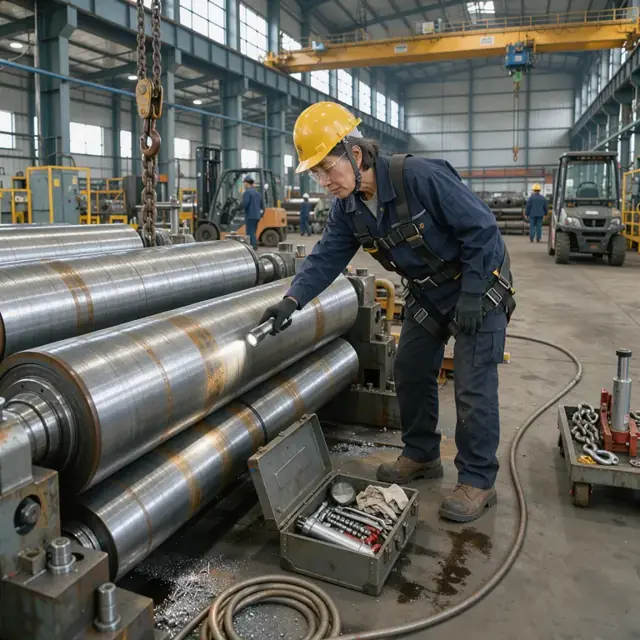
Maintenance Planner
Track equipment hours and generate preventive maintenance tasks around production windows.
Works in: Ambitious Tasks, Ambitious Sheets, Process Optimizer · Workflows: Maintenance and equipment scheduling
Automates
- Calculates operating hours on furnaces, mills and cranes
- Generates due maintenance lists by equipment
- Schedules downtime that avoids peak production
- Forecasts consumables such as electrodes and rolls
Stops for a person
- Maintenance manager approves all work orders and schedules
- Safety permits and lockout procedures are completed by qualified personnel
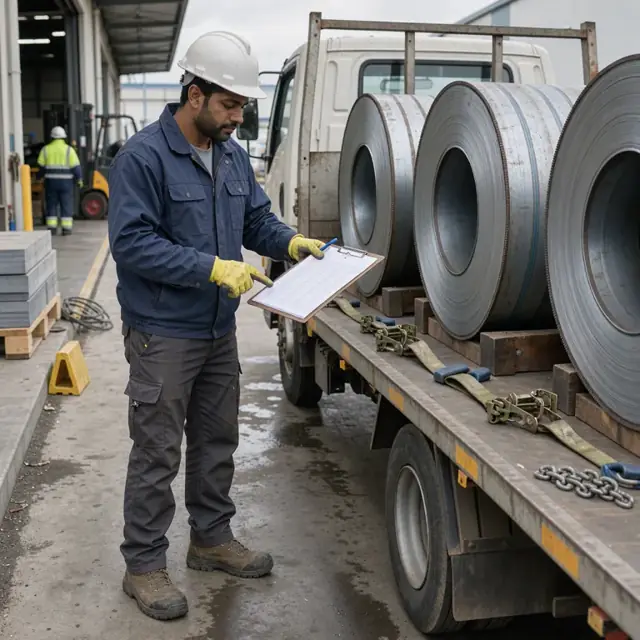
Shipping and Compliance Clerk
Prepare all shipping documents, traceability records and environmental logs for each shipment.
Works in: Ambitious Docs, Ambitious Tasks, Email Buckets · Workflows: Shipping, documentation and compliance
Automates
- Groups orders for shipment and creates packing lists
- Assembles bills of lading and heat traceability documents
- Drafts certificates and test reports for customer review
- Prepares emissions and waste manifests
Stops for a person
- The owner reviews and approves every document before it is sent or filed
- Logistics manager confirms carrier and routing
- All environmental records are verified by the environmental manager
Workflows
Order intake and specification review
Starts when: A customer order arrives by email, portal or EDI
- Parse the required chemistry, mechanical properties, dimensions, tolerances and testing
- Check against mill capability and current alloy compatibility schedule
- Assign a preliminary heat number and delivery window
- Draft acknowledgment and request missing details
- Create a production task with full specification sheet
Watch for: Chemistry ranges must be captured exactly as written and never rounded; Any deviation from standard grades requires metallurgist review before confirmation
Melt and alloy scheduling
Starts when: Weekly production meeting and every heat completion
- Combine orders into heats by compatible chemistries and tonnage
- Sequence heats to minimize grade changes and refractory wear
- Calculate exact alloy and flux additions per heat
- Reserve furnace time and ladle availability
- Generate heat-sheet with target temperatures and tap times
Watch for: Alloy compatibility rules prevent contamination between stainless, carbon and specialty grades; Power-demand windows and electrode consumption must be respected
Raw material and scrap purchasing
Starts when: After melt schedule is locked and on a weekly cadence
- Explode heat plan into scrap, pig iron, alloys, fluxes and electrodes needed
- Subtract current inventory and on-order material
- Draft purchase lists by supplier with required chemistry certifications
- Track inbound scrap inspections and radioactivity screening
- Maintain minimum par levels for critical alloys
Watch for: Scrap must be inspected and sorted by type before charging; Alloy prices fluctuate daily and must be confirmed at time of order
Casting and rolling sequence
Starts when: Each heat is tapped
- Record ladle chemistry sample results
- Generate casting parameters for billet, bloom or slab
- Create rolling schedule with temperature, speed and reduction passes
- Flag any orders requiring special surface or heat treatment
- Print traveler tags with heat number and next operation
Watch for: Temperature must stay within narrow windows during transfer and rolling; Any chemistry out of specification aborts the heat immediately
Quality testing and certification
Starts when: After each rolling pass and final cut
- Schedule mechanical, chemical and nondestructive tests per order
- Collect and log test results against customer requirements
- Draft material test reports and certificates of compliance
- Hold or release material based on test outcomes
- Archive all records by heat number
Watch for: Test frequency and methods are dictated by customer spec or industry standard; Any failed test triggers rework or scrap decisions by the metallurgist
Maintenance and equipment scheduling
Starts when: Weekly and after every campaign
- Track furnace, caster, mill and crane operating hours
- Generate preventive maintenance tasks by equipment and due date
- Schedule downtime windows that avoid peak production
- Record completed repairs and refractory replacements
- Forecast electrode, roll and refractory consumption
Watch for: Certain maintenance can only occur during planned outages; Safety lockout and confined-space permits are required for many tasks
Shipping, documentation and compliance
Starts when: When material is ready for shipment
- Group orders by destination and transport type
- Generate packing lists, bills of lading and heat-number traceability
- Draft customer-required certificates and test reports
- Schedule truck, rail or barge pickup
- Log emissions, water discharge and waste manifests for the period
Watch for: Hazardous-material declarations and weight certifications must be exact; All export documentation follows origin and destination rules confirmed by the owner
Bot templates for this industry
Source: U.S. Small Business Administration, Office of Size Standards, Table of Small Business Size Standards Matched to North American Industry Classification System Codes, version March 2023 (effective 2023-03-17, NAICS 2022). Size standards are shown for reference only.