

Iron and Steel Pipe and Tube Manufacturing from Purchased Steel
Mills that purchase steel coil or plate, form it into pipe and tube through welding or seamless processes, cut to length, test, coat and ship to customers in energy, construction and industrial markets. Specialists convert sales orders and specifications into mill schedules, material requirements and test plans; track coil inventory and mill assets; generate cut sheets, routing tickets and quality records; and manage certifications and shipping paperwork while the mill operator controls the actual forming, welding and finishing steps.
What makes this business different
- Customer-specific pipe and tube orders with exact diameter, wall thickness, length, grade, coating and end finishes that must match engineering specs
- Mill production runs that combine similar orders into efficient campaigns to minimize setup and scrap
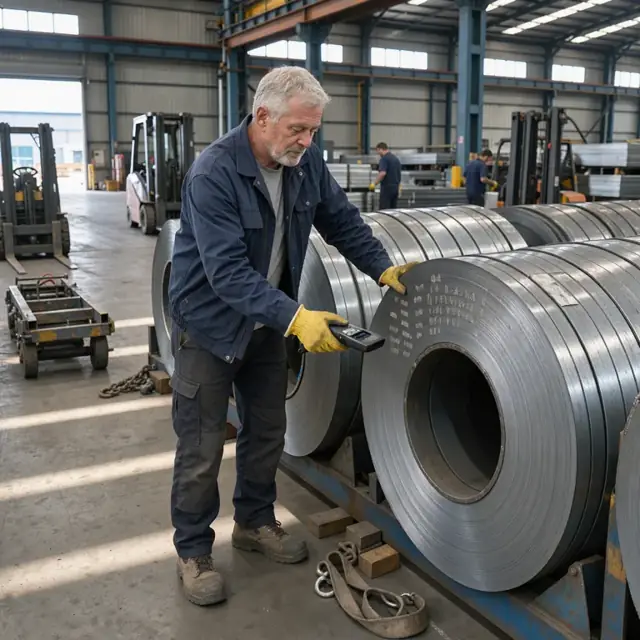
- Raw steel coil and plate inventory tracked by heat number, certification and remaining weight
- In-process and final testing including hydrostatic, ultrasonic, x-ray, tensile and hardness checks with full traceability
- API, ASTM, ASME or customer-specific material test certificates that must travel with each shipment
- Mill equipment maintenance logs, die and roll changes, and safety inspections on forming, welding and cutoff lines
- Coating and threading operations that may be in-house or subcontracted with corresponding certifications
- Seasonal demand swings tied to oil and gas drilling, pipeline projects and construction cycles
Specialist bots

Order Engineer
Convert customer purchase orders and specifications into production-ready order tasks with all technical requirements.
Works in: Ambitious Docs, Ambitious Tasks, Contract Analyzer · Workflows: Order intake and specification review
Automates
- Extracts diameter, wall, grade, length, coating and end requirements from incoming orders
- Compares specifications against mill capability matrices
- Flags non-standard or high-risk requirements
- Builds the complete production order record
- Drafts the acknowledgment for review
Stops for a person
- A person reviews and approves all order acknowledgments before sending
- The mill supervisor confirms technical feasibility of non-standard items
- Any deviation from purchased steel certifications is approved by engineering

Mill Production Scheduler
Group orders into efficient mill campaigns and create daily run sheets for each production line.
Works in: Ambitious Sheets, Ambitious Tasks · Workflows: Mill production scheduling
Automates
- Groups orders by size, grade and process to reduce setups
- Assigns campaigns to available mill time and shifts
- Calculates required coil quantities per campaign
- Produces daily mill run sheets with setup and target data
- Adjusts schedule for priority or material changes
Stops for a person
- The production manager approves the final weekly schedule
- Changes to planned campaigns are confirmed by the mill supervisor
Coil and Raw Material Manager
Track certified steel coil inventory, calculate requirements and prepare purchase lists.
Works in: Ambitious Sheets, Ambitious Tasks · Workflows: Raw material and inventory planning
Automates
- Calculates coil needs from the production schedule
- Subtracts current inventory by heat and weight
- Generates purchase requisitions for additional steel
- Updates remnant coils after production runs
- Maintains heat number traceability records
Stops for a person
- Purchasing decisions and spending are done by a person
- Coil substitutions or alternate grades require engineering approval

Quality Testing Coordinator
Generate test plans, record inspection results and compile material test reports for each order.
Works in: Ambitious Tasks, Ambitious Docs, Ambitious Sheets · Workflows: In-process and final quality testing
Automates
- Creates order-specific test checklists based on the specification
- Logs results from hydrostatic, ultrasonic and dimensional tests
- Flags failed tests and required retests
- Assembles test data into report templates
- Links all records to the correct heat and order
Stops for a person
- A certified technician performs and signs off on all physical tests
- Quality manager reviews and approves all material test reports before release
- People confirm that test methods meet the requirements the owner has specified

Finishing and Shipping Coordinator
Schedule post-mill operations, prepare shipping documents and manage finished goods release.
Works in: Ambitious Tasks, Ambitious Docs, Ambitious Sheets · Workflows: Finishing, coating and shipping
Automates
- Schedules threading, coating and bundling steps
- Generates bundle tags and shipping manifests
- Prepares bills of lading and carrier call sheets
- Compiles final certification packages
- Updates inventory and order status upon shipment
Stops for a person
- The shipping clerk physically verifies bundle counts and markings
- All material test certificates are reviewed and approved by a person before inclusion
- A person signs and releases every shipment

Maintenance and Inspection Planner
Create and track preventive maintenance schedules for mill equipment, rolls and inspection tools.
Works in: Ambitious Tasks, Ambitious Sheets, Process Optimizer · Workflows: Mill equipment maintenance and inspections
Automates
- Builds equipment-specific maintenance checklists
- Schedules roll and die changes after campaigns
- Logs completed work and calibration records
- Tracks downtime and forecasts refurbishments
- Flags upcoming safety inspections
Stops for a person
- Mill technicians perform and document the actual maintenance
- The maintenance supervisor reviews and signs off on all completed work orders

Certification and Compliance Clerk
Assemble test records, draft mill test certificates and maintain required documentation packages.
Works in: Ambitious Docs, Ambitious Tasks, Contract Analyzer · Workflows: Certification and compliance documentation
Automates
- Pulls together all test data by heat number
- Populates mill test certificate templates
- Tracks expiration dates for procedures and qualifications
- Organizes archived records by order and heat
- Prepares customer-specific compliance folders
Stops for a person
- A person reviews every certificate before it is sent with a shipment
- The quality manager confirms that each document package meets the requirements the owner has specified
- People handle all final signatures and releases
Workflows
Order intake and specification review
Starts when: A new customer purchase order or specification sheet arrives
- Parse order for diameter, wall, length, steel grade, coating, end type and quantity
- Check specifications against mill capabilities and available certified coil
- Flag any non-standard requirements for engineering review
- Create a production order task with full material and test requirements
- Draft order acknowledgment for customer confirmation
Watch for: Dimensional tolerances and material certifications are critical and cannot be assumed; Special end finishes or coatings require early supplier or in-house confirmation
Mill production scheduling
Starts when: After order confirmation and weekly
- Group confirmed orders by diameter, wall thickness and grade to minimize changeovers
- Assign orders to specific mill lines and shifts based on available capacity
- Calculate coil requirements and schedule raw material pulls
- Generate daily mill run sheets with setup instructions and target run times
- Update schedule when rush orders or coil delays occur
Watch for: Setup time for roll and die changes is significant and must be optimized; Welding parameters differ by grade and thickness
Raw material and inventory planning
Starts when: After schedule is set and on coil receipt
- Explode production schedule into required coil and plate by heat and certification
- Check against current inventory and on-order steel
- Draft purchase requisitions for additional certified steel coil
- Track coil remnants and return them to inventory with updated weights
- Maintain heat-number traceability through the entire process
Watch for: Steel must be purchased to specific mill test certificate requirements; Coil weight and yield affect how many pipe lengths can be produced
In-process and final quality testing
Starts when: At each production and testing station
- Generate test and inspection checklists keyed to each order and heat number
- Record results from hydrostatic, ultrasonic, visual and dimensional checks
- Flag any failures and trigger retest or hold procedures
- Compile material test reports from all checks performed
- Attach test records to the production order for release
Watch for: Full traceability from finished pipe back to the original steel heat is required; Test frequency and methods are dictated by the specification the owner confirms
Finishing, coating and shipping
Starts when: When pipe passes final quality checks
- Schedule cutoff, threading, coating or bundling operations
- Generate bundle tags, heat maps and shipping manifests
- Prepare material test certificates and compliance paperwork for each shipment
- Draft bills of lading and carrier instructions
- Record finished goods inventory and update customer order status
Watch for: Pipe must be properly protected for transport to prevent damage; Export orders require additional origin and certification documents
Mill equipment maintenance and inspections
Starts when: On scheduled intervals and after each campaign
- Create preventive maintenance checklists for forming mills, welders, cutoff saws and coating lines
- Log completed maintenance, roll changes and calibration results
- Track equipment downtime and flag items needing outside service
- Maintain records of safety inspections and guard checks
- Forecast upcoming die and roll refurbishments
Watch for: Mill uptime directly impacts delivery performance; Welding and nondestructive testing equipment requires regular calibration
Certification and compliance documentation
Starts when: Before each shipment and on renewal dates
- Compile all test results, heat numbers and material certificates into final document packages
- Draft mill test certificates in the format required by the specification
- Track expiration dates for mill certifications, welder qualifications and procedure qualifications
- Organize archived records by heat and order number
- Prepare shipment-specific compliance declarations
Watch for: The owner confirms which specifications and test reports each customer requires; Records must be retained for the period the owner specifies
Bot templates for this industry
Source: U.S. Small Business Administration, Office of Size Standards, Table of Small Business Size Standards Matched to North American Industry Classification System Codes, version March 2023 (effective 2023-03-17, NAICS 2022). Size standards are shown for reference only.