

Steel Wire Drawing
Steel wire drawing operations pull hot-rolled rod through successive dies to reduce diameter, improve surface finish and achieve specified tensile strength and tolerances. For a mill that draws low-carbon, high-carbon and stainless wire in coils for fencing, springs, fasteners and welding applications, the specialists turn customer orders and specs into drawing schedules, monitor die wear and inventory of rod and finished coils, generate quality and test reports, and prepare shipments while the metallurgist and operators retain control of actual drawing parameters, heat treatment and final inspection.
What makes this business different
- Customer orders specify exact diameter, tensile strength, coating type, coil weight, packaging and tolerance ranges that must be met on every coil
- Multi-pass drawing sequences with intermediate annealing or cleaning steps that depend on starting rod size and final wire specification
- High-value rod inventory tracked by heat number and certification, with FIFO usage and minimal scrap from die breaks
- Die inventory, wear tracking and regrinding schedules that directly affect production rate and surface quality
- In-process and final testing for tensile, torsion, bend and coating thickness with results tied to each production lot
- Coil tagging, identification and traceability from raw rod heat through finished product
- Heavy equipment maintenance logs, lubricant and coolant management, and safety inspections on drawing blocks, payoffs and take-ups
- Seasonal demand surges for fencing and construction wire that require advance rod purchasing and capacity planning
Specialist bots

Order Engineer
Convert incoming customer orders into precise, machine-ready drawing specifications and production orders.
Works in: Ambitious Tasks, Ambitious Docs, Contract Analyzer · Workflows: Order intake and specification review
Automates
- Reads order documents and extracts diameter, tensile, coating and packaging requirements
- Checks against mill capability matrix
- Flags non-standard items for review
- Drafts order acknowledgment
- Creates detailed production order task
Stops for a person
- Metallurgist approves any special processing steps or tolerances
- Owner confirms pricing and delivery dates before acknowledgment is sent
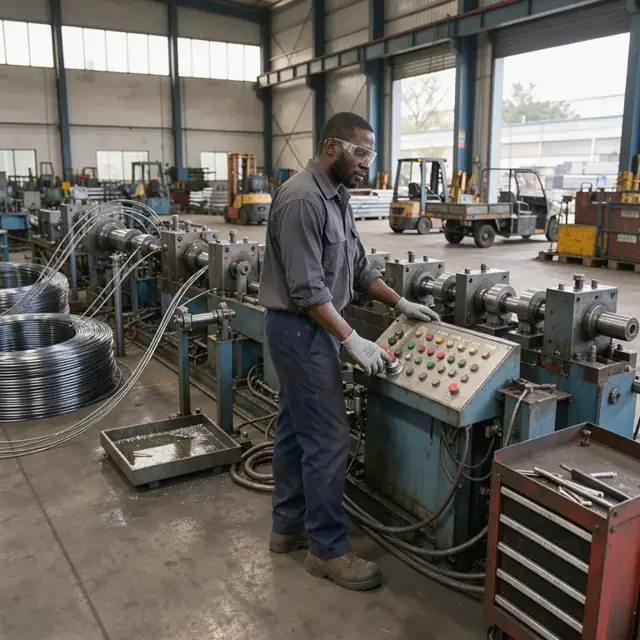
Production Scheduler
Build and maintain the drawing machine schedule that minimizes changeovers while meeting delivery dates.
Works in: Ambitious Sheets, Ambitious Tasks · Workflows: Drawing production scheduling
Automates
- Groups orders by rod size and alloy
- Sequences jobs to reduce die changes
- Calculates required machine hours per block
- Updates real-time schedule board
Stops for a person
- Lead operator reviews and adjusts the schedule daily
- Metallurgist approves annealing steps in the sequence
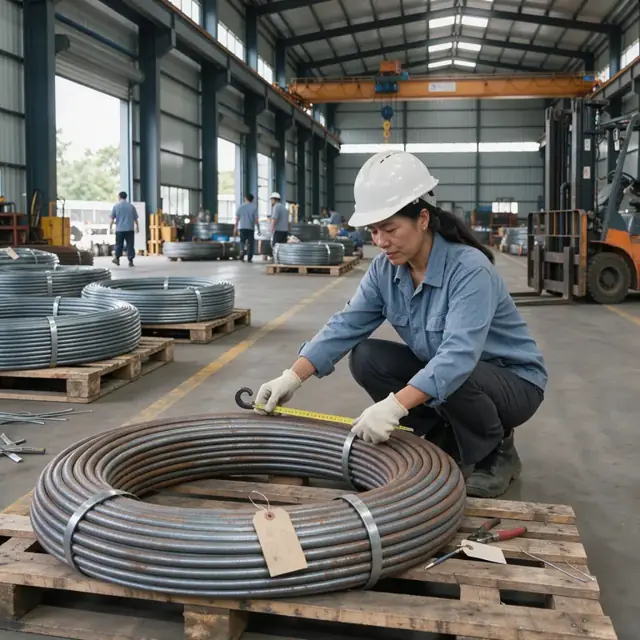
Rod Inventory Manager
Track certified rod stock, explode orders into purchasing needs and maintain heat traceability.
Works in: Ambitious Sheets, Ambitious Tasks, Ambitious Docs · Workflows: Rod purchasing and inventory management
Automates
- Calculates rod requirements from open orders
- Subtracts current inventory by heat
- Drafts purchase lists by supplier
- Matches incoming mill test reports to received coils
Stops for a person
- Purchasing manager places and approves all rod purchases
- Quality manager verifies test certificates before rod is released to production
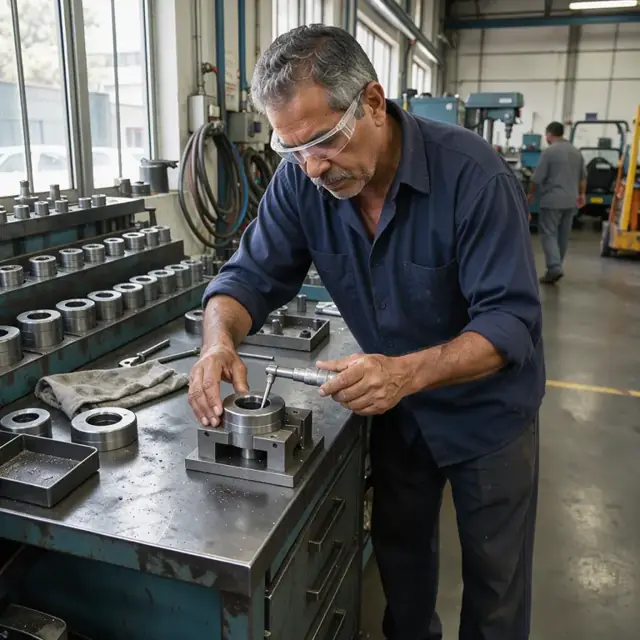
Die and Tooling Manager
Monitor die usage, predict wear, schedule regrinds and maintain the die library.
Works in: Ambitious Sheets, Ambitious Tasks, Process Optimizer · Workflows: Die inventory and wear tracking
Automates
- Logs tonnage and hours per die
- Calculates remaining life based on wear rates
- Schedules regrind or replacement
- Maintains database of available die sizes
Stops for a person
- Tool room technician performs actual die measurements and regrinding
- Production supervisor approves die changes on the floor

Quality Testing Coordinator
Generate test requests, record results and compile lot traceability and test reports.
Works in: Ambitious Docs, Ambitious Sheets, Ambitious Tasks · Workflows: In-process and final quality testing
Automates
- Creates sample and test request forms
- Logs tensile, torsion and coating results against each lot
- Flags out-of-spec material
- Compiles certificate of conformance drafts
Stops for a person
- Metallurgist reviews and approves all final test reports and certifications
- Lab technician performs the physical tests

Shipping and Packaging Coordinator
Prepare coil tags, packing lists, bills of lading and schedule shipments once quality approval is received.
Works in: Ambitious Tasks, Ambitious Docs, Ambitious Sheets · Workflows: Coil packaging and shipment preparation
Automates
- Generates traceability tags for each coil
- Groups coils by customer and destination
- Drafts packing lists and bills of lading
- Tracks shipment status
Stops for a person
- Warehouse lead verifies physical coil counts and tag accuracy
- Logistics manager approves carrier selection and final documents

Maintenance and Compliance Clerk
Maintain equipment checklists, lubrication schedules, coolant tracking and regulatory reminder logs.
Works in: Ambitious Tasks, Ambitious Sheets, Ambitious Docs · Workflows: Equipment maintenance and compliance logs
Automates
- Generates daily and weekly maintenance checklists
- Tracks lubricant and coolant consumption
- Warns of upcoming inspection or permit dates
- Organizes records for review
Stops for a person
- Maintenance technicians complete the actual inspections and repairs
- Operations manager confirms which requirements apply and signs off on all records
Workflows
Order intake and specification review
Starts when: A customer order arrives by email, portal or purchase order
- Parse diameter, grade, tensile range, coating, coil weight, length and packaging requirements
- Check against current alloy and diameter capabilities and available rod inventory
- Flag any non-standard tolerances or testing requirements for metallurgist review
- Draft acknowledgment with confirmed lead time and price
- Create a production order task with full specification sheet attached
Watch for: Exact match to ASTM or customer-specific tolerances is mandatory; Special coatings or finishes may require supplier confirmation before acceptance
Drawing production scheduling
Starts when: New orders confirmed or weekly capacity review
- Group orders by starting rod size, final diameter and alloy family
- Sequence jobs to minimize die changes and annealing setups
- Calculate total passes, annealing steps and estimated machine hours
- Assign to available drawing blocks based on speed and power ratings
- Update live schedule visible to operators and maintenance
Watch for: Rod heat certification must be matched to each scheduled job; Annealing furnace capacity limits daily throughput
Rod purchasing and inventory management
Starts when: Weekly and after new order confirmation
- Explode open orders into required rod diameters and grades
- Subtract current certified rod stock by heat number
- Draft purchase requisitions by supplier and alloy
- Track incoming rod certifications and test reports
- Maintain minimum and reorder levels for high-volume sizes
Watch for: Rod must be purchased with mill test certificates that travel with each heat; Storage is limited by coil weight and indoor space
Die inventory and wear tracking
Starts when: End of each shift and after every major run
- Log hours and tonnage pulled on each die
- Compare measured wire diameter against target to detect wear
- Schedule regrinding or replacement when tolerances approach limit
- Maintain library of available die sizes and profiles
- Forecast die consumption for upcoming high-volume orders
Watch for: Die wear directly affects final wire surface finish and dimensional tolerance; Carbide and diamond dies are expensive and have long lead times
In-process and final quality testing
Starts when: After each drawing pass or annealing and at lot completion
- Generate sample labels and test requests for tensile, torsion, bend and coating tests
- Record results against the production order and heat number
- Flag any out-of-spec coils for hold or rework
- Compile full test report package for customer shipment
- Update certificate of conformance draft
Watch for: Test frequency and methods are dictated by customer or industry standard; Metallurgist reviews and signs off on all final test reports
Coil packaging and shipment preparation
Starts when: After quality approval of completed lots
- Group coils by customer order and destination
- Generate tags with full traceability, grade, diameter, weight and lot number
- Draft packing list and bill of lading
- Schedule carrier pickup and prepare shipping documents
- Update inventory as coils move from finished goods to shipped
Watch for: Coils must be securely strapped and protected from moisture and damage; Export orders require additional documentation and certifications
Equipment maintenance and compliance logs
Starts when: Daily, weekly and on preventive schedules
- Generate daily lubrication and inspection checklists for drawing machines
- Track coolant and lubricant levels and condition
- Log safety guard, block and bearing inspections
- Remind of upcoming inspection or environmental report due dates
- Compile records for internal review
Watch for: The operations manager confirms which regulatory requirements apply to the facility; All maintenance and inspection records are reviewed and signed by qualified personnel
Bot templates for this industry
- Steel Wire Drawing (7 bots)
Source: U.S. Small Business Administration, Office of Size Standards, Table of Small Business Size Standards Matched to North American Industry Classification System Codes, version March 2023 (effective 2023-03-17, NAICS 2022). Size standards are shown for reference only.