

Alumina Refining and Primary Aluminum Production
Alumina refineries and primary aluminum smelters process bauxite into alumina then reduce it to molten aluminum using electrolytic cells. For a plant that receives bulk bauxite shipments, runs continuous digestion and calcination lines, and casts ingots or billets on a set weekly schedule, the specialists convert raw-material test results and customer specs into batch recipes, turn production forecasts into cell-line schedules and anode requirements, and convert cast output into shipping manifests and reorders. Potline chemistry, safety interlocks and environmental emissions stay with the operators.
What makes this business different
- Bulk bauxite shipments with variable chemistry that must be sampled and adjusted before digestion
- Continuous 24/7 potline operation with scheduled anode changes and cell tapping cycles
- Tight control of bath chemistry, temperature and voltage to maintain current efficiency
- High-energy consumption that must be scheduled around utility demand windows and rates
- Molten metal handling with strict temperature, alloying and casting schedules
- Environmental permits, stack monitoring, spent pot lining disposal and wastewater treatment logs
- Repeat industrial customers who order specific alloys, ingot sizes and delivery windows
Specialist bots

Raw Material Assayer
Convert every incoming bauxite or alumina shipment into an accepted, traceable material lot with adjusted process parameters.
Works in: Ambitious Tasks, Ambitious Docs, Ambitious Sheets · Workflows: Raw material intake and assay
Automates
- Reads shipment documents and lab assay files
- Compares results to contract specifications
- Creates material lot records and stockpile allocations
- Drafts supplier acceptance or rejection notices
Stops for a person
- The shift supervisor approves lot acceptance or rejection
- Any off-spec material requires operator review before use
- A person signs and files all supplier communications

Potline Scheduler
Turn weekly customer orders and utility rates into a balanced potline operating schedule and anode change plan.
Works in: Ambitious Sheets, Process Optimizer · Workflows: Potline and cell scheduling
Automates
- Assigns operating setpoints to each cell group
- Schedules anode changes and tapping cycles
- Balances energy consumption against utility windows
- Generates daily operator parameter checklists
Stops for a person
- The potline superintendent approves the weekly schedule
- Any change to cell voltage or bath chemistry is confirmed by an operator
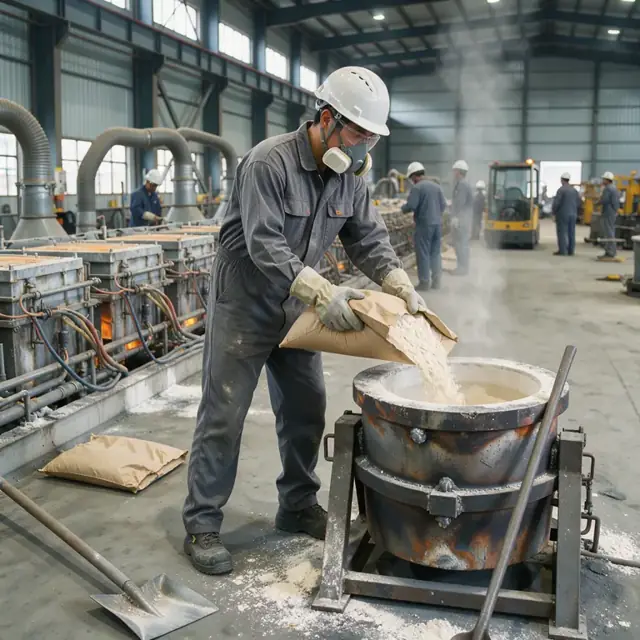
Bath Chemistry Manager
Convert raw material assays into precise bath additive recipes and maintain target chemistry across all potlines.
Works in: Ambitious Sheets, Ambitious Docs, Process Optimizer · Workflows: Batch recipe and bath chemistry
Automates
- Calculates required additives from assay data
- Generates charge sheets for each potline
- Tracks cryolite ratio and alumina concentration trends
- Updates the master recipe library
Stops for a person
- The chief metallurgist reviews and approves all recipe changes
- Operators confirm bath samples before any additive is added
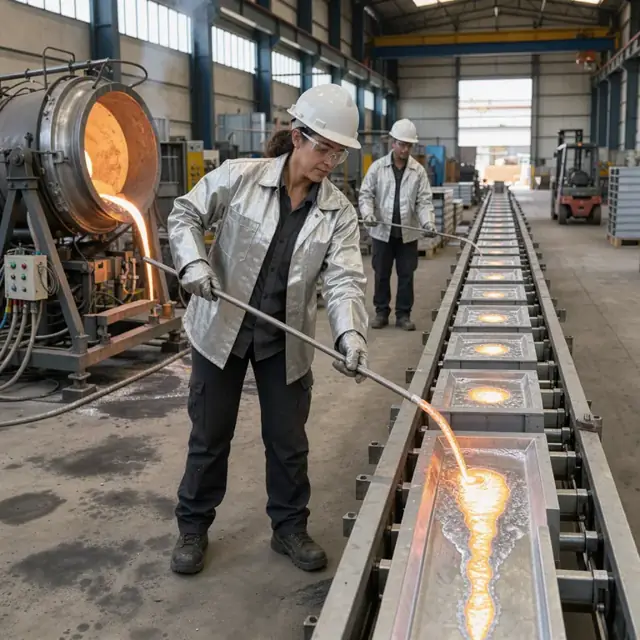
Casting Scheduler
Match available molten metal to customer alloy orders and produce a daily casting and labeling schedule.
Works in: Ambitious Tasks, Ambitious Sheets · Workflows: Casting and alloy production
Automates
- Matches metal inventory to alloy and form requirements
- Builds the furnace casting sequence
- Calculates alloying additions and grain refiner amounts
- Generates heat-specific labels and certificates
Stops for a person
- The cast house supervisor approves the daily schedule
- A person verifies alloy chemistry before casting begins
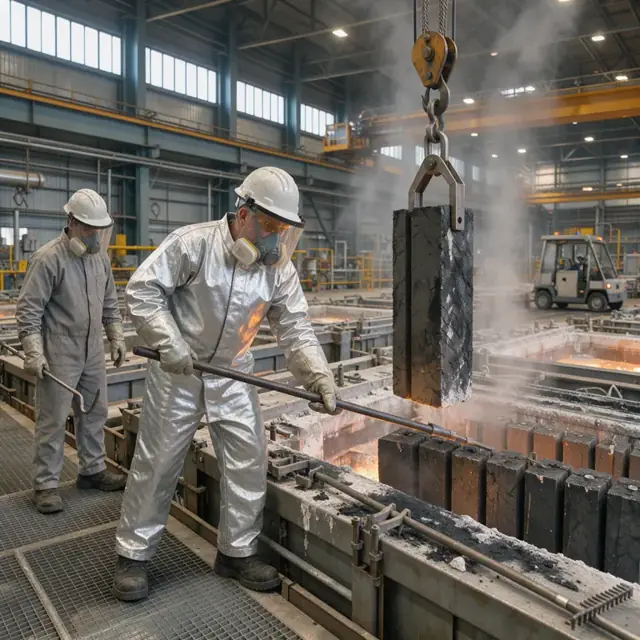
Maintenance Dispatcher
Convert real-time cell data and schedules into prioritized maintenance work orders and track completion.
Works in: Ambitious Tasks, Ambitious Docs, Ambitious Sheets · Workflows: Maintenance and cell maintenance dispatch
Automates
- Reviews voltage, temperature and noise trends
- Creates and prioritizes work orders for anode changes and repairs
- Tracks work completion against the potline schedule
- Forecasts upcoming pot relining needs
Stops for a person
- The maintenance manager approves all work orders involving cell shutdown
- Operators confirm that each cell is safe before and after maintenance

Shipping and Logistics Coordinator
Organize finished aluminum products into customer loads, generate manifests and track delivery status.
Works in: Ambitious Tasks, Ambitious Docs, Ambitious Sheets · Workflows: Shipping and inventory logistics
Automates
- Groups products by customer, alloy and destination
- Builds load plans for trucks and railcars
- Drafts manifests and certificates of analysis
- Updates inventory and reorder triggers
Stops for a person
- The shipping supervisor approves every load plan and manifest
- A person signs all documents before shipment leaves the plant

Environmental Compliance Clerk
Compile monitoring data, generate logs and track all permit and disposal deadlines for regulatory reporting.
Works in: Ambitious Tasks, Ambitious Docs, Ambitious Sheets · Workflows: Environmental and permit monitoring
Automates
- Aggregates stack and wastewater monitoring readings
- Creates daily environmental logs from operator entries
- Tracks renewal dates for permits and certifications
- Flags parameters approaching regulatory limits
Stops for a person
- The environmental manager confirms all data and corrective actions
- People prepare and submit all official reports and permit applications
Workflows
Raw material intake and assay
Starts when: Arrival of a bauxite shipment or alumina delivery
- Capture shipment details, supplier certs and sample IDs
- Log assay results for alumina content, silica, iron and moisture
- Check results against contract specifications
- Create a material lot record for the stockpile or silo
- Draft acceptance or rejection notice for supplier
Watch for: Chemistry variations require real-time adjustments to digestion parameters; Moisture content affects handling and energy use in calciners
Potline and cell scheduling
Starts when: Weekly production forecast and utility schedule
- Load customer orders and target alloy mix for the week
- Assign operating parameters to each potline and cell group
- Schedule anode replacements, tapping sequences and metal transfer
- Balance energy draw against time-of-use utility rates
- Generate operator shift checklists for each parameter
Watch for: Cells must stay within narrow voltage and temperature bands at all times; Anode change frequency is dictated by consumption rate and cell age
Batch recipe and bath chemistry
Starts when: After raw material assay or weekly
- Convert assay data into adjusted digestion and precipitation recipes
- Calculate bath additives needed to maintain cryolite ratio and alumina concentration
- Draft the charge sheet for each potline
- Track spent pot lining and byproduct generation
- Update the master recipe library
Watch for: Bath chemistry directly affects current efficiency and metal purity; Fluoride emissions must stay within permit limits
Casting and alloy production
Starts when: Daily metal availability from potlines
- Match available molten metal to customer alloy and form orders
- Build the casting schedule by furnace, alloy and ingot or billet size
- Incorporate grain refiners and alloying elements at the furnace
- Generate labels with heat number, alloy, cast date and customer
- Record casting parameters and cooling times
Watch for: Molten metal temperature must be held within a narrow window before casting; Alloy changes require furnace cleaning to prevent contamination
Maintenance and cell maintenance dispatch
Starts when: Daily condition reports and scheduled intervals
- Review pot voltage, temperature and noise data for each cell
- Flag cells needing anode change, tapping or repair
- Create prioritized work orders for the maintenance crew
- Track completion and update cell history
- Forecast major outages for pot relining
Watch for: Cell condition data must be monitored continuously; Any interruption to a potline is extremely costly
Shipping and inventory logistics
Starts when: Completion of each cast and on customer request
- Group finished ingots or billets by customer and alloy
- Build truck or rail load plans with weight and temperature constraints
- Draft shipping manifests and certificates of analysis
- Update finished goods inventory and trigger reorders
- Record delivery confirmations and any transit issues
Watch for: Metal must be protected from contamination during storage and transport; Heavy loads require specific trailer and railcar certifications
Environmental and permit monitoring
Starts when: Every shift and on permit renewal dates
- Compile stack, wastewater and fluoride monitoring data
- Generate daily environmental logs from operator entries
- Track permit, emission limit and disposal renewal dates
- Flag any parameter approaching a regulatory threshold
- Maintain spent pot lining and red mud storage records
Watch for: Regulations differ by jurisdiction and are updated frequently; Operators confirm all monitoring results and corrective actions
Bot templates for this industry
Source: U.S. Small Business Administration, Office of Size Standards, Table of Small Business Size Standards Matched to North American Industry Classification System Codes, version March 2023 (effective 2023-03-17, NAICS 2022). Size standards are shown for reference only.