

Secondary Smelting and Alloying of Aluminum
Secondary smelters and alloyers purchase aluminum scrap, dross and used beverage cans, melt them in furnaces, refine the melt, add alloying elements and cast the metal into ingots, sows or billets for sale to foundries and extruders. Specialists turn supplier deliveries into melt schedules, lab results into chemistry adjustments, and finished heats into shipping paperwork while the melter retains all decisions on furnace practice, safety and quality sign-off.
What makes this business different
- Incoming scrap streams that vary widely in alloy, cleanliness and contamination (paint, plastic, iron, copper)
- Furnace charge calculations that must hit target chemistry within tight specification ranges
- High-temperature molten metal handling with strict safety, PPE and emergency procedures
- Skim, dross and salt slag that must be cooled, processed and shipped as hazardous or non-hazardous waste
- Alloy additions, grain refiners and modifiers added at precise times and temperatures
- Furnace logs, temperature charts, chemistry certificates and weight tickets required for every heat
- Customer-specific certifications, heat numbers and traceability from scrap lot to shipped ingot
- Seasonal swings in scrap availability (can scrap peaks in summer, industrial scrap in winter)
- Melt permits, air-quality monitoring, baghouse dust disposal and storm-water runoff compliance
Specialist bots

Scrap Receiver
Turn every incoming scrap load into an inspected, sampled and inventoried lot ready for melting.
Works in: Ambitious Tasks, Ambitious Docs, Ambitious Sheets · Workflows: Scrap intake and inspection
Automates
- Reads scale tickets and supplier manifests
- Creates lot numbers and inspection checklists
- Logs photos and visual findings
- Generates receiving reports for accounting
Stops for a person
- The melter or yard lead decides whether to accept or reject questionable loads
- A person signs the scale ticket and approves the lot for use

Charge Planner
Calculate optimal furnace charges from current scrap inventory to hit target alloy chemistry at lowest cost.
Works in: Ambitious Sheets, Process Optimizer, Ambitious Tasks · Workflows: Melt schedule and charge planning
Automates
- Pulls assayed chemistries for each scrap lot
- Runs linear optimization to minimize expensive alloy additions
- Produces the exact charge weights and loading sequence
- Creates the furnace charge sheet
Stops for a person
- The lead melter reviews and approves every charge plan before loading
- Adjustments for furnace condition or heel chemistry are made by the melter

Melt Coordinator
Track each heat through melting, sampling, refining and alloying steps and maintain the live furnace log.
Works in: Ambitious Tasks, Ambitious Docs, Ambitious Sheets · Workflows: Melting, refining and alloying
Automates
- Records temperatures, addition times and sample pulls
- Reminds when the next sample or addition is due
- Logs flux, degasser and skimming events
- Flags when lab results are expected
Stops for a person
- The melter decides all furnace practices and when the heat is ready to pour
- Safety and emergency decisions remain with the floor personnel

Casting and Marking Clerk
Record pour data, assign heat and cast numbers, and track finished ingots into inventory.
Works in: Ambitious Tasks, Ambitious Sheets, Ambitious Docs · Workflows: Casting, ingot finishing and marking
Automates
- Generates sequential heat and cast identifiers
- Logs pour weights, cooling times and mold usage
- Prints or drafts tags with alloy, heat number and weight
- Updates location and available inventory
Stops for a person
- The caster inspects surface quality before the ingot is released
- A person physically applies tags or stamps to the metal
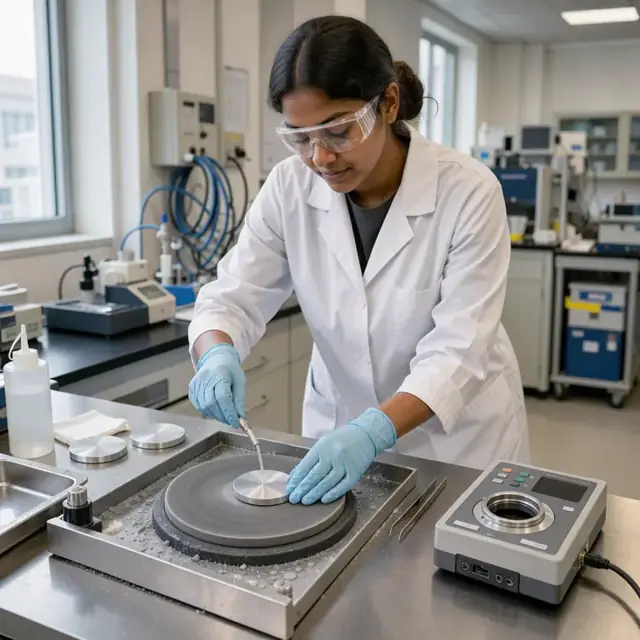
Metals Lab Technician
Log samples, record spectroscopic results, compare against specifications and calculate corrective additions.
Works in: Ambitious Sheets, Ambitious Docs, Ambitious Tasks · Workflows: Chemistry lab and certification
Automates
- Logs sample receipt and test timestamps
- Records spectrometer readings
- Compares values to alloy limits
- Calculates needed alloy or flux additions
- Drafts certificates of analysis
Stops for a person
- The lab supervisor or quality manager reviews and signs every certificate
- Final release of the heat is performed only by authorized personnel

Shipping and Documentation Coordinator
Match inventory to orders, generate bills of lading, certificates and invoices for each shipment.
Works in: Ambitious Docs, Ambitious Sheets, Ambitious Tasks · Workflows: Shipping, documentation and billing
Automates
- Selects heats that satisfy the customer order
- Compiles certificates of analysis and weight tickets
- Drafts bills of lading and commercial invoices
- Prepares hazardous waste manifests for dross shipments
Stops for a person
- The owner or manager approves every shipment and signs legal documents
- A person performs the final count and seal verification before truck departure
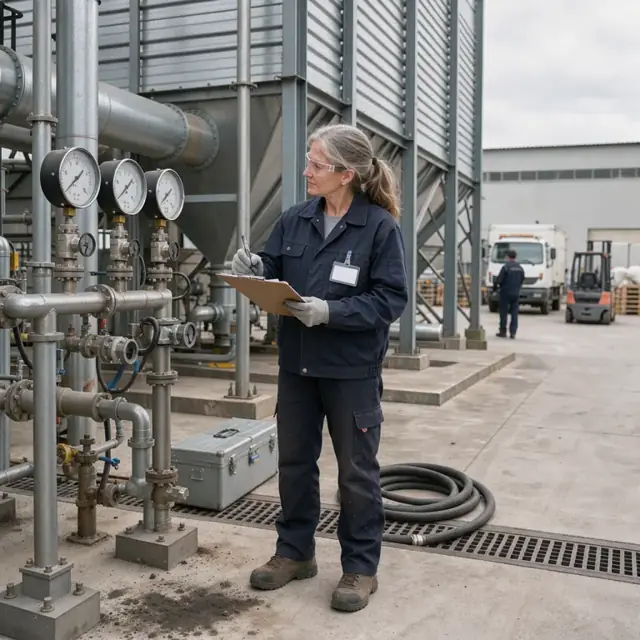
Compliance and Permit Clerk
Maintain daily checklists, compile emission and waste records, and track all permit and renewal dates.
Works in: Ambitious Tasks, Ambitious Sheets, Ambitious Docs · Workflows: Regulatory and permit maintenance
Automates
- Generates daily furnace and baghouse checklists
- Compiles monthly operating data
- Tracks permit, insurance and license renewal dates
- Maintains disposal manifests for dross and dust
Stops for a person
- The environmental manager confirms which local, state and federal requirements apply
- All submissions to agencies are reviewed and filed by people
- The bot never certifies compliance
Workflows
Scrap intake and inspection
Starts when: A truck arrives with scrap, dross or used beverage cans
- Capture supplier, load weight, scale ticket and material description
- Visually inspect and photograph the load for contamination or prohibited items
- Sample according to the lot plan and send to the lab
- Assign a lot number and place material in the correct staging area
- Draft the receiving report and supplier payment file
Watch for: Radioactive, explosive or sealed containers must be rejected immediately; Moisture content and iron pieces affect furnace yield and must be flagged
Melt schedule and charge planning
Starts when: Daily at start of shift and when new scrap lots are approved
- Review current inventory of scrap lots and their assayed chemistries
- Select charges that minimize purchased alloying elements while meeting target specs
- Calculate charge weights, expected yield and furnace loading sequence
- Assign furnace, shift and heat number
- Create the furnace-ready charge sheet with lot numbers and sequence
Watch for: Furnace capacity, lining condition and previous heel chemistry constrain each charge; Certain scrap types cannot be mixed because of zinc or magnesium limits
Melting, refining and alloying
Starts when: Start of each heat
- Load the calculated charge into the furnace in the prescribed order
- Track melt temperature, flux additions, skimming and degassing steps
- Pull samples at prescribed intervals and send to the lab
- Add alloying elements, grain refiners or modifiers based on lab feedback
- Approve the heat for pouring once chemistry is within specification
Watch for: The melter decides when to skim, degas or flux; the bot only logs and reminds; Temperature must stay within alloy-specific ranges to avoid oxidation or inclusions
Casting, ingot finishing and marking
Starts when: Heat is approved for pouring
- Record pour temperature, mold type and cast weight
- Track cooling time and demolding
- Weigh finished ingots or sows and assign sequential heat and cast numbers
- Apply alloy designation, heat number, weight and date stamps or tags
- Move product to the storage area and update inventory
Watch for: Surface defects, cracks or inclusions must be noted before shipment; Certain customers require specific ingot sizes or stacking patterns
Chemistry lab and certification
Starts when: Each sample arrives from the floor
- Log sample identification, heat number and timestamp
- Run spectroscopy or wet chemistry and record results
- Compare results against the customer or internal specification
- Calculate additional alloy or flux needed if out of range
- Produce a certificate of analysis for each heat
Watch for: The lab technician confirms final chemistry before the heat is released; All records must be kept for traceability audits
Shipping, documentation and billing
Starts when: Customer order is ready to ship
- Match inventory to customer order by alloy, heat and weight
- Generate bill of lading, weight ticket and certificate of analysis
- Draft commercial invoice and packing list
- Schedule carrier pickup and record seal numbers
- Close the order and trigger supplier payment for consumed scrap
Watch for: Traceability from finished product back to the original scrap lot is mandatory; Hazardous waste manifests for dross and baghouse dust must accompany shipments
Regulatory and permit maintenance
Starts when: Daily, monthly and on permit renewal dates
- Generate daily furnace and baghouse checklists
- Compile monthly air-emission and wastewater discharge data
- Track renewal dates for operating permits, licenses and insurance
- Maintain dross and dust disposal manifests
- Flag upcoming stack tests or agency inspections
Watch for: Rules differ by state and local air district; The environmental manager confirms which requirements apply each period
Bot templates for this industry
Source: U.S. Small Business Administration, Office of Size Standards, Table of Small Business Size Standards Matched to North American Industry Classification System Codes, version March 2023 (effective 2023-03-17, NAICS 2022). Size standards are shown for reference only.