

Aluminum Sheet, Plate and Foil Manufacturing
Aluminum sheet, plate and foil manufacturers convert ingot or scrap into coiled or flat-rolled product through melting, casting, hot rolling, cold rolling, annealing, slitting and finishing. For a mill that receives customer orders for specific alloy, temper, gauge, width and finish, the specialists turn specifications into production schedules, material requisitions and quality-test plans, then convert coil output into certified shipments while tracking equipment uptime, alloy traceability and process parameters.
What makes this business different
- Tight alloy and temper specifications that must be met exactly for each coil or sheet order
- Traceability from melt batch through every downstream process step to final certification
- Heavy equipment scheduling with long setup and changeover times between alloys and gauges
- Rolling oil, coolant and annealing furnace parameters that must stay within narrow ranges
- Surface quality, gauge tolerance and flatness requirements that trigger rework or scrap
- Coil and sheet inventory managed by alloy, temper, gauge and location in the warehouse
- Customer certifications, material test reports and packing lists required with every shipment
- Preventive maintenance windows for rolling mills, slitters and annealing furnaces
Specialist bots

Order Engineer
Convert customer specifications into feasible production orders with required quality gates.
Works in: Ambitious Docs, Ambitious Tasks, Contract Analyzer · Workflows: Order specification and feasibility review
Automates
- Extracts alloy, temper, gauge, width and finish requirements
- Checks order against mill capability matrix
- Builds the quality test plan and material test report template
- Creates the production order task with full traceability fields
Stops for a person
- Metallurgist reviews and approves any non-standard alloy or temper requests
- Production manager confirms feasibility and schedule impact
- A person sends the order acknowledgment to the customer
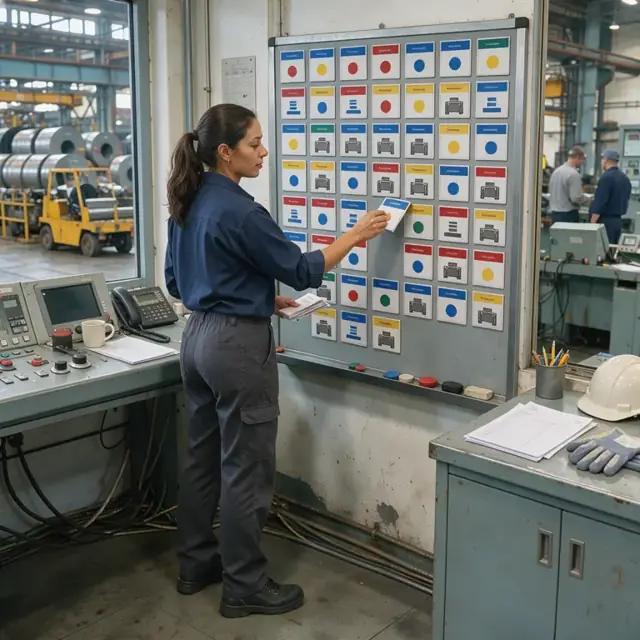
Mill Scheduler
Build weekly rolling, annealing and slitting sequences that respect alloy families and equipment constraints.
Works in: Ambitious Sheets, Process Optimizer · Workflows: Rolling and processing schedule creation
Automates
- Groups orders by alloy and gauge to reduce changeovers
- Sequences operations across melting, hot rolling, cold rolling and finishing
- Calculates expected output and identifies capacity conflicts
- Flags orders needing priority
Stops for a person
- Production manager approves the final weekly schedule
- Any expedited orders require owner sign-off
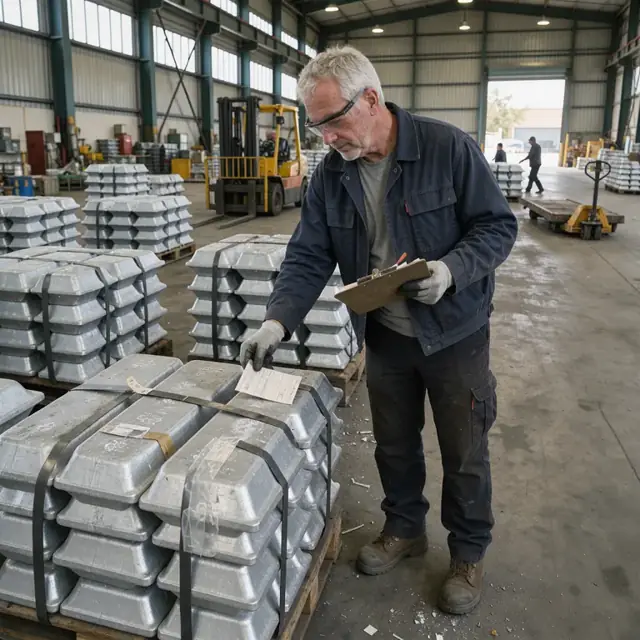
Materials Coordinator
Calculate and requisition exact quantities of ingot, scrap, alloying elements and process consumables needed for the schedule.
Works in: Ambitious Sheets, Ambitious Tasks, Ambitious Docs · Workflows: Raw material and consumable requisition
Automates
- Explodes schedule into raw material requirements by alloy
- Subtracts current inventory and pending receipts
- Drafts purchase requisitions for aluminum and consumables
- Tracks actual usage and scrap rates against plan
Stops for a person
- Purchasing manager places all orders and spends money
- Metallurgist approves any scrap mix before furnace charge

Quality Verifier
Generate test plans, record in-process and final results, and compile material test reports.
Works in: Ambitious Tasks, Ambitious Docs, Ambitious Sheets · Workflows: In-process and final quality testing
Automates
- Creates test plans for each process gate
- Logs chemistry, tensile, gauge and surface data
- Flags out-of-spec conditions
- Compiles traceability data for the material test report
Stops for a person
- Metallurgist reviews and signs all material test reports
- Quality manager investigates and dispositions any non-conforming material

Finishing and Shipping Dispatcher
Schedule slitting and shearing, prepare packing lists and manage certified shipments.
Works in: Ambitious Tasks, Ambitious Docs, Ambitious Sheets · Workflows: Slitting, shearing and packaging, Final certification and dispatch
Automates
- Plans slitter setups and coil-to-sheet conversions
- Generates labels, packing lists and bills of lading
- Compiles final certification documents
- Assigns warehouse locations and records shipments
Stops for a person
- A person performs final visual inspection before packaging
- Quality manager releases material for shipment
- Shipping clerk physically verifies load before carrier pickup
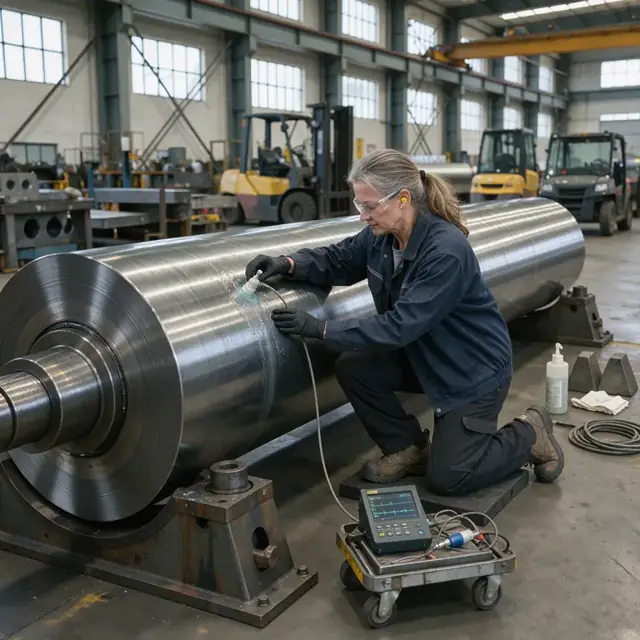
Maintenance Planner
Track equipment condition, generate preventive maintenance checklists and forecast outages.
Works in: Ambitious Tasks, Ambitious Sheets, Process Optimizer · Workflows: Equipment maintenance and downtime logging
Automates
- Generates daily and periodic maintenance checklists
- Logs downtime and corrective actions
- Tracks roll wear, furnace life and fluid condition
- Forecasts upcoming maintenance windows
Stops for a person
- Maintenance manager approves all work orders and schedules
- Outside contractors perform specialized roll grinding and calibrations
Workflows
Order specification and feasibility review
Starts when: New customer purchase order or specification sheet arrives
- Parse alloy, temper, gauge, width, finish, quantity and delivery date from the order
- Check against current mill capabilities, open capacity and minimum order sizes
- Identify any special requirements for surface quality, testing or certification
- Draft material test report template and required quality checkpoints
- Create a production order task with full specification breakdown
Watch for: Certain high-strength alloys require specific casting and rolling sequences; Narrow gauge or high-width orders may exceed current mill limits
Rolling and processing schedule creation
Starts when: Weekly capacity meeting and after each new confirmed order
- Group orders by alloy family and similar gauge to minimize changeovers
- Sequence melts, hot rolls, cold rolls, anneals and slit operations
- Assign equipment and shift resources to each operation
- Calculate expected coil output and yield loss at each stage
- Flag any orders that require expedited processing
Watch for: Rolling mills require hours for cleaning and setup when changing alloys; Annealing furnace schedules are limited by temperature ramp rates and soak times
Raw material and consumable requisition
Starts when: After production schedule is locked and weekly
- Explode the schedule into required ingot, scrap and master coil quantities by alloy
- Subtract current inventory and on-order material
- Draft purchase requisitions for primary aluminum, alloying elements and rolling oils
- Generate consumable lists for filter bags, thermocouples and packing materials
- Track usage versus plan and log scrap rates
Watch for: Alloy chemistry must be verified before charging the furnace; Rolling coolant and oil must be ordered to match each process step
In-process and final quality testing
Starts when: At each process gate and upon coil completion
- Generate test plan for chemistry, mechanical properties, surface and dimensional checks
- Record results from spectrometer, tensile tester, gauge and surface inspection
- Flag any out-of-spec material for rework or scrap
- Compile data for the material test report
- Update traceability records for each coil
Watch for: Each coil must carry unique identification through every process; Surface defects must be documented with photos and location on the coil
Slitting, shearing and packaging
Starts when: After cold rolling and annealing are complete
- Schedule slitter or shear jobs according to customer width and length needs
- Calculate and track coil or sheet yield from master coils
- Generate packing lists, labels and certifications
- Assign warehouse locations for finished product
- Prepare shipment paperwork including bills of lading
Watch for: Slitter knife setups are time-consuming and must match exact width tolerances; Protective interleaving, wrapping and strapping must match customer requirements
Equipment maintenance and downtime logging
Starts when: Daily shift start, after each job and on fixed calendar intervals
- Generate daily preventive maintenance checklists for mills, furnaces and slitters
- Record actual downtime, reasons and corrective actions
- Track roll wear, furnace element life and hydraulic fluid condition
- Forecast next major maintenance windows
- Update overall equipment effectiveness metrics
Watch for: Certain maintenance can only occur during planned outages; Roll grinding and furnace calibration require specialized external vendors
Final certification and dispatch
Starts when: When product is packaged and ready to ship
- Compile all test results, heat numbers and process parameters into the material test report
- Draft packing list, certificate of conformance and bill of lading
- Schedule carrier pickup according to customer delivery window
- Record shipment details and update inventory
- Archive all traceability records for the order
Watch for: Many customers require specific formats for material test reports; Traceability must be maintained for years after shipment
Bot templates for this industry
Source: U.S. Small Business Administration, Office of Size Standards, Table of Small Business Size Standards Matched to North American Industry Classification System Codes, version March 2023 (effective 2023-03-17, NAICS 2022). Size standards are shown for reference only.