

Nonferrous Metal (except Aluminum) Smelting and Refining
Smelters and refiners of copper, lead, zinc, nickel, tin and other nonferrous metals receive scrap, ore concentrates and secondary materials, melt in furnaces, refine to specification, cast into ingots, billets or anodes, and ship to foundries and fabricators. Specialists convert customer purchase orders and material receipts into melt schedules, convert assays and melt data into refined batch plans, track furnace campaigns and refractory life, and maintain chain-of-custody and environmental logs while the metallurgist and furnace crew retain all decisions on chemistry adjustments, pouring and final certification.
What makes this business different
- Precise chemical specifications and impurity limits for each metal or alloy ordered by customers
- Furnace campaigns that run for days or weeks with scheduled maintenance and refractory replacement
- Incoming scrap, dross and concentrate materials that must be assayed, weighed and segregated before charging
- High-temperature process data, off-gas monitoring and environmental permit logs that must be recorded daily
- Chain-of-custody and material traceability from receipt through refining and casting
- Preventive maintenance on crucibles, induction coils, baghouses and casting equipment
- Hazardous materials handling, PPE requirements and safety documentation for molten metal
- Billing that combines metal content payment, tolling fees and refining charges
Specialist bots

Order Specification Clerk
Convert every customer purchase order into a precise production specification and schedule slot.
Works in: Ambitious Tasks, Ambitious Docs, Ambitious Sheets · Workflows: Customer order and specification intake
Automates
- Reads incoming purchase orders and extracts metal type, purity targets and quantity
- Checks against current campaigns and inventory
- Drafts confirmation and pricing summary
- Creates the production task with chemistry limits
Stops for a person
- Metallurgist reviews and approves all chemistry targets and rush requests
- A person sends the final confirmation and handles pricing disputes

Material Receipt and Assay Coordinator
Turn every incoming load of scrap or concentrate into a tracked lot with chain-of-custody and assay plan.
Works in: Ambitious Tasks, Ambitious Docs, Ambitious Sheets · Workflows: Incoming material receipt and assay
Automates
- Assigns lot numbers and records weights
- Generates sampling and chain-of-custody forms
- Updates inventory with expected metal content
- Flags hazardous materials for special handling
Stops for a person
- Forklift operator and receiving supervisor confirm weights and segregation
- Lab results are reviewed by the metallurgist before charging

Melt Campaign Scheduler
Combine orders and available materials into an optimized furnace campaign schedule.
Works in: Process Optimizer, Ambitious Sheets, Ambitious Tasks · Workflows: Melt campaign scheduling
Automates
- Matches orders to lots to minimize energy and flux
- Builds the timed charge and tap schedule
- Calculates projected yields and additional feed needed
- Flags incompatible metals and cleaning requirements
Stops for a person
- The furnace supervisor and metallurgist approve the final campaign plan
- Any changes to sequence are decided by the crew

Refining Chemistry Technician
Monitor each heat, record assays and calculate corrective additions to reach exact specification.
Works in: Ambitious Tasks, Ambitious Sheets, Ambitious Docs · Workflows: Refining and chemistry control
Automates
- Pulls the recipe and builds the addition checklist
- Logs lab results and computes needed corrections
- Tracks cumulative recovery and slag data
- Prepares the casting instructions once on-spec
Stops for a person
- Metallurgist must approve every chemistry change
- Furnace operator confirms temperatures and addition timing

Casting and Shipping Coordinator
Convert each refined batch into marked ingots or anodes and prepare shipping documents.
Works in: Ambitious Tasks, Ambitious Docs, Contract Analyzer · Workflows: Casting, marking and shipping
Automates
- Generates the casting plan and heat numbers
- Creates packing lists and certificate templates
- Schedules carrier pickup
- Closes production tasks and updates order status
Stops for a person
- The caster inspects and marks each unit
- A person reviews and signs all certificates and bills of lading
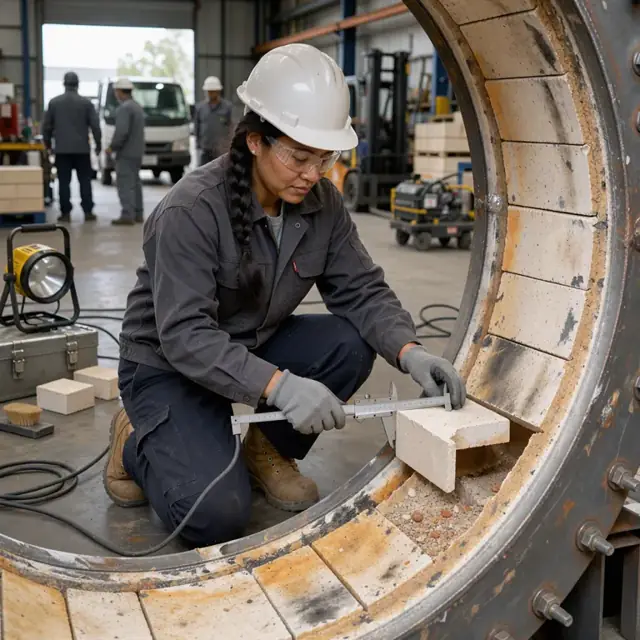
Maintenance and Refractory Planner
Track furnace and equipment condition and generate preventive maintenance work orders.
Works in: Ambitious Sheets, Ambitious Tasks, Process Optimizer · Workflows: Furnace and equipment maintenance
Automates
- Calculates remaining lining life from logged data
- Builds daily and campaign-end checklists
- Tracks spare parts inventory
- Drafts repair work orders
Stops for a person
- Maintenance manager approves all work orders and outside contractor selections
- Crew performs and signs off on actual repairs

Environmental and Safety Logging Clerk
Compile daily operating logs, generate safety checklists and track permit renewal dates.
Works in: Ambitious Tasks, Ambitious Docs, Ambitious Sheets · Workflows: Environmental, safety and permit logging
Automates
- Assembles temperature and emission logs
- Creates daily safety and PPE checklists
- Warns before permit and report deadlines
- Keeps reagent safety data current
Stops for a person
- Environmental manager confirms all report content before submission
- Safety incidents and corrective actions are handled exclusively by people
Workflows
Customer order and specification intake
Starts when: Receipt of purchase order or request for quotation from customer
- Capture the metal type, purity or alloy specification, quantity, delivery date and any special testing requirements
- Check against current furnace campaign, available capacity and raw material inventory
- Draft a confirmation with pricing based on metal content and refining charges
- Create a production task with the exact chemistry targets and testing plan
- Log the order in the master schedule
Watch for: Exact impurity limits must be captured and never approximated; Rush orders may require bumping a current campaign only after metallurgist approval
Incoming material receipt and assay
Starts when: Delivery of scrap, concentrates, dross or returns
- Weigh and photograph incoming loads
- Assign unique lot numbers and segregate by type and suspected chemistry
- Draft chain-of-custody forms and sample collection instructions
- Send samples to lab and record preliminary visual or handheld XRF results
- Update inventory sheets with expected metal content
Watch for: Radioactive or hazardous materials must be identified before unloading; Moisture and volatile content affect charging calculations
Melt campaign scheduling
Starts when: Weekly or after each new order intake and material receipt
- Combine open orders with available lots to minimize flux and energy use
- Build a sequenced furnace schedule showing charge weights, flux additions and expected tap times
- Calculate projected yields and required additional feed
- Flag any required alloying elements or cover gases
- Export the schedule to the furnace control tasks
Watch for: Furnace lining life and temperature limits constrain campaign length; Certain metals cannot be mixed in the same furnace without thorough cleaning
Refining and chemistry control
Starts when: Start of each furnace heat or shift
- Pull the batch recipe from the melt schedule
- Generate step-by-step addition and skimming checklist with target temperatures
- Record lab assay results and calculate corrective additions
- Track cumulative metal recovery and slag composition
- Prepare casting instructions once chemistry is within specification
Watch for: Metallurgist must approve every chemistry adjustment; Off-gas and particulate readings must be logged continuously
Casting, marking and shipping
Starts when: Completion of each refined batch
- Generate casting plan with ingot, billet or anode sizes
- Create unique heat numbers and attach to each cast unit
- Draft packing list and certificate of analysis template
- Schedule pickup or truck loading
- Close the production task and update customer order status
Watch for: Cast product must be cooled to safe temperature before handling; Markings must be permanent and match customer requirements
Furnace and equipment maintenance
Starts when: End of campaign or on calendar intervals
- Calculate remaining refractory life from operating hours and temperatures
- Generate preventive maintenance checklist for coils, burners, baghouse filters and casting molds
- Track spare crucible and electrode inventory
- Draft work orders for any repairs
- Update the master maintenance log
Watch for: Refractory failure during a campaign can be extremely costly; Certain maintenance requires outside certified contractors
Environmental, safety and permit logging
Starts when: Daily operations and on renewal dates
- Compile daily temperature, off-gas and emission logs
- Generate checklists for molten-metal safety procedures and PPE inspections
- Track permit, license and monitoring report due dates
- Draft summary reports for regulatory submission
- Keep material safety data sheets current for all fluxes and reagents
Watch for: Local, state and federal rules for emissions, wastewater and hazardous waste differ by location; The environmental manager confirms all report content before filing
Bot templates for this industry
Source: U.S. Small Business Administration, Office of Size Standards, Table of Small Business Size Standards Matched to North American Industry Classification System Codes, version March 2023 (effective 2023-03-17, NAICS 2022). Size standards are shown for reference only.