

Copper Rolling, Drawing, Extruding, and Alloying
Copper rolling, drawing, extruding and alloying facilities take customer orders for rod, wire, tube, sheet and custom profiles. Specialists convert orders into production schedules, raw material requisitions, melt preparations and tooling setups while generating melt logs, dimensional records, annealing schedules and material test reports. Alloy recipes, furnace parameters, die libraries and all quality sign-offs remain with the metallurgist and operators.
What makes this business different
- Exact alloy compositions that must be verified by melt analysis before casting
- Dimensional tolerances and surface-finish requirements that need setup verification and in-process checks
- High-temperature melting, casting, extrusion, drawing, rolling and annealing schedules with strict thermal and cooling controls
- Die, mandrel and roll libraries that are tracked, inspected and refurbished on a schedule
- Raw copper cathode, scrap and alloying elements purchased in traceable lots with heat numbers
- Material test reports, certificates of conformance and full traceability records for each production lot
- Preventive maintenance on extrusion presses, drawing benches, rolling mills, furnaces and annealing ovens
- Repeat industrial customers who reorder standard sizes and occasionally request custom alloy or profile development
Specialist bots

Order Engineer
Convert every customer specification into a technically feasible production order containing all required parameters.
Works in: Ambitious Docs, Ambitious Tasks, Contract Analyzer · Workflows: Order intake and specification review
Automates
- Reads incoming purchase orders, drawings and specifications
- Checks alloy, temper, dimensions and tolerances against the existing library
- Calculates expected lead time from current equipment availability
- Drafts the technical specification sheet for production
- Creates the production task
Stops for a person
- The metallurgist approves any non-standard alloy, temper or tolerance
- Engineering reviews requirements for new dies, rolls or mandrels
- A person sends the formal order acknowledgment
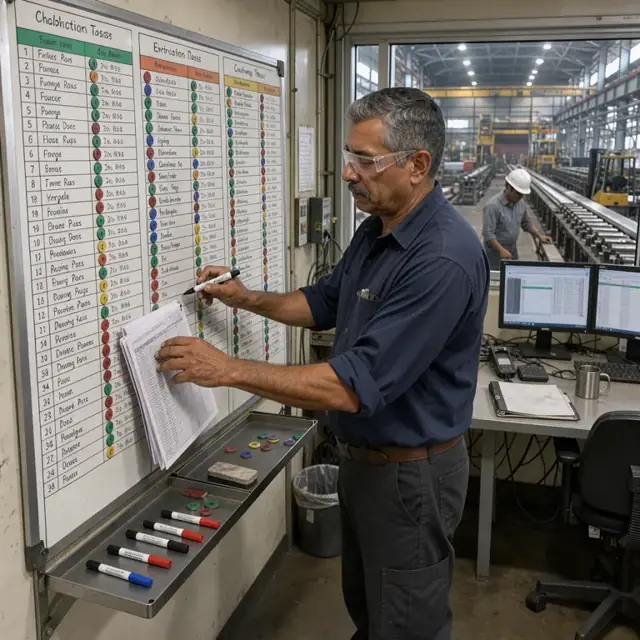
Production Scheduler
Build weekly and daily production sequences that respect alloy families, equipment capacity, thermal history and changeover constraints.
Works in: Ambitious Sheets, Ambitious Tasks · Workflows: Production scheduling and capacity planning
Automates
- Groups orders by alloy family, product form and temper
- Minimizes changeovers between similar heats and processes
- Assigns furnace, press, mill and annealing time
- Flags any orders that need new or refurbished tooling
Stops for a person
- The operations manager adjusts the final sequence
- The metallurgist reviews thermal history and work-hardening constraints
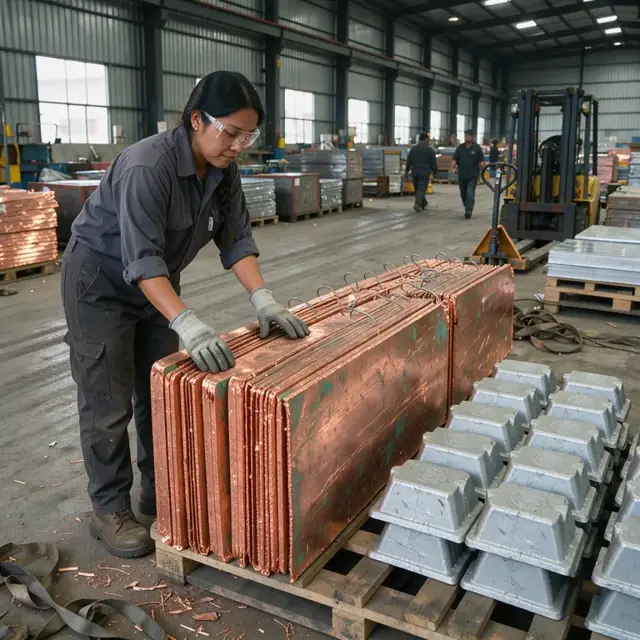
Materials Coordinator
Turn the production schedule into precise raw material orders while maintaining full heat traceability.
Works in: Ambitious Sheets, Ambitious Tasks, Ambitious Docs · Workflows: Raw material purchasing and inventory
Automates
- Calculates cathode, scrap and alloying element requirements
- Subtracts current inventory and pending receipts
- Drafts purchase requisitions organized by supplier
- Tracks lot numbers and material certifications through the entire process
Stops for a person
- Purchasing approves and places every purchase
- The metallurgist verifies material certifications before charging
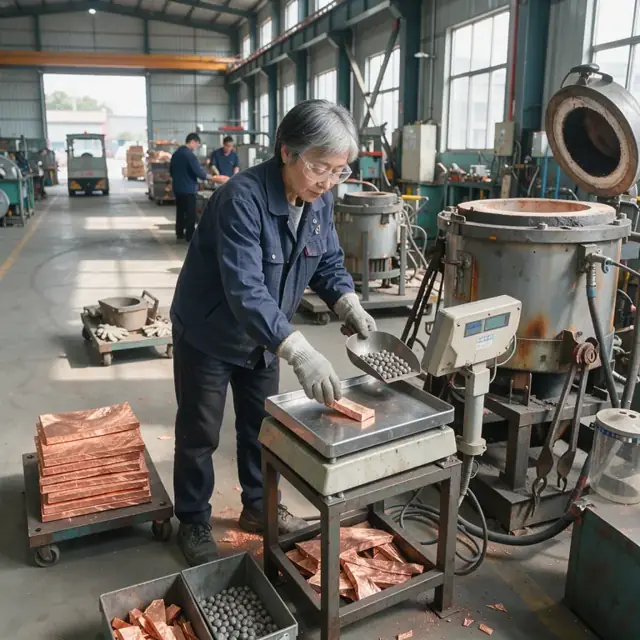
Melt Preparation Technician
Generate exact charge sheets, melt logs and sampling plans for each furnace heat.
Works in: Ambitious Tasks, Ambitious Docs, Ambitious Sheets · Workflows: Melt and casting preparation
Automates
- Builds charge calculations from the alloy recipe
- Pulls and attaches material certifications for every component
- Creates a digital melt log with target chemistry and temperatures
- Schedules spectrometer sampling and any adjustment additions
Stops for a person
- The melter confirms final charge weights before loading the furnace
- The metallurgist reviews chemistry results and approves additions
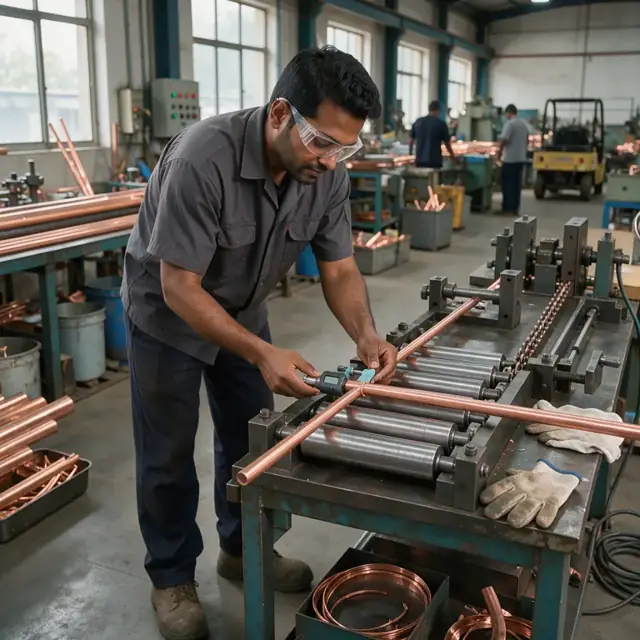
Process Verifier
Monitor extrusion, drawing and rolling parameters and record in-process measurements against specifications.
Works in: Ambitious Tasks, Ambitious Sheets, Process Optimizer · Workflows: Extrusion, drawing and rolling operations, Quality inspection and documentation
Automates
- Loads approved parameters into the equipment setup
- Records actual temperatures, speeds, reductions and cooling rates
- Compares dimensions and properties to tolerances after each pass
- Flags any out-of-spec material immediately for review
Stops for a person
- The operator confirms the setup before starting the production run
- The quality technician performs final sign-off on test reports

Tooling and Maintenance Manager
Track dies, mandrels, rolls and equipment operating hours and schedule all preventive maintenance and refurbishments.
Works in: Ambitious Sheets, Ambitious Tasks, Ambitious Docs · Workflows: Equipment maintenance and die management
Automates
- Logs usage hours on each piece of equipment
- Generates preventive maintenance checklists
- Tracks die, mandrel and roll wear measurements
- Schedules refurbishment, replacement and re-machining
Stops for a person
- Maintenance technicians perform and document the actual work
- The operations manager approves any major tooling purchases

Quality Documenter
Compile test results, spectrometer data and measurements into material test reports and certificates of conformance.
Works in: Ambitious Docs, Ambitious Sheets, Ambitious Tasks · Workflows: Quality inspection and documentation
Automates
- Pulls all test data for a given heat or lot
- Populates material test report templates
- Compares values against the customer specification the owner has confirmed
- Prepares the documentation package
Stops for a person
- The quality manager reviews and signs every report
- The metallurgist confirms chemistry meets the specification
- A person releases the final certificate to the customer
Workflows
Order intake and specification review
Starts when: A customer submits a purchase order, request for quote or specification sheet
- Capture alloy type, temper, dimensions, tolerances, quantity, surface finish and any special testing requirements
- Check against the existing die, roll and mandrel library for feasibility
- Confirm lead time against current furnace, press and mill availability
- Draft expected material test report and certificate of conformance requirements
- Create a production task containing the full technical specification
Watch for: Alloy chemistry must match the customer specification exactly; Special tolerances or surface finishes require metallurgist review before acceptance
Production scheduling and capacity planning
Starts when: After order confirmation and weekly
- Group orders by alloy family, product form, temper and required thermal history
- Sequence jobs to minimize furnace and mill changeovers while respecting work-hardening limits
- Assign melt heats, extrusion or rolling campaigns, drawing passes and annealing time
- Reserve furnace and cooling capacity for each step
- Flag orders that require new or refurbished dies, mandrels or rolls
Watch for: Furnace and press capacities dictate minimum and maximum batch sizes; Sequence must respect thermal history to prevent material defects
Raw material purchasing and inventory
Starts when: After schedule is locked and monthly
- Calculate cathode, scrap and alloying element needs from the production plan
- Subtract current inventory and open heats
- Draft purchase requisitions organized by supplier
- Track lot numbers, heat numbers and material certifications
- Monitor scrap generation, return programs and yield loss
Watch for: Full traceability from raw cathode lot to finished product is required; Alloying elements are purchased in precise quantities to control melt chemistry
Melt and casting preparation
Starts when: Before each furnace heat
- Generate a charge sheet with exact weights of copper cathode and alloying additions
- Pull and verify material certifications for every lot going into the heat
- Create a melt log template with target chemistry, temperature and holding times
- Schedule spectrometer sampling points and any necessary adjustment additions
- Prepare molds or continuous casting setup and verify equipment readiness
Watch for: Final chemistry must be verified by the metallurgist before pouring; Temperature, holding time and cooling rate directly affect grain structure and properties
Extrusion, drawing and rolling operations
Starts when: Daily production start
- Load the approved die, mandrel or roll set into the press, bench or mill
- Set extrusion parameters, number of drawing passes, reductions and annealing points
- Monitor billet temperature, ram speed, cooling and roll pressure in real time
- Record actual dimensions, surface condition and mechanical properties after each pass
- Flag any out-of-tolerance material for rework or scrap
Watch for: Die and roll condition directly affects surface quality; Work hardening requires precise intermediate annealing steps
Quality inspection and documentation
Starts when: After each production step and at final release
- Record dimensional measurements, surface finish, mechanical properties and spectrometer results
- Attach all test data to the specific heat or lot number
- Generate a material test report draft
- Compare results against the customer specification
- Prepare the complete certificate of conformance package
Watch for: All test equipment must be calibrated on its required schedule; Records must be retained for customer audits and traceability
Equipment maintenance and die management
Starts when: On scheduled intervals and after each campaign
- Track operating hours on presses, mills, furnaces, drawing benches and annealing ovens
- Generate preventive maintenance checklists for each asset
- Inspect and log die, mandrel and roll wear measurements
- Schedule refurbishment, replacement or re-machining
- Maintain an organized library of approved tooling with usage and inspection history
Watch for: Unplanned downtime on the extrusion press or rolling mill is extremely costly; Die life varies significantly by alloy, temperature and production speed
Bot templates for this industry
Source: U.S. Small Business Administration, Office of Size Standards, Table of Small Business Size Standards Matched to North American Industry Classification System Codes, version March 2023 (effective 2023-03-17, NAICS 2022). Size standards are shown for reference only.