

Nonferrous Metal (except Copper and Aluminum) Rolling, Drawing and Extruding
Mills that roll, draw and extrude nonferrous metals such as titanium, nickel, magnesium and zinc take custom alloy, temper and dimension orders, schedule mill runs, track heats and certifications, maintain dies and rolls, and ship material test reports with each order. The specialists turn customer specs into verified order tasks, orders into a production schedule with heat numbers and certifications, schedule into material requisitions and die setups, and completed coils or extrusions into test reports, packaging and shipping paperwork. Metallurgical calls, alloy certifications and mechanical testing stay with the metallurgist and quality team.
What makes this business different
- Custom orders with precise alloy, temper, gauge, width, length, surface finish and mechanical properties that must match certified material exactly
- Heat-lot traceability from raw billet through finished product with mill test reports required for each shipment
- Specialized equipment including rolling mills, draw benches, extrusion presses and annealing furnaces that require die or roll changes between runs
- Strict process controls for temperature, reduction ratios, annealing cycles and cooling rates that affect final properties
- Inventory of costly nonferrous billets, coils and scrap with high value and long lead times from suppliers
- Compliance paperwork including material certifications, mechanical test results, dimensional inspections and packing lists
- Long-lead customer orders for aerospace, medical, marine and electronics markets that require advance scheduling and capacity reservation
Specialist bots

Order Verifier
Convert every customer purchase order or request for quotation into a verified production-ready specification.
Works in: Ambitious Tasks, Ambitious Docs, Contract Analyzer · Workflows: Order specification and verification
Automates
- Reads incoming purchase orders and extracts alloy, temper, dimensions and certification requirements
- Checks order against mill capability and current inventory
- Compares requirements to available dies, rolls and process parameters
- Drafts the order acknowledgment
- Creates the production task with full technical details
Stops for a person
- The metallurgist reviews and approves any non-standard alloy, temper or testing requirements
- A person sends the final order acknowledgment and handles commercial terms

Mill Production Scheduler
Turn verified orders into an optimized weekly production schedule with heat traceability.
Works in: Ambitious Tasks, Ambitious Sheets, Process Optimizer · Workflows: Mill production scheduling
Automates
- Groups orders by alloy family and similar dimensions
- Assigns heat numbers and lot codes
- Sequences runs to reduce changeover time
- Reserves mill time, furnaces and tooling
- Flags orders needing special testing
Stops for a person
- The production manager approves the final schedule
- The metallurgist confirms heat and process assignments

Material and Tooling Coordinator
Calculate and requisition the exact nonferrous billets, coils and tooling needed for each scheduled run.
Works in: Ambitious Sheets, Ambitious Tasks, Ambitious Docs · Workflows: Raw material and tooling requisition
Automates
- Calculates required material quantities by alloy and heat
- Subtracts available certified stock
- Drafts purchase requisitions for additional material
- Prepares die and roll setup lists
- Tracks material yield from prior runs
Stops for a person
- The purchasing manager places all material orders and spends funds
- The metallurgist approves any use of alternate certified material
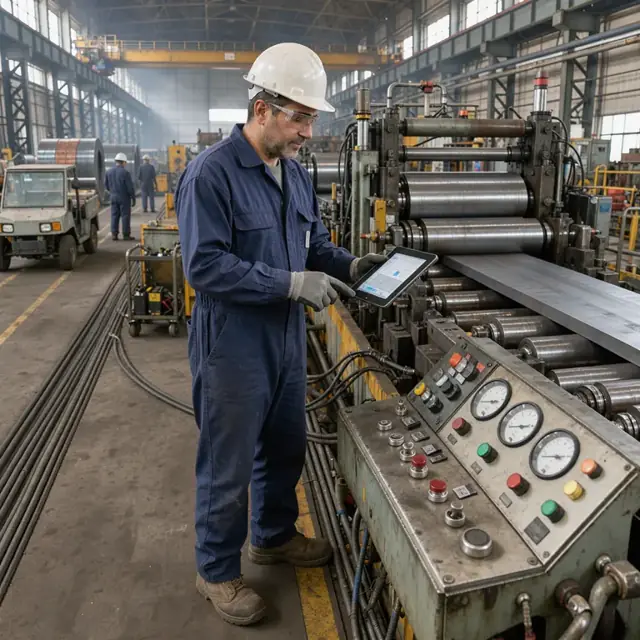
Process Parameter Technician
Generate detailed process sheets with exact parameters and capture actual production data for each run.
Works in: Ambitious Docs, Ambitious Sheets, Process Optimizer · Workflows: Process parameter and quality control
Automates
- Creates process sheets with temperatures, speeds and reduction ratios
- Logs actual versus target parameters from each pass
- Captures in-process measurements and sample identifications
- Schedules laboratory testing
- Maintains heat and lot traceability records
Stops for a person
- The metallurgist approves the process sheet before production begins
- The operator records actual machine data and the quality team reviews test samples

Certification Preparer
Compile test results and process data into complete mill test reports and certification packages.
Works in: Ambitious Docs, Ambitious Sheets, Ambitious Tasks · Workflows: Material certification and test report preparation
Automates
- Assembles chemical, mechanical and dimensional test data
- Matches all results to the specific heat and lot
- Drafts the mill test report in customer-required format
- Attaches supporting laboratory certificates
- Prepares the full certification package
Stops for a person
- The quality manager reviews and signs every test report
- The metallurgist confirms that results meet the specified requirements

Shipping and Documentation Coordinator
Prepare packing lists, labels, export documents and shipping paperwork once material is certified.
Works in: Ambitious Docs, Ambitious Tasks, Ambitious Sheets · Workflows: Packaging, marking and shipping documentation
Automates
- Generates packing lists with heat and lot numbers
- Creates shipping labels and markings
- Prepares export and commercial documents when needed
- Records final weights and piece counts
- Drafts the final shipment release
Stops for a person
- A person performs the final visual inspection and applies permanent markings
- The shipping manager approves all documents before material leaves the facility
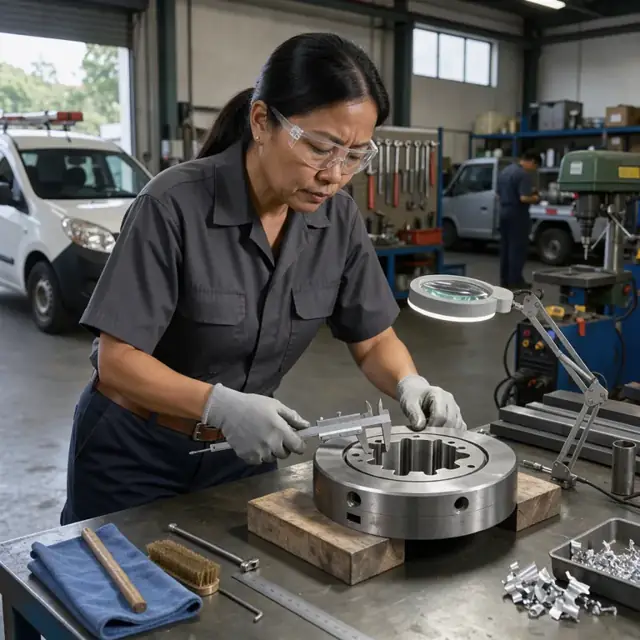
Tooling and Maintenance Clerk
Track die, roll and equipment usage, schedule maintenance and maintain calibration records.
Works in: Ambitious Sheets, Ambitious Tasks, Ambitious Docs · Workflows: Die roll and equipment maintenance tracking
Automates
- Logs tonnage or hours on each die and roll set
- Calculates remaining life based on wear limits
- Schedules preventive maintenance and inspections
- Tracks calibration due dates for test equipment
- Forecasts upcoming tooling refurbishment
Stops for a person
- The maintenance supervisor approves all repair and calibration work
- The quality manager reviews and signs calibration records
Workflows
Order specification and verification
Starts when: A customer submits a purchase order or request for quotation
- Capture alloy, temper, dimensions, tolerances, mechanical properties, surface requirements and certification needs
- Check the order against mill capabilities, available dies or rolls, and current alloy inventory
- Confirm lead time against the production schedule and any reserved capacity
- Draft the order acknowledgment with all technical details
- Create a production task with full material specification and heat traceability requirements
Watch for: Alloy chemistry and mechanical properties must be captured exactly as specified and never approximated; Orders requiring special melts or non-standard tempers require metallurgist review before acceptance
Mill production scheduling
Starts when: After order verification and on a weekly cadence
- Group orders by alloy family, temper and similar dimensions to minimize changeovers
- Assign heat numbers and lot traceability for each planned run
- Schedule rolling, drawing or extrusion sequences with required annealing and finishing steps
- Reserve mill time, dies, rolls and furnace capacity
- Flag any orders requiring destructive testing or special inspections
Watch for: Changeover time between alloys and sizes is significant and must be minimized; Equipment capacity is limited by tonnage, speed and available tooling
Raw material and tooling requisition
Starts when: After production schedule is locked
- Calculate required billet, coil or ingot quantities by alloy and heat
- Subtract available certified inventory and scrap return allowances
- Draft purchase requisitions for any additional material from approved suppliers
- Prepare die, roll and tooling setup lists for each scheduled run
- Track material yield and scrap rates from previous runs
Watch for: Nonferrous metals have high material cost and long procurement lead times; Only supplier-certified material with its own mill test reports may be used
Process parameter and quality control
Starts when: At the start of each production run
- Generate the detailed process sheet with temperatures, speeds, reduction percentages and annealing parameters
- Log actual process data from each pass or cycle against the target parameters
- Capture in-process measurements of gauge, width, straightness and surface condition
- Schedule samples for mechanical testing and laboratory analysis
- Maintain the chain of custody for each heat and lot
Watch for: Process parameters directly determine final mechanical properties and must be followed precisely; Metallurgist must approve any deviations from the standard procedure
Material certification and test report preparation
Starts when: After each production run is completed and tested
- Compile chemical analysis, mechanical test results, dimensional inspection data and process logs
- Match test results to the specific heat and lot produced
- Draft the mill test report in the format required by the customer specification
- Attach all supporting laboratory reports and inspection records
- Prepare the certification package for review
Watch for: Many customers require specific report formats and third-party witness testing; All data must be traceable to the exact heat and production run
Packaging, marking and shipping documentation
Starts when: After certification package is approved
- Generate packing list with heat, lot and serial numbers
- Draft shipping labels with alloy, temper, dimensions and customer order reference
- Prepare export documentation when required for international shipments
- Draft commercial invoice and certificate of origin if applicable
- Record final weight, piece count and packaging method
Watch for: Material must be protected from contamination and damage during transit; Marking and labeling must remain legible and permanent
Die roll and equipment maintenance tracking
Starts when: After each production run and on a scheduled cadence
- Log usage hours or tonnage on each die, roll and tooling set
- Schedule inspection, polishing or replacement based on wear limits
- Track mill, furnace and draw bench preventive maintenance
- Maintain calibration records for all measurement and test equipment
- Forecast upcoming tooling refurbishment needs
Watch for: Tooling wear directly affects product surface quality and dimensional tolerance; Equipment calibration and maintenance records are frequently audited by customers
Bot templates for this industry
Source: U.S. Small Business Administration, Office of Size Standards, Table of Small Business Size Standards Matched to North American Industry Classification System Codes, version March 2023 (effective 2023-03-17, NAICS 2022). Size standards are shown for reference only.