

Secondary Smelting, Refining, and Alloying of Nonferrous Metal (except Copper and Aluminum)
Secondary smelters, refiners and alloyers of nonferrous metals such as nickel, zinc, lead, tin and precious metals receive scrap, dross, spent catalysts and residues, melt them in furnaces, refine to specification and cast into ingots, shot or anodes. Specialists turn incoming material descriptions into melt schedules, furnace charges and test plans, track furnace logs and emissions paperwork, and convert assay results into certified shipments while the melt crew controls temperatures, slag and chemistry.
What makes this business different
- Incoming scrap, residues and catalysts that vary widely in composition and must be assayed or sorted before charging
- High-temperature furnace campaigns that run on fixed schedules with strict cooldown, relining and maintenance windows
- Precise alloy chemistry targets achieved by calculated additions of virgin metals, fluxes and alloying agents
- Furnace logs, temperature charts, slag analyses and emissions monitoring that must be kept for regulatory review
- Hazardous materials handling including lead, cadmium, mercury or radioactive contaminants that trigger special permits and manifests
- Batch traceability from incoming lot through melt, refinement, casting and final shipment
- Customers who require material test reports, certificates of analysis and conflict-mineral statements with each shipment
Specialist bots

Intake and Sorting Coordinator
Turn every incoming scrap or residue shipment into a labeled, traceable lot ready for the melt schedule.
Works in: Ambitious Tasks, Ambitious Docs, Ambitious Sheets · Workflows: Incoming material intake and sorting
Automates
- Reads supplier manifests and creates internal lot records
- Assigns quarantine status when hazardous indicators appear
- Generates sampling instructions and material cards
- Tracks visual or mechanical sorting steps
Stops for a person
- The melt supervisor decides final disposition of questionable lots
- A person physically verifies high-value or regulated materials before acceptance
- All manifests and hazardous waste documents are signed only by authorized people
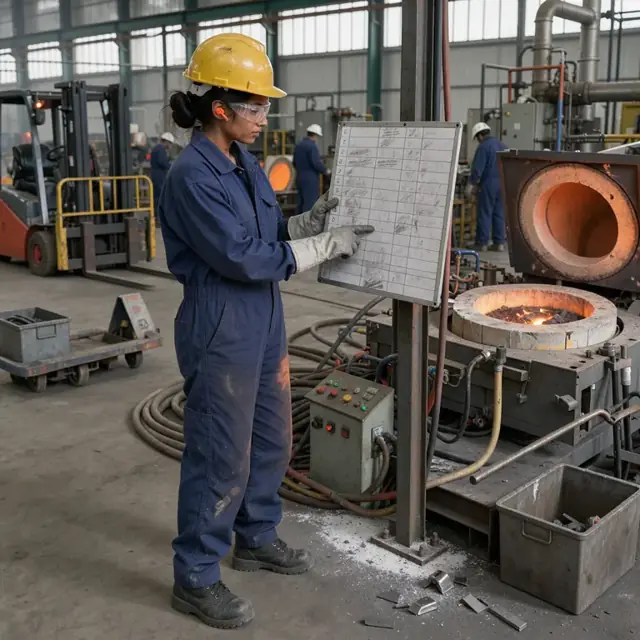
Melt Campaign Planner
Convert open orders and available lots into a safe, efficient furnace campaign schedule.
Works in: Ambitious Tasks, Process Optimizer, Ambitious Sheets · Workflows: Furnace melt campaign scheduling
Automates
- Matches lots to furnace capacity and lining life
- Sequences heats to minimize changeover time and contamination
- Builds the daily or weekly melt schedule with tap times
- Flags materials needing pre-treatment
Stops for a person
- The furnace operator reviews and adjusts the schedule each shift
- The owner approves any campaign that includes regulated metals
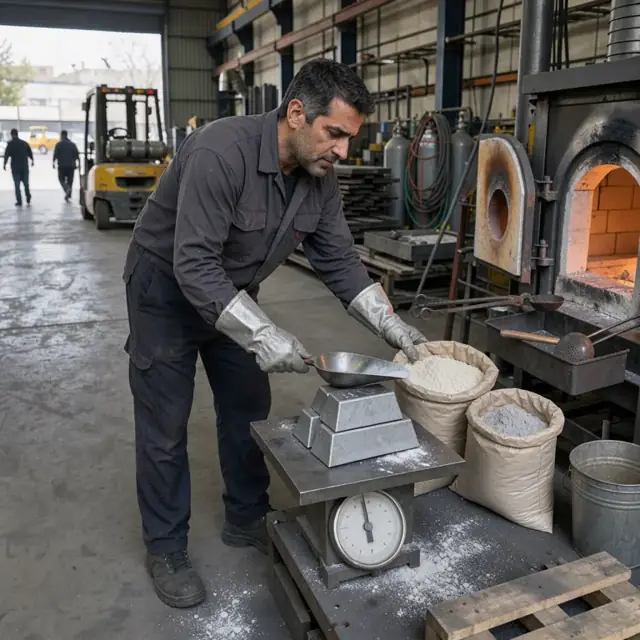
Charge and Alloy Calculator
Calculate precise charge weights, flux recipes and alloy additions to hit target chemistry.
Works in: Ambitious Sheets, Ambitious Tasks, Ambitious Docs · Workflows: Charge calculation and preparation
Automates
- Uses assay data to compute required charge and additions
- Generates weighed material lists for each heat
- Creates flux and cover-compound recipes
- Produces the digital heat card
Stops for a person
- The melter confirms final charge weights before loading
- Any deviation from standard recipes requires owner sign-off

Refining and Chemistry Technician
Monitor each heat, log temperatures and samples, and recommend corrective additions to reach final specification.
Works in: Ambitious Tasks, Ambitious Sheets, Ambitious Docs · Workflows: Refining, sampling and chemistry control
Automates
- Logs operator temperature entries at prescribed intervals
- Schedules and records lab sample results
- Compares chemistry against targets and suggests additions
- Tracks slag removal data and updates the heat card
Stops for a person
- The lead melter decides when to tap and makes final chemistry calls
- All lab results are reviewed by a person before the heat proceeds

Casting and Shipment Coordinator
Turn approved heats into cast product instructions, labels and shipment documentation.
Works in: Ambitious Tasks, Ambitious Docs, Ambitious Sheets · Workflows: Casting, inspection and shipment preparation
Automates
- Generates mold pouring and cooling instructions
- Assigns heat numbers and cast dates to bundles
- Drafts packing lists and certificate-of-analysis templates
- Schedules loading once material has cooled
Stops for a person
- A person visually inspects castings for defects before labeling
- The owner approves all certificates and test reports before they are sent with shipments
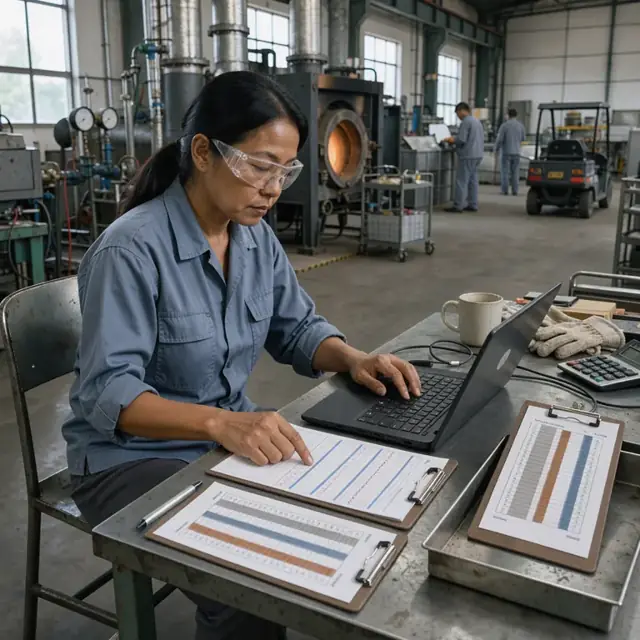
Compliance and Emissions Clerk
Compile furnace logs, emissions data and permit records so the owner can meet all reporting requirements.
Works in: Ambitious Docs, Ambitious Sheets, Ambitious Tasks · Workflows: Emissions, permit and compliance logging
Automates
- Assembles shift and campaign operating logs
- Compiles baghouse and scrubber performance data
- Tracks permit and inspection due dates
- Prepares summary reports for review
Stops for a person
- The environmental manager or owner confirms all parameters before submission
- People handle all regulatory filings, inspections and corrective actions

Inventory and Reorder Steward
Maintain accurate lot-level inventory of raw materials, fluxes and finished metal while drafting reorder lists.
Works in: Ambitious Sheets, Ambitious Tasks, Ambitious Docs · Workflows: Inventory tracking and raw material reordering
Automates
- Subtracts consumed materials after each heat
- Calculates yields and flags low stock items
- Tracks precious-metal content across lots
- Drafts purchase lists by supplier
Stops for a person
- The owner reviews and approves every purchase before it is placed
- Physical inventory counts are performed and reconciled by people
Workflows
Incoming material intake and sorting
Starts when: A shipment of scrap, dross, spent catalyst or residue arrives at the yard
- Capture supplier, lot number, weight, description and any accompanying manifest
- Assign a unique internal lot identifier and quarantine if hazardous indicators are present
- Schedule sampling or assay for unknown materials before blending or charging
- Record visual sort or separation steps such as magnetic, density or manual segregation
- Create a charge-ready material card with estimated composition
Watch for: Radioactive or reactive materials must be isolated immediately; Chain-of-custody manifests for hazardous or regulated metals cannot be altered without owner approval
Furnace melt campaign scheduling
Starts when: End of previous campaign or weekly production meeting
- Review open customer orders and target alloy specifications
- Match available lots to furnaces based on capacity, lining condition and chemistry compatibility
- Build a sequenced melt schedule showing charge weights, flux additions and expected tap times
- Flag lots requiring pre-treatment such as drying or roasting
- Export the schedule to the shop floor task list
Watch for: Furnace linings have limited life and must not be over-cycled; Certain metals cannot be mixed in the same furnace without major cleanup
Charge calculation and preparation
Starts when: Before each furnace heat
- Use assay data or estimated composition to calculate exact charge weights and alloy additions needed
- Generate a weighed charge list for the floor crew
- Draft the flux and cover-compound recipe for that heat
- Record any pre-melt treatments such as sweating or de-oiling
- Create a digital heat card that travels with the batch
Watch for: Small adjustments to reach exact chemistry must be calculated accurately to avoid expensive rework; Moisture in charge materials can cause dangerous steam explosions
Refining, sampling and chemistry control
Starts when: During each furnace heat after initial melt
- Log furnace temperatures at set intervals from operator entries
- Schedule dip samples or button samples at the correct process points
- Compare lab results against target specification and suggest corrective additions
- Track slag skimming times, volumes and analyses
- Update the heat card with final chemistry before tap
Watch for: Chemistry must be adjusted in real time while the heat is still molten; Over-refining or contamination can render an entire heat off-spec
Casting, inspection and shipment preparation
Starts when: After each heat is approved for tapping
- Generate casting instructions for ingot, shot or anode molds
- Record cast weights, cooling method and any defects observed
- Attach heat number, alloy designation and cast date to each bundle or pallet
- Draft packing list and certificate of analysis template
- Schedule pickup or truck loading once material is cool and labeled
Watch for: Cast product must be free of visible slag or inclusions before shipment; Certain alloys require inert gas shrouding or specific cooling rates
Emissions, permit and compliance logging
Starts when: End of each shift, each campaign and on regulatory deadlines
- Compile daily furnace operating hours, fuel use and operator-entered emission readings
- Generate required logs for baghouse, scrubber or afterburner performance
- Track permit, license and tank inspection due dates
- Assemble monthly or quarterly summary reports for owner review
- Maintain lot-specific hazardous waste or manifest records
Watch for: Different states and EPA regions require different reporting formats and frequencies; The melt supervisor confirms all operating parameters before any report is finalized
Inventory tracking and raw material reordering
Starts when: After each heat and on a weekly cadence
- Subtract consumed materials from the live inventory sheet
- Calculate yield from incoming lot to finished product
- Flag low stocks of fluxes, alloying elements, crucibles and furnace parts
- Draft purchase lists by supplier for virgin metals and consumables
- Track customer returns, tolling material and owned scrap separately
Watch for: Precious metal content must be tracked to four decimal places to protect value; Owner must approve every purchase order before it is sent
Bot templates for this industry
Source: U.S. Small Business Administration, Office of Size Standards, Table of Small Business Size Standards Matched to North American Industry Classification System Codes, version March 2023 (effective 2023-03-17, NAICS 2022). Size standards are shown for reference only.