

Iron Foundries
Iron foundries pour molten gray and ductile iron into sand molds to produce castings for machinery, automotive, construction and infrastructure parts. The specialists turn customer drawings and specifications into pattern and core requirements, create mold and pour schedules, track metal chemistry and sand system conditions, manage heat treat and finishing steps, and prepare castings for shipment while maintaining pouring records, inspection reports and material certifications that the foundry team reviews and signs.
What makes this business different
- Customer-supplied or foundry-created patterns, core boxes and gating systems that must be stored, inspected and matched to each order
- Sand system management with daily testing of moisture, permeability, compressive strength and grain fineness for green sand molds
- Molten metal chemistry control with spectrometer readings for carbon, silicon, manganese and trace elements before each pour
- Pouring temperature, cooling curves and shakeout timing that directly affect casting soundness and microstructure
- Non-destructive testing, dimensional inspection, hardness testing and material certifications required per customer and ASTM specifications
- Furnace lining wear tracking, refractory replacement schedules and emissions monitoring for cupolas or electric furnaces
- Heavy casting storage, rigging, crating and shipment coordination with weight limits and transport documentation for certain alloys
Specialist bots
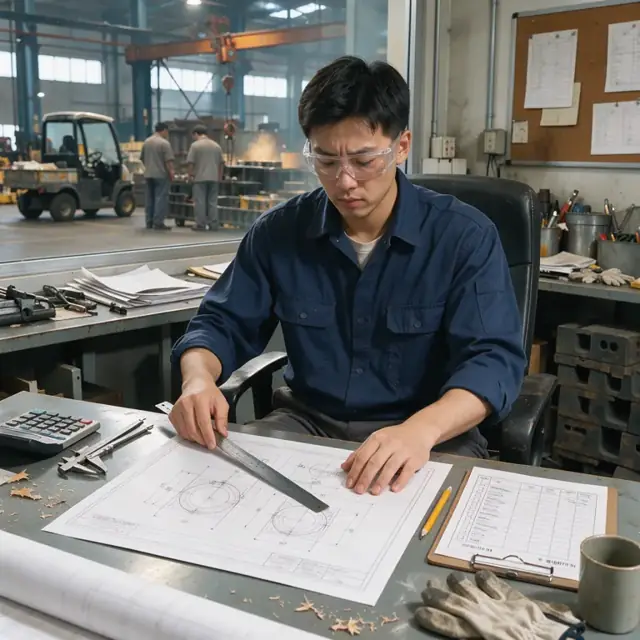
Drawing and Order Reviewer
Convert customer purchase orders and drawings into complete foundry job travelers with all technical requirements.
Works in: Ambitious Docs, Ambitious Tasks, Contract Analyzer · Workflows: Order and drawing review
Automates
- Reads incoming orders and attached drawings
- Extracts part numbers, revisions, quantities, due dates and specifications
- Compares requirements against existing patterns and processes
- Flags missing data or special testing needs
- Creates the initial job traveler task
Stops for a person
- Foundry engineer confirms pattern and gating feasibility
- Metallurgist reviews any non-standard alloy or heat treat requirements
- A person approves the final traveler before release to the floor

Pattern and Tooling Coordinator
Locate, inspect and release patterns, core boxes and tooling for each scheduled mold job.
Works in: Ambitious Tasks, Ambitious Sheets, Ambitious Docs · Workflows: Pattern and core box preparation
Automates
- Tracks pattern location and storage condition
- Generates inspection checklist for each pattern before use
- Schedules pattern repairs or new pattern construction
- Attaches tooling list to each job traveler
- Records return and post-use condition
Stops for a person
- Pattern maker performs any repairs or modifications
- Molding supervisor verifies pattern condition on the floor

Molding and Core Scheduler
Create daily molding, core making and pouring schedules based on current sand conditions and open orders.
Works in: Ambitious Tasks, Ambitious Sheets · Workflows: Molding and core making schedule
Automates
- Reviews open orders against flask and sand availability
- Assigns work to specific molding stations or lines
- Coordinates core production timing with mold completion
- Adjusts schedule for any delays or sand system issues
- Publishes the daily production list
Stops for a person
- Molding supervisor approves station assignments
- Pouring crew confirms readiness before schedule is locked
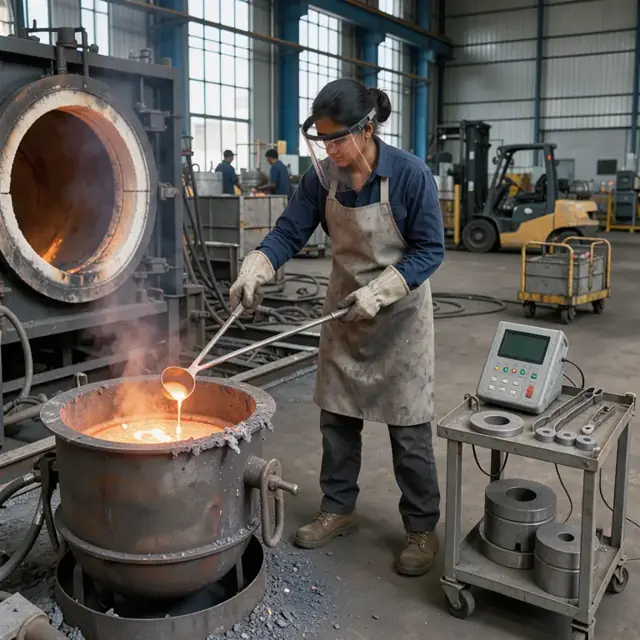
Melting and Pouring Controller
Calculate furnace charges, record chemistry and pouring data, and generate pour cards for each heat.
Works in: Ambitious Sheets, Ambitious Tasks, Ambitious Docs · Workflows: Melting, chemistry and pouring control
Automates
- Calculates charge materials for target chemistry
- Logs spectrometer results and adjustment additions
- Verifies pour temperature against alloy requirements
- Creates pour cards linked to specific molds
- Builds heat traceability records
Stops for a person
- Melter confirms charge and temperature readings
- Metallurgist reviews chemistry before tap
- A person signs the pour card
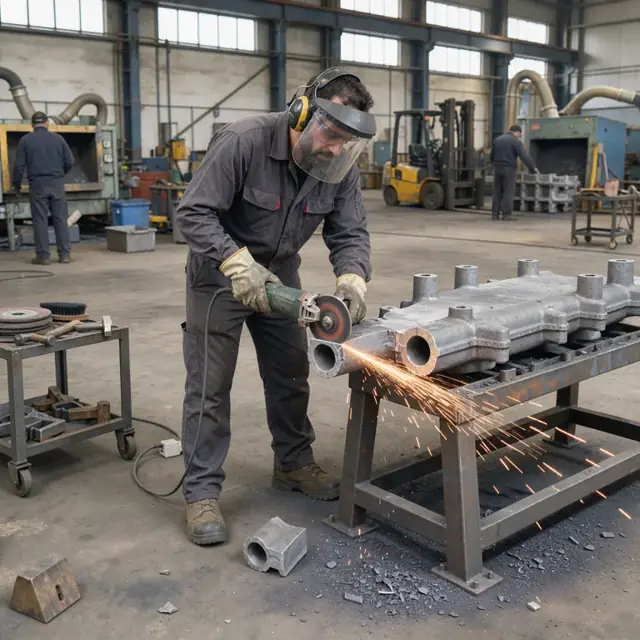
Finishing and Inspection Coordinator
Route castings through cleaning, finishing and testing steps and compile inspection results.
Works in: Ambitious Tasks, Ambitious Docs, Ambitious Sheets · Workflows: Shakeout, finishing and inspection
Automates
- Creates routing sequence for blast, grind, weld and heat treat
- Generates inspection checklists per customer specification
- Tracks test specimen preparation and results
- Assembles preliminary certification documents
- Flags any rework or nonconforming castings
Stops for a person
- Inspector performs and signs off on visual and dimensional checks
- Metallurgist reviews mechanical test results
- Quality manager approves final inspection package
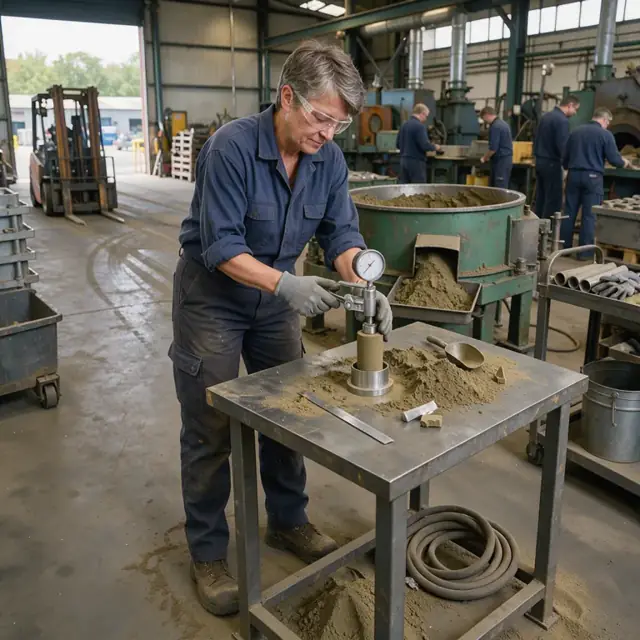
Sand System Technician
Track sand test results, adjust additives and alert when sand system maintenance is required.
Works in: Ambitious Sheets, Ambitious Tasks, Process Optimizer · Workflows: Sand system testing and maintenance
Automates
- Records daily sand test data from multiple points
- Calculates required additive adjustments
- Tracks trends in permeability and strength
- Generates maintenance alerts for mullers and sand handling equipment
- Maintains historical sand performance records
Stops for a person
- Sand technician performs physical tests and confirms readings
- Molding supervisor approves any major system changes
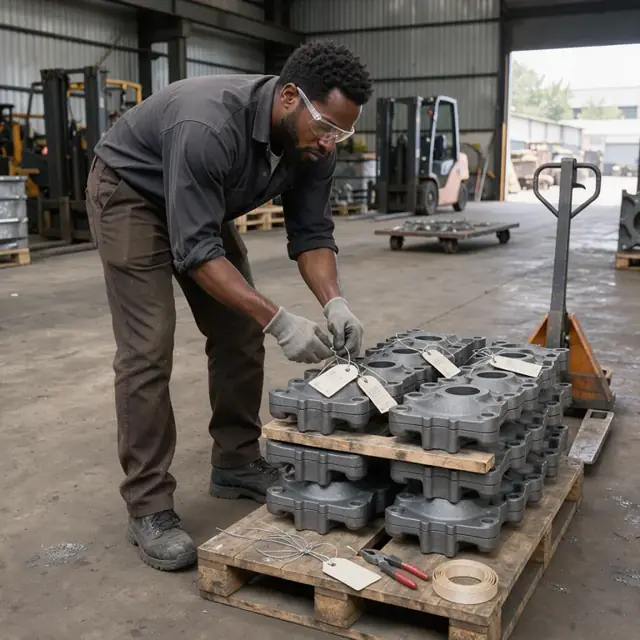
Certification and Shipping Clerk
Compile material test reports, inspection records and shipping documentation for each order.
Works in: Ambitious Docs, Ambitious Tasks, Ambitious Sheets · Workflows: Final certification and shipment preparation
Automates
- Gathers heat chemistry, mechanical tests and NDT results
- Drafts material certification packages
- Creates packing lists and weight records
- Generates bill of lading and transport instructions
- Tracks shipment status against due dates
Stops for a person
- Quality manager reviews and signs all certifications
- Shipping supervisor verifies packing and rigging plans
- A person approves all documents before release to the customer
Workflows
Order and drawing review
Starts when: New customer purchase order or request for quote arrives
- Extract part number, drawing revision, quantity, due date and all technical requirements from the order
- Compare drawing notes against pattern inventory and existing tooling
- Identify required tests, certifications, heat treatment and finishing steps
- Flag any missing information or non-standard requirements for the foundry engineer
- Create a job traveler task with all specifications attached
Watch for: Drawings must be the latest revision and any engineering changes documented; Special alloy or heat treat requirements change melting and cooling procedures
Pattern and core box preparation
Starts when: Approved order with pattern requirements
- Locate or schedule creation of match plate, cope and drag patterns and core boxes
- Inspect patterns for wear, damage or required repairs before molding
- Verify gating, risering and venting design against the casting weight and alloy
- Release tooling to the molding floor with job traveler
- Return and store patterns after shakeout with inspection notes
Watch for: Wood, metal or plastic patterns require different storage and maintenance; Core prints and chaplets must match the design exactly to prevent mold shift
Molding and core making schedule
Starts when: Daily production meeting or new mold-ready orders
- Review open orders against current sand system condition and flask availability
- Assign molding lines or floor molding stations by casting size and alloy
- Schedule core production to match mold completion times
- Generate daily mold and core production list with target pour times
- Track mold completion and flag any delays for the pour schedule
Watch for: Green sand must be rested and tempered before use; No-bake or resin sand cores have limited working times
Melting, chemistry and pouring control
Starts when: Start of each melt cycle or when molds are ready
- Calculate charge weights of scrap, pig iron and alloys for target chemistry
- Record spectrometer readings and adjust chemistry before tapping
- Confirm pouring temperature range for the specific alloy and casting thickness
- Create pour card with ladle number, temperature, chemistry and mold identification
- Log actual pour times, temperatures and any defects observed during pouring
Watch for: Each heat must be tested and documented before castings can be shaken out; Pouring must occur within the specified temperature window to avoid defects
Shakeout, finishing and inspection
Starts when: Castings have cooled to safe temperature after pouring
- Schedule shakeout time based on casting section thickness and alloy
- Route castings through shot blast, grinding, welding and heat treat as required
- Perform visual, dimensional, hardness and non-destructive testing per traveler
- Prepare test specimens for mechanical testing when specified
- Compile inspection results and draft material certification package
Watch for: Casting cleaning must remove all sand and scale before inspection; Certain specifications require witness samples or third-party verification
Sand system testing and maintenance
Starts when: Start of each shift and after each mold cycle batch
- Test incoming sand for grain size, moisture, clay content and temperature
- Run permeability, compressive strength and compactability tests on system sand
- Adjust additives based on test results to maintain specification ranges
- Track sand system performance trends and draft maintenance alerts
- Schedule mullor and aerator cleaning or calibration
Watch for: Sand properties directly affect mold quality and casting finish; Contaminated or out-of-spec sand must be removed from the system
Final certification and shipment preparation
Starts when: Castings pass final inspection
- Compile all heat records, chemistry, mechanical test results and NDT reports
- Draft packing list with piece counts, weights and customer markings
- Create rigging and crating instructions based on casting size and weight
- Generate bill of lading and any required transport paperwork
- Schedule pickup and notify customer of shipment status
Watch for: Traceability from heat number through to shipment must be maintained; Heavy or oversized castings require specific rigging and transport documentation
Bot templates for this industry
- Iron Foundries (7 bots)
Source: U.S. Small Business Administration, Office of Size Standards, Table of Small Business Size Standards Matched to North American Industry Classification System Codes, version March 2023 (effective 2023-03-17, NAICS 2022). Size standards are shown for reference only.