

Steel Investment Foundries
Steel investment foundries produce precision castings by creating wax patterns, building ceramic shells, melting and pouring steel, removing shells, cutting gates, heat treating, and finishing parts for aerospace, defense, medical and industrial customers. Specialists turn customer part files into pattern and mold plans, schedule wax, shell, pour and finishing steps around furnace and tank capacity, manage pattern dies and consumables, track test results and records, and coordinate outside processing while the foundry team confirms all quality and regulatory requirements.
What makes this business different
- Complex customer part files in multiple CAD formats that must be reviewed for castability, gating and shrinkage before tooling
- Wax pattern dies that are customer-owned assets requiring inspection, storage and maintenance tracking
- Ceramic shell slurry mixing, dipping and drying cycles with strict environmental controls and timed holds
- High-temperature induction melting and pouring of alloy steel with precise chemistry and temperature windows
- Post-cast operations including shell knockout, gate removal, heat treatment, nondestructive testing and dimensional inspection
- Traceability from melt to finished part including test bars and material test reports
- Furnace, tank and autoclave capacity that limits daily and weekly throughput
- Outside vendor coordination for specialized heat treat, machining or coatings
- Frequent customer audits and industry specification requirements for aerospace, defense or medical parts
Specialist bots
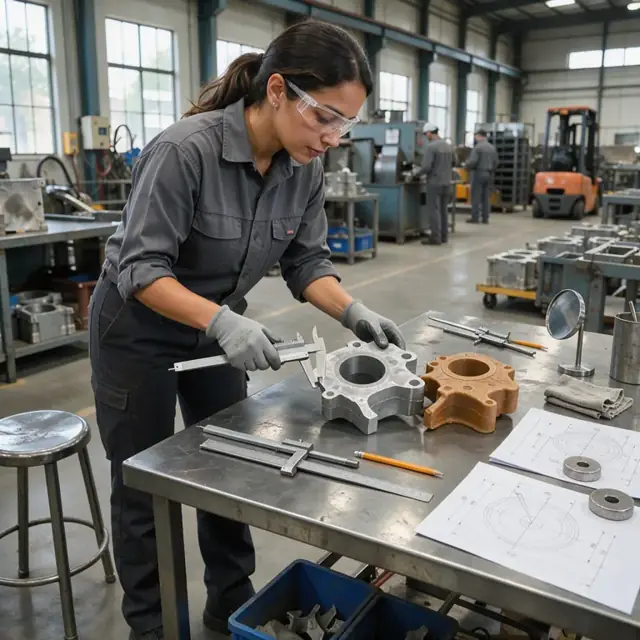
Casting Engineer
Review part files for castability, create gating designs and job travelers for each new order.
Works in: Ambitious Docs, Process Optimizer, Ambitious Tasks · Workflows: Order and part file review
Automates
- Reads incoming CAD files and specifications
- Flags critical features and tolerance risks
- Drafts the initial job traveler with required inspections
- Suggests gating and riser placement
- Compares part requirements to existing tooling
Stops for a person
- The foundry engineer approves all gating designs and traveler steps
- Any deviation from customer specifications is reviewed and signed by engineering

Pattern and Die Scheduler
Schedule wax injection and pattern tree assembly while tracking customer-owned dies and wax inventory.
Works in: Ambitious Sheets, Ambitious Tasks · Workflows: Wax pattern and die scheduling, Inventory and asset maintenance
Automates
- Checks pattern die availability and maintenance status
- Groups patterns by alloy and shell type
- Builds the weekly wax press schedule
- Tracks wax and core material consumption
- Generates pattern assembly instructions
Stops for a person
- The wax room lead reviews and approves the daily schedule
- Die inspection results are confirmed by a technician before reuse
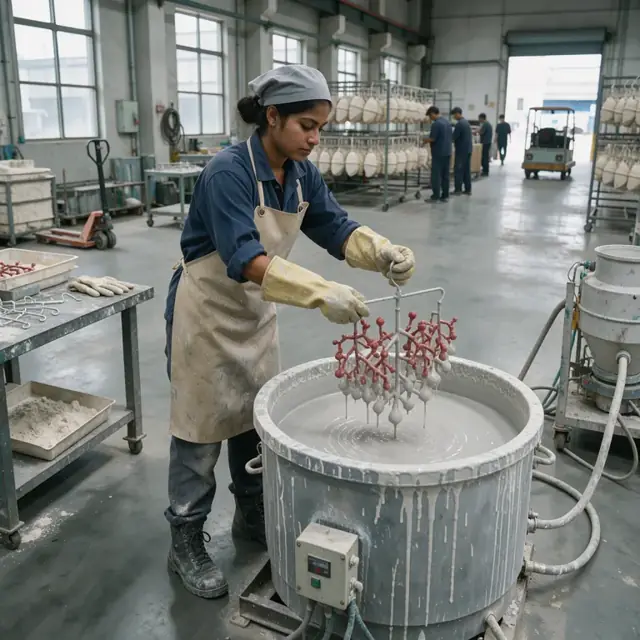
Shell Build Coordinator
Create and monitor ceramic shell dipping, drying and burnout schedules against tank and environmental conditions.
Works in: Ambitious Sheets, Ambitious Tasks · Workflows: Ceramic shell production
Automates
- Assigns slurry recipes and stucco sequences
- Schedules dips and drying times against available tanks
- Monitors and logs humidity and temperature data
- Flags shells ready for dewax and burnout
- Maintains layer-by-layer traceability records
Stops for a person
- The shell room technician verifies slurry properties and signs off on each batch
- Any slurry or environmental deviation is reviewed before continuing

Melt and Pour Scheduler
Group shells for melting, prepare alloy charges and record chemistry and pour data for each heat.
Works in: Ambitious Sheets, Ambitious Tasks · Workflows: Melt and pour scheduling
Automates
- Groups orders by alloy and schedules furnace heats
- Calculates charge weights and alloy additions
- Records pour temperatures and chemistry samples
- Tracks test bar and coupon pours
- Logs cooling and shakeout times
Stops for a person
- The melt supervisor confirms alloy chemistry and pour parameters before each heat
- All test results are reviewed by metallurgy before release

Finishing and Inspection Planner
Schedule knockout, grinding, heat treat, nondestructive testing and final inspection operations.
Works in: Ambitious Tasks, Ambitious Sheets · Workflows: Post-cast finishing and inspection
Automates
- Routes parts through cutoff, blast and grind steps
- Schedules in-house or outside heat treatment
- Coordinates X-ray, penetrant and dimensional inspection
- Compiles inspection and test records
- Prepares preliminary material test reports
Stops for a person
- The quality inspector verifies all test results and dimensional measurements
- Any rework decisions are made and documented by engineering

Outside Processing Coordinator
Manage shipping to and from outside vendors for heat treat, machining and specialized testing while maintaining traceability.
Works in: Ambitious Tasks, Ambitious Docs, Ambitious Sheets · Workflows: Outside processing and vendor management
Automates
- Generates packing lists and traveler instructions for vendors
- Tracks due dates and status of outsourced lots
- Records vendor records upon return
- Updates job travelers with completed steps
- Maintains heat lot traceability across vendors
Stops for a person
- The quality manager reviews all vendor records before acceptance
- Shipping and receiving personnel confirm part counts and markings
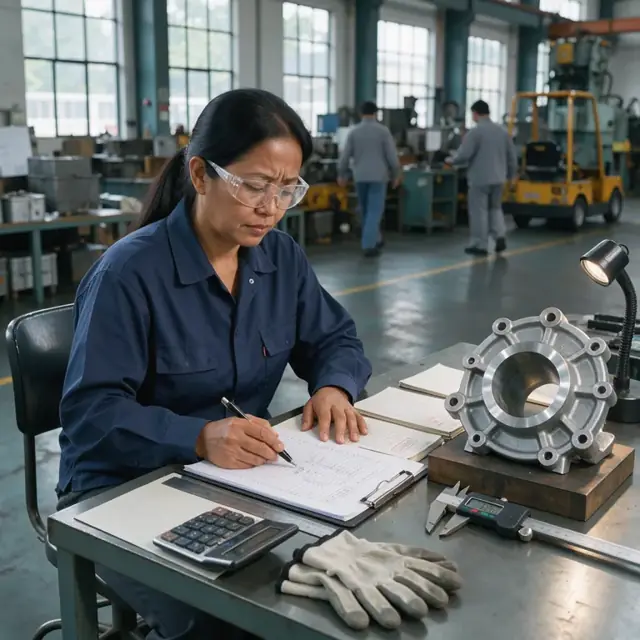
Certification and Records Clerk
Compile all quality records, generate material test reports and prepare final data packages.
Works in: Ambitious Docs, Ambitious Sheets, Ambitious Tasks · Workflows: Quality records and certification
Automates
- Collects inspection, test and chemistry records
- Drafts material test reports
- Checks records against the customer specification list
- Organizes the final data package
- Flags incomplete or missing records
Stops for a person
- The quality manager reviews and approves every data package
- Engineering signs off on any deviations before the package is sent
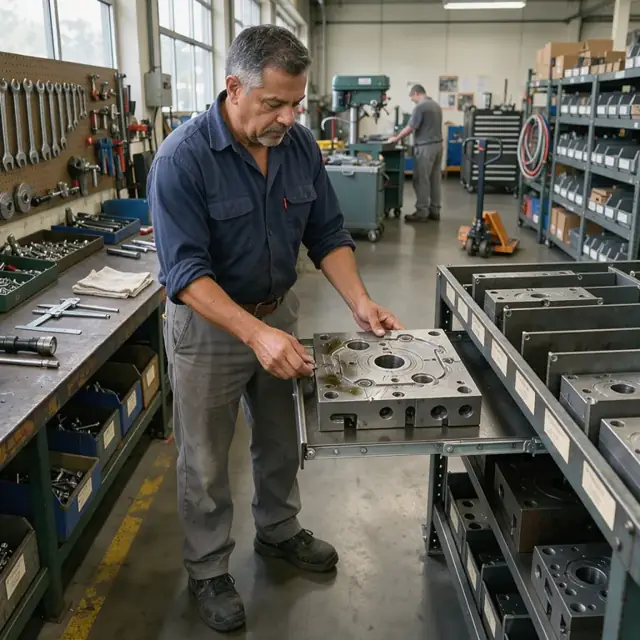
Inventory and Asset Manager
Track pattern dies, consumables and equipment while maintaining reorder levels and maintenance schedules.
Works in: Ambitious Sheets, Ambitious Tasks, Process Optimizer · Workflows: Inventory and asset maintenance
Automates
- Monitors stock of wax, slurry materials and crucibles
- Tracks customer-owned dies with inspection history
- Forecasts consumable needs from the production schedule
- Generates reorder lists and maintenance reminders
Stops for a person
- The maintenance technician confirms equipment inspections
- The owner approves all purchases and expenditures
Workflows
Order and part file review
Starts when: New customer purchase order or part file arrives
- Capture the part drawing, specifications, alloy, quantity and due date
- Check the file against existing pattern dies or new tooling needs
- Assess castability, gating, shrinkage and tolerance risks
- Draft the job traveler with all required inspections and tests
- Confirm lead time against current capacity
Watch for: Critical dimensions and GD&T must be flagged for first-article inspection; Any non-conforming features require engineering review before acceptance
Wax pattern and die scheduling
Starts when: Order is accepted and due date is confirmed
- Check availability of customer-owned pattern dies
- Schedule wax injection runs against press capacity and current orders
- Group patterns by alloy family and shell recipe
- Track pattern age, repairs and inventory of wax and cores
- Create the shell build schedule from the pattern tree assembly
Watch for: Pattern dies must be inspected before each use; Wax patterns are fragile and have limited shelf life
Ceramic shell production
Starts when: Wax patterns are ready for coating
- Assign slurry recipe and stucco schedule per alloy and part geometry
- Schedule dipping, drying and dewaxing cycles against tank and autoclave availability
- Monitor environmental conditions and slurry properties
- Inspect shells for cracks or defects before burnout
- Log each layer and hold time for traceability
Watch for: Shell drying times vary with humidity and temperature; Any deviation in slurry viscosity or temperature must be recorded
Melt and pour scheduling
Starts when: Shells are fired and ready for casting
- Group shells by alloy and pour temperature
- Calculate charge weights and prepare alloy additions
- Schedule induction furnace heats against power and crucible limits
- Record pour temperatures, chemistry samples and test bar pours
- Track shell placement in the pour area and cooling times
Watch for: Each heat must have its own chemistry and mechanical test results; Pouring must occur within a narrow temperature window
Post-cast finishing and inspection
Starts when: Castings have cooled after pouring
- Schedule shell knockout, cutoff, grinding and blasting operations
- Route parts for in-house or outside heat treatment
- Coordinate nondestructive testing such as X-ray, penetrant and magnetic particle
- Perform dimensional layout and final visual inspection
- Compile material test reports and heat lot traceability
Watch for: All test results and inspections must be linked to the specific heat and part; Any rework or salvage operations require engineering approval
Outside processing and vendor management
Starts when: Parts require operations not performed in-house
- Identify required outside heat treat, machining, coating or testing vendors
- Generate shipping paperwork and traveler instructions for each lot
- Track due dates and status of each outsourced step
- Receive and inspect returned parts against specifications
- Update the job traveler with vendor records
Watch for: Vendor records must be verified against customer specifications; All material movement must maintain heat lot traceability
Quality records and certification
Starts when: Job reaches final inspection or on a scheduled cadence
- Compile all inspection, test and material records for the lot
- Generate the material test report
- Check records against the customer specification list
- Flag any deviations for engineering review
- Prepare the final data package
Watch for: The foundry team confirms all requirements before release; Records must be retained according to customer and industry rules
Inventory and asset maintenance
Starts when: Weekly and before each production run
- Check stock levels of wax, slurry materials, crucibles and abrasives
- Inspect and log condition of customer-owned pattern dies
- Forecast consumables based on scheduled jobs
- Schedule maintenance for presses, tanks and furnaces
- Update inventory records and reorder points
Watch for: Perishable slurry ingredients have shelf-life limits; Customer dies are tracked as assets with maintenance history
Bot templates for this industry
- Steel Investment Foundries (8 bots)
Source: U.S. Small Business Administration, Office of Size Standards, Table of Small Business Size Standards Matched to North American Industry Classification System Codes, version March 2023 (effective 2023-03-17, NAICS 2022). Size standards are shown for reference only.