

Steel Foundries (except Investment)
Steel foundries pour molten steel into sand or ceramic molds to create heavy castings for industrial equipment, infrastructure and machinery. The specialists turn customer specifications into pattern-ready drawings, drawings into mold and pouring schedules, schedules into melt and pour plans with alloy calculations, and completed castings into inspection records, heat-treat plans and shipping manifests. Metallurgical specs, pour temperatures, nondestructive testing and foundry permits remain with the melt supervisor and quality team.
What makes this business different
- Customer-provided or custom engineering drawings that must be converted to patterns with shrinkage allowances and gating systems
- Alloy chemistry calculations and melt records for each heat to meet mechanical property requirements
- Sand system management with daily testing of moisture, permeability and compressive strength
- High-temperature pouring with ladle and furnace scheduling to avoid cold shuts or misruns
- Post-cast heat treatment, shakeout, cleaning, grinding and nondestructive testing sequences
- Crane and rigging plans, mold weights, pour weights and furnace capacity limits
- Traceability from heat number through to final casting with material test reports
- Compliance paperwork for foundry emissions, wastewater and hazardous waste storage
Specialist bots
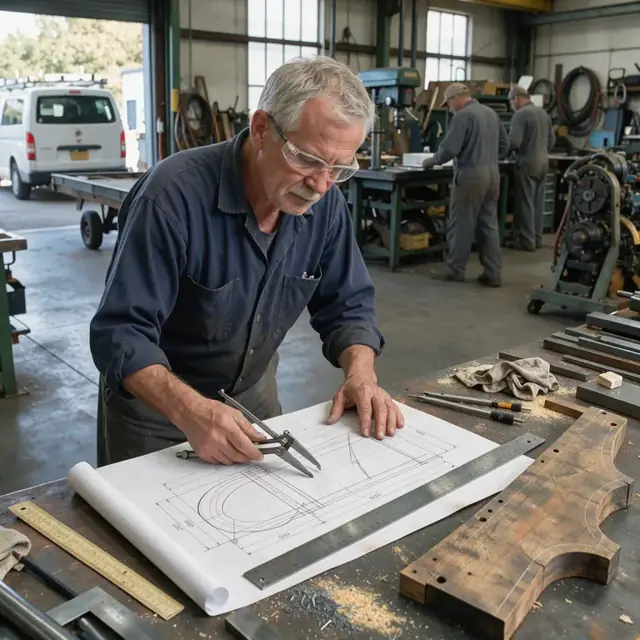
Quote and Pattern Engineer
Convert incoming specifications and drawings into accurate quotes, pattern layouts and cost estimates.
Works in: Ambitious Docs, Ambitious Sheets, Process Optimizer · Workflows: Quote and pattern engineering
Automates
- Reads drawing files and specification sheets
- Calculates weights with shrinkage factors
- Suggests gating and risering layouts
- Builds cost model from historical data
- Drafts the formal quote document
Stops for a person
- The foundry engineer reviews and approves all pattern designs
- The sales lead approves pricing and exceptions before sending
- Complex rigging plans are reviewed by the melt supervisor

Mold and Core Scheduler
Turn accepted orders into mold making, core making and assembly schedules with sand system readiness.
Works in: Ambitious Tasks, Ambitious Sheets, Process Optimizer · Workflows: Order to mold and core preparation
Automates
- Creates job travelers with all specifications
- Schedules pattern release and core production
- Checks sand test results before mold release
- Builds drying and assembly timelines
- Generates mold inspection checklists
Stops for a person
- The mold maker confirms readiness of large or complex molds
- The quality technician verifies sand properties meet requirements

Melt and Pour Coordinator
Calculate alloy charges, schedule furnace heats and create precise pouring sequences and checklists.
Works in: Ambitious Sheets, Ambitious Tasks, Process Optimizer · Workflows: Melt and pour scheduling
Automates
- Computes charge mixes to hit target chemistry
- Schedules furnace and ladle availability
- Sets pour temperature and sequence by mold weight
- Generates heat-by-heat checklists
- Tracks deoxidizer and alloy additions
Stops for a person
- The melt supervisor approves every charge calculation and pour plan
- The furnace operator confirms actual tap temperatures and makes final adjustments

Post-Cast Finishing Planner
Schedule shakeout, cleaning, weld repair, heat treatment and nondestructive testing sequences.
Works in: Ambitious Tasks, Ambitious Sheets, Process Optimizer · Workflows: Shakeout, cleaning and heat treat
Automates
- Creates shakeout and cleaning sequences
- Generates heat treat furnace load plans
- Plans grinding and weld repair steps
- Schedules nondestructive testing stations
- Tracks casting movement between stations
Stops for a person
- The heat treat operator confirms furnace recipes and thermocouple placement
- The weld technician approves repair procedures before work begins
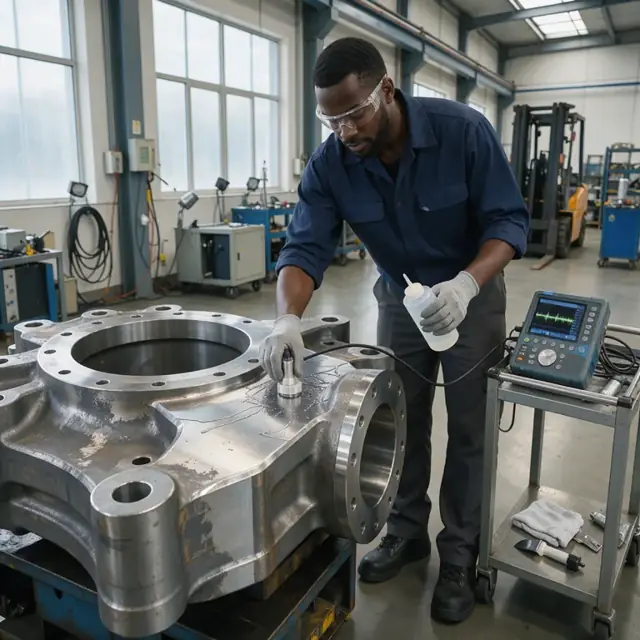
Inspection and Traceability Clerk
Compile heat records, test results and inspection data into complete material test reports and traceability packets.
Works in: Ambitious Docs, Ambitious Sheets, Ambitious Tasks · Workflows: Final inspection and material traceability
Automates
- Assembles chemical and mechanical test data
- Compiles nondestructive testing results
- Generates material test report drafts
- Checks dimensional inspection against drawings
- Maintains full heat traceability database
Stops for a person
- The quality manager reviews and signs all material test reports
- Certified nondestructive testing technicians interpret and approve all examination results
- The customer or third party verifies critical findings

Shipping and Inventory Coordinator
Prepare shipping documents, update inventory of castings and patterns, and trigger material reorders.
Works in: Ambitious Sheets, Ambitious Docs, Ambitious Tasks · Workflows: Shipping, inventory and reorder
Automates
- Generates packing lists and bills of lading
- Updates finished goods and raw material inventory
- Drafts carrier notifications
- Tracks pattern and core box locations
- Creates reorder lists for consumables
Stops for a person
- The shipping lead confirms all weights, dimensions and special transport requirements
- The owner approves any hazardous material declarations

Compliance and Permit Clerk
Maintain melt logs, waste records, permit calendars and prepare documentation for audits.
Works in: Ambitious Docs, Ambitious Sheets, Ambitious Tasks · Workflows: Foundry compliance and permit tracking
Automates
- Generates daily melt and chemistry logs
- Tracks waste test results and storage logs
- Monitors permit and reporting deadlines
- Organizes records for customer or regulatory review
- Maintains emission and wastewater documentation
Stops for a person
- The environmental manager confirms which requirements apply to each operation
- People review, approve and submit all regulatory filings
- The melt supervisor verifies accuracy of daily logs before filing
Workflows
Quote and pattern engineering
Starts when: A new request for quote arrives with drawings or specifications
- Extract part geometry, alloy, quantity, mechanical requirements and nondestructive testing needs
- Calculate estimated pattern and casting weights with shrinkage and machining allowances
- Draft pattern layout including gating, risering and parting lines
- Run cost estimate using historical pour data and current alloy prices
- Produce a formal quote with lead time and exceptions
Watch for: Pattern engineering must account for steel-specific shrinkage rates; Complex cores and multiple parting lines require engineering review
Order to mold and core preparation
Starts when: Customer purchase order is received and accepted
- Create job traveler with heat number, pour date and all specifications
- Release pattern and core box drawings to the pattern shop or supplier
- Schedule core making and mold making with sand system status
- Confirm mold drying times and coating requirements
- Assemble mold and core inspection checklist
Watch for: Large molds may require days to assemble and dry; Core sand and mold sand must be tested daily before use
Melt and pour scheduling
Starts when: Molds are ready and furnace is available
- Calculate charge materials to hit target chemistry for the specified alloy
- Schedule furnace heats with ladle availability and crane capacity
- Build pour sequence by mold weight and required pour temperature
- Generate tap temperature targets and deoxidation additions
- Create real-time checklist for each heat including slag removal and pouring
Watch for: Furnace capacity and power demand limit simultaneous heats; Pour temperature window is narrow to avoid defects
Shakeout, cleaning and heat treat
Starts when: Castings have cooled after pouring
- Schedule shakeout and removal from molds
- Plan shot blast, gate removal, grinding and weld repair sequence
- Generate heat treat recipe based on alloy and required properties
- Track castings through furnace loads with thermocouple placement
- Prepare castings for nondestructive testing
Watch for: Heavy castings require specific rigging and crane paths; Weld repairs must be approved before heat treatment
Final inspection and material traceability
Starts when: Castings complete cleaning and heat treatment
- Assign and record heat numbers and serial numbers
- Compile chemical analysis, mechanical test results and nondestructive testing reports
- Draft material test report with all required certifications
- Perform dimensional and visual inspection against drawing
- Flag any deviations for customer review
Watch for: Full traceability from raw melt to finished part is mandatory; Nondestructive testing results must be reviewed by qualified personnel
Shipping, inventory and reorder
Starts when: Castings pass final inspection
- Prepare packing list and bill of lading with weights and dimensions
- Update inventory of finished goods and raw alloy stock
- Draft shipping notifications and coordinate with carrier
- Trigger reorder of pattern consumables, sand additives and refractory
- Archive job packet with all records
Watch for: Oversize castings require special permits for transport; Inventory of patterns and core boxes must be tracked separately
Foundry compliance and permit tracking
Starts when: Each melt day and on regulatory cadence
- Generate daily melt and pour log with chemistry and temperatures
- Track baghouse dust, sand waste and wastewater test results
- Monitor permit, license and emission reporting deadlines
- Maintain hazardous waste storage and disposal records
- Prepare documentation for customer audits
Watch for: The melt supervisor confirms which local, state and federal requirements apply; People handle all submissions and interactions with regulatory bodies
Bot templates for this industry
- Steel Foundries (except Investment) (7 bots)
Source: U.S. Small Business Administration, Office of Size Standards, Table of Small Business Size Standards Matched to North American Industry Classification System Codes, version March 2023 (effective 2023-03-17, NAICS 2022). Size standards are shown for reference only.