

Nonferrous Metal Die-Casting Foundries
Nonferrous metal die-casting foundries produce aluminum, zinc, magnesium and copper alloy parts by melting ingot or scrap, injecting molten metal into precision dies under high pressure, trimming, finishing and inspecting castings. The specialists convert customer drawings and specifications into tooling orders and production schedules, explode orders into melt charges and alloy recipes, schedule die changes and machine runs, track scrap and returns for remelt, maintain furnace logs and safety paperwork, and prepare shipments while the foundry team retains control of all metal chemistry, heat-treat parameters and final quality sign-off.
What makes this business different
- Customer-supplied or foundry-created dies that must be stored, preheated and changed between runs with exact setup records
- Precise alloy chemistry and melt temperatures that vary by job, with spectrometer verification required before pouring
- High-pressure die-casting machines that run on tight cycles, with frequent die cleaning, lubrication and tip changes
- Scrap, runners, sprues and dross that are segregated by alloy for remelt to control costs and maintain chemistry
- Heat treatment, machining, powder coating or other secondary operations that must be scheduled and tracked per part print
- Dimensional, X-ray, penetrant and pressure-test inspection records that travel with each lot
- Melting, pouring and machine safety logs, furnace certifications and environmental paperwork that must be kept current
- Repeat production orders with blanket releases, kanban signals or call-offs that arrive with short lead times
Specialist bots
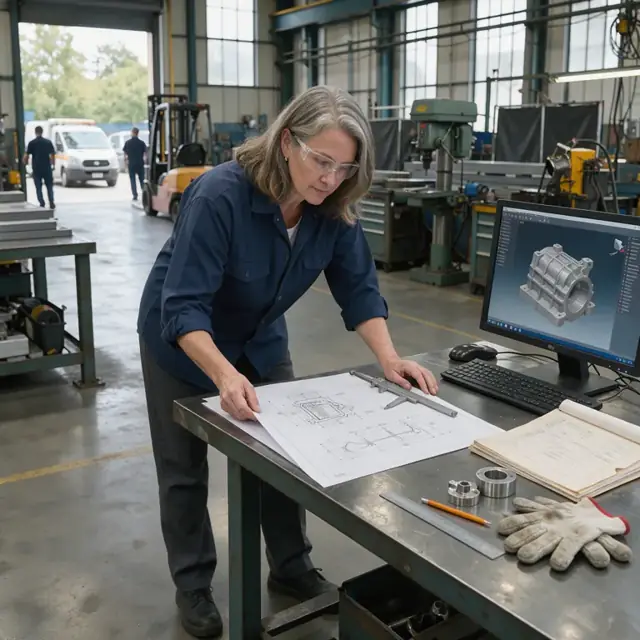
Order Intake Clerk
Convert every customer purchase order, drawing and release into a ready-to-schedule job traveler.
Works in: Ambitious Tasks, Ambitious Docs, Contract Analyzer · Workflows: Order and drawing intake
Automates
- Reads incoming order messages, portals and drawing files
- Matches part numbers and revisions to active dies and process sheets
- Creates the job traveler task with all specifications attached
- Flags missing information or revision changes
- Drafts the order acknowledgment
Stops for a person
- The engineering or quality lead approves any deviation from the customer drawing
- A person reviews and sends all acknowledgments and certifications
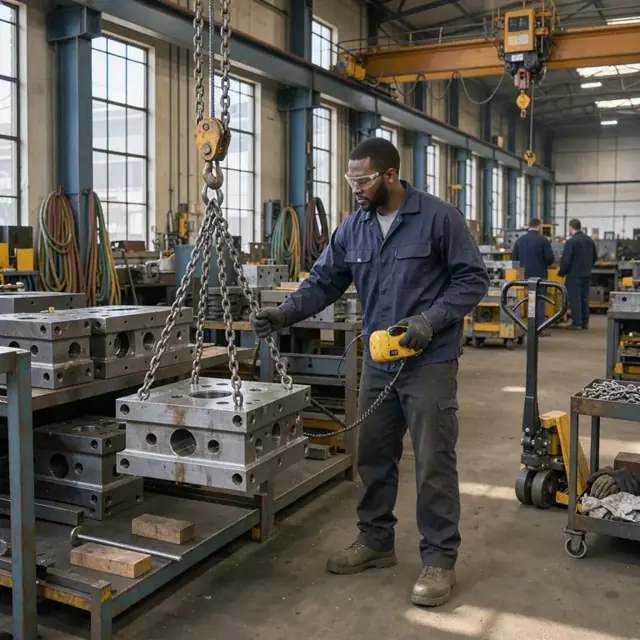
Die and Tooling Scheduler
Keep dies in ready condition and schedule machine setups to minimize downtime.
Works in: Ambitious Tasks, Ambitious Sheets · Workflows: Die and tooling scheduling
Automates
- Tracks die location, usage hours and maintenance status
- Schedules die repair or replacement with the tool room
- Reserves press time and setup labor
- Updates the master schedule with changeover times
Stops for a person
- The setup crew confirms actual die change times and any problems encountered
- The production manager approves the final machine sequence

Melt Charge Planner
Calculate exact furnace charges and alloy recipes from production orders while tracking returns and scrap.
Works in: Ambitious Sheets, Ambitious Tasks, Ambitious Docs · Workflows: Melt charge and alloy preparation
Automates
- Explodes order quantities into shot weights and runner allowances
- Computes charge mixes of ingot, returns and master alloys
- Generates furnace batch sheets with target temperatures
- Logs spectrometer results against specification
Stops for a person
- The melt supervisor verifies chemistry before pouring and approves any adjustments
- All metal purchases and alloy selections are made by a person

Casting Production Scheduler
Sequence die-casting jobs across machines to meet due dates while minimizing alloy and die changes.
Works in: Process Optimizer, Ambitious Tasks · Workflows: Casting production scheduling
Automates
- Sequences jobs by alloy family and due date
- Assigns presses, cycle times and expected output
- Balances furnace and machine capacity
- Flags secondary operation requirements
Stops for a person
- The foundry manager reviews and releases the final schedule each week
- Any overtime or expedited jobs are approved by a person
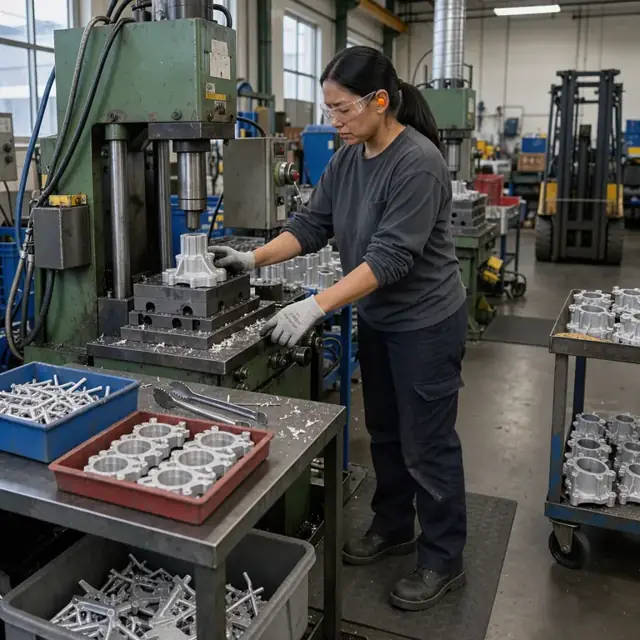
Trimming and Finishing Coordinator
Route cooled castings through trimming, grinding, machining, heat treat and other secondary steps while tracking yield.
Works in: Ambitious Tasks, Ambitious Sheets · Workflows: Trimming, finishing and secondary operations
Automates
- Creates traveler instructions for each operation
- Schedules work cells and records completion times
- Tracks scrap and returns by alloy for remelt credit
- Updates lot status after each process
Stops for a person
- Operators record actual times and any defects found
- Quality or engineering approves any rework decisions

Inspection and Certification Documenter
Assemble final inspection data, certificates of conformance and shipping documentation for each lot.
Works in: Ambitious Docs, Ambitious Tasks, Ambitious Sheets · Workflows: Final inspection and packaging
Automates
- Generates inspection checklists from part prints
- Compiles dimensional, X-ray and test results
- Drafts packing lists and material certifications
- Prepares traceability records
Stops for a person
- A qualified inspector performs and signs off all final checks
- The quality manager reviews and approves all certificates before shipment

Safety and Environmental Compliance Clerk
Maintain daily furnace and machine logs, track permit dates and compile required environmental and safety records.
Works in: Ambitious Tasks, Ambitious Sheets, Ambitious Docs · Workflows: Safety, environmental and permit logging
Automates
- Generates daily melt and safety checklists
- Logs furnace temperatures, emissions data and waste quantities
- Warns before permit and certification renewals are due
- Assembles traceability packets on demand
Stops for a person
- The melt supervisor or safety officer verifies every log entry and corrective action
- All regulatory filings and interactions with agencies are handled by people who confirm requirements
Workflows
Order and drawing intake
Starts when: A customer sends a purchase order, drawing revision or release against a blanket contract
- Capture part number, alloy, quantity, due date and any special requirements from the message or portal
- Compare the drawing revision against the active die and process sheet on file
- Create a job traveler task with linked drawings and specifications
- Confirm material availability and die status
- Draft acknowledgment for approval
Watch for: Any deviation from the customer print must be flagged before metal is melted; Engineering changes can require new dies or process adjustments
Die and tooling scheduling
Starts when: New order or when existing die needs maintenance or replacement
- Check die location, last-run condition and required preheat time
- Schedule die repair, polishing or replacement with the tool shop
- Reserve machine time and setup crew for the die change
- Update the master production schedule with the new setup
Watch for: Dies are heavy, hot and must be handled with specific cranes and preheat ovens; Setup time directly affects machine utilization
Melt charge and alloy preparation
Starts when: Daily or when a new job is released to the floor
- Explode the order quantity into required shot weight, runners and scrap return allowance
- Calculate the exact charge mix of ingot, returns and master alloys to hit target chemistry
- Generate furnace batch sheet with temperatures and degassing instructions
- Record spectrometer sample results against the requirement
Watch for: Alloy chemistry must stay within tight customer limits; cross-contamination between aluminum and zinc is not allowed; Dross and slag must be weighed and recorded
Casting production scheduling
Starts when: After melt plan is confirmed and weekly
- Sequence jobs to minimize die changes and alloy switches
- Assign machines, operators and cycle times
- Calculate expected output and required shots per hour
- Flag any secondary operations or inspection holds
- Use the construction scheduler to balance furnace and machine availability
Watch for: Machine tonnage, shot size and cycle time must match the die requirements; Short runs for prototypes or low-volume jobs disrupt high-volume schedules
Trimming, finishing and secondary operations
Starts when: After castings are cooled and quenched
- Route castings to trim presses, gate grinders or CNC cells per the traveler
- Schedule any required heat treat, machining, coating or leak testing
- Track lot numbers through each operation
- Record yield loss at each step for scrap credit
Watch for: Flash, gates and runners must be returned to the correct alloy bin; Some parts require 100 percent inspection or special packaging
Final inspection and packaging
Starts when: When secondary operations are complete
- Generate inspection checklist from the part print tolerances
- Record dimensional, visual, X-ray or pressure-test results
- Draft packing list and certificate of conformance
- Prepare shipping labels and any required material certifications
Watch for: Traceability from melt batch to finished part is required for many customers; Special packaging or rust prevention may be specified
Safety, environmental and permit logging
Starts when: Every melt day and on scheduled review dates
- Create daily furnace and machine safety checklists
- Log melt temperatures, gas usage and baghouse differential pressures
- Track permit, emission, and waste-disposal renewal dates
- Compile lot traceability records for customer or audit requests
Watch for: Local, state and federal rules govern emissions, wastewater and solid waste from die-casting operations; The melt supervisor confirms all log entries and corrective actions
Bot templates for this industry
Source: U.S. Small Business Administration, Office of Size Standards, Table of Small Business Size Standards Matched to North American Industry Classification System Codes, version March 2023 (effective 2023-03-17, NAICS 2022). Size standards are shown for reference only.