

Aluminum Foundries (except Die-Casting)
Aluminum foundries melt scrap and ingot, pour sand or permanent molds, and finish castings for customers who supply patterns or purchase catalog parts. For a foundry that pours custom sand-cast aluminum brackets and pump housings on a weekly schedule, the specialists turn pattern and alloy requests into mold-ready jobs, jobs into melt and pour schedules with charge calculations, and schedules into finishing and inspection queues while tracking sand, crucibles, and alloy inventory. Alloy chemistry, heat-treat records, and pouring-temperature logs stay with the foundry technician.
What makes this business different
- Customer-supplied or foundry-stored patterns that must be matched exactly to the job and returned undamaged
- Alloy chemistry specifications that require charge calculations and spectrometer verification before each melt
- Sand system management with moisture, temperature and reclamation tracking to maintain mold quality
- Weekly melt schedule driven by mold and core availability, furnace capacity and customer due dates
- Pouring temperature, cooling and shakeout controls that affect casting integrity
- Post-cast finishing, heat treatment if required, and non-destructive testing with records for each part
- Furnace, ladle, and mold maintenance logs plus scrap returns and dross handling
- Repeat industrial customers who reorder the same part numbers on blanket or call-off schedules
Specialist bots
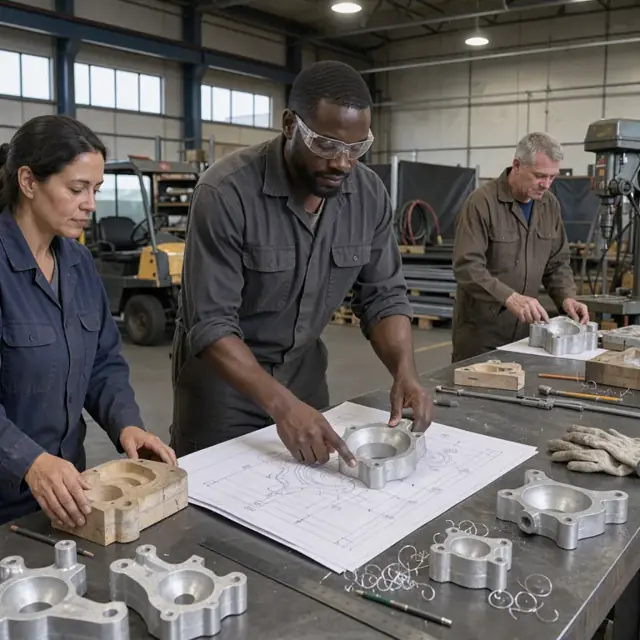
Order and Pattern Intake Clerk
Convert customer purchase orders, drawings and patterns into complete, ready-to-schedule job packets.
Works in: Ambitious Tasks, Ambitious Docs, Ambitious Sheets · Workflows: Order and pattern intake
Automates
- Reads incoming orders and extracts part numbers, alloys, quantities and due dates
- Matches patterns to jobs and records storage location
- Checks capacity against requested dates
- Builds the digital job packet with all drawings and specifications
- Flags missing information for the owner
Stops for a person
- The foundry technician confirms alloy chemistry and testing requirements
- A person inspects physical patterns for damage on receipt
- The owner approves any deviations from customer specifications

Melt Schedule Planner
Turn weekly orders into a sequenced melt and pour schedule with accurate charge weights.
Works in: Ambitious Sheets, Process Optimizer, Ambitious Tasks · Workflows: Melt and pour scheduling
Automates
- Groups jobs by alloy and mold type
- Calculates total charge including risers and expected loss
- Builds timed furnace schedule with pour temperatures
- Creates spectrometer and dross handling instructions
Stops for a person
- The melt technician reviews and adjusts the schedule each morning
- Any change to alloy sequence requires technician approval

Charge and Inventory Preparer
Prepare exact furnace charges and maintain sand, crucibles and alloying materials at proper levels.
Works in: Ambitious Sheets, Ambitious Tasks, Ambitious Docs · Workflows: Charge preparation and inventory
Automates
- Calculates required ingot, scrap and alloy additions from the melt schedule
- Subtracts current inventory and customer returns
- Generates weighed charge lists for each furnace
- Tracks sand moisture, binder usage and refractory par levels
Stops for a person
- The melt technician verifies and weighs the final charge before loading
- The owner places all purchases of metal and supplies

Mold and Core Coordinator
Ensure molds and cores are ready and matched to the daily melt schedule.
Works in: Ambitious Tasks, Ambitious Sheets, Process Optimizer · Workflows: Mold and core preparation
Automates
- Pulls pattern list for the day's pours
- Generates sand mix and core-making instructions
- Tracks mold and core inventory against schedule
- Flags patterns needing repair
Stops for a person
- The core maker and mold maker confirm readiness each shift
- Pattern repairs are performed and approved by a technician
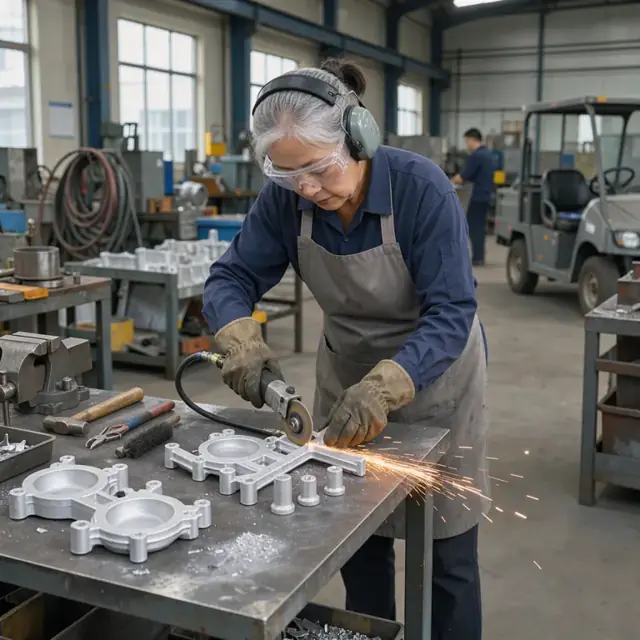
Finishing and Inspection Coordinator
Route castings through finishing, heat treat, inspection and prepare certification packets.
Works in: Ambitious Tasks, Ambitious Docs, Ambitious Sheets · Workflows: Finishing, inspection and shipping
Automates
- Assigns each lot to grinding, weld repair or heat-treat stations
- Schedules required non-destructive testing
- Compiles material test reports and certifications
- Generates packing lists and shipping labels
Stops for a person
- A qualified inspector performs and signs off on all final checks
- The owner reviews and approves all certification documents before shipment
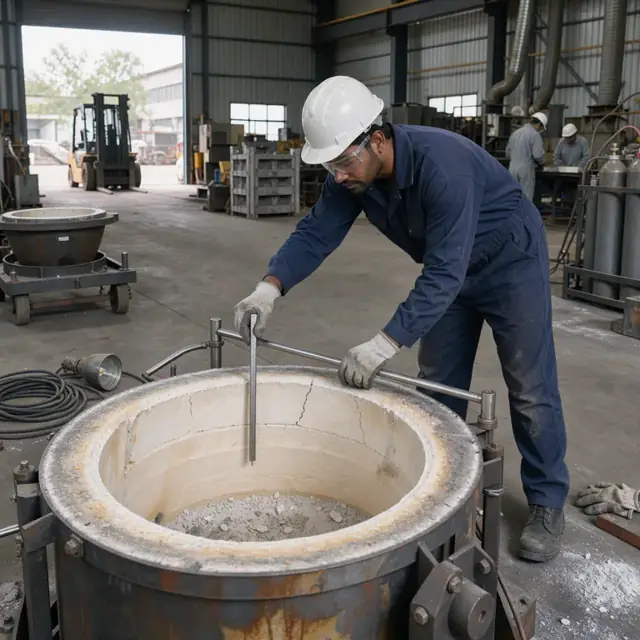
Maintenance and Safety Clerk
Maintain equipment logs, track refractory life and generate required daily and periodic checklists.
Works in: Ambitious Tasks, Ambitious Sheets, Ambitious Docs · Workflows: Equipment maintenance and safety logs
Automates
- Generates daily furnace and sand system checklists
- Tracks crucible campaigns and refractory wear
- Reminds on preventive maintenance intervals
- Compiles ventilation and housekeeping logs
Stops for a person
- Technicians perform and record all maintenance work
- The owner confirms which local environmental requirements apply each period

Customer Service and Reorder Host
Send shipment notifications with test reports, remind customers of blanket releases and draft reorder quotes.
Works in: Email Buckets, Ambitious Docs, Ambitious Tasks · Workflows: Customer follow-up and reorder management
Automates
- Attaches heat numbers and test reports to shipment notices
- Tracks remaining quantities on blanket orders
- Drafts reorder reminders and modification quotes
Stops for a person
- The owner approves every document and message before it is sent
- Any change to specifications is confirmed with the customer by a person
Workflows
Order and pattern intake
Starts when: A customer sends a purchase order, drawing, or pattern
- Capture part number, alloy, quantity, due date and any special requirements
- Verify pattern or drawing against the order and note revisions
- Check mold and core capacity against the requested ship date
- Confirm alloy chemistry limits and any required testing
- Create a job packet with pattern location, drawings and quality checklist
Watch for: Patterns must be inspected for damage on receipt and before storage; Customer alloy specifications cannot be assumed and must be confirmed
Melt and pour scheduling
Starts when: Weekly or when new orders lock in
- Group open jobs by alloy family and mold type
- Calculate total charge weight including gates, risers and expected melt loss
- Build furnace schedule with start times, pour temperatures and tap sequences
- Assign molds and cores to each pour
- Generate spectrometer sample plan and dross handling instructions
Watch for: Furnace capacity and crucible life limit daily tonnage; Certain alloys cannot share a furnace without cleaning
Charge preparation and inventory
Starts when: Before each melt and weekly
- Explode the melt schedule into required ingot, scrap and alloying elements
- Subtract current inventory and returns
- Draft the charge list by furnace and alloy
- Track sand, binder, crucibles and refractory par levels
- Log returns of customer scrap and generated dross
Watch for: Alloying elements and scrap must be weighed accurately before charging; Moisture content of returned sand must be checked before reuse
Mold and core preparation
Starts when: Daily before pouring
- Pull and inspect patterns for the day's jobs
- Generate mold and core making instructions with sand mix and cure times
- Track mold and core inventory against the melt schedule
- Flag any patterns needing repair or modification
Watch for: Core boxes and pattern rigging must be matched to the exact job; Sand system parameters change with weather and must be adjusted
Finishing, inspection and shipping
Starts when: After shakeout each pour day
- Route castings to grinding, heat-treat or welding stations per job packet
- Schedule non-destructive testing and final dimensional checks
- Generate packing list, certifications and material test reports
- Prepare castings for shipment or customer pickup
- Close the job and update inventory
Watch for: Heat treat and inspection records must travel with each lot; Customer-specific marking and packaging requirements must be followed exactly
Equipment maintenance and safety logs
Starts when: Daily, weekly and on prescribed intervals
- Generate daily furnace, ladle and sand system checklists
- Track crucible life, refractory wear and filter changes
- Remind on upcoming preventive maintenance for induction furnaces and shot blast
- Compile weekly safety and environmental logs including baghouse and ventilation checks
Watch for: Furnace lining and thermocouple replacement intervals are strict; Local air-quality and foundry-specific permits require timely recordkeeping
Customer follow-up and reorder management
Starts when: After shipment and on blanket order cadence
- Draft shipping notification with heat numbers and test results
- Prompt repeat customers when blanket releases are due
- Track open patterns and remaining call-off quantities
- Draft quotes for pattern modifications or alloy changes
Watch for: Test reports and certifications must be attached before sending; All communications require owner approval before release
Bot templates for this industry
Source: U.S. Small Business Administration, Office of Size Standards, Table of Small Business Size Standards Matched to North American Industry Classification System Codes, version March 2023 (effective 2023-03-17, NAICS 2022). Size standards are shown for reference only.