

Iron and Steel Forging
Iron and steel forging shops take customer drawings or specifications for parts such as shafts, gears, hooks, flanges and fittings. They convert those specs into die or open-die forging plans, schedule hammer and press time, cut and heat billets, perform the forging, then move parts through trimming, heat treatment, inspection and shipping. The specialists turn incoming orders into confirmed jobs with material and process requirements, explode those into a weekly forging schedule, track dies, billets and tooling inventory, generate required heat-treat and inspection checklists, and keep the production sequence moving while the forge operator controls the actual hammer and press work.
What makes this business different
- Customer-provided drawings, material certifications and tolerance requirements that must be followed exactly
- Die design or open-die process planning that matches each part geometry and alloy
- High-temperature billet heating and forging schedules limited by furnace and hammer availability
- Traceability of each heat of steel from mill certificate through forging, heat treatment and final inspection
- Tooling and die inventory that must be stored, inspected and refurbished between runs
- Post-forge operations including trimming, shot blasting, heat treating and nondestructive testing
- Compliance paperwork such as material test reports, dimensional inspection records and shipping certifications that the owner confirms meet customer requirements
- Repeat OEM and job-shop customers who reorder the same forged part on blanket or release schedules
Specialist bots
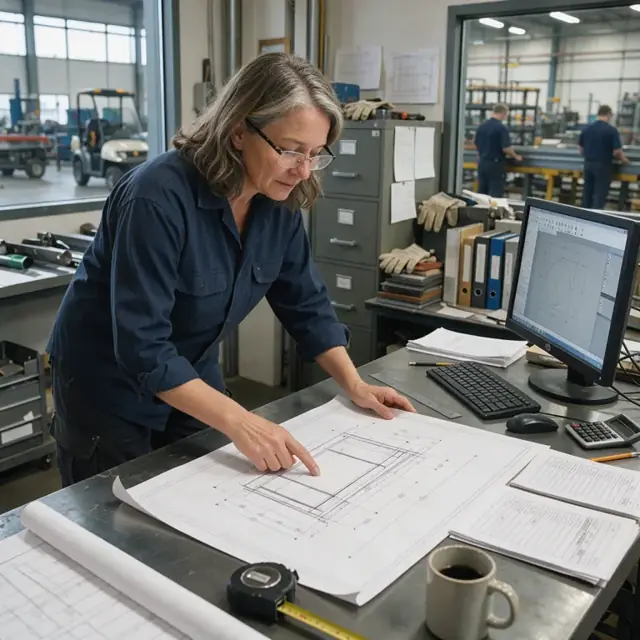
Order Engineer
Convert incoming customer drawings and purchase orders into confirmed job packets with complete technical requirements.
Works in: Ambitious Docs, Ambitious Tasks, Contract Analyzer · Workflows: Order and drawing intake
Automates
- Reads incoming emails and attached drawings
- Extracts part number, revision, material, quantity and due date
- Checks drawing legibility and notes any missing information
- Drafts quotation or order acknowledgment
- Assembles the initial job packet
Stops for a person
- The owner reviews and signs every quotation and acknowledgment
- Any exceptions or deviations from the drawing are approved by the owner before acceptance

Forging Process Planner
Develop the detailed forging method, billet calculations, die selection and process router for each job.
Works in: Ambitious Docs, Ambitious Sheets, Process Optimizer · Workflows: Forging process planning
Automates
- Calculates starting billet size and weight
- Determines forging steps, temperatures and reduction sequence
- Selects or flags need for new die design
- Builds the complete process traveler
- Estimates cycle times and material usage
Stops for a person
- The forge supervisor and operator review and approve the process plan
- Any new die design is reviewed by the owner before tooling is ordered
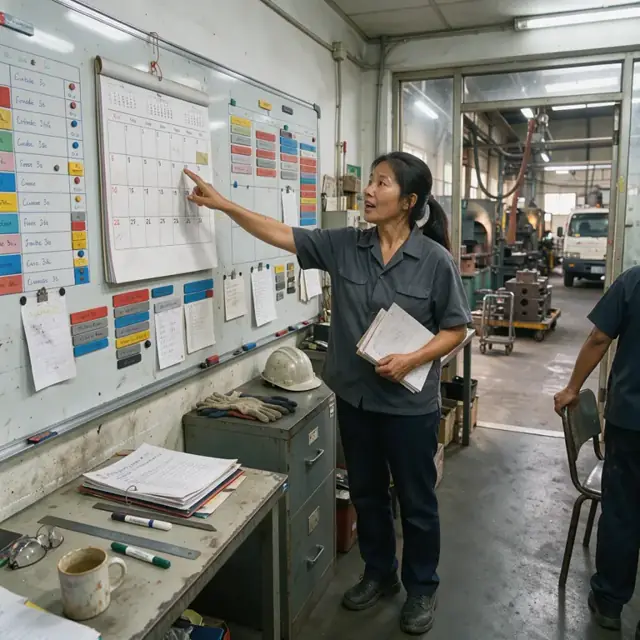
Forge Scheduler
Build and maintain the weekly forging schedule that sequences jobs across hammers, presses and furnaces.
Works in: Ambitious Sheets, Ambitious Tasks · Workflows: Forge and heat-treat scheduling
Automates
- Loads new jobs into the master schedule by due date
- Sequences work to reduce changeovers and furnace idle time
- Reserves specific dies and tooling
- Highlights capacity conflicts and suggests alternatives
- Updates schedule when jobs are completed or delayed
Stops for a person
- The shop supervisor adjusts the schedule for real-time equipment or personnel changes
- The owner approves any schedule changes that affect customer due dates

Tooling and Material Clerk
Track and prepare billet stock, dies, tooling and fixtures required for each forging job.
Works in: Ambitious Sheets, Ambitious Tasks · Workflows: Material and tooling preparation
Automates
- Calculates and pulls required billet material by heat number
- Locates and inspects dies and tooling for each job
- Generates cut lists and preparation checklists
- Updates inventory after material is consumed
- Flags low stock or worn tooling for reorder or repair
Stops for a person
- The forge operator verifies correct material and tooling before starting a heat
- The owner approves purchases of new steel or tooling
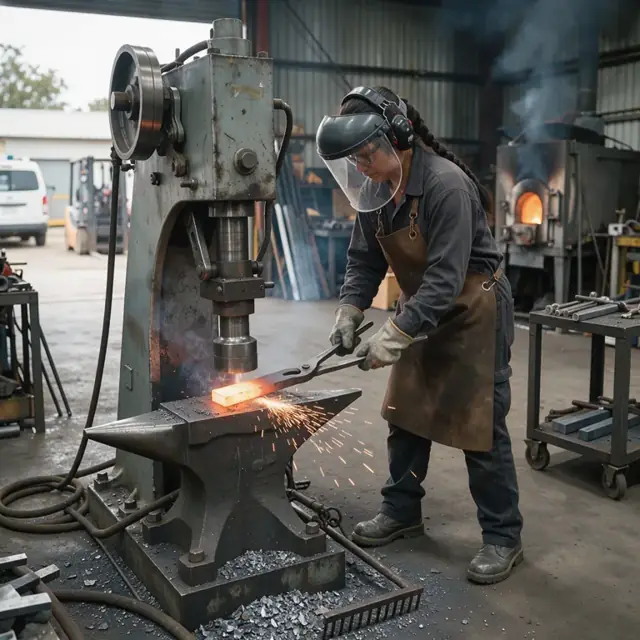
Production Tracker
Generate daily forging checklists, record actual parameters and track parts through each post-forge step.
Works in: Ambitious Tasks, Ambitious Docs, Ambitious Sheets · Workflows: Forge production and tracking
Automates
- Creates shift checklists with target temperatures and piece counts
- Logs completed operations and actual forging data
- Moves jobs through trimming, blasting and heat-treat steps
- Flags lots ready for final inspection
- Tracks material usage and die wear
Stops for a person
- The forge operator records actual hammer settings and any defects observed
- The owner or supervisor reviews production records daily

Quality and Certification Clerk
Compile inspection checklists, record test results and assemble certification packages for each shipment.
Works in: Ambitious Docs, Ambitious Sheets, Ambitious Tasks · Workflows: Inspection and certification
Automates
- Generates dimensional and testing checklists from the drawing
- Organizes material certifications and heat treat records
- Compiles all test results into the job packet
- Drafts certificate of conformance
- Prepares the complete documentation package
Stops for a person
- A qualified inspector performs all measurements and nondestructive testing
- The owner reviews and signs every certificate of conformance before shipment
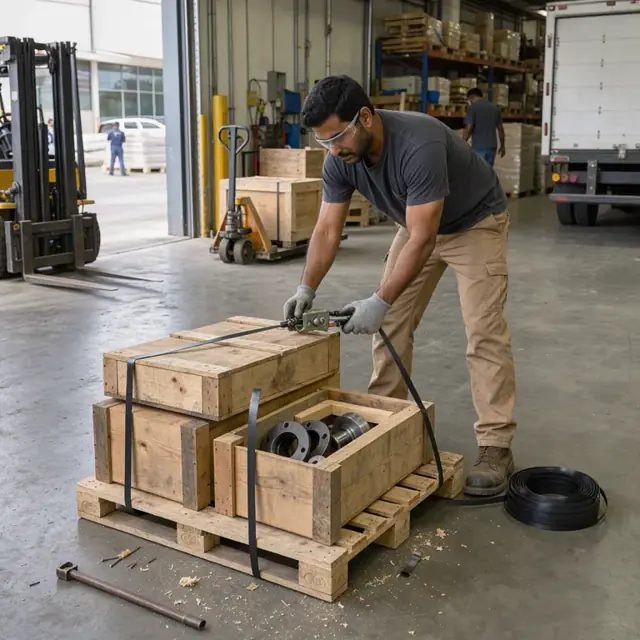
Shipping Coordinator
Prepare packing lists, shipping documents and invoices once parts have passed inspection.
Works in: Ambitious Docs, Ambitious Tasks, Email Buckets · Workflows: Shipping and invoicing
Automates
- Creates packing lists with heat numbers and quantities
- Generates shipping labels and bills of lading
- Drafts invoices with job details
- Closes jobs in the schedule and inventory
- Archives completed job packets
Stops for a person
- The owner approves all invoices and any special shipping instructions
- A person verifies the physical parts and paperwork match before loading
Workflows
Order and drawing intake
Starts when: A customer sends a request for quote, purchase order or drawing via email or portal
- Capture part number, drawing revision, material grade, quantity, due date and any special requirements
- Verify drawing legibility and that all dimensions, tolerances and notes are readable
- Check against current open capacity on the forge schedule
- Draft a quotation or acknowledgment with price, lead time and terms
- Create a job packet containing the approved drawing and material callout
Watch for: Any deviation from the customer drawing must be approved in writing by the customer; Material grade and certification level cannot be substituted without owner approval
Forging process planning
Starts when: After order acknowledgment
- Determine whether open-die or closed-die forging is required
- Select starting billet size, weight and grade from approved suppliers
- Calculate forging temperatures, reduction ratios and number of heats
- Design or select existing die set and draft tooling list
- Build the step-by-step process router including trimming, heat treatment and inspection steps
Watch for: Forge operator must review and approve the process plan before any steel is cut; Die design changes require engineering sign-off
Forge and heat-treat scheduling
Starts when: Weekly and when new jobs are released
- Load confirmed jobs into the master schedule by due date and equipment
- Sequence jobs to minimize die changes and furnace cool-downs
- Assign hammer or press time, furnace loads and post-forge operations
- Reserve tooling and die sets for each job
- Flag any jobs needing outside nondestructive testing or certification
Watch for: Hammer and press capacity is limited by tonnage and available tooling; Furnace schedules must respect heating and soaking times for each alloy
Material and tooling preparation
Starts when: One day before scheduled forge day
- Pull or order certified billet stock matching the job material callout
- Cut billets to calculated length and weight
- Inspect and prepare dies, tooling and fixtures
- Stage necessary tongs, lubricants and safety equipment
- Print traveler and attach copies of the drawing and process router
Watch for: Steel heat numbers must be recorded and remain traceable throughout production; Any nonconforming material must be quarantined and reported
Forge production and tracking
Starts when: Start of each forge shift
- Generate daily checklist of jobs, temperatures, pressures and expected piece counts
- Record actual forging parameters and any deviations
- Track parts through trimming, shot blast and any in-house heat treatment
- Flag completed lots for final inspection
- Update inventory of consumed billets and die wear
Watch for: Actual forging temperatures and times are set by the operator at the hammer; Any cracks, laps or other defects found during forging must be documented
Inspection and certification
Starts when: After forging and heat treatment
- Create dimensional inspection checklist from the customer drawing
- Record results of hardness, magnetic particle or ultrasonic testing as required
- Compile material test reports, heat-treat charts and inspection records
- Draft certificate of conformance for owner review
- Attach all documentation to the job packet for shipment
Watch for: All inspection results and certifications must be reviewed and signed by the owner or authorized quality person; Customer-specific testing or third-party inspection cannot be skipped
Shipping and invoicing
Starts when: When parts are inspected and packaged
- Prepare packing list with heat numbers and quantity shipped
- Generate shipping labels and any required export or hazmat paperwork
- Draft invoice with job details and any applicable certifications
- Close the job in the schedule and update inventory
- Archive the complete job packet
Watch for: Customer-specific shipping instructions and documentation must be followed exactly; All paperwork is reviewed by a person before parts leave the shop
Bot templates for this industry
- Iron and Steel Forging (7 bots)
Source: U.S. Small Business Administration, Office of Size Standards, Table of Small Business Size Standards Matched to North American Industry Classification System Codes, version March 2023 (effective 2023-03-17, NAICS 2022). Size standards are shown for reference only.