

Nonferrous Forging
Nonferrous forging shops take customer drawings or specifications for aluminum, brass, copper and titanium parts, schedule forge presses and dies, heat metal to precise temperatures, strike or press shapes, trim flash, perform heat treatment when required, and ship finished forgings. Specialists turn incoming specs into job packets with routing, convert orders into press schedules and die setups, track raw billet inventory and die life, generate traveler paperwork and inspection points, and manage compliance logs for material certifications and process records. Metallurgical calls, die maintenance and final sign-off stay with the forge team.
What makes this business different
- Customer-supplied drawings or CAD files that must be reviewed for forgeability and tolerances
- Alloy-specific heating, forging and cooling procedures that cannot be interchanged
- Die and tooling inventory with life-cycle tracking and maintenance schedules
- Material traceability from billet lot to finished part, including mill certifications
- In-process and final inspection points for dimensions, hardness and surface finish
- Press and hammer schedules limited by tonnage, temperature ranges and setup times
- Heat-treat furnaces with time-at-temperature logs and quench records
- Trimming, deburring and secondary machining steps that follow forging
- Shipment paperwork that travels with each lot including material certs
Specialist bots
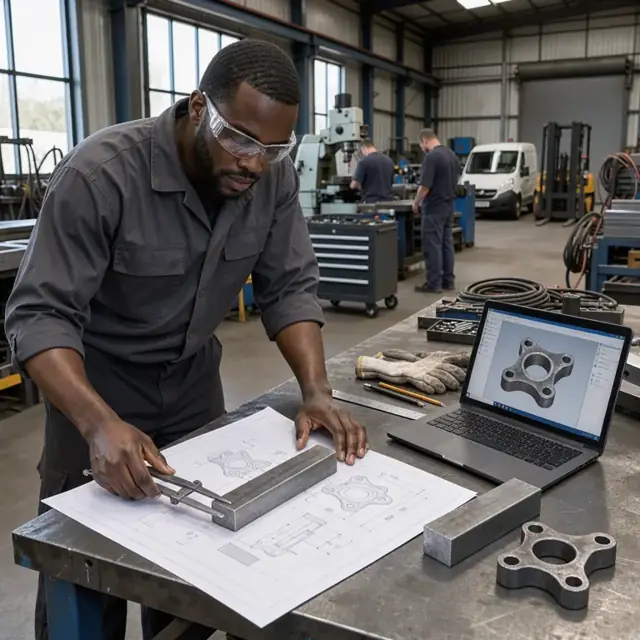
Drawing and Order Reviewer
Convert incoming customer drawings and purchase orders into complete forge job packets with routing and inspection points.
Works in: Ambitious Docs, Ambitious Tasks, Contract Analyzer · Workflows: Order and drawing review
Automates
- Extracts part number, alloy, quantity and due date from order documents
- Compares drawing tolerances against forge capability
- Builds the initial traveler template and required inspection steps
- Flags missing information or new die requirements
- Creates the job task and links reference files
Stops for a person
- Metallurgist or lead forge engineer approves the process routing
- Engineering confirms any new die design before quoting
- A person releases the job packet to scheduling
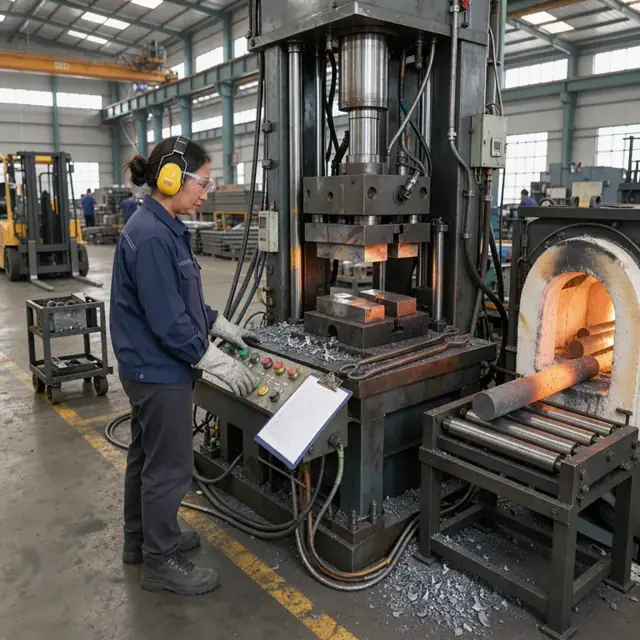
Forge Press Scheduler
Build daily and weekly press schedules that respect alloy families, die availability and setup minimization.
Works in: Ambitious Sheets, Ambitious Tasks · Workflows: Forge press scheduling and setup
Automates
- Groups open jobs by alloy and press tonnage
- Assigns dies and calculates required billet quantities
- Optimizes sequence to reduce die changes
- Inserts required heat treat and secondary steps
- Updates live schedule board
Stops for a person
- The forge supervisor adjusts the schedule for machine availability or urgent orders
- A person confirms the final daily schedule before shift start
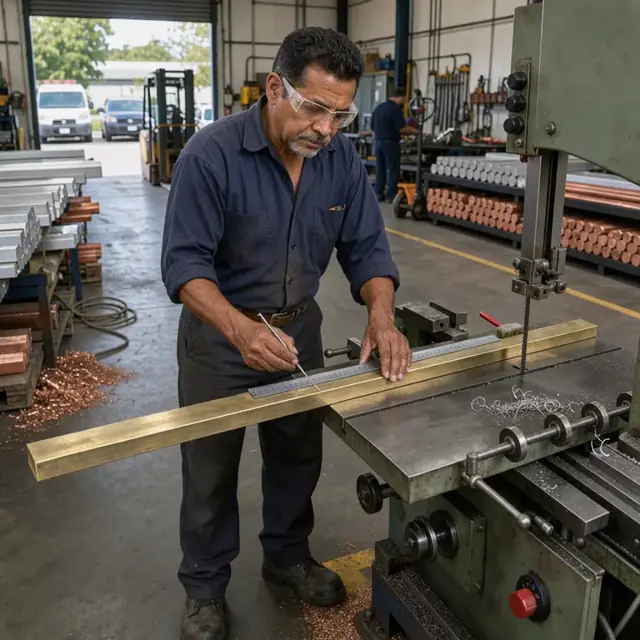
Billet and Raw Material Manager
Track nonferrous billet inventory by alloy, lot and diameter and prepare cut material for each forge job.
Works in: Ambitious Sheets, Ambitious Tasks · Workflows: Raw material and billet preparation
Automates
- Calculates required billet lengths and quantities from job data
- Reserves specific lots and prints traceability tags
- Generates purchase lists when stock drops below reorder levels
- Records cut weights and remaining drop inventory
- Stages material with the traveler
Stops for a person
- The operator verifies alloy and lot numbers before cutting
- Purchasing approves and places orders for new billet stock

Process and Inspection Verifier
Capture in-process forging parameters, first-article results and post-heat-treat test data against customer requirements.
Works in: Ambitious Tasks, Ambitious Docs, Ambitious Sheets · Workflows: Forging execution and in-process checks, Inspection, heat treat and finishing
Automates
- Generates the traveler with required checkpoints
- Logs furnace, press and die temperatures
- Records dimensional and hardness results
- Flags out-of-tolerance conditions for review
- Compiles test data for the final report
Stops for a person
- The forge operator records actual temperatures and pressures
- Quality inspector performs and signs off final measurements
- Metallurgist reviews any deviations
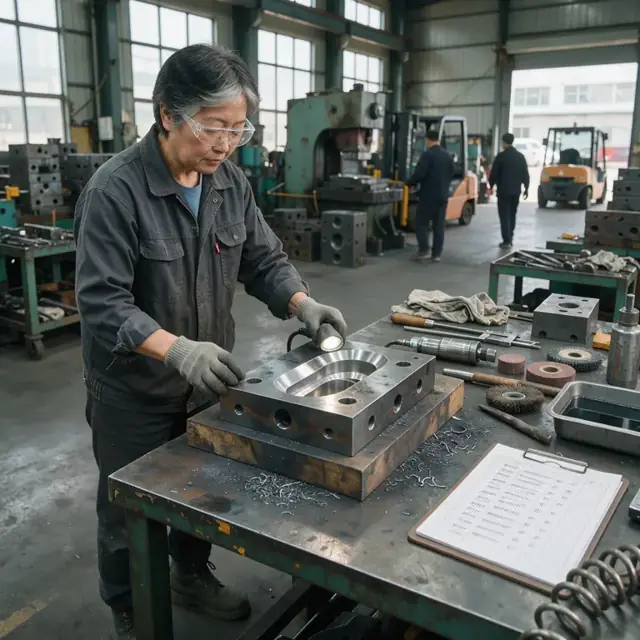
Die Maintenance Coordinator
Track die usage, schedule maintenance and manage the tooling library to maximize die life.
Works in: Ambitious Sheets, Ambitious Tasks, Process Optimizer · Workflows: Die and tooling maintenance
Automates
- Records strike counts after each run
- Schedules polishing or repair based on alloy and cycles
- Maintains die location and condition status
- Generates reorder lists for spare dies
- Alerts before critical dies reach end of life
Stops for a person
- The die maker performs and documents repairs
- Engineering approves any weld repairs or design changes

Certification and Shipping Clerk
Assemble material certifications, inspection reports and shipping documents that travel with each forged lot.
Works in: Ambitious Docs, Ambitious Tasks, Contract Analyzer · Workflows: Shipping and certification paperwork
Automates
- Compiles traveler, test results and mill certs into one packet
- Checks customer order for special documentation requirements
- Generates packing lists and labels
- Drafts shipment notification for approval
- Archives the completed digital job file
Stops for a person
- Quality manager reviews and signs the final certification package
- Shipping personnel verify contents against the packing list before release
- A person sends the customer notification
Workflows
Order and drawing review
Starts when: New customer purchase order or request for quote arrives
- Capture part number, alloy, quantity, due date and reference drawing
- Check drawing against existing dies or note new die requirement
- Draft job packet with material callout, process steps and inspection points
- Route the packet for engineering approval before scheduling
- Confirm material availability against current billet inventory
Watch for: Alloy and temper must match customer specification exactly; New forgings require die design review before quoting
Forge press scheduling and setup
Starts when: Approved job packet and available press time
- Group jobs by alloy family and press tonnage
- Assign dies, heating furnaces and operators to each shift
- Calculate billet sizes and quantities needed per lot
- Build the daily press schedule with setup and run times
- Flag any required heat treatment or secondary operations
Watch for: Presses run at specific temperatures per alloy; Die changes require significant setup time and must be minimized
Raw material and billet preparation
Starts when: One week before scheduled forge date
- Pull billet inventory by alloy and diameter
- Cut billets to calculated lengths and weigh each
- Generate material traceability tags for each cut lot
- Stage cut billets with the job traveler for heating
- Reorder raw stock when inventory falls below reorder point
Watch for: Billet chemistry and lot numbers must be recorded on traveler; Nonferrous alloys oxidize and require protective coatings before heating
Forging execution and in-process checks
Starts when: Start of each forge shift
- Verify furnace temperature and billet soak time
- Record strike or press parameters for each piece
- Inspect first article for fill, flash and surface defects
- Log die temperature and press tonnage readings
- Move completed forgings to trimming with updated traveler
Watch for: Temperature must stay within alloy-specific forging window; Die lubrication and cooling cycles are critical to die life
Inspection, heat treat and finishing
Starts when: After forging and trimming complete
- Perform dimensional and visual inspection per drawing
- Schedule and record heat treatment cycles when required
- Conduct hardness and conductivity testing after heat treat
- Deburr, clean and apply protective finish if specified
- Prepare final inspection report and material certification package
Watch for: Heat treat parameters must be logged against each lot; Nonconforming parts require rework or scrap disposition by engineering
Die and tooling maintenance
Starts when: After each production run and on scheduled intervals
- Inspect dies for wear, cracking and flash buildup
- Record number of strikes or cycles since last maintenance
- Schedule polishing, welding repair or replacement
- Update die life database and reorder spares
- Return maintained dies to inventory with status
Watch for: Each die has a unique identification and usage history; Certain alloys are more abrasive and shorten die life
Shipping and certification paperwork
Starts when: Final inspection approval
- Compile traveler, test reports, material certs and packing list
- Generate shipping labels and carrier paperwork
- Draft customer notification of shipment
- Close the job in the schedule and update inventory
- Archive digital packet for traceability
Watch for: Material certifications must travel with each shipment; Customer-specific quality documentation requirements vary
Bot templates for this industry
- Nonferrous Forging (6 bots)
Source: U.S. Small Business Administration, Office of Size Standards, Table of Small Business Size Standards Matched to North American Industry Classification System Codes, version March 2023 (effective 2023-03-17, NAICS 2022). Size standards are shown for reference only.