

Custom Roll Forming
Custom roll forming shops take customer specifications for metal profiles, set up progressive roll-forming lines with custom or existing tooling, run production in batches, perform in-line cutting and secondary operations, and deliver formed metal sections. Specialists turn order details into verified drawings and setups, drawings into machine schedules and tooling lists, schedules into material purchases and coil inventory, and production data into quality reports, shipping labels and invoices. Tooling design, die setup, first-article approval and final quality sign-off stay with the lead former and engineer.
What makes this business different
- Customer-supplied or shop-sourced metal coils in specific gauges, widths, alloys and finishes that must match exactly
- Progressive roll-forming dies and tooling that are designed, stored, maintained and swapped between jobs
- Batch runs that balance customer order quantities against economical coil lengths and setup times
- In-line secondary operations such as punching, notching, embossing or cutoff that must be sequenced correctly
- Dimensional tolerances, material certifications, and surface-finish requirements that require first-article inspection
- Coil inventory tracking with remnants, rust prevention, and FIFO rotation
- Compliance paperwork including material test reports, certificate of conformance, and packaging requirements
- Repeat OEM customers with blanket orders, release schedules, and annual tooling maintenance
Specialist bots
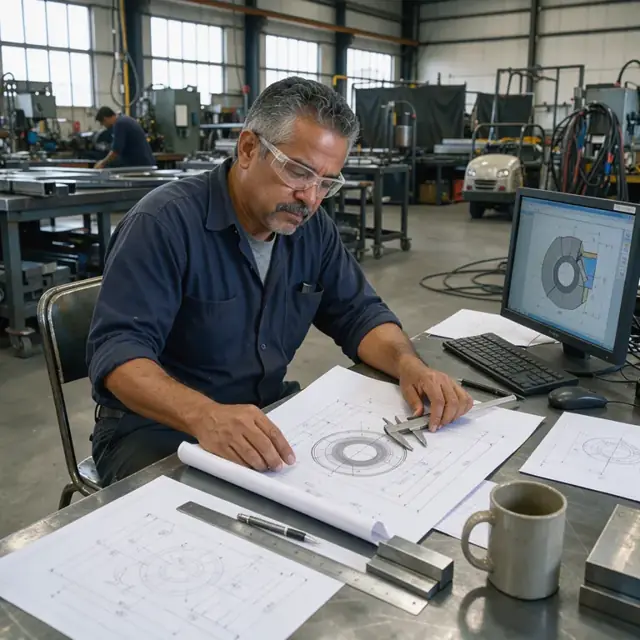
Order Verifier
Convert incoming customer orders and drawings into verified, shop-ready specifications.
Works in: Ambitious Docs, Ambitious Tasks, Contract Analyzer · Workflows: Order and drawing verification
Automates
- Reads purchase orders and attached drawings
- Extracts material, tolerance, length and secondary requirements
- Compares against machine and tooling capabilities
- Drafts clarification questions
- Creates the engineering task with a checked specification sheet
Stops for a person
- The engineer confirms any capability or tolerance questions
- Deviations from customer drawings are approved by a person before release

Tooling and Setup Planner
Design or locate required roll-forming tooling and create precise machine setup instructions.
Works in: Ambitious Docs, Ambitious Tasks, Process Optimizer · Workflows: Tooling and machine setup planning
Automates
- Matches part geometry to existing roll sets
- Generates station-by-station setup sheets with gaps and pressures
- Estimates changeover time and required equipment
- Flags missing or worn tooling for ordering or maintenance
Stops for a person
- The lead former reviews and adjusts the setup sheet on the floor
- Any new roll design is approved by the engineer before fabrication

Coil and Material Coordinator
Calculate exact coil requirements, maintain remnant inventory, and prepare purchase lists.
Works in: Ambitious Sheets, Ambitious Tasks · Workflows: Coil purchasing and inventory
Automates
- Computes required coil length and weight from part data
- Subtracts usable on-hand and remnant coils
- Drafts purchase orders with material certifications required
- Tracks coil locations, heat numbers and FIFO status
Stops for a person
- Purchasing decisions and supplier selection are made by a person
- The shop foreman confirms coil suitability for each job

Production Line Scheduler
Sequence customer orders across roll-forming lines to minimize setups and meet delivery dates.
Works in: Ambitious Sheets, Ambitious Tasks · Workflows: Production line scheduling
Automates
- Sequences jobs by material type and tooling similarity
- Calculates run and setup times per line
- Reserves time for inspections and maintenance
- Adjusts for new rush orders or delays
Stops for a person
- The production manager approves the weekly schedule
- Machine operators report actual run times that update future schedules

Quality Inspection Clerk
Generate inspection checklists, record first-article and in-process measurements, and compile quality packets.
Works in: Ambitious Docs, Ambitious Sheets, Ambitious Tasks · Workflows: In-process and final quality control
Automates
- Creates feature-by-feature tolerance checklists from drawings
- Logs measurements at required intervals
- Flags deviations and creates hold tags
- Compiles material certifications and inspection reports
Stops for a person
- A qualified inspector performs and signs off all physical measurements
- Any non-conformance disposition is decided by the quality manager
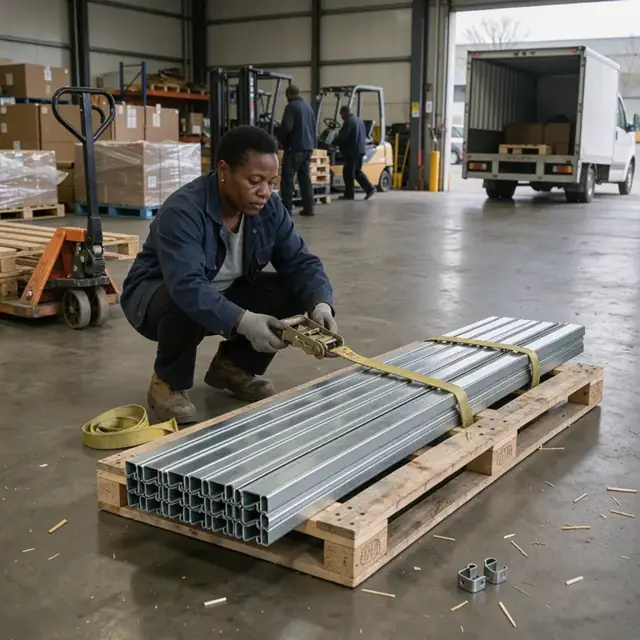
Shipping and Documentation Coordinator
Prepare packaging instructions, labels, bills of lading and certificates of conformance for each completed batch.
Works in: Ambitious Docs, Ambitious Tasks, Ambitious Sheets · Workflows: Packaging, labeling and shipping
Automates
- Determines packaging type and materials based on part length and customer requirements
- Generates barcoded labels and packing lists
- Drafts bills of lading and conformance certificates
- Closes jobs and triggers invoicing
Stops for a person
- The shop lead verifies count and condition before final packaging
- All certificates and shipping documents are reviewed and signed by a person

Tooling Maintenance Clerk
Track tooling usage, schedule maintenance, and maintain accurate tooling location and condition records.
Works in: Ambitious Sheets, Ambitious Tasks, Ambitious Docs · Workflows: Tooling maintenance and storage
Automates
- Logs usage hours after each run
- Schedules regrinding or repair based on wear limits
- Updates tooling storage locations and status
- Archives modified setup sheets
Stops for a person
- The toolmaker performs all physical maintenance and inspections
- Decisions to scrap or rework expensive dies are made by the owner or engineer
Workflows
Order and drawing verification
Starts when: A new customer purchase order or drawing arrives by email or portal
- Extract part number, material grade, gauge, finish, length, tolerances and secondary operations
- Compare against existing dies, current machine capabilities and minimum order quantities
- Draft a clarification request for any missing or conflicting specifications
- Create an engineering task with a checked drawing set
- Record order status and promised ship date
Watch for: Material must be verified against what the shop can actually form without cracking or excessive springback; Any deviation from supplied drawings must be approved in writing before production
Tooling and machine setup planning
Starts when: After drawing is approved and before each production run
- Identify or design required roll stations, spacers, cutoff dies and in-line tooling
- Check tooling inventory and maintenance history
- Build a sequenced setup checklist with roll gaps, pressures and alignment specs
- Estimate changeover time and required crew
- Generate a digital setup sheet for the floor
Watch for: Tooling can weigh hundreds of pounds and requires overhead cranes or forklifts; Roll-forming machines have different station counts and horsepower limits
Coil purchasing and inventory
Starts when: After order verification and weekly
- Calculate total coil weight and length needed from order quantities and part weight
- Subtract usable remnants and on-hand coils of the correct alloy and gauge
- Draft purchase orders by supplier with required certifications
- Schedule coil delivery to match production start dates
- Update coil inventory with heat numbers and locations
Watch for: Coils must be stored flat, protected from moisture and rotated FIFO; Minimum mill order quantities often exceed single customer orders
Production line scheduling
Starts when: Weekly and when new orders are released
- Sequence jobs to minimize tooling changeovers and material changes
- Assign orders to specific roll-forming lines based on width, gauge and secondary needs
- Calculate run times, setup times and expected output
- Reserve time for first-article inspection and quality checks
- Adjust schedule for preventive maintenance or urgent releases
Watch for: Setup time can exceed run time for small batches; Certain alloys require slower speeds or additional lubrication
In-process and final quality control
Starts when: At first article and throughout each run
- Generate dimensional checklist for critical features and tolerances
- Record first-article measurements and photos
- Log in-line measurements at defined intervals
- Flag any out-of-tolerance conditions and trigger rework or hold
- Compile material certifications and inspection reports for the job packet
Watch for: Dimensional checks must occur while metal is still on the line; Certain finishes cannot be touched with bare hands or certain tools
Packaging, labeling and shipping
Starts when: When a batch reaches final count and passes inspection
- Calculate required packaging type, skids, strapping and protective materials
- Generate customer-specific labels with part number, heat lot, quantity and barcodes
- Draft bill of lading and certificate of conformance
- Schedule carrier pickup or notify customer of ready shipment
- Close the job in inventory and trigger invoicing
Watch for: Long profiles require special cradles or bundling to prevent bending in transit; Some customers require specific rust-preventive coatings or wrapping
Tooling maintenance and storage
Starts when: After each use and on a calendar cadence
- Record usage hours and inspect rolls for wear, chips or galling
- Schedule regrinding or replacement when tolerances approach limits
- Update tooling location and status in inventory
- Generate work orders for die maintenance or coating
- Archive setup sheets with any modifications made during the run
Watch for: Precision ground rolls are expensive and must be protected from corrosion; Some tooling is customer-owned and must be returned or stored separately
Bot templates for this industry
- Custom Roll Forming (7 bots)
Source: U.S. Small Business Administration, Office of Size Standards, Table of Small Business Size Standards Matched to North American Industry Classification System Codes, version March 2023 (effective 2023-03-17, NAICS 2022). Size standards are shown for reference only.