

Powder Metallurgy Part Manufacturing
Powder metallurgy part manufacturers produce precision metal components by compacting metal powders in dies and sintering them in furnaces. For a shop that takes custom part orders with specific alloys, densities and tolerances, the specialists turn customer drawings and specs into confirmed orders, orders into a production schedule with tooling and powder requirements, and the schedule into furnace runs, secondary operations and shipments. Tooling, sintering cycles, density testing and material certifications stay with the metallurgist and press operators.
What makes this business different
- Custom part orders with detailed drawings, material compositions, density targets, dimensional tolerances and secondary operation needs
- Tooling design or modification for each new or revised part, with lead times for die and punch fabrication
- Powder inventory management by alloy type, lot traceability and moisture sensitivity
- Sintering furnace schedules that balance temperature profiles, atmospheres and cycle times across multiple part types
- In-process and final density, hardness and dimensional inspections with statistical process control
- Material and process certifications, lot traceability and compliance paperwork for automotive, aerospace or medical customers
- Repeat orders for production runs with reorder points based on customer call-offs and safety stock
- Secondary operations such as sizing, machining, heat treating or plating that may be in-house or outsourced
Specialist bots

Order and Specification Reviewer
Convert customer drawings and purchase orders into confirmed production-ready specifications.
Works in: Ambitious Tasks, Ambitious Docs, Contract Analyzer · Workflows: Order intake and specification review
Automates
- Reads incoming drawings, RFQs and purchase orders
- Extracts alloy, density, tolerance and secondary operation requirements
- Checks against current tooling and capacity
- Drafts quotes and order acknowledgments
- Creates the production order task with linked files
Stops for a person
- The metallurgist approves any non-standard alloys or density targets
- A person reviews and sends all quotes and formal acknowledgments

Tooling Coordinator
Manage tooling library, design requirements and setup documentation for each part.
Works in: Ambitious Docs, Ambitious Tasks, Ambitious Sheets · Workflows: Tooling preparation and setup
Automates
- Compares new part geometry to existing tooling
- Generates die and punch specifications
- Creates press setup sheets
- Tracks tooling fabrication status
- Schedules maintenance on active tooling
Stops for a person
- The toolmaker and press operator approve final tooling designs
- Any tooling modification that affects part geometry requires customer approval
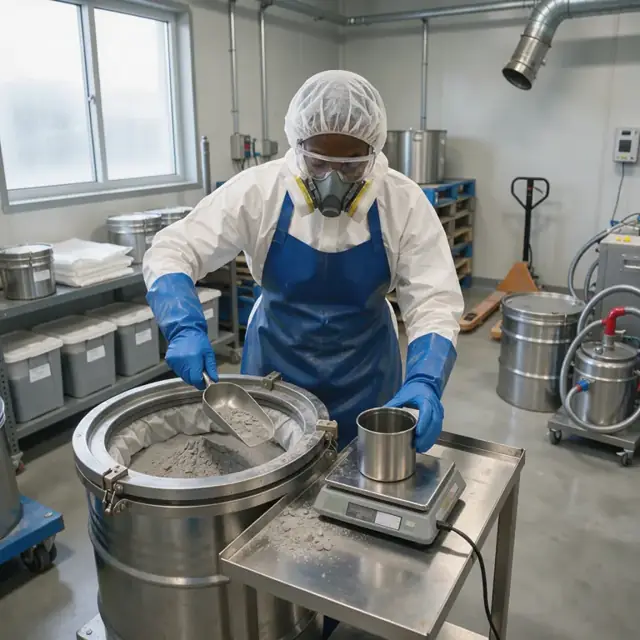
Powder Inventory Manager
Track powder stocks by alloy and lot, calculate requirements and prepare material releases.
Works in: Ambitious Sheets, Ambitious Tasks, Ambitious Docs · Workflows: Powder inventory and material release
Automates
- Calculates powder needs from the production schedule
- Checks current inventory and lot availability
- Drafts purchase orders for additional powder
- Issues specific lots for production with traceability
- Tracks usage and return of scrap powder
Stops for a person
- The owner approves all powder purchases
- The metallurgist reviews any lot substitutions

Production Scheduler
Create efficient press and furnace schedules that respect tooling, temperature and atmosphere constraints.
Works in: Process Optimizer, Ambitious Tasks · Workflows: Production scheduling and furnace loading
Automates
- Sequences jobs to minimize changeovers
- Groups parts by compatible sintering parameters
- Builds daily schedules with cycle times
- Calculates expected part weights
- Identifies jobs needing special monitoring
Stops for a person
- The furnace operator adjusts schedules based on actual conditions
- The owner approves any schedule that affects promised delivery dates
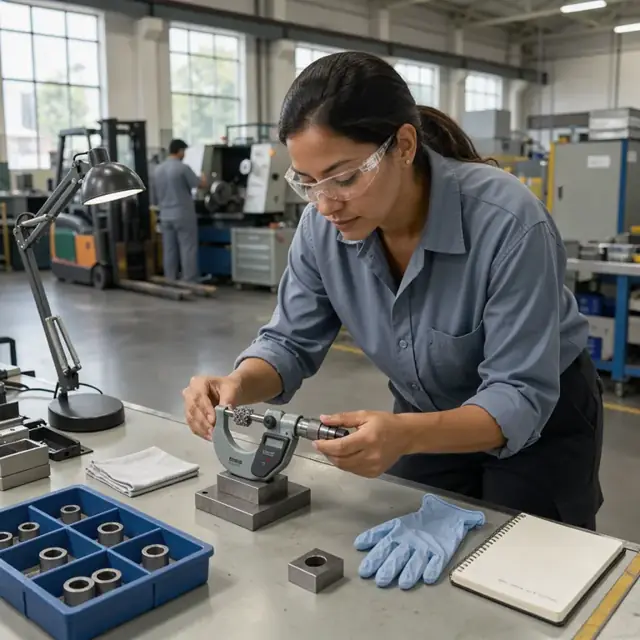
Quality and Inspection Verifier
Generate inspection plans, record test data and prepare material certifications.
Works in: Ambitious Tasks, Ambitious Sheets, Ambitious Docs · Workflows: In-process and final quality inspection
Automates
- Creates part-specific inspection checklists
- Logs dimensional, density and hardness results
- Compares results to specification limits
- Drafts certificates of conformance and test reports
- Flags out-of-specification parts
Stops for a person
- A qualified inspector performs all final measurements and approves reports
- The metallurgist reviews and signs all material certifications
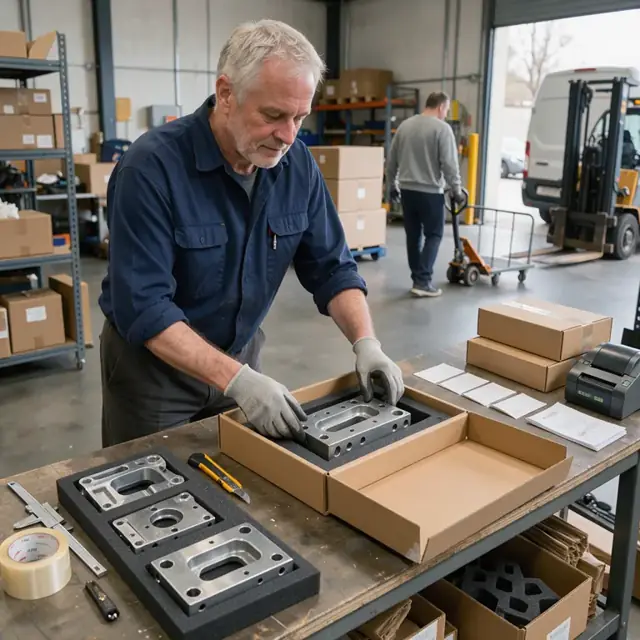
Shipping and Certification Coordinator
Prepare packing lists, certifications and shipping documents for completed orders.
Works in: Ambitious Tasks, Ambitious Docs, Ambitious Sheets · Workflows: Packaging, certification and shipping
Automates
- Groups finished parts by customer order
- Compiles required certification documents
- Generates packing lists and labels
- Creates carrier instructions
- Updates inventory records after shipment
Stops for a person
- A person reviews and approves all certifications before they are sent
- The owner confirms final shipment details and signs any required documents
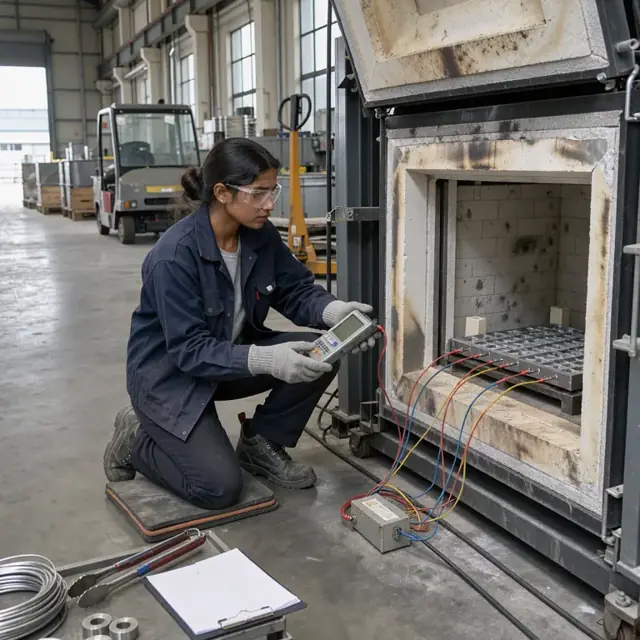
Maintenance and Compliance Clerk
Track equipment maintenance, calibration and compliance documentation for presses, furnaces and instruments.
Works in: Ambitious Tasks, Ambitious Sheets, Ambitious Docs · Workflows: Equipment maintenance and compliance tracking
Automates
- Generates preventive maintenance schedules
- Tracks calibration due dates for scales and temperature sensors
- Logs furnace temperature and atmosphere data
- Warns before permits or inspections are due
- Maintains the master specification library
Stops for a person
- Maintenance technicians perform and document all physical work
- The metallurgist confirms which customer and regulatory requirements apply
- People review and file all compliance records
Workflows
Order intake and specification review
Starts when: A customer submits a drawing, request for quote or purchase order
- Extract part number, alloy, density, tolerance, quantity, delivery date and secondary requirements from the drawing and notes
- Check against existing tooling, active jobs and furnace capacity
- Draft a formal quote or order acknowledgment with lead time and price
- Create a production-ready order task with linked drawing and specification sheet
- Flag any missing material certifications or special testing needs
Watch for: Drawings must be reviewed for compactability and sinterability before acceptance; Alloy and density targets drive powder selection and process parameters
Tooling preparation and setup
Starts when: New or revised part order is accepted
- Review part geometry against existing tooling library
- Draft die, punch and core rod specifications for new tooling or modifications
- Schedule tooling fabrication or repair with internal or external toolmakers
- Verify first-article tooling dimensions before production release
- Create setup sheets for press operators
Watch for: Tooling wear directly affects part density and dimensions; Changes to tooling require customer drawing revisions in many cases
Powder inventory and material release
Starts when: Weekly and before each production run
- Explode production schedule into required powder quantities by alloy and lot
- Check current inventory and moisture levels
- Draft purchase orders for additional powder and additives
- Release specific lots to production with traceability numbers
- Track powder usage and scrap returns
Watch for: Many powders are sensitive to oxidation and must be stored under controlled conditions; Lot traceability is required for material certifications
Production scheduling and furnace loading
Starts when: After tooling is ready and powder is available
- Sequence orders to minimize tooling changes and furnace temperature swings
- Group parts by similar sintering profiles and atmosphere requirements
- Build daily press and furnace schedules with cycle times
- Calculate expected green and sintered weights for each batch
- Flag parts needing special monitoring or first-article inspection
Watch for: Furnace belt speed, temperature zones and atmosphere must be set precisely for each alloy; Press setup time varies significantly between part families
In-process and final quality inspection
Starts when: After compaction, sintering and secondary operations
- Generate inspection checklists for dimensional, density, hardness and visual criteria
- Record statistical process control data from sample measurements
- Compare results against customer specifications
- Draft material test reports and certificates of conformance
- Flag nonconforming material for rework or scrap
Watch for: Density measurement methods differ by alloy and part geometry; Some customers require PPAP or specific qualification packages
Packaging, certification and shipping
Starts when: Parts pass final inspection
- Group finished parts by customer and order
- Draft packing lists, certifications and material traceability documents
- Create shipping labels and carrier instructions
- Record shipment date, tracking and customer notification
- Update inventory and trigger reorder calculations
Watch for: Parts are often fragile after sintering and require careful packaging; Many shipments require signed certifications that only a person can approve
Equipment maintenance and compliance tracking
Starts when: Monthly, quarterly and on equipment due dates
- Generate preventive maintenance checklists for presses, furnaces and scales
- Track calibration due dates for test equipment and temperature sensors
- Log furnace atmosphere and temperature chart records
- Monitor permit, emission and safety inspection renewal dates
- Maintain alloy and process specification library
Watch for: Furnace temperature uniformity surveys and atmosphere control records are mandatory for many customers; The metallurgist confirms which requirements apply to each job
Bot templates for this industry
- Powder Metallurgy Part Manufacturing (7 bots)
Source: U.S. Small Business Administration, Office of Size Standards, Table of Small Business Size Standards Matched to North American Industry Classification System Codes, version March 2023 (effective 2023-03-17, NAICS 2022). Size standards are shown for reference only.