

Metal Crown, Closure, and Other Metal Stamping (except Automotive)
Metal stamping shops produce custom and repeat-run crowns, closures, lids, brackets, clips and small formed parts from coil or sheet metal. For a shop that takes customer drawings or specifications and runs both production orders and quick-turn prototypes, the specialists turn incoming orders into job packets with drawings and tolerances, job packets into die and press schedules, schedules into material orders and tooling lists, and completed runs into inspection reports, certifications and invoices. Tooling maintenance, press tonnage limits and first-article approvals stay with the machinist and operator.
What makes this business different
- Customer-supplied drawings, tolerances, material grades and finishing requirements that must be followed exactly
- Tooling and die sets that are designed, maintained or stored for repeat orders
- Press scheduling around tonnage, bed size, coil width and changeover time
- First-article inspection, in-process checks and final dimensional verification before shipment
- Material certifications and required documentation that must accompany shipments
- Coil and sheet inventory with gauge, temper and lot traceability
- Scrap rates, die wear tracking and preventive maintenance on presses and dies
- Repeat customers with standing tooling and ongoing production runs
Specialist bots
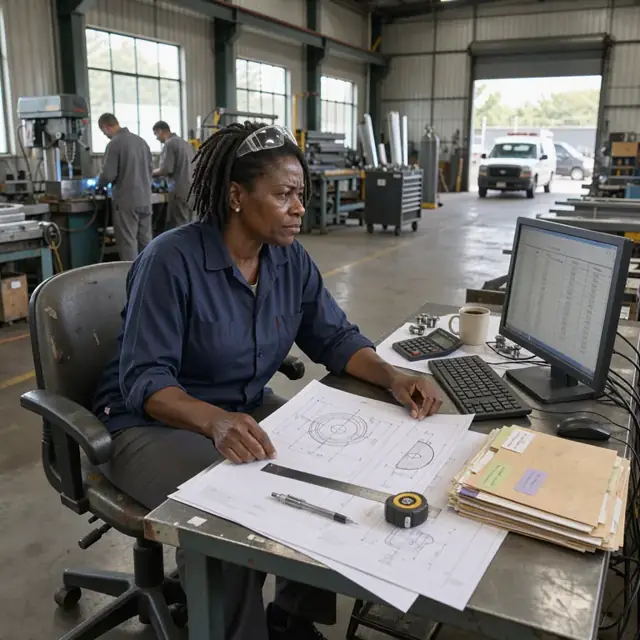
Order and Drawing Intake Clerk
Convert every customer order, drawing and specification into a complete job packet ready for scheduling.
Works in: Ambitious Tasks, Ambitious Docs, Email Buckets · Workflows: Order and drawing intake
Automates
- Reads incoming emails and attached drawings
- Extracts part number, revision, quantity, due date and material callouts
- Checks drawing completeness and flags missing information
- Assembles the job packet with all files
- Drafts the order acknowledgment
Stops for a person
- The owner reviews and approves any nonstandard tolerances or materials
- A person sends the final acknowledgment to the customer

Press Scheduler
Turn confirmed orders into an optimized weekly press schedule that respects tonnage, die and changeover constraints.
Works in: Ambitious Tasks, Ambitious Sheets · Workflows: Press scheduling and die setup
Automates
- Groups jobs by material and press requirements
- Calculates run times and changeovers
- Assigns jobs to presses and creates daily setup sheets
- Flags jobs that need new tooling
Stops for a person
- The shop supervisor approves the final schedule each week
- Any schedule change due to machine downtime is decided by the owner
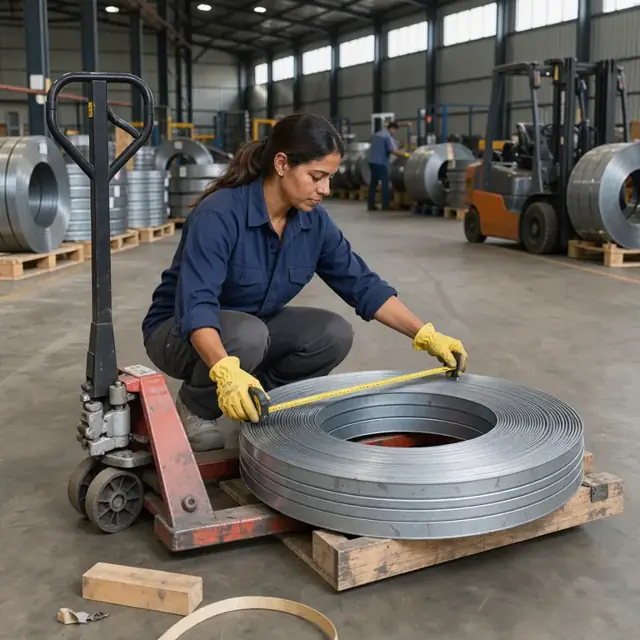
Materials and Tooling Coordinator
Convert the production schedule into accurate material purchase orders and maintain coil, sheet and tooling inventory with full traceability.
Works in: Ambitious Sheets, Ambitious Tasks, Ambitious Docs · Workflows: Material and tooling procurement
Automates
- Calculates exact coil and sheet quantities needed
- Subtracts current stock and pending receipts
- Drafts purchase orders by supplier
- Tracks material documentation and lot numbers
- Monitors scrap and yield data
Stops for a person
- The owner places and approves all purchases
- Material substitutions must be confirmed by the owner

Quality Inspector
Generate inspection checklists from drawings and record first-article and final measurements to produce reports and certificates.
Works in: Ambitious Tasks, Ambitious Docs, Ambitious Sheets · Workflows: In-process and final inspection, Production execution and first-article approval
Automates
- Pulls critical dimensions from the job packet
- Creates digital checklists for in-process and final checks
- Records measurements and photos
- Generates inspection reports and certificates of conformance
- Flags parts outside tolerance
Stops for a person
- The owner or lead operator reviews and signs off on first-article parts
- Any nonconforming material is reviewed and dispositioned by a person

Tooling Maintenance Clerk
Track every die's usage, wear and maintenance history and generate preventive tasks before tooling fails.
Works in: Ambitious Tasks, Ambitious Sheets, Ambitious Docs · Workflows: Tooling maintenance and die tracking
Automates
- Logs stroke counts after each run
- Compares wear measurements to historical data
- Creates maintenance tasks for sharpening or repair
- Maintains die location and storage records
- Forecasts replacement timing
Stops for a person
- The toolmaker performs all actual die work and confirms completion
- The owner decides when to build or buy new tooling

Shipping and Documentation Coordinator
Prepare all packing lists, material documentation, inspection reports and invoices once parts are approved for shipment.
Works in: Ambitious Docs, Ambitious Tasks, Email Buckets · Workflows: Shipping, documentation and invoicing
Automates
- Compiles all required quality and material documents
- Generates packing lists with lot traceability
- Drafts commercial invoices
- Creates carrier labels and notifications
- Closes the job and updates inventory
Stops for a person
- A person verifies that all customer-required documentation is included
- The owner approves the final invoice before sending

Job Estimator
Analyze drawings and production requirements to produce accurate cost and lead-time estimates for new or repeat orders.
Works in: Process Optimizer, Ambitious Sheets, Ambitious Docs · Workflows: Order and drawing intake
Automates
- Extracts material usage and press time from drawings
- Calculates scrap rates and cycle times
- Factors in setup, inspection and packaging steps
- Drafts a priced proposal with lead time
- Compares against historical jobs of similar parts
Stops for a person
- The owner reviews and adjusts pricing and delivery dates
- Any tooling amortization or special process assumptions are confirmed by the owner
Workflows
Order and drawing intake
Starts when: A customer sends an order, drawing, specification sheet or request for quote by email or portal
- Capture part number, drawing revision, quantity, due date, material grade and finishing requirements
- Verify drawing legibility and completeness against standard tolerances
- Check against existing tooling or dies on hand
- Draft acknowledgment and lead-time confirmation
- Create a job packet with all customer documents attached
Watch for: Tolerances and critical dimensions must be flagged exactly as drawn; Any missing information or unclear callouts must be clarified before production
Press scheduling and die setup
Starts when: After order acknowledgment and on a weekly cadence
- Group jobs by material type, gauge, press tonnage and die requirements
- Calculate total press time including changeover and first-article approval
- Assign to available presses and operators
- Flag jobs needing new die design or refurbishment
- Produce a daily setup sheet with coil specifications and run quantities
Watch for: Press bed size and tonnage limits cannot be exceeded; Changeover time varies significantly by die complexity
Material and tooling procurement
Starts when: After scheduling and when inventory drops below reorder point
- Explode job requirements into coil and sheet quantities by gauge and grade
- Subtract current inventory and open receipts
- Draft purchase orders for coil, sheet, tooling steel or die components
- Track lot numbers and material documentation
- Monitor scrap and yield to adjust future orders
Watch for: Certain alloys and tempers have long lead times; Material must be ordered in mill-standard widths to minimize waste
Production execution and first-article approval
Starts when: Start of each scheduled job
- Generate setup checklist and safety instructions for the operator
- Record first-article measurements and photos
- Track run quantities, downtime and scrap
- Flag any deviation from drawing tolerances
- Release job for full production only after approval
Watch for: First-article parts must be checked by the owner or quality lead; Any tool or die issue requires immediate stop and documentation
In-process and final inspection
Starts when: During and at completion of each production run
- Create inspection checklist keyed to critical dimensions on the drawing
- Record measurements from calipers, micrometers or CMM
- Compare results against customer tolerances
- Generate inspection report and certificate of conformance
- Tag and segregate any nonconforming parts
Watch for: All inspection data must be traceable to the material lot; Sampling plans follow the owner's defined requirements
Shipping, documentation and invoicing
Starts when: After final inspection approval
- Prepare packing list with part count, lot numbers and documentation
- Compile all required material and process documents
- Schedule carrier pickup or prepare for customer collection
- Close the job in the schedule and update inventory
- Draft the invoice with quantities, pricing and terms
Watch for: Some parts require special rust-preventive packaging or pallets; Material and process documentation must travel with the shipment
Tooling maintenance and die tracking
Starts when: After each run and on a preventive schedule
- Log die usage, strokes and wear measurements
- Create maintenance task for sharpening, polishing or repair
- Track location and storage of each die set
- Forecast when dies will need replacement based on historical wear
- Update tooling inventory list
Watch for: Dies are expensive and must be protected from damage; Preventive maintenance schedule is set by the owner based on part complexity
Bot templates for this industry
Source: U.S. Small Business Administration, Office of Size Standards, Table of Small Business Size Standards Matched to North American Industry Classification System Codes, version March 2023 (effective 2023-03-17, NAICS 2022). Size standards are shown for reference only.