

Fabricated Structural Metal Manufacturing
Fabricated structural metal manufacturers produce beams, columns, trusses, stairs, platforms and frames to engineer drawings. For a shop that receives steel drawings, cuts members, welds assemblies, finishes and ships to job sites, the specialists turn incoming drawings into cut lists and work orders, schedule the shop floor around crane and bay availability, track material heat numbers and weld qualifications, generate shipping and erection sequences, and keep welding-procedure and inspection records current. The shop foreman and welders retain all decisions on fit-up, sequencing and quality acceptance.
What makes this business different
- Shop drawings and engineer stamps that must be kept with each job and marked with revisions
- Material traceability using mill test reports, heat numbers and color codes for structural steel
- Weld procedures, welder qualifications and nondestructive testing logs required per code
- Crane capacity, bay layout and sequencing that limit how large or heavy an assembly can be built
- Erection drawings, bolt lists and shipping sequences that match site installation order
- Surface prep, paint or galvanizing specs that vary by project and must be tracked per piece
- Job-specific permits, special inspections and owner-supplied material that arrive on different schedules
Specialist bots

Drawing Intake Specialist
Convert incoming drawing packages and revisions into organized project folders and initial tasks.
Works in: Ambitious Docs, Ambitious Tasks, Email Buckets · Workflows: Drawing and revision intake
Automates
- Reads and organizes drawing files by revision
- Extracts job number, engineer and scope notes
- Creates project folders and bill-of-material starter tasks
- Flags special finish or material requirements
- Notifies the foreman of new work
Stops for a person
- The shop foreman reviews every new or revised package
- The engineer of record approves any scope changes
- A person sends confirmation of receipt to the customer
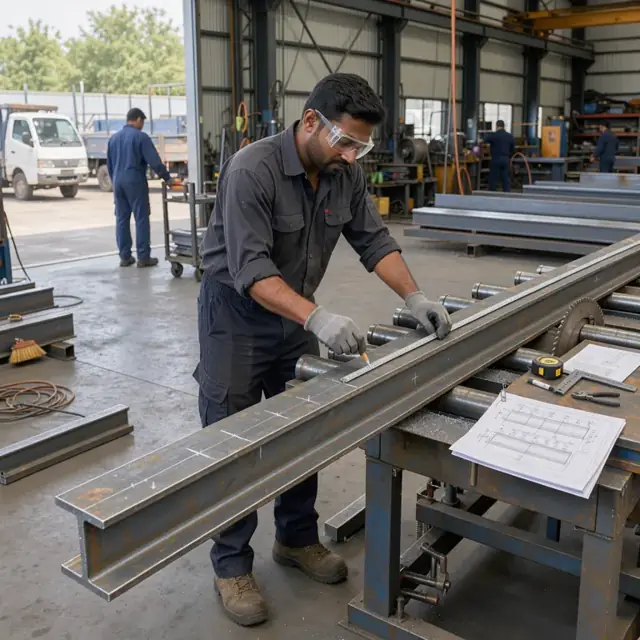
Cut List Engineer
Produce optimized cut lists, material takeoffs and work-order packets from approved drawings.
Works in: Ambitious Docs, Ambitious Sheets, Process Optimizer · Workflows: Cut list and material takeoff
Automates
- Extracts lengths, holes and weld details from drawings
- Optimizes cuts to minimize scrap
- Assigns heat numbers and generates work orders
- Compares required material to current inventory
Stops for a person
- The foreman approves cut lists before release to the shop floor
- Any deviation from engineer-specified material requires owner sign-off
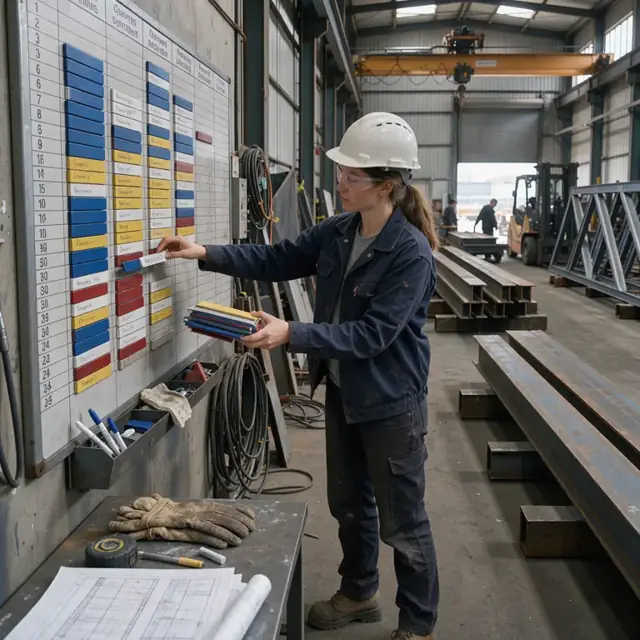
Shop Scheduler
Build and maintain the daily shop schedule around crane, bay and welder constraints.
Works in: Ambitious Tasks, Ambitious Sheets · Workflows: Shop floor scheduling and sequencing
Automates
- Sequences jobs by crane and bay availability
- Assigns tasks to stations and qualified welders
- Adjusts schedule for material or drawing delays
- Generates daily traveler sheets for each bay
Stops for a person
- The shop foreman adjusts the schedule daily based on crew and equipment status
- Changes to sequencing that affect erection order require customer approval

Welding and Inspection Clerk
Track welder qualifications, procedures, inspections and compile quality records.
Works in: Ambitious Docs, Ambitious Sheets, Ambitious Tasks · Workflows: Welding and inspection tracking
Automates
- Logs each weld with welder, procedure and results
- Schedules required nondestructive testing
- Maintains welder continuity logs
- Builds final inspection packages
Stops for a person
- Only the quality control inspector accepts or rejects welds
- The quality manager reviews all NDT reports before filing
- People perform and document all physical inspections

Shipping and Erection Coordinator
Prepare shipping lists, bolt kits and erection sequences that match site installation order.
Works in: Ambitious Tasks, Ambitious Docs, Ambitious Sheets · Workflows: Shipping and erection sequencing
Automates
- Generates load lists in erection sequence
- Creates hardware kits per shipment
- Calculates weights and dimensions for permits
- Drafts delivery notifications
Stops for a person
- The truck driver and foreman confirm load securement
- The project manager approves all shipping documents before release
- A person coordinates with the erection crew on site
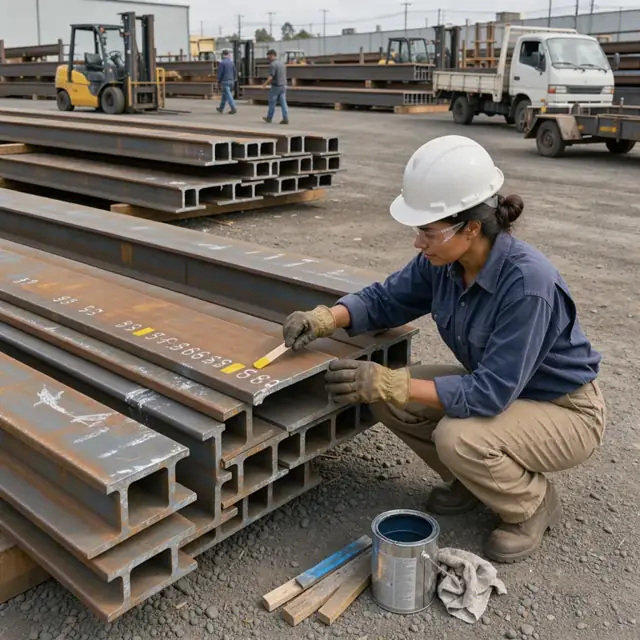
Material and Inventory Tracker
Maintain steel inventory with full heat-number traceability and reserve material per job.
Works in: Ambitious Sheets, Ambitious Tasks, Ambitious Docs · Workflows: Steel inventory and traceability
Automates
- Logs incoming steel with mill certificates
- Reserves material for specific projects
- Tracks remnants and suggests reuse
- Generates material traceability reports
Stops for a person
- The foreman approves any material substitution
- The owner places all steel purchase orders
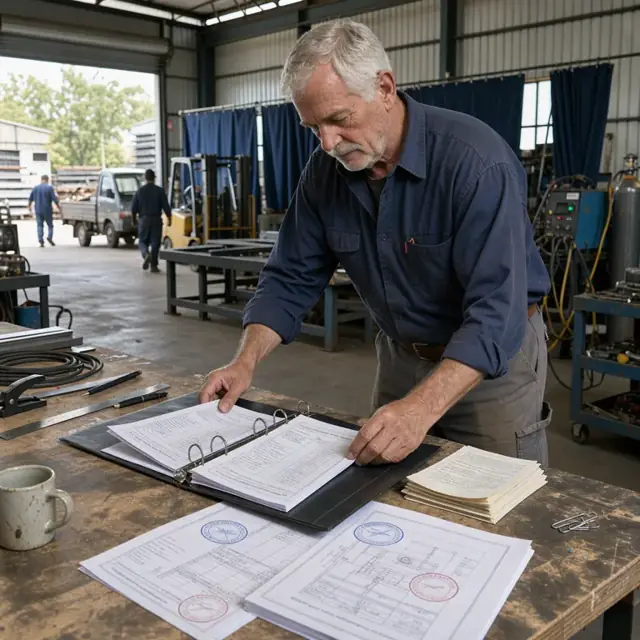
Compliance and Records Coordinator
Organize inspection schedules, quality packages and permit records for each project.
Works in: Ambitious Docs, Ambitious Tasks, Ambitious Sheets · Workflows: Permit, inspection and quality records
Automates
- Tracks special inspection and permit dates
- Compiles MTR, weld and NDT records
- Flags expiring qualifications and calibrations
- Organizes final handover packages
Stops for a person
- The quality manager confirms that all owner and code requirements are met
- People perform all inspections and sign all acceptance forms
- The owner reviews and submits all permit applications
Workflows
Drawing and revision intake
Starts when: A new project package or revised drawing set arrives by email or portal
- Capture the job number, revision, engineer stamp and all drawing sheets
- Compare against the contract to confirm scope and note any missing details
- Create a project folder with drawings and generate a bill of material task
- Flag any special material or finish requirements
- Notify the foreman of the new or revised package
Watch for: Revisions must be tracked and old versions archived without deletion; Engineer stamps and approvals are never assumed
Cut list and material takeoff
Starts when: Approved drawings are ready for fabrication
- Extract member sizes, lengths, hole patterns and weld callouts from drawings
- Generate optimized cut lists for saws and CNC equipment
- Assign heat numbers and mill test reports to each piece
- Calculate total material required and compare to inventory
- Create work-order packets with cut lists, weld symbols and fit-up notes
Watch for: Structural tolerances and camber requirements must be noted on each member; Scrap and drop lengths are tracked for reuse on future jobs
Shop floor scheduling and sequencing
Starts when: Cut lists and work orders are released
- Load jobs into the master schedule by bay and crane availability
- Sequence welding and assembly around welder qualifications and procedure requirements
- Assign daily tasks to each station: saw, drill, weld, grind, paint
- Adjust schedule when material or drawings are delayed
- Produce daily shop traveler sheets with current status
Watch for: Heavy assemblies cannot be moved once placed in a bay without crane planning; Welders may only work on qualified joints and thicknesses
Welding and inspection tracking
Starts when: Each weld pass or completed assembly
- Record welder, procedure, date, joint type and visual inspection results
- Schedule third-party nondestructive testing when required
- Maintain continuity logs for each welder and process
- Flag any repairs and track rework
- Compile final inspection package for the job
Watch for: Weld maps and heat numbers must stay with the assembly throughout fabrication; Only the quality control person can accept or reject a weld
Shipping and erection sequencing
Starts when: Assembly is painted, inspected and ready to ship
- Generate shipping lists and load sequences that match site erection order
- Create bolt and connection hardware kits per shipment
- Draft delivery notifications and coordinate with the erector
- Record load weights, dimensions and special handling instructions
- Archive as-built drawings and final inspection reports
Watch for: Erection sequence must match the general contractor's site plan; Over-length or overweight loads require special permits
Steel inventory and traceability
Starts when: Material arrives or is consumed
- Log incoming steel with heat numbers, mill certificates and color codes
- Reserve material for specific jobs and prevent cross-use
- Track drops and remnants for future assignment
- Reorder when stock falls below project needs
- Generate material traceability reports for each shipment
Watch for: Structural steel cannot be substituted without engineer approval; Remnants must be properly marked and stored by grade
Permit, inspection and quality records
Starts when: Project milestones and renewal dates
- Track special inspection schedules and required city or owner sign-offs
- Maintain welder qualification and welding procedure specification records
- Compile final quality assurance packages including MTRs and NDT reports
- Flag expiring shop certifications or equipment calibrations
- Organize all records by project for final handover
Watch for: Local building department and owner requirements vary by state and project type; The quality manager confirms that all owner requirements are met
Bot templates for this industry
Source: U.S. Small Business Administration, Office of Size Standards, Table of Small Business Size Standards Matched to North American Industry Classification System Codes, version March 2023 (effective 2023-03-17, NAICS 2022). Size standards are shown for reference only.