

Metal Tank (Heavy Gauge) Manufacturing
Heavy-gauge metal tank manufacturers take custom orders for large welded steel tanks, pressure vessels and silos. For a shop that designs, cuts, welds, tests and ships code-stamped tanks to industrial customers, the specialists turn inquiries into engineered specifications, drawings into a fabrication schedule and material list, and the schedule into shop floor tasks, inspections and delivery. Welding procedures, material traceability, pressure testing and code stamps stay with the certified welders and engineers.
What makes this business different
- Custom tank specifications including capacity, pressure rating, material grade, nozzles, coatings and access points that must match customer engineering requirements
- Code compliance with ASME, API or UL standards requiring documented procedures, welder qualifications and material certifications
- Long-lead material procurement for heavy plate steel, heads, flanges and fittings with mill test reports
- Welding procedure specifications, heat treatment records and nondestructive examination logs
- Shop floor scheduling around crane capacity, bay space and multi-week fabrication cycles
- Hydrostatic or pneumatic testing, leak detection and final inspection hold points before shipment
- Large-scale outbound logistics for oversized loads requiring permits, escorts and route approvals
- Full material traceability from mill to finished tank and retention of quality records for the period required by the code
Specialist bots
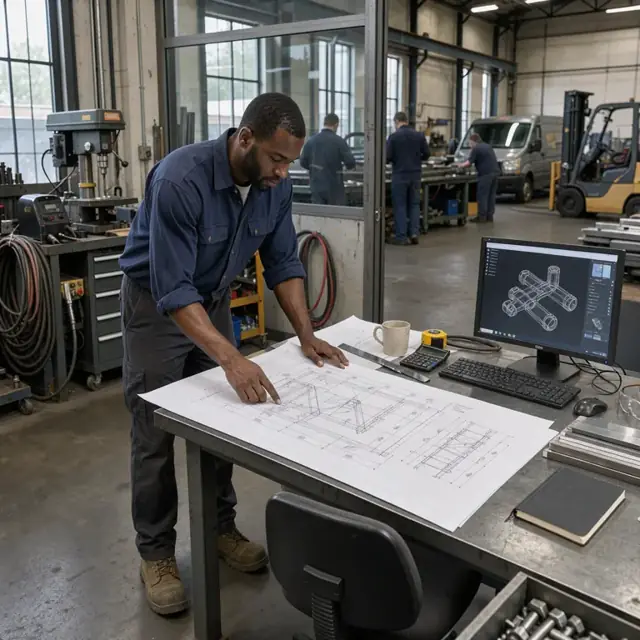
Order Intake Coordinator
Convert customer inquiries and drawings into complete, approved job specifications and folders.
Works in: Ambitious Tasks, Ambitious Docs, Contract Analyzer · Workflows: Order intake and specification review
Automates
- Reads incoming inquiry emails and attached drawings
- Extracts tank capacity, pressure, material and feature requirements
- Checks against current backlog and standard capabilities
- Drafts acknowledgment letters and missing-information requests
- Creates the master job folder and initial task list
Stops for a person
- The engineering manager reviews all specifications before release
- Any exceptions to standard capabilities require owner approval
- A person sends all formal acknowledgments and commitments
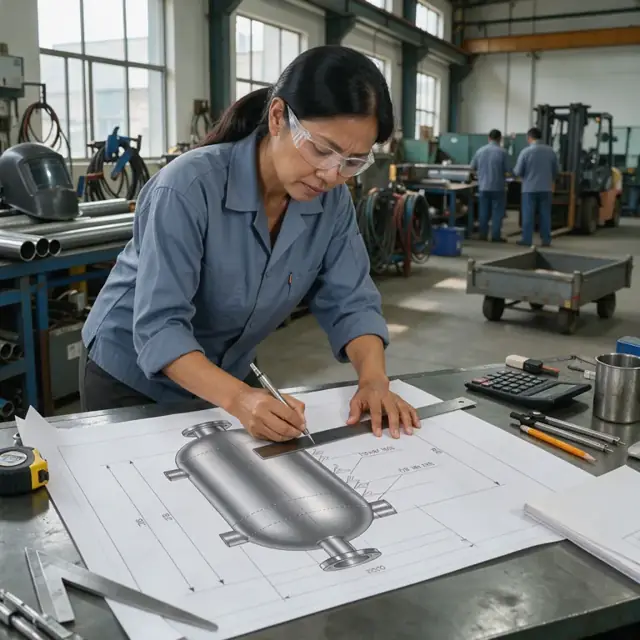
Tank Engineer
Produce fabrication drawings, calculations and material lists from customer specifications.
Works in: Ambitious Docs, Ambitious Sheets, Process Optimizer · Workflows: Engineering and drawing release
Automates
- Generates bill of materials from drawings
- Performs basic thickness and nozzle reinforcement calculations
- Prepares welding procedure specification templates
- Drafts drawing packages for internal or customer approval
- Assigns material traceability requirements
Stops for a person
- A licensed engineer stamps and approves all pressure vessel calculations
- Customer or authorized inspector reviews and approves drawings
- The shop welding engineer confirms all procedures
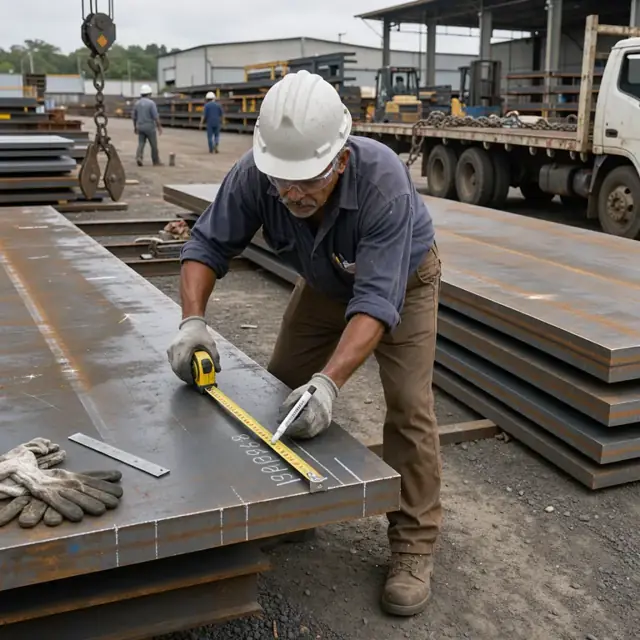
Materials Coordinator
Procure certified steel plate, heads and fittings and maintain full material traceability records.
Works in: Ambitious Sheets, Ambitious Docs, Ambitious Tasks · Workflows: Material purchasing and receiving
Automates
- Generates purchase orders from the bill of materials
- Matches mill test reports to each heat and piece
- Assigns unique traceability numbers
- Logs receipt inspection results
- Updates live material inventory status
Stops for a person
- The purchasing manager approves and places all purchase orders
- Quality manager verifies certifications before material release to production

Shop Scheduler
Create and maintain the multi-week fabrication schedule based on capacity, due dates and shop constraints.
Works in: Ambitious Sheets, Ambitious Tasks · Workflows: Fabrication scheduling and shop floor control
Automates
- Sequences jobs by due date and required crane time
- Breaks each tank into cutting, rolling, welding and testing operations
- Assigns qualified welders to joints
- Tracks progress and flags upcoming hold points
- Adjusts schedule when delays occur
Stops for a person
- The production manager approves the weekly shop schedule
- Changes to sequence that affect customer dates require owner approval
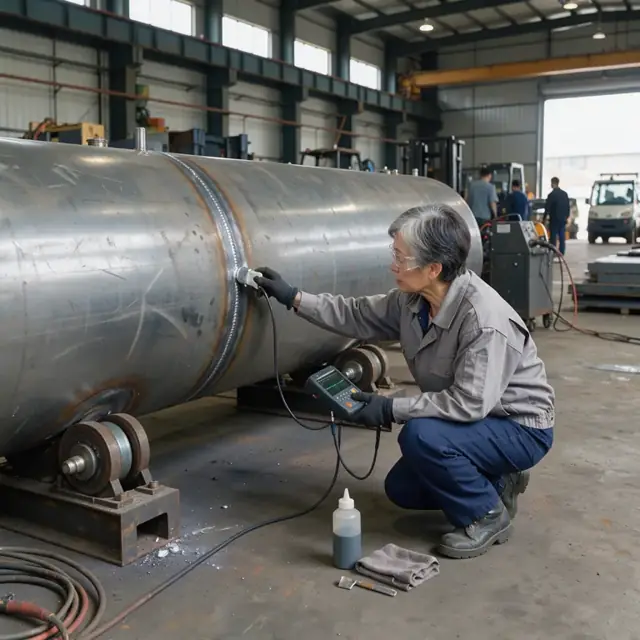
Quality Inspector
Manage in-process and final inspection checklists, testing records and code documentation packages.
Works in: Ambitious Docs, Ambitious Tasks, Ambitious Sheets · Workflows: Inspection and testing, Code compliance and record keeping
Automates
- Generates inspection and test checklists from the code and job requirements
- Logs results of visual, dimensional and nondestructive examinations
- Compiles material certifications and welder records
- Prepares hydrostatic test procedures and data books
- Tracks expiration dates for welder qualifications
Stops for a person
- Certified inspectors perform and sign off all code-required examinations
- The quality manager reviews and approves all completed data books
- Customers or authorized inspectors witness pressure tests

Shipping and Logistics Coordinator
Arrange transport, secure oversize permits and prepare all shipping and delivery documentation.
Works in: Ambitious Tasks, Ambitious Docs, Ambitious Sheets · Workflows: Shipping and logistics coordination
Automates
- Determines required permit types based on tank dimensions
- Drafts shipping and bill of lading documents
- Prepares route and escort requirements
- Tracks carrier status and delivery confirmation
- Compiles final data book for customer handover
Stops for a person
- The operations manager approves all shipping dates and costs
- A person obtains and signs all legal transport permits
- The driver confirms load securement before departure
Workflows
Order intake and specification review
Starts when: A customer submits an inquiry, drawing package or purchase order
- Capture tank dimensions, pressure rating, material, nozzles, coatings and special features
- Review drawings and specifications against shop capabilities and code requirements
- Confirm delivery date against current backlog and lead times
- Draft acknowledgment and request missing information
- Create a job folder with all customer documents and initial task list
Watch for: All critical dimensions and pressure ratings must be captured exactly as specified; Incomplete drawings trigger immediate requests for clarification before proceeding
Engineering and drawing release
Starts when: After order acknowledgment and receipt of final specifications
- Create or revise detailed fabrication drawings and bill of materials
- Prepare welding procedure specifications and qualification records
- Calculate material requirements including plate, heads, nozzles and reinforcements
- Submit drawings for customer or third-party approval when required
- Release approved drawings and material list to production
Watch for: Material traceability numbers must be assigned before cutting; Engineer confirms all code-required calculations and details
Material purchasing and receiving
Starts when: After engineering release and on a weekly cadence
- Generate purchase orders for plate steel, heads, flanges and fittings from approved suppliers
- Track mill test reports and material certifications for each heat number
- Inspect and log incoming materials against purchase orders and drawings
- Assign and record unique traceability numbers to each piece
- Update inventory and flag any nonconforming materials
Watch for: Heavy plate and heads have long mill lead times that must be ordered early; All materials require documented certifications before release to shop
Fabrication scheduling and shop floor control
Starts when: Weekly and after each engineering release
- Sequence jobs by customer due date, crane availability and bay space
- Break production into cutting, rolling, fit-up, welding, grinding and testing steps
- Assign welder qualifications to each joint type and position
- Track progress against the schedule and update remaining hours
- Flag upcoming inspection hold points for quality
Watch for: Shop must balance multiple long-duration jobs that occupy cranes and bays for weeks; Welding preheat and interpass temperatures must be maintained and recorded
Inspection and testing
Starts when: At each code-required hold point and upon completion of fabrication
- Generate checklists for visual, dimensional and weld inspection
- Schedule and document nondestructive examination such as radiography or ultrasonic testing
- Prepare and witness hydrostatic or pneumatic pressure tests
- Compile material traceability, welder logs, heat treatment and test records
- Prepare final data book for customer or inspector review
Watch for: Certain inspections must be witnessed by authorized inspectors or customers; All test results and repairs require documented acceptance before proceeding
Shipping and logistics coordination
Starts when: After final inspection approval and customer readiness confirmation
- Determine required transport method based on tank size and weight
- Obtain oversize load permits and route approvals
- Coordinate with carriers and schedule escorts when needed
- Prepare shipping documents, bill of lading and data books
- Track delivery and record any transit damage
Watch for: Many tanks exceed standard highway dimensions requiring special permits; Loading must be sequenced with crane and rigging availability
Code compliance and record keeping
Starts when: Ongoing with each job and on renewal dates
- Maintain welder qualification and continuity records
- Track National Board registration numbers and stamping requirements
- Organize and store job-specific quality records and data books
- Monitor renewal dates for procedures, certifications and insurance
- Generate reports showing material usage and traceability
Watch for: Different jurisdictions and codes impose varying documentation and stamping rules; All records must be retained for the period required by the applicable code
Bot templates for this industry
Source: U.S. Small Business Administration, Office of Size Standards, Table of Small Business Size Standards Matched to North American Industry Classification System Codes, version March 2023 (effective 2023-03-17, NAICS 2022). Size standards are shown for reference only.