

Metal Can Manufacturing
Metal can plants convert rolled steel or aluminum coil into formed, seamed and coated cans for food, beverage, aerosol and industrial use. The specialists convert customer specifications into production orders, coil and coating requirements into a rolling schedule, line changeovers into sequenced runs, and finished pallets into shipments while maintaining coating, seam and pressure-test records the line operators confirm.
What makes this business different
- Customer-specific can dimensions, metal gauge, interior coatings, exterior lithography and end styles that must match exact specifications
- High-speed continuous production lines that run dedicated sizes for days or weeks before changeover
- Coil and lacquer inventory managed by weight and square footage with tight just-in-time replenishment
- Frequent tooling and line changeovers requiring precise sequencing to minimize downtime
- Regulatory paperwork for food-contact coatings, seam integrity, pressure testing and lot traceability
- Palletized finished goods staged for truckload or less-than-truckload shipment with specific labeling
- Maintenance logs, downtime tracking and scrap rates that affect metal yield calculations
Specialist bots

Order Engineer
Convert customer purchase orders and drawings into precise production specifications and feasibility checks.
Works in: Ambitious Docs, Ambitious Tasks, Contract Analyzer · Workflows: Order intake and specification review
Automates
- Parses dimensions, gauges, coatings and end styles from order documents
- Checks against current line capabilities and tooling
- Calculates coil requirements and flags special needs
- Drafts specification confirmation documents
Stops for a person
- The engineering manager approves any deviation from standard capabilities
- The owner confirms all food-contact coating selections
- A person sends the final confirmation to the customer

Production Scheduler
Build the weekly line schedule that minimizes changeovers while meeting all delivery dates.
Works in: Ambitious Sheets, Ambitious Tasks · Workflows: Production line scheduling and changeover sequencing
Automates
- Groups orders by can size, coating and tooling requirements
- Sequences runs to reduce setup time
- Calculates exact coil and coating needs per run
- Assigns lines and dates with changeover estimates
Stops for a person
- The production manager adjusts the final sequence
- Sales approves any date changes that affect customers

Materials Planner
Convert the production schedule into precise coil, coating and tooling purchase requirements.
Works in: Ambitious Sheets, Ambitious Tasks, Ambitious Docs · Workflows: Coil and coating material planning
Automates
- Explodes schedule into coil weight and coating volume
- Subtracts current inventory and generates purchase lists
- Tracks incoming material certifications
- Maintains safety stock levels by alloy and gauge
Stops for a person
- The purchasing manager places all purchase orders and spends money
- The owner approves any rush or spot-market coil buys
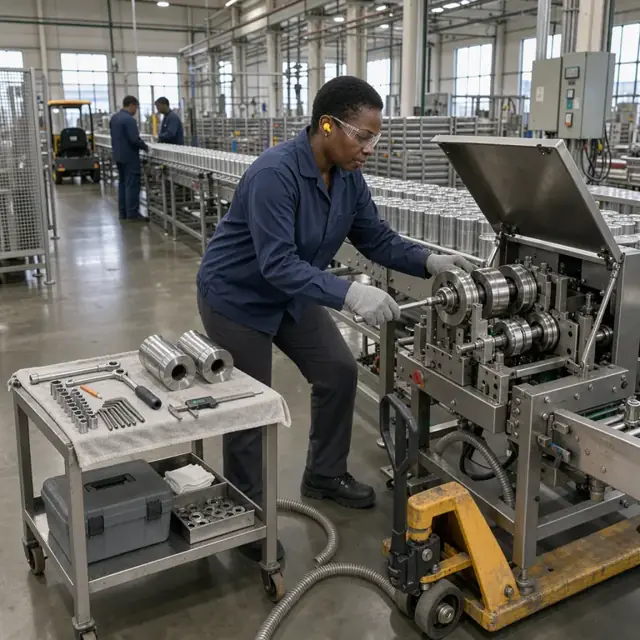
Line Setup Coordinator
Prepare detailed changeover instructions and first-article checkpoints for each production run.
Works in: Ambitious Tasks, Ambitious Docs, Process Optimizer · Workflows: Line setup and changeover coordination
Automates
- Generates tooling and coating changeover checklists
- Lists required coils and coatings for the next run
- Creates first-article inspection points
- Records actual versus planned setup times
Stops for a person
- The line lead confirms all setup steps are complete
- Quality verifies first-article measurements before full production

Quality and Test Recorder
Build and maintain the daily test checklists and compile lot traceability records from shift results.
Works in: Ambitious Tasks, Ambitious Sheets, Ambitious Docs · Workflows: In-process quality testing and logging
Automates
- Creates shift-specific test schedules and frequencies
- Logs seam, coating and pressure test results
- Flags out-of-spec conditions immediately
- Compiles complete lot history files
Stops for a person
- Line operators enter all physical test measurements
- The quality manager reviews and signs off on all lot records

Shipping and Inventory Coordinator
Track finished can inventory, prepare pallet labels and generate shipping documents for each load.
Works in: Ambitious Tasks, Ambitious Docs, Ambitious Sheets · Workflows: Finished goods inventory and shipment preparation
Automates
- Records pallet counts and warehouse locations
- Generates customer and lot-specific labels
- Builds load sheets and bills of lading
- Prepares certificate of conformance drafts
Stops for a person
- The warehouse lead confirms actual pallet counts and condition before loading
- The owner approves all shipping documents before they are sent
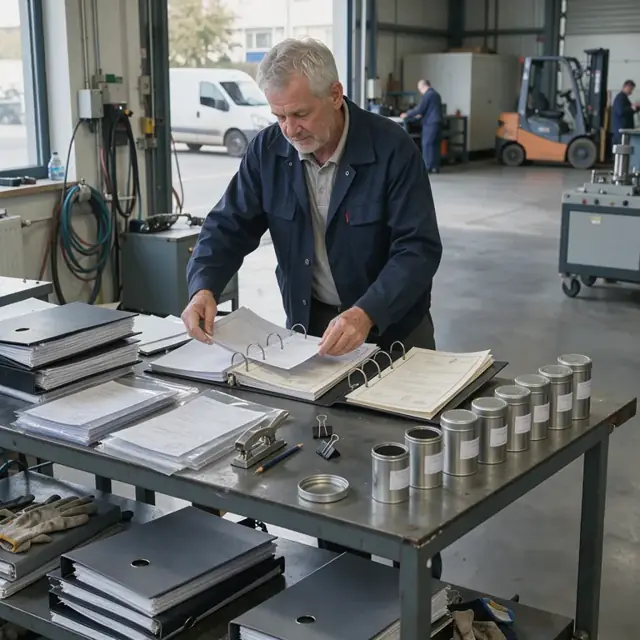
Compliance and Documentation Clerk
Assemble regulatory reports, track permit dates and compile customer compliance packets from production records.
Works in: Ambitious Docs, Ambitious Sheets, Ambitious Tasks · Workflows: Regulatory and compliance documentation
Automates
- Compiles test and traceability records by lot
- Generates coating usage and scrap reports
- Tracks calibration and permit renewal dates
- Assembles customer-specific document packages
Stops for a person
- The quality manager confirms that all compiled records match the requirements the owner has confirmed
- A person reviews and sends every compliance packet to customers
Workflows
Order intake and specification review
Starts when: A customer submits a purchase order or specification sheet
- Extract can type, dimensions, metal type, gauge, coating requirements, lithography and end style
- Compare against current line capabilities and open capacity
- Confirm metal coil and coating availability against current inventory
- Calculate required coil weight and draft a production order
- Send specification confirmation for customer approval
Watch for: Food-contact coatings must match exact FDA-listed formulations the owner confirms; Any deviation in gauge or coating requires engineering sign-off before acceptance
Production line scheduling and changeover sequencing
Starts when: Weekly or when new orders are confirmed
- Aggregate orders by can diameter, height, coating type and end style
- Sequence runs to minimize tooling and coating changeovers
- Calculate required coil footage and coating volume per run
- Assign run dates and line numbers with estimated changeover times
- Flag any orders needing special tooling or test protocols
Watch for: Line speed and changeover time vary significantly by can size and coating; Coil splicing and coating batch continuity must be preserved across shifts
Coil and coating material planning
Starts when: After production schedule is locked and on a weekly cadence
- Explode scheduled production into coil weight and square footage by alloy and gauge
- Subtract current coil and coating inventory
- Generate purchase requisitions by supplier and alloy type
- Track incoming coil certifications and test reports
- Maintain minimum coil safety stock by diameter and gauge
Watch for: Coils are heavy and require specific storage and handling equipment; Coating formulas are proprietary and shelf-life limited
Line setup and changeover coordination
Starts when: Before each scheduled production run
- Generate detailed changeover checklist for tooling, mandrels, seaming rolls and coating applicators
- Pull required coils and coatings to the line staging area
- Create first-article inspection points for diameter, height, seam integrity and coating thickness
- Record setup time and any adjustments made
Watch for: Changeover crews must follow exact sequences to avoid damaging expensive tooling; Coating system flush and calibration must be verified before production begins
In-process quality testing and logging
Starts when: Every production shift and on each coil splice
- Create shift checklists for seam teardown, coating weight, pressure testing and visual defects
- Log test results by coil lot and production time
- Flag any out-of-spec conditions for immediate line stop
- Compile lot traceability records for each pallet
Watch for: Seam and coating tests are destructive and must be performed at defined frequencies; All test equipment requires daily calibration records
Finished goods inventory and shipment preparation
Starts when: End of each production run and when shipment is due
- Record completed pallet counts and locations in the warehouse
- Generate customer-specific labels with lot codes and barcodes
- Build load sheets by truck or customer order
- Draft bill of lading and certificate of conformance documents
- Track carrier arrival and loading times
Watch for: Cans are easily dented and must be palletized with proper stretch wrap and corner boards; Some customers require specific pallet patterns and load heights
Regulatory and compliance documentation
Starts when: Monthly, quarterly and on customer request
- Compile production, test and lot traceability records
- Generate coating usage and waste reports
- Track and warn before permit, license or test equipment calibration due dates
- Assemble customer-required compliance packets
Watch for: Food can customers require specific documentation packages the owner confirms meet their requirements; Scrap metal and waste coating must be tracked for environmental reporting
Bot templates for this industry
- Metal Can Manufacturing (7 bots)
Source: U.S. Small Business Administration, Office of Size Standards, Table of Small Business Size Standards Matched to North American Industry Classification System Codes, version March 2023 (effective 2023-03-17, NAICS 2022). Size standards are shown for reference only.