

Other Metal Container Manufacturing
Other Metal Container Manufacturing produces custom metal boxes, crates, drums, pails, and specialty shipping containers. Shops take orders for one-off or short-run fabricated containers, cut and form sheet metal, weld or rivet seams, apply coatings or linings, and prepare items for shipment or installation. The specialists turn customer specifications into approved drawings and cut lists, drawings into machine schedules and material orders, schedules into daily shop floor tasks, and completed work into inspection records and invoices. Blueprints, weld procedures, material traceability and coating specifications stay with the shop owner and lead fabricator.
What makes this business different
- Custom dimensions, materials, gauges, finishes, linings and hardware that must match the customer's approved drawing exactly
- Material traceability requirements for certain alloys or applications
- Weld procedures, welder qualifications and non-destructive testing when specified
- Surface preparation, coatings, galvanizing or powder-coating steps with cure times and inspection
- Crating, skidding or palletizing of large or heavy containers for safe transport
- Shop floor permits, equipment maintenance logs, waste disposal records for solvents and metal scrap
- Repeat industrial customers who reorder standard containers with minor revisions each quarter
- Seasonal spikes in orders for agricultural, construction and marine containers
Specialist bots

Order Reviewer
Convert every customer request into a complete specification package ready for quoting and engineering.
Works in: Ambitious Tasks, Ambitious Docs, Contract Analyzer · Workflows: Order intake and specification review
Automates
- Reads incoming requests, drawings and purchase orders
- Extracts dimensions, materials, quantities and finishing requirements
- Compares against shop capabilities and flags gaps
- Drafts the formal quote document
- Creates the engineering task with all files attached
Stops for a person
- The shop owner approves all quotes before sending
- Any deviation from standard processes is reviewed by the lead fabricator
- A person sends the quote and handles negotiation
Drawing Engineer
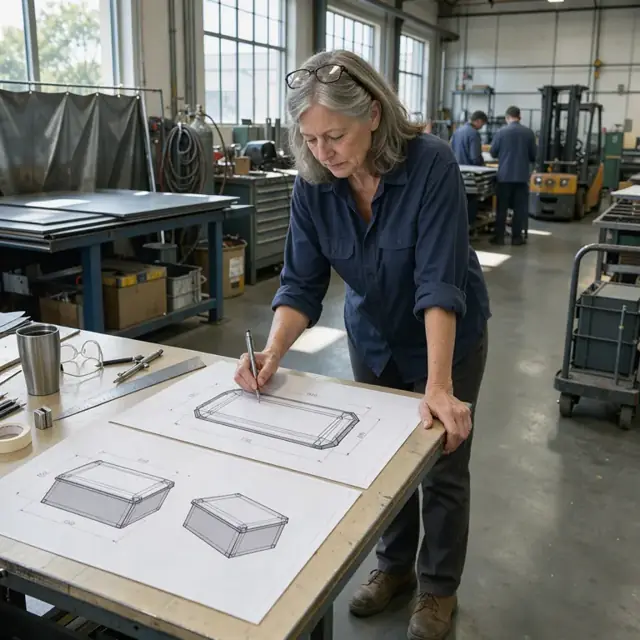
Create detailed fabrication drawings, flat patterns and cut lists from customer specifications.
Works in: Ambitious Docs, Ambitious Tasks, Ambitious Sheets · Workflows: Drawing preparation and approval
Automates
- Builds dimensioned drawings with bend and weld details
- Generates flat patterns and cut lists
- Adds revision blocks and approval fields
- Attaches all reference files to the production packet
Stops for a person
- The lead fabricator checks every drawing for manufacturability
- The customer or shop owner must approve the final drawing before release
- Critical weld symbols are confirmed by a certified welder
Material Planner
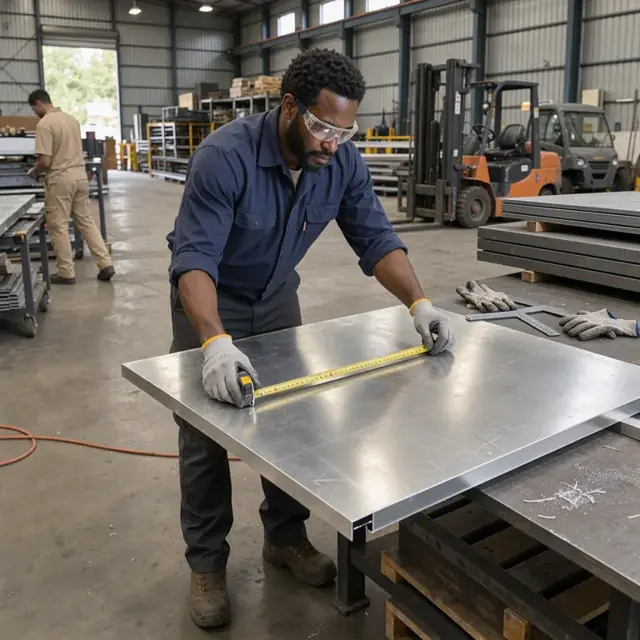
Convert approved drawings and cut lists into accurate material orders and maintain sheet and hardware inventory.
Works in: Ambitious Sheets, Ambitious Tasks, Ambitious Docs · Workflows: Material purchasing and inventory
Automates
- Calculates exact sheet, plate and consumable quantities
- Checks current stock and remnants
- Drafts purchase orders by supplier
- Tracks material certifications and scrap
Stops for a person
- The owner places and pays for all material orders
- Any substitution of alloy or gauge requires engineering approval
Shop Scheduler
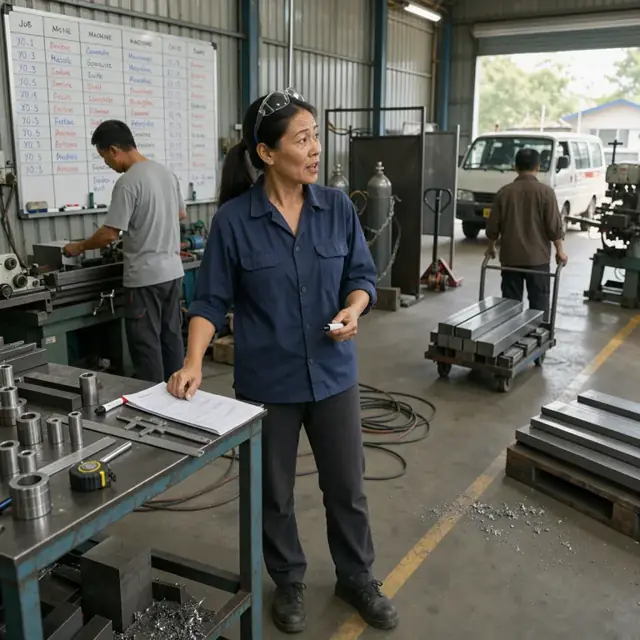
Build weekly machine and personnel schedules and issue daily work orders to the floor.
Works in: Ambitious Tasks, Process Optimizer · Workflows: Shop floor scheduling and dispatch
Automates
- Sequences jobs by due date and process dependencies
- Balances workload across laser, brake, weld and coating stations
- Generates daily work packets with drawings and routing
- Updates the live schedule as jobs complete
Stops for a person
- The shop lead adjusts the schedule for unexpected equipment issues
- Overtime or rush jobs are approved by the owner
Quality and Inspection Clerk
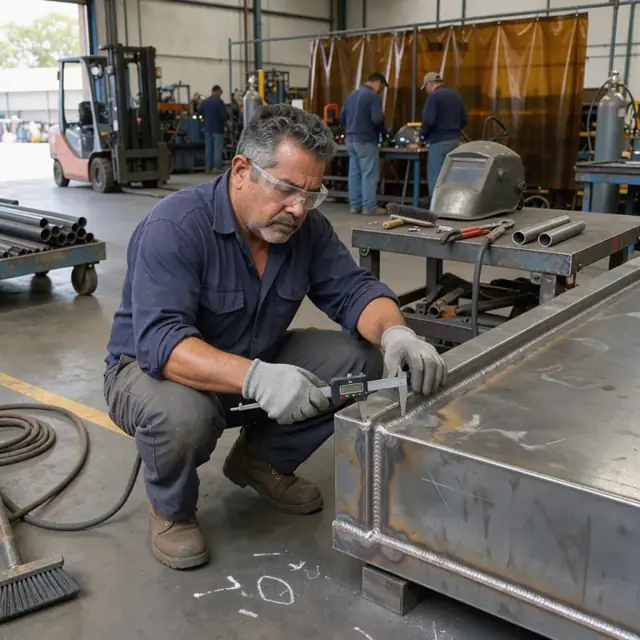
Capture in-process measurements, weld records and final inspection data for each container.
Works in: Ambitious Tasks, Ambitious Docs, Ambitious Sheets · Workflows: Production execution and quality checkpoints, Finishing, inspection and certification
Automates
- Generates inspection checklists from the drawing
- Logs dimensions, weld passes and coating thickness
- Assembles material traceability and inspection reports
- Flags out-of-tolerance conditions for review
Stops for a person
- The lead fabricator or third-party inspector performs and signs off on final checks
- All test results and certifications are reviewed by the owner before shipment

Finishing Coordinator
Schedule and track all coating, painting, galvanizing and curing steps with proper documentation.
Works in: Ambitious Tasks, Process Optimizer, Ambitious Sheets · Workflows: Finishing, inspection and certification
Automates
- Schedules coating jobs based on cure and handling times
- Logs environmental conditions and batch numbers
- Generates coating inspection reports
- Prepares final labeling and packaging instructions
Stops for a person
- The owner confirms all surface preparation and coating specifications
- A certified applicator performs and documents the actual coating work

Shipping and Billing Coordinator
Prepare shipping documents, invoices and customer closeout packets once containers are complete.
Works in: Ambitious Docs, Ambitious Tasks, Ambitious Sheets · Workflows: Shipping, invoicing and customer closeout
Automates
- Groups containers for optimal truck loading
- Drafts bills of lading and packing lists
- Generates invoices with detailed breakdowns
- Compiles final documentation packets for the customer
Stops for a person
- The owner approves every invoice before it is sent
- A person physically verifies load securement and signs shipping papers
- The owner reviews customer feedback before updating templates
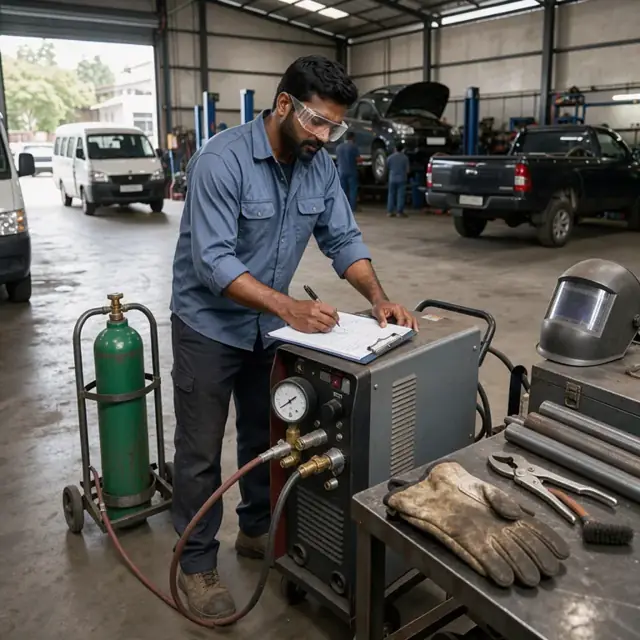
Compliance and Maintenance Clerk
Run daily equipment and safety checklists, track maintenance and compile waste and permit records.
Works in: Ambitious Tasks, Ambitious Docs, Ambitious Sheets · Workflows: Permit, maintenance and waste compliance
Automates
- Generates daily shop-floor safety and equipment checklists
- Logs completed maintenance by machine
- Tracks waste pickup schedules and volumes
- Warns before permit and insurance dates lapse
Stops for a person
- The owner confirms which local rules and permits apply
- All maintenance, inspections and corrective actions are performed and signed by people
- The bot never certifies compliance
Workflows
Order intake and specification review
Starts when: A customer submits a request for quote, drawing or purchase order
- Capture dimensions, material type, gauge, quantity, finish, lining and any special hardware
- Compare requirements against shop equipment capabilities and standard processes
- Flag any missing tolerances, weld symbols or coating specifications for clarification
- Draft a formal quote with lead time and payment terms
- Create an engineering task with all customer files attached
Watch for: All critical dimensions and material calls must be recorded exactly as supplied; Changes after quote acceptance require a formal revision and new approval
Drawing preparation and approval
Starts when: After order acceptance or when a new custom design arrives
- Convert customer sketch or description into a detailed fabrication drawing
- Add bend allowances, weld details, hardware locations and finish notes
- Generate a flat pattern and cut list for the CNC or manual equipment
- Send the drawing package for customer approval or internal sign-off
- Release the approved drawing to production with revision number
Watch for: Engineering changes must be tracked with revision history; Certain customers require stamped or certified drawings
Material purchasing and inventory
Starts when: After drawing approval and weekly
- Explode the cut list into sheet, plate, bar and hardware requirements
- Check current sheet stock and remnant sizes
- Draft purchase orders for sheet metal, welding consumables, coatings and hardware
- Track material certifications and heat numbers when required
- Record scrap rates and return remnants to inventory
Watch for: Heavy sheet and plate must be ordered in specific sizes to minimize waste; Specialty alloys have long lead times and must be ordered early
Shop floor scheduling and dispatch
Starts when: Each Monday and when new jobs are released
- Load approved jobs into the weekly schedule by due date and machine availability
- Assign jobs to laser, press brake, welding or coating stations
- Balance workload across fabricators and avoid overloading any process
- Generate daily work orders with drawings and routing sheets
- Update schedule when jobs finish or encounter delays
Watch for: Large containers tie up equipment for full shifts; Coating and curing steps create sequential dependencies
Production execution and quality checkpoints
Starts when: Start of each shift
- Pull the daily work order packet with drawings and inspection criteria
- Record material used, cut times, weld passes and coating batch numbers
- Capture in-process measurements at bend, weld and assembly stages
- Flag any deviations for engineering review
- Move completed containers to inspection or coating area
Watch for: Welders must record procedure and pass information on each job; Heavy parts require rigging and lifting plans
Finishing, inspection and certification
Starts when: When a container reaches the final stage
- Schedule powder coating, painting or galvanizing as required
- Perform dimensional, weld and coating thickness inspections
- Generate inspection reports and material traceability documents
- Apply labels, tags or nameplates per customer specification
- Prepare packing list and shipping documents
Watch for: Coating cure times and environmental conditions must be logged; Certain containers require third-party inspection or certification
Shipping, invoicing and customer closeout
Starts when: After final inspection and on a monthly cadence
- Group completed containers for truckload or LTL shipment
- Draft bills of lading and packing slips
- Generate invoices with labor, material and coating breakdowns
- Send completion photos and inspection packets for customer approval
- Record feedback and update standard templates for repeat orders
Watch for: Large containers often ship on open flatbeds requiring blocking and bracing; Invoices must separate taxable and nontaxable items per jurisdiction
Permit, maintenance and waste compliance
Starts when: Daily before first shift, weekly and on renewal dates
- Generate daily shop-floor checklist for equipment guards, ventilation and fire suppression
- Log preventive maintenance performed on laser, press brake, welder and hoist equipment
- Track hazardous waste pickup for solvents, oils, metal scrap and paint waste
- Monitor permit, license and insurance renewal dates
- Compile weekly safety and environmental logs
Watch for: Local fire, environmental and OSHA rules differ by jurisdiction and must be confirmed by the owner; The lead fabricator confirms which logs and inspections apply to each machine
Bot templates for this industry
- Other Metal Container Manufacturing (8 bots)
Source: U.S. Small Business Administration, Office of Size Standards, Table of Small Business Size Standards Matched to North American Industry Classification System Codes, version March 2023 (effective 2023-03-17, NAICS 2022). Size standards are shown for reference only.