

Hardware Manufacturing
Hardware manufacturers produce hinges, locks, latches, handles, brackets and related small metal components through stamping, machining, assembly and finishing. For a shop that machines custom and catalog hardware on a schedule, the specialists turn customer orders or forecasts into production runs, manage raw material and tooling inventory, schedule presses and CNC machines, track quality inspections and maintain compliance records while the machinists and finishers stay with the physical work.
What makes this business different
- Custom hardware orders with precise dimensions, finishes, materials and tolerances that must be captured exactly
- Mixed production of catalog items on repeat schedules and one-off custom parts
- Tooling and die management with setup times that affect machine availability
- Raw material inventory of sheet, bar, rod and coil stock with minimum order quantities
- In-process and final quality checks including dimensional, finish and functional testing
- Finishing processes such as plating, painting, powder coating or deburring with environmental and safety logs
- Customer-specific packaging, labeling and certification paperwork for OEM and distributor shipments
- Machine maintenance schedules, calibration records and operator training documentation
Specialist bots
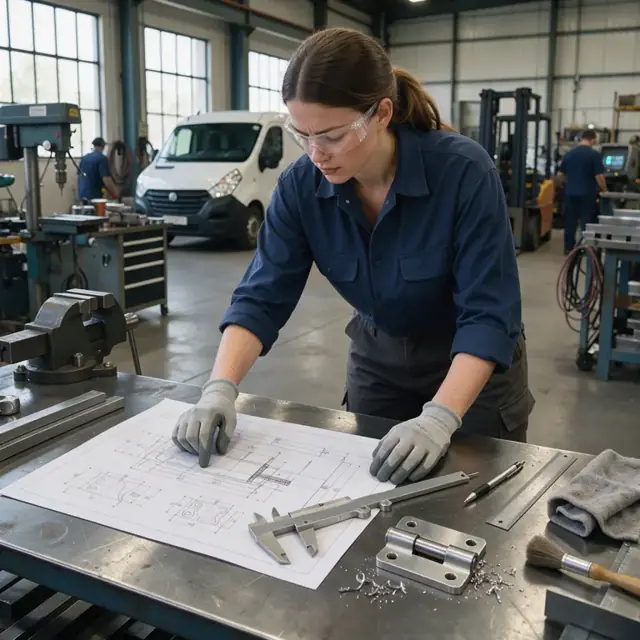
Order Engineer
Convert customer orders and forecasts into complete, production-ready manufacturing specifications.
Works in: Ambitious Tasks, Ambitious Docs, Contract Analyzer · Workflows: Order intake and specification review
Automates
- Parses incoming purchase orders and drawings
- Checks tolerances and finishes against shop standards
- Builds the manufacturing order spec sheet
- Flags items needing engineering or tooling review
- Drafts confirmation of lead times and terms
Stops for a person
- Machinist or engineer reviews complex or new parts
- Owner approves pricing and delivery commitments
- All drawings and specifications are confirmed by a person before release

Production Scheduler
Create machine assignments and daily shop schedules that respect setup times and capacity.
Works in: Process Optimizer, Ambitious Tasks · Workflows: Production scheduling and machine assignment
Automates
- Loads orders into the master schedule
- Assigns jobs to appropriate machines
- Calculates run quantities with scrap factors
- Generates daily dispatch lists
- Highlights tooling and material conflicts
Stops for a person
- Lead machinist adjusts schedule for unforeseen downtime
- Owner approves changes that affect promised ship dates
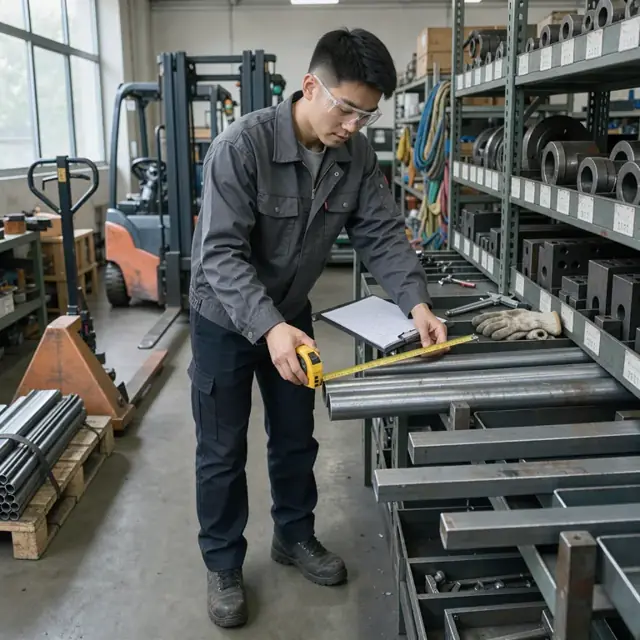
Materials and Tooling Planner
Maintain accurate raw material, purchased parts and tooling inventory to support the production schedule.
Works in: Ambitious Sheets, Ambitious Tasks · Workflows: Raw material and tooling inventory
Automates
- Explodes schedule into material requirements
- Generates purchase requisitions
- Tracks tooling condition and maintenance
- Adjusts inventory after cycle counts
- Flags low-stock and long-lead items
Stops for a person
- Purchasing decisions and spending are done by people
- Tooling inspections are performed and signed off by qualified staff

Quality Control Verifier
Generate inspection plans, record test results and maintain lot traceability documentation.
Works in: Ambitious Tasks, Ambitious Docs, Ambitious Sheets · Workflows: In-process and final quality control
Automates
- Creates part-specific inspection checklists
- Logs dimensional and functional test data
- Flags out-of-tolerance results
- Prepares certificates of conformance
- Maintains traceability records
Stops for a person
- Inspectors perform the actual measurements and sign off results
- Disposition of nonconforming material is decided by engineering or quality manager
- A person reviews all final reports before shipment
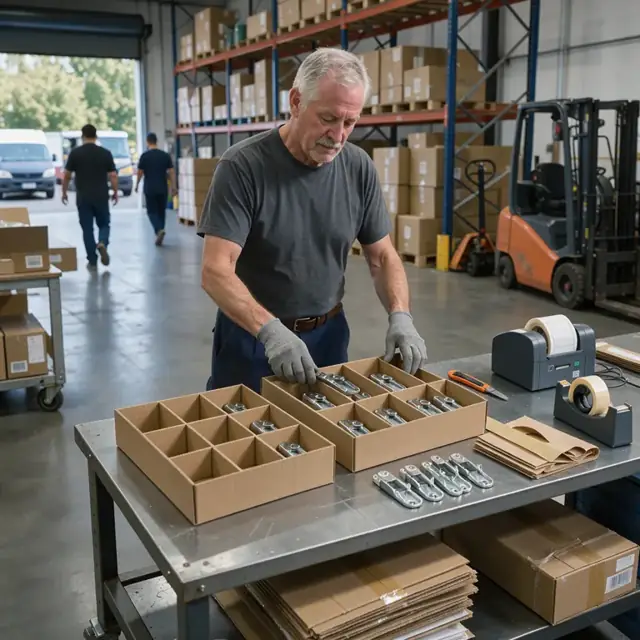
Finishing and Packaging Coordinator
Route parts through finishing processes, track environmental logs and prepare customer-specific packaging.
Works in: Ambitious Tasks, Ambitious Docs, Process Optimizer · Workflows: Finishing, packaging and labeling
Automates
- Schedules plating, painting and assembly steps
- Generates process and waste logs
- Creates custom labels and packing lists
- Assembles kit requirements
- Prepares shipment documentation
Stops for a person
- Chemical process parameters are set and verified by trained technicians
- Final packaged goods are inspected by a person before sealing
- Owner approves any special packaging expenses
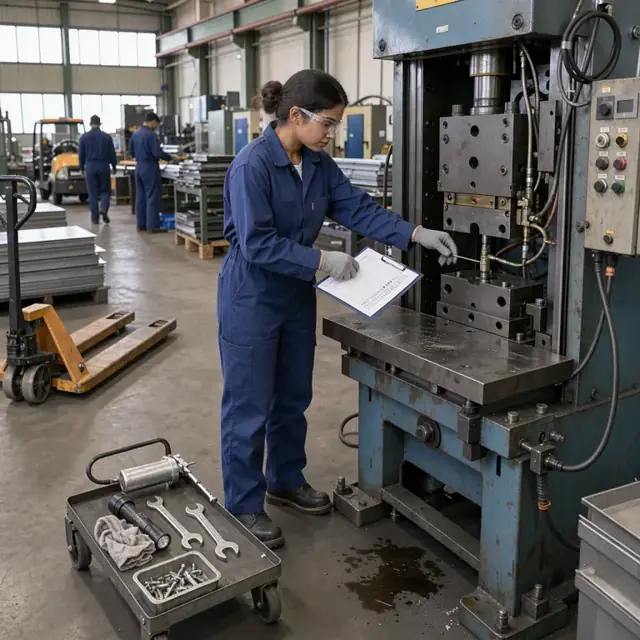
Maintenance and Compliance Clerk
Track preventive maintenance, calibration, training records and regulatory documentation for the shop.
Works in: Ambitious Tasks, Ambitious Sheets, Ambitious Docs · Workflows: Equipment maintenance and compliance tracking
Automates
- Generates scheduled maintenance tasks
- Tracks calibration due dates for gauges
- Monitors training and license renewals
- Maintains safety and environmental logs
- Alerts before permits or certifications lapse
Stops for a person
- Technicians perform and document the actual maintenance work
- The owner or manager confirms which regulatory requirements apply
- All compliance filings and certifications are handled and signed by people

Shipment Coordinator
Compile all required shipping documents, create labels and track outbound hardware shipments.
Works in: Ambitious Docs, Ambitious Tasks, Email Buckets · Workflows: Shipment preparation and tracking
Automates
- Assembles packing lists and certificates
- Generates carrier labels and shipping manifests
- Drafts customer shipment notifications
- Updates order status and archives lot records
- Prepares international documentation when needed
Stops for a person
- A person verifies accuracy of all documents before shipment
- Owner approves any special freight arrangements or insurance
- Customer-specific document requirements are confirmed by staff
Workflows
Order intake and specification review
Starts when: A customer submits a purchase order, quote request or forecast update
- Capture part numbers, quantities, materials, finishes, tolerances and any special requirements
- Compare order details against current capabilities, open tooling and material availability
- Draft a production feasibility checklist and route complex items for engineering review
- Confirm pricing, lead time and delivery terms
- Create a manufacturing order task with a complete spec sheet
Watch for: Tolerances and material grades must be recorded verbatim; Custom parts often require updated drawings or samples before release
Production scheduling and machine assignment
Starts when: Weekly forecast review or new manufacturing order release
- Load confirmed orders and forecast demand into the master schedule
- Assign jobs to presses, CNC machines or assembly lines considering setup, tooling and capacity
- Calculate required run quantities including scrap allowance
- Flag jobs needing new tooling or long-lead materials
- Generate daily shop floor dispatch list with setup instructions
Watch for: Setup time varies significantly by part family; Certain machines are dedicated to specific materials or processes
Raw material and tooling inventory
Starts when: After schedule is published and monthly
- Explode production schedule into raw material and purchased component requirements
- Compare against current stock and on-order quantities
- Draft purchase requisitions for coil, bar, fasteners and subcontracted services
- Track tooling location, condition and maintenance due dates
- Adjust inventory records for scrap, returns and cycle counts
Watch for: Minimum order quantities and coil weights affect purchasing cadence; Dies and fixtures must be inspected before each production run
In-process and final quality control
Starts when: At first-article, during runs and at shipment
- Generate inspection checklists based on part drawing and customer requirements
- Record dimensional, visual and functional test results
- Flag nonconforming parts and initiate rework or scrap disposition
- Maintain lot traceability and material certification records
- Prepare final inspection reports and certificates of conformance
Watch for: First-article inspection is required on new or revised parts; Certain customers require specific test frequencies or documentation
Finishing, packaging and labeling
Starts when: After parts clear final inspection
- Route parts to plating, painting, deburring or assembly stations
- Track environmental and safety logs for chemical processes
- Generate customer-specific labels, barcodes and packing lists
- Assemble hardware kits when required
- Prepare shipment paperwork including any required certifications
Watch for: Plating and coating baths have strict maintenance and waste logs; Anti-rust and corrosion protection requirements vary by destination
Equipment maintenance and compliance tracking
Starts when: On scheduled dates and after each production run
- Generate preventive maintenance tasks for presses, CNC equipment and tools
- Record calibration dates for gauges and test equipment
- Track operator training and certification renewals
- Maintain environmental and safety incident logs
- Monitor renewal dates for business licenses and permits
Watch for: Machine calibration and tooling certifications must be current before runs; Local regulations for metal finishing waste and emissions require careful records
Shipment preparation and tracking
Starts when: When finished goods are ready for dispatch
- Compile packing list, certificate of conformance and any customer-specific documents
- Assign carrier and create shipping labels
- Draft shipment notification with tracking information
- Record shipment details and update order status
- Archive all production and quality records by lot
Watch for: Many customers require specific documentation formats or electronic submissions; International shipments need additional commercial invoices and certificates
Bot templates for this industry
- Hardware Manufacturing (7 bots)
Source: U.S. Small Business Administration, Office of Size Standards, Table of Small Business Size Standards Matched to North American Industry Classification System Codes, version March 2023 (effective 2023-03-17, NAICS 2022). Size standards are shown for reference only.