

Machine Shops
Machine shops take custom part orders, program and run CNC and manual machines, perform inspections and deliver finished metal components. For a shop that machines one-off and short-run parts from customer drawings or specs, the specialists turn RFQ messages into priced quotes, quotes into scheduled jobs with fixturing and tooling plans, jobs into machine programs and inspection checklists, and completed parts into shipping paperwork and material reorders. Tolerances, material certifications and quality records stay with the machinist and quality lead.
What makes this business different
- Custom parts with tight tolerances, material grades, surface finishes and GD&T callouts that must match the drawing exactly
- Jobs that require specific machines, tooling, fixturing and setup times before production can begin
- Material inventory including bar stock, plate and sheet with heat numbers and certifications to track
- First-article inspection, in-process checks and final dimensional reports for every order
- Scheduling around machine availability, tool changes and operator skill sets
- Compliance paperwork such as material certs, inspection reports, outside process certifications and packaging requirements
- Repeat customers who reorder the same part numbers on a recurring basis with updated revisions
Specialist bots
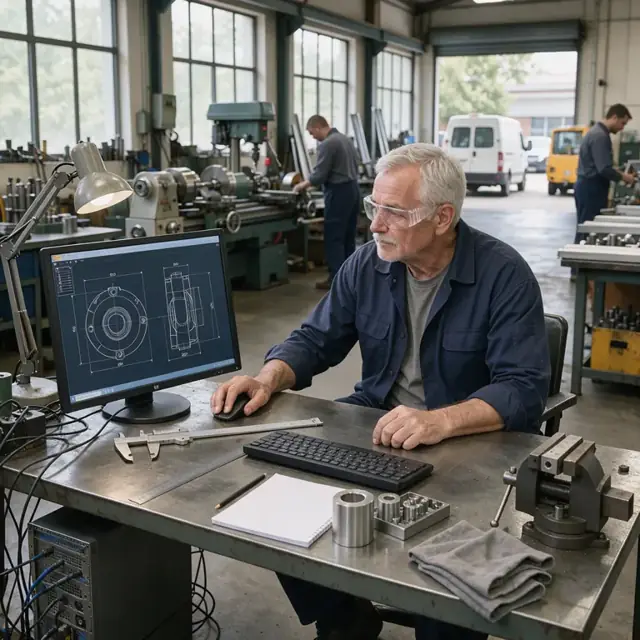
Quote Engineer
Turn every RFQ into an accurate priced quote with lead time and machine feasibility check.
Works in: Ambitious Docs, Ambitious Sheets, Process Optimizer · Workflows: Quote intake and estimating
Automates
- Reads incoming RFQ messages and attached drawings
- Extracts material, quantity, tolerance and finish requirements
- Calculates cycle and setup times from similar past jobs
- Drafts the formal quote document
- Creates the quote tracking task
Stops for a person
- The owner reviews and approves every quote before sending
- Complex or tight-tolerance parts require machinist sign-off
- A person handles negotiation and final terms
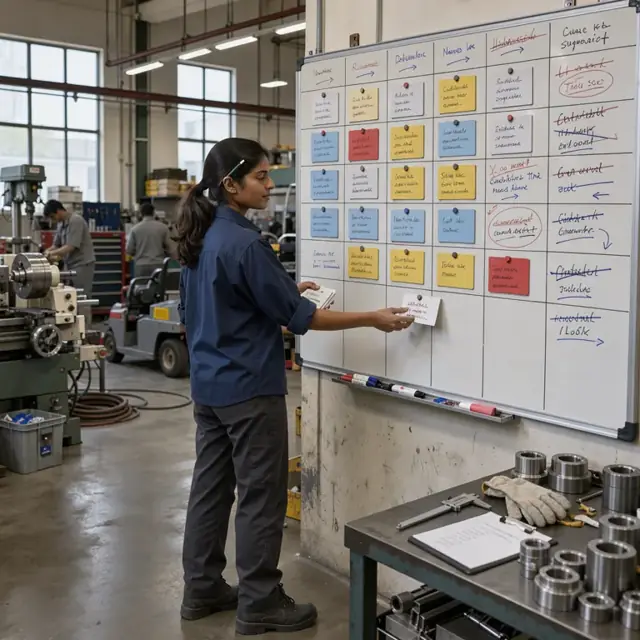
Shop Scheduler
Assign confirmed jobs to machines, sequence work to minimize setups and maintain due dates.
Works in: Ambitious Sheets, Ambitious Tasks · Workflows: Job scheduling and machine assignment
Automates
- Groups jobs by machine type and required tooling
- Sequences to reduce changeovers between similar materials
- Blocks time for scheduled maintenance
- Generates daily shop floor schedule
- Reserves material and fixture kits
Stops for a person
- The lead machinist adjusts the schedule for unexpected downtime
- The owner approves any schedule changes that affect customer due dates

CNC Programmer
Create CAM programs, tool lists and detailed setup instructions from part drawings.
Works in: Ambitious Docs, Ambitious Tasks, Process Optimizer · Workflows: CNC programming and setup planning
Automates
- Analyzes part geometry and critical features
- Selects appropriate tools from the shop library
- Drafts setup sheets with workholding and datums
- Generates initial program code for review
- Attaches all documents to the job packet
Stops for a person
- The lead machinist proves out and edits the program on the machine
- A person verifies all critical dimensions and tolerances before release

Material and Tooling Coordinator
Ensure raw material, tooling and consumables are ordered and available before each job starts.
Works in: Ambitious Sheets, Ambitious Tasks, Ambitious Docs · Workflows: Material and tooling purchasing
Automates
- Calculates material needs from job list and part volumes
- Checks current stock and heat numbers
- Drafts purchase orders for material and end mills
- Tracks incoming certifications and test reports
- Maintains minimum stock levels for common items
Stops for a person
- The owner places and approves all purchases
- Material substitutions require engineering approval

Quality Inspector
Generate inspection checklists, record first-article and final dimensions and compile quality packets.
Works in: Ambitious Docs, Ambitious Sheets, Ambitious Tasks · Workflows: Production execution and inspection, Quality documentation and shipping
Automates
- Creates dimensioned inspection checklists from drawings
- Logs first-article measurements
- Compares results against tolerance requirements the owner confirms
- Assembles material certs and outside process records
- Drafts certificate of conformance
Stops for a person
- The machinist performs all physical measurements
- The owner reviews and signs all final quality documentation
- A person handles any non-conformance reports

Shipping and Documentation Coordinator
Prepare packing lists, shipping labels and complete job records after parts are inspected.
Works in: Ambitious Docs, Ambitious Tasks, Email Buckets · Workflows: Quality documentation and shipping
Automates
- Generates packing list from completed order
- Creates shipping labels and carrier documentation
- Compiles digital job folder with all records
- Drafts delivery confirmation message
- Archives files in the correct customer folder
Stops for a person
- The owner approves all documents before they are sent or filed
- A person physically packs and ships the parts

Customer Reorder Host
Follow up after delivery, remind customers of reorder timing and draft updated quotes for repeat parts.
Works in: Ambitious Tasks, Ambitious Docs, Email Buckets · Workflows: Customer follow-up and reorders
Automates
- Drafts delivery confirmation and feedback request
- Tracks part numbers and revision history
- Flags when reorders are approaching due dates
- Pulls previous quote data for revisions
- Drafts updated quote for approval
Stops for a person
- The owner reviews and sends every customer communication
- Engineering changes are confirmed by the owner before quoting
Workflows
Quote intake and estimating
Starts when: A customer sends an RFQ by email, portal or direct message with drawing or description
- Capture part description, material, quantity, tolerances, finish and any special requirements
- Check against current machine capabilities and available tooling
- Calculate cycle time, setup time, material and outside processing costs
- Draft a formal quote with terms, lead time and validity period
- Create a quote task with all drawing references attached
Watch for: Material pricing fluctuates weekly; Complex geometries may require multiple setups or 5-axis machining
Job scheduling and machine assignment
Starts when: After quote acceptance and on a weekly basis
- Lock in confirmed orders and due dates
- Assign jobs to specific machines based on capability, size and current load
- Sequence jobs to minimize setup changes and tool changes
- Reserve required tooling, fixtures and raw material
- Generate daily machine schedules with setup and run times
Watch for: Machine downtime for maintenance must be blocked out; Some jobs require certified operators or specific shifts
CNC programming and setup planning
Starts when: One week before scheduled production or upon job release
- Review part geometry and tolerances from the drawing
- Draft CAM program and tool list using available tooling library
- Create setup sheet with workholding, datums and zero points
- Flag any special inspection gages or fixtures needed
- Attach program and setup documents to the job task
Watch for: Programs must be proven out on first run; Tooling may need to be ordered with long lead times
Material and tooling purchasing
Starts when: After job scheduling and on a weekly basis
- Explode scheduled jobs into raw material requirements by grade and size
- Subtract current inventory with matching heat numbers
- Draft purchase orders for material, tooling and consumables
- Track certifications and test reports that must accompany material
- Monitor inventory levels for common bar and plate sizes
Watch for: Certain alloys have long lead times and minimum order quantities; Material must be traceable to each finished part
Production execution and inspection
Starts when: At the start of each scheduled job
- Generate operator checklist with setup verification steps
- Create in-process and final inspection checklist with critical dimensions
- Log first-article results and any deviations
- Track completed quantity against order and scrap rate
- Flag parts needing outside processing such as heat treat or plating
Watch for: Tight tolerance parts require temperature-controlled inspection; Non-conforming parts must be quarantined and documented
Quality documentation and shipping
Starts when: Upon job completion
- Compile inspection reports, material certs and outside process records
- Draft packing list and certificate of conformance
- Group parts for delivery or pickup by customer
- Create shipping labels and track numbers
- Archive digital job folder with all records
Watch for: Some customers require specific formats for inspection data; ITAR or export-controlled jobs have additional handling steps
Customer follow-up and reorders
Starts when: After delivery and on a recurring cadence
- Draft delivery confirmation and request for feedback
- Alert repeat customers when existing part numbers are due for reorder
- Track revision changes and update quotes accordingly
- Draft quotes for blanket orders or annual agreements
Watch for: Engineering changes must be reviewed before reordering; All communications require owner approval before sending
Bot templates for this industry
- Machine Shops (7 bots)
- Small Manufacturers Job Shops (3 bots)
Source: U.S. Small Business Administration, Office of Size Standards, Table of Small Business Size Standards Matched to North American Industry Classification System Codes, version March 2023 (effective 2023-03-17, NAICS 2022). Size standards are shown for reference only.