

Precision Turned Product Manufacturing
Precision turned product manufacturers produce high-tolerance metal components on CNC lathes and screw machines from customer drawings or specifications. For a shop that runs production jobs in small to medium batches with frequent changeovers, the specialists turn incoming RFQs and drawings into quoted jobs, quoted jobs into scheduled machine time and tooling lists, scheduled jobs into setup sheets and inspection plans, and completed parts into packaged shipments with full traceability paperwork. Tooling, material certifications, first-article inspections and PPAP documentation stay with the machinist and quality team.
What makes this business different
- Customer-supplied or shop-interpreted drawings with tight geometric dimensioning and tolerancing that must be followed exactly
- Short-run and repeat production jobs that require quick changeovers between materials such as stainless steel, aluminum, brass and titanium
- Material traceability from mill certificate through finished part, including heat numbers and lot tracking
- First-article inspection, in-process checks and final dimensional verification using calipers, micrometers, CMM and optical comparators
- Tooling and insert management with preset offsets and wear tracking to minimize downtime
- PPAP, FAI reports, material certifications and outside process certifications that must be compiled per job
- Machine capacity and operator availability that shift weekly based on quoted lead times and current backlog
- Outside vendor coordination for heat treat, plating, passivation or other secondary processes
- Retention of quality records for customer-specified periods
Specialist bots

Quote Engineer
Convert customer drawings and specifications into accurate quotes with cycle times, material needs and lead times.
Works in: Ambitious Docs, Ambitious Sheets, Process Optimizer · Workflows: Quote and order intake
Automates
- Reads incoming RFQ emails and attached drawings
- Extracts critical dimensions, materials, quantities, GD&T and secondary processes
- Calculates cycle and setup times from historical data
- Drafts formal quotes with terms
- Creates the job task with all reference files
Stops for a person
- The owner reviews and approves every quote before sending
- Special process pricing and tight-tolerance feasibility are confirmed by the lead machinist

Production Scheduler
Assign confirmed jobs to machines and operators while balancing setup times and material availability.
Works in: Ambitious Sheets, Ambitious Tasks · Workflows: Job scheduling and machine assignment
Automates
- Loads accepted jobs into the master schedule
- Matches jobs to the best available lathe or screw machine
- Reserves material and tooling
- Generates setup sheet drafts
- Notifies the next operator in sequence
Stops for a person
- The shop supervisor adjusts the schedule for unexpected downtime or priority shifts
- A person releases the final daily schedule
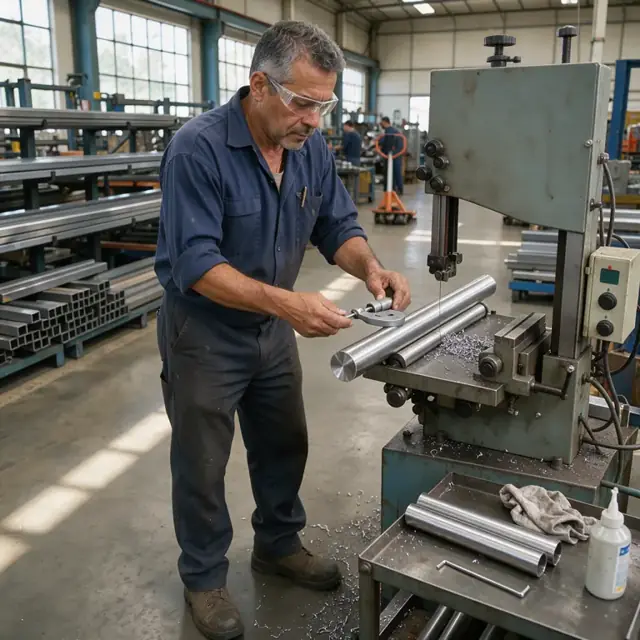
Material Coordinator
Ensure correct raw material with full traceability is purchased, prepared and staged for each job.
Works in: Ambitious Sheets, Ambitious Tasks, Ambitious Docs · Workflows: Material purchasing and preparation
Automates
- Calculates bar stock requirements from the schedule
- Checks current inventory and certification status
- Drafts purchase orders for new material
- Creates cut lists and traceability labels
- Updates remnant inventory after cutting
Stops for a person
- The owner approves all material purchases
- The machinist verifies material type and heat number before loading into the machine

Quality Inspector
Create inspection plans, record first-article and in-process measurements, and compile full quality documentation packages.
Works in: Ambitious Docs, Ambitious Sheets, Ambitious Tasks · Workflows: Production run and in-process verification, Final inspection, documentation and packaging
Automates
- Generates first-article and final inspection checklists from drawings
- Logs measurement data from CMM and hand tools
- Assembles material certs and outside process records
- Drafts packing lists with traceability information
- Flags any dimension outside the drawing tolerance
Stops for a person
- The lead machinist or owner reviews and signs all first-article reports
- A person performs final visual inspection and approves shipment

Tooling Manager
Track tool life, maintain preset libraries, reorder consumables and schedule machine maintenance.
Works in: Ambitious Sheets, Ambitious Tasks, Process Optimizer · Workflows: Tooling and equipment maintenance
Automates
- Logs tool usage per job and calculates remaining life
- Drafts reorder lists for inserts and holders
- Schedules preventive maintenance tasks
- Maintains offset and preset data
- Allocates tooling cost to each job
Stops for a person
- The machinist verifies preset measurements before installing tools
- The owner approves tooling and maintenance expenditures
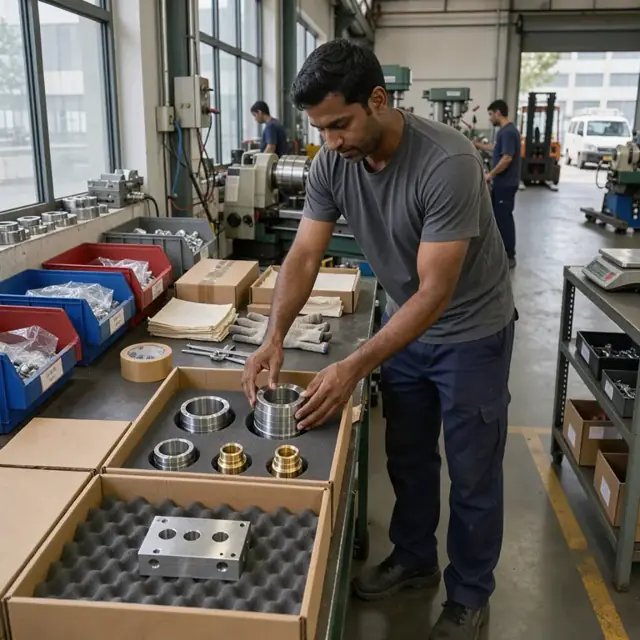
Shipping and Documentation Clerk
Prepare shipping paperwork, invoices, customer notifications and maintain job records after parts are completed.
Works in: Ambitious Docs, Email Buckets, Ambitious Tasks · Workflows: Shipping, invoicing and follow-up
Automates
- Generates packing lists and commercial invoices
- Drafts customer shipping notifications
- Assembles complete job documentation folders
- Closes jobs in the system and updates costing
- Tracks delivery confirmation
Stops for a person
- The owner approves all invoices before they are sent
- A person physically packs and labels the shipment
Workflows
Quote and order intake
Starts when: A customer submits an RFQ with drawing or specifications by email or portal
- Extract part number, material, quantity, tolerances, GD&T callouts and required secondary processes from the drawing
- Check against current machine capabilities, material stock and current backlog lead times
- Calculate cycle time, setup time and material requirements using historical data and the process optimizer
- Draft a formal quote with price, lead time, payment terms and validity period
- Create a job task with the attached drawing, critical features list and all notes for scheduling
Watch for: Tolerances tighter than 0.001 inch must be flagged for the owner; Special processes such as plating, heat treat or passivation require outside vendor quotes
Job scheduling and machine assignment
Starts when: Quote is accepted or a repeat order is confirmed
- Load the new job into the master schedule against available machine hours
- Assign to the appropriate CNC lathe or screw machine based on bar capacity, tolerance class and material
- Reserve required tooling, collets, workholding and raw material stock
- Generate a setup sheet draft with speeds, feeds, offset information and tooling list
- Notify the operator of the upcoming job sequence and required changeover time
Watch for: Changeover time between jobs can exceed run time on short runs; Certain machines are dedicated to specific materials to avoid contamination
Material purchasing and preparation
Starts when: Job reaches the top of the schedule and weekly
- Explode bill of materials from the job list into raw bar stock requirements by alloy, diameter and length
- Check current inventory, remnant stock and mill certificate status
- Draft purchase orders for new material by alloy, diameter, heat number and required certification level
- Cut and face bar stock to length for the assigned machine
- Label and stage material with job number, heat number and full traceability information
Watch for: Material must be ordered to exact diameter and alloy to meet drawing requirements; Remnants must be tracked and returned to inventory with updated certifications
Production run and in-process verification
Starts when: Machine is set up and first piece is ready
- Generate first-article inspection checklist from the drawing control dimensions and GD&T
- Record first-piece measurements taken by the operator and flag any out-of-tolerance conditions
- Create in-process sampling plan based on quantity, criticality and customer requirements
- Track tool wear, insert changes and actual cycle times against estimates during the run
- Update the job task with live status and any deviations for review
Watch for: Operator must stop and obtain approval on first article before full production; Statistical process control points are required on critical features for some customers
Final inspection, documentation and packaging
Starts when: Production run is complete
- Compile final dimensional report, material certificate, outside process certificates and any PPAP elements
- Perform final visual and dimensional inspection per the sampling plan
- Draft packing list, shipping label and lot traceability documentation
- Assemble complete job folder with all quality records
- Stage completed parts in the designated shipping area with protective packaging
Watch for: Certain jobs require full PPAP documentation packages before shipment; Parts must be individually wrapped or boxed to prevent damage in transit
Tooling and equipment maintenance
Starts when: Weekly and after each job
- Review tool usage log and flag inserts, holders or collets needing replacement or sharpening
- Draft reorder list for carbide inserts, boring bars, collets and workholding components
- Schedule preventive maintenance on lathes, bar feeders and coolant systems
- Update preset tool offsets and geometry data in the shared library
- Track tooling costs against each job for quoting accuracy on future work
Watch for: Preset tooling must be verified on the presetter before loading into the machine; Certain high-wear tools have minimum quantity thresholds that cannot be breached
Shipping, invoicing and follow-up
Starts when: Parts are inspected, documented and ready to ship
- Draft shipping paperwork, commercial invoice if international and any customer-specific labels
- Create and send invoice with matching packing list and quality documentation attached
- Draft notification message with tracking information for the customer
- Record delivery confirmation and any customer feedback or nonconformance reports
- Close the job, update inventory records and costing data for future quoting
Watch for: Some customers require specific labeling and bar-coded shipping containers; All quality records must be retained for the customer-specified period
Bot templates for this industry
Source: U.S. Small Business Administration, Office of Size Standards, Table of Small Business Size Standards Matched to North American Industry Classification System Codes, version March 2023 (effective 2023-03-17, NAICS 2022). Size standards are shown for reference only.