

Metal Heat Treating
Metal heat treaters receive customer parts or raw stock, run them through furnaces under tightly controlled time-temperature-atmosphere cycles, then perform hardness and metallurgical checks before return. For a shop that runs batches of alloy steel components with specific hardness targets, the specialists turn incoming job tickets into furnace schedules, track each load through multiple furnace runs and quench steps, maintain pyrometry and atmosphere logs, and generate the paperwork the customer expects on delivery. Metallurgical decisions and final sign-off stay with the heat-treat supervisor.
What makes this business different
- Customer parts arrive with strict metallurgical specifications, required hardness ranges, and exact process instructions that cannot be altered without written approval
- Multiple furnace types (vacuum, atmosphere, salt bath, tempering ovens) with limited capacity and long cycle times
- Pyrometry, thermocouple calibration, and atmosphere control records that must be kept for years
- Quench media management, safety data sheets, and spill containment requirements
- Batch traceability from incoming material through every furnace run to final shipment
- Furnace qualification runs, survey reports, and preventive maintenance tied to production
- Repeat industrial customers who send the same part numbers on regular schedules with certified test results
Specialist bots

Order Intake Clerk
Convert every incoming customer job ticket and specification package into a traceable work order with exact metallurgical requirements.
Works in: Ambitious Tasks, Ambitious Docs, Contract Analyzer · Workflows: Job intake and specification review
Automates
- Reads purchase orders, drawings, and specification sheets
- Extracts material type, hardness targets, required cycle steps, and sampling instructions
- Assigns unique batch numbers and assembles the internal work order
- Checks for immediate conflicts with current furnace loading and availability
- Drafts the acknowledgment for customer review
Stops for a person
- The heat-treat supervisor reviews any specification that deviates from standard processes
- A person approves and sends all customer communications
- The supervisor confirms that the selected furnace type matches the required process
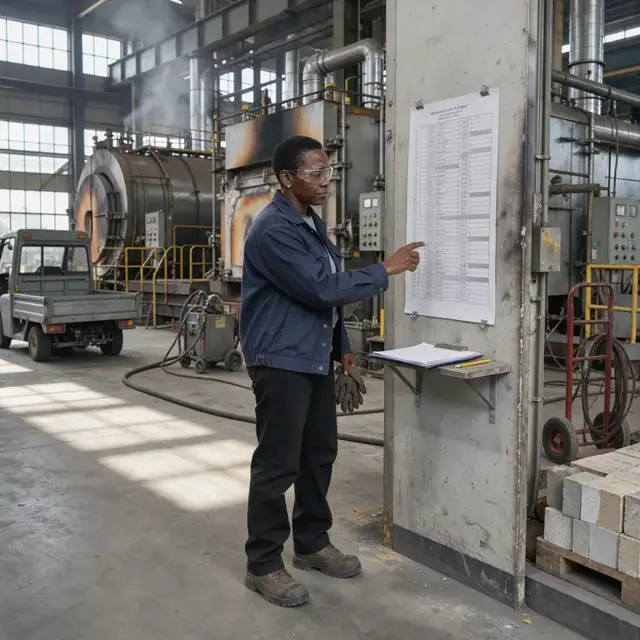
Furnace Scheduler
Build daily furnace schedules that respect cycle times, load capacity, metallurgical constraints, and required survey windows.
Works in: Ambitious Sheets, Ambitious Tasks · Workflows: Furnace scheduling and load planning
Automates
- Groups jobs by furnace type, temperature range, and atmosphere needs
- Calculates total load weights, fixture requirements, and expected cycle durations
- Reserves dedicated time for temperature uniformity surveys and qualification runs
- Produces a visual daily furnace loading plan with start and end times
- Flags incompatible materials or processes that require separate runs
Stops for a person
- The supervisor adjusts the schedule for urgent jobs, maintenance downtime, or production changes
- The final daily schedule is approved by the supervisor before any loading begins

Process Monitor
Oversee each furnace run by loading the correct recipe, logging all process data in real time, and capturing any deviations.
Works in: Ambitious Tasks, Ambitious Docs, Ambitious Sheets · Workflows: Process execution and monitoring
Automates
- Loads the exact recipe parameters into the furnace controller from the work order
- Records continuous time-temperature-atmosphere data for every segment of the cycle
- Alerts immediately when any critical parameter drifts outside the approved limits
- Documents unload time, quench details, and the transfer to the next operation
- Creates the initial digital run log for the batch
Stops for a person
- The operator physically verifies load placement, thermocouple positioning, and precise quench timing
- A qualified person reviews and signs every furnace chart before the batch advances
- Any process deviation is evaluated and dispositioned by the supervisor before the batch proceeds
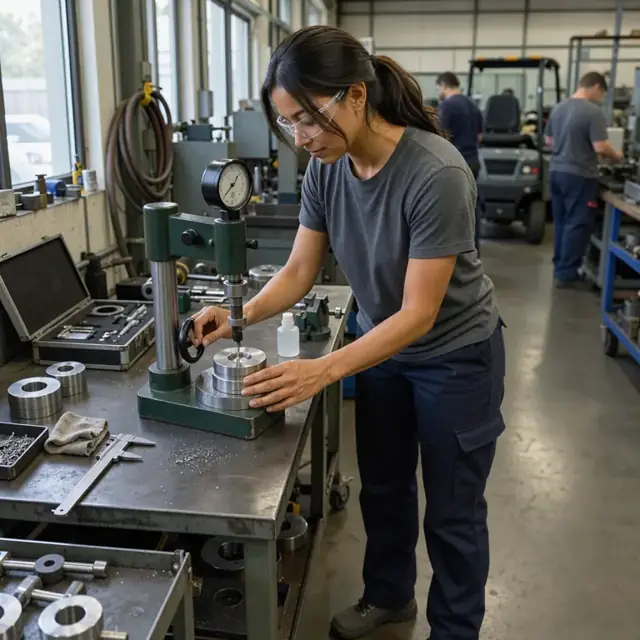
Hardness and Quality Tester
Perform and record all required hardness tests on processed parts, compare results to specifications, and prepare test reports for each batch.
Works in: Ambitious Tasks, Ambitious Sheets, Ambitious Docs · Workflows: Hardness inspection and testing
Automates
- Creates the test plan and sampling requirements based on the work order
- Logs all Rockwell, Brinell, or Vickers hardness readings from the test equipment
- Compares each set of results directly to the customer's approved limits
- Generates the batch test summary report with furnace and batch identifiers
- Flags any out-of-tolerance results for immediate supervisor review
Stops for a person
- A certified technician performs and independently verifies all final hardness tests
- The supervisor reviews and signs every test report before shipment
- Metallurgical samples are prepared and examined only by qualified personnel

Inventory and Equipment Coordinator
Track customer parts by batch, monitor consumables and fixtures, and maintain calibration status to keep the shop running without interruption.
Works in: Ambitious Sheets, Ambitious Tasks, Ambitious Docs · Workflows: Material, equipment and consumables tracking
Automates
- Maintains current location, status, and process step for every customer batch
- Monitors and logs levels of quench oils, process gases, salts, and fixture inventory
- Schedules upcoming thermocouple replacements, instrument calibrations, and bath analyses
- Generates reorder lists for consumables when approaching reorder points
- Produces complete traceability reports linking parts to their full process history
Stops for a person
- The supervisor confirms any movement or transfer of customer-owned parts
- Purchasing decisions and actual expenditures are made by people
- Calibration standards and reference materials are verified only by qualified staff

Certification and Records Clerk
Compile furnace logs, test results, pyrometry records, and all other required data into complete customer certification packages.
Works in: Ambitious Docs, Ambitious Sheets, Ambitious Tasks · Workflows: Quality records and certification generation
Automates
- Pulls together all charts, digital logs, atmosphere records, and test data for each completed batch
- Drafts certificates of conformance listing every process parameter actually used
- Organizes and cross-references quarterly pyrometry surveys and calibration certificates
- Prepares the full shipment documentation packet including packing slips and test reports
- Archives the complete batch file according to the required retention schedule
Stops for a person
- All certificates and test reports are reviewed and signed by the responsible metallurgist or supervisor
- The owner approves any formal communication sent to the customer
- People confirm that the final documentation package meets each customer's exact requirements

Maintenance and Compliance Coordinator
Keep all furnaces, instruments, and safety systems on their required maintenance, calibration, and survey schedules.
Works in: Ambitious Tasks, Ambitious Sheets, Process Optimizer · Workflows: Equipment maintenance and compliance tracking
Automates
- Generates preventive maintenance checklists specific to each furnace and support system
- Tracks thermocouple usage hours, salt bath chemistry results, and quench media condition
- Schedules and documents all temperature uniformity surveys and system accuracy tests
- Maintains current safety data sheets, environmental logs, and spill response records
- Warns of upcoming recertification or requalification deadlines for equipment and instruments
Stops for a person
- All maintenance, survey, and calibration work is performed and documented only by qualified technicians
- The supervisor reviews and approves every completed maintenance record before the furnace returns to production
- People confirm that equipment continues to meet all process and regulatory requirements
Workflows
Job intake and specification review
Starts when: A customer sends parts with a purchase order or job ticket
- Capture part number, material, quantity, required hardness range, and any special instructions from the accompanying documents
- Verify specifications against the shop's approved process sheets for that material and hardness target
- Assign a unique batch identifier for full traceability through every subsequent step
- Check furnace availability and type against the required cycle parameters
- Draft the internal work order with exact parameters and send for review
Watch for: Metallurgical requirements must be captured exactly as written on customer documents; Any deviation from the specified process requires written customer authorization before processing
Furnace scheduling and load planning
Starts when: After job intake and at the start of each shift
- Group pending jobs by furnace type, temperature range, atmosphere requirements, and cycle duration
- Build a daily or shift furnace schedule that respects heat-up rates, cooldown constraints, and total load limits
- Calculate load weights, fixture or basket requirements, and fixture spacing for each run
- Reserve dedicated time windows for required temperature uniformity surveys or qualification runs
- Flag any jobs needing special quench media, atmosphere, or separation from incompatible alloys
Watch for: Furnace capacity is limited by both physical size and total heat input; Certain alloys cannot share a furnace run due to contamination or cross-contamination risk
Process execution and monitoring
Starts when: When a furnace is ready for the next scheduled load
- Load parts into the specified fixtures or baskets exactly as called out on the work order
- Set and independently verify all temperature setpoints, soak times, atmosphere controls, and quench parameters
- Monitor and log each segment of the cycle in real time using furnace instrumentation
- Record any deviations from the planned parameters and notify the supervisor immediately
- Unload the batch at the correct time and transfer to the next operation such as tempering or cooling
Watch for: Quench timing must be precise to achieve the required microstructure; All critical process variables must be recorded automatically or by the operator at the furnace
Hardness inspection and testing
Starts when: After each heat treat cycle and any required tempering is complete
- Select sample parts from the batch per the sampling plan and perform the specified hardness tests
- Record all readings and compare them directly against the customer's hardness range requirements
- Prepare metallurgical samples for microstructure examination when required by the specification
- Generate a test report that includes the batch identifier, furnace run data, and all test results
- Flag any out-of-spec parts or batches for immediate supervisor review before further processing
Watch for: Test equipment must be calibrated on a defined schedule; Certain hardness ranges require specific test methods such as Rockwell or Vickers
Material, equipment and consumables tracking
Starts when: Daily, after each major run, and on a weekly basis
- Track the location and status of every customer-owned batch from receipt through processing and shipping
- Monitor inventory levels of quench oils, process gases, salts, fixtures, and replacement parts
- Schedule and document calibration events for thermocouples, instruments, and test equipment
- Log consumption of all furnace consumables and generate reorder recommendations
- Produce on-demand traceability reports linking each batch to its complete process history
Watch for: Customer-owned parts must remain segregated and traceable at all times; Certain quench media and gases have strict storage, handling, and disposal rules
Quality records and certification generation
Starts when: Upon completion of each batch and on scheduled quarterly dates
- Compile all furnace charts, digital logs, atmosphere records, pyrometry data, and hardness test results
- Draft certificates of conformance that list every process parameter used for that batch
- Organize and cross-reference pyrometry surveys, thermocouple calibrations, and instrument records
- Prepare the complete shipment paperwork packet including packing slips, test reports, and certifications
- Archive the full batch file in the required long-term storage system according to the retention schedule
Watch for: Many customers require specific formats for certification documents; Records must be available for audit on short notice
Equipment maintenance and compliance tracking
Starts when: On fixed calendar intervals, after each use, and after any repair
- Generate preventive maintenance checklists tailored to each furnace and instrument
- Track thermocouple usage hours, salt bath chemistry analysis, and quench media condition
- Schedule and document all required temperature uniformity surveys and system accuracy tests
- Maintain current safety data sheets, environmental compliance logs, and spill containment records
- Flag upcoming recertification or requalification dates for furnaces, controllers, and test equipment
Watch for: Pyrometry standards require specific test frequencies and procedures; Local environmental and safety regulations govern emissions, waste handling, and reporting
Bot templates for this industry
- Metal Heat Treating (7 bots)
Source: U.S. Small Business Administration, Office of Size Standards, Table of Small Business Size Standards Matched to North American Industry Classification System Codes, version March 2023 (effective 2023-03-17, NAICS 2022). Size standards are shown for reference only.