

Ammunition (except Small Arms) Manufacturing
Ammunition (except small arms) manufacturers produce large caliber rounds, artillery shells, mortar bombs, grenades, mines and pyrotechnic ammunition under strict regulatory oversight. For a facility that receives government and commercial contracts, the specialists turn contract specifications into production orders, production orders into sequenced manufacturing schedules with material requirements, and schedules into inspection, packaging and shipment plans. Explosive safety, lot traceability, demilitarization procedures and range-test protocols remain with the licensed engineers and quality officers.
What makes this business different
- Government contracts and purchase orders with detailed technical data packages, drawings and acceptance criteria
- Explosive materials that require ATF, DDESB and DoD safety board approvals for storage, handling and movement
- Lot traceability and serialization from raw material through final assembly and testing for every batch
- High-security facilities with controlled access, blast walls, separated explosive and non-explosive zones
- Destructive and nondestructive testing including X-ray, hydrostatic, static firing and environmental conditioning
- Hazardous waste, demilitarization plans and environmental permits for propellant and explosive residues
- Long-lead-time raw materials such as cartridge cases, primers, propellants and fuzes with strict shelf-life controls
Specialist bots

Contract Intake Specialist
Convert incoming contracts and technical data packages into structured production orders with all required traceability fields.
Works in: Ambitious Docs, Ambitious Tasks, Contract Analyzer · Workflows: Contract and technical data intake
Automates
- Reads contract PDFs and extracts quantities, dates and clauses
- Organizes technical drawings and specifications by part number
- Creates master production orders with serialized lot fields
- Flags missing data or special quality requirements
Stops for a person
- Engineering reviews and approves all technical data interpretations
- Quality officer confirms that all contract clauses are captured correctly
- A person releases the production order for scheduling

Production Scheduler
Build and maintain the master manufacturing schedule across metal forming, loading and assembly operations while respecting explosive limits.
Works in: Process Optimizer, Ambitious Sheets · Workflows: Production scheduling and capacity planning
Automates
- Sequences operations by contract due dates
- Calculates daily explosive material needs against licensed capacities
- Identifies and balances bottlenecks between machining and loading areas
- Flags long-lead items and generates reorder triggers
Stops for a person
- The safety officer approves any schedule that approaches explosive weight limits
- Production managers adjust the schedule for equipment availability
- A person releases the final weekly schedule

Materials and Explosives Planner
Explode production schedules into precise material and explosive requirements while tracking shelf life and compliance certificates.
Works in: Ambitious Sheets, Ambitious Tasks · Workflows: Material and explosive inventory planning
Automates
- Calculates raw material and explosive quantities per lot
- Subtracts current certified inventory
- Generates purchase requisitions by supplier
- Tracks expiration dates and compatibility groups
Stops for a person
- Purchasing places all orders and spends funds
- Explosives officer verifies that all materials are ordered against approved contracts
- A person confirms incoming material certifications

Manufacturing Execution Specialist
Release controlled work instructions, generate serialized travelers and track real-time lot status through each production step.
Works in: Ambitious Tasks, Ambitious Docs, Process Optimizer · Workflows: Manufacturing execution and in-process control
Automates
- Releases version-controlled drawings and instructions to each work center
- Generates serialized travelers with in-process checkpoints
- Logs measurements and environmental data by operation
- Flags nonconformances for review board
Stops for a person
- Licensed engineers approve any deviation from approved processes
- Safety officer confirms headcount and monitoring in explosive bays
- A person stops or resumes production
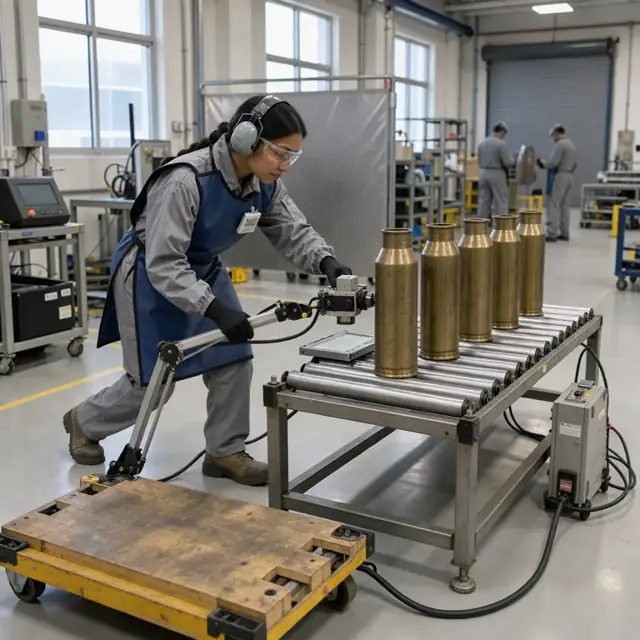
Quality Verification Specialist
Schedule and compile all in-process, final and lot acceptance inspections and testing records required by contract.
Works in: Ambitious Tasks, Ambitious Docs, Ambitious Sheets · Workflows: Quality inspection and lot acceptance
Automates
- Generates inspection travelers with required checkpoints
- Compiles dimensional, X-ray and test data by serial number
- Builds certificate of conformance packages
- Flags out-of-tolerance results for review
Stops for a person
- Quality engineers review and sign all nonconformance reports
- Government inspectors witness selected tests when required
- A person approves and releases final acceptance documentation
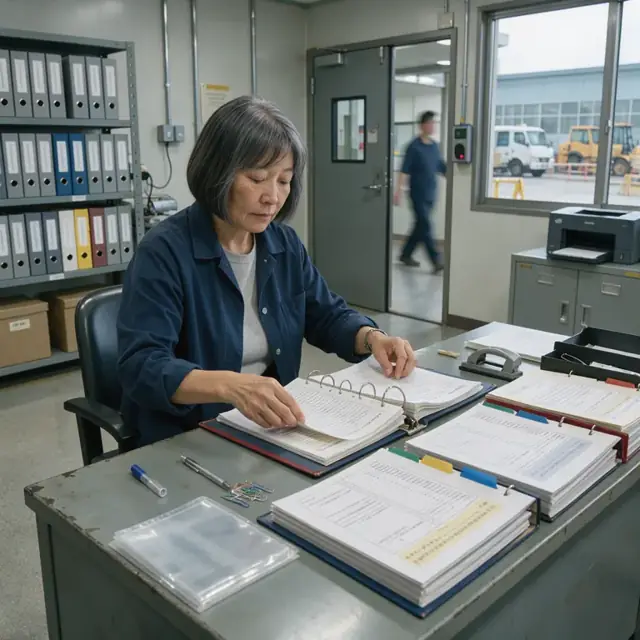
Regulatory Compliance Clerk
Track all permits, licenses, training records and explosive usage logs required by federal and state authorities.
Works in: Ambitious Tasks, Ambitious Docs, Ambitious Sheets · Workflows: Regulatory compliance and permit management
Automates
- Maintains a calendar of permit and license expirations
- Compiles quarterly explosive usage and waste reports
- Generates safety board submission checklists
- Archives lot records for the required retention period
Stops for a person
- The facility safety officer confirms which local and federal rules apply
- People handle all submissions, inspections and corrective actions
- A person reviews every report before it is filed

Packaging and Shipping Dispatcher
Prepare packaging instructions, hazard markings and shipping documentation for accepted ammunition lots.
Works in: Ambitious Tasks, Ambitious Docs, Contract Analyzer · Workflows: Packaging, marking and hazardous shipment
Automates
- Generates contract-specific packaging and marking lists
- Creates dangerous goods declarations
- Prepares lot-specific shipping papers
- Coordinates with approved carriers
Stops for a person
- The quality officer verifies all markings and labels
- Shipping manager approves all explosive transport documents
- A person signs and releases final shipment paperwork
Workflows
Contract and technical data intake
Starts when: Receipt of a new government or commercial contract or purchase order
- Parse contract documents for part numbers, quantities, delivery dates and quality clauses
- Extract and organize technical data package including drawings, specifications and inspection requirements
- Create a master production order with lot traceability fields
- Flag any deviations or waivers that require engineering approval
- Route the complete package for quality and safety review
Watch for: All technical data must be version-controlled and kept in secure storage; Any classified or ITAR-restricted information must stay within approved systems
Production scheduling and capacity planning
Starts when: After contract intake and weekly thereafter
- Load all active contracts into the master schedule
- Sequence operations across metal forming, loading, assembly, inspection and packaging areas
- Calculate explosive material requirements and align with licensed magazine capacities
- Identify long-lead items and trigger reorder points
- Use process optimization to balance bottlenecks between metalwork and explosive loading
Watch for: Explosive operations limited by licensed net explosive weight per bay and per day; Scheduling must maintain separation of incompatible materials at all times
Material and explosive inventory planning
Starts when: After production schedule is approved and on a weekly cadence
- Explode the bill of materials for each scheduled lot
- Subtract current inventory and shelf-life expirations
- Generate purchase requisitions for metals, propellants, primers and fuzes
- Track hazardous material certificates of compliance and safety data sheets
- Maintain minimum stock for critical safety items while avoiding excess
Watch for: Explosives and propellants must be ordered only against approved contracts; All incoming lots require verification of age, stability and compatibility
Manufacturing execution and in-process control
Starts when: Start of each production lot
- Release controlled work instructions and drawings to each work center
- Generate serialized traveler and inspection checkpoints for each operation
- Capture in-process measurements, torque values and environmental conditions
- Flag any nonconformance for material review board disposition
- Maintain real-time status of each lot through forming, loading, assembly and painting
Watch for: Explosive loading bays require continuous monitoring and strict headcount limits; Any deviation from approved process must stop production until engineering approves
Quality inspection and lot acceptance
Starts when: Completion of each manufacturing step and final lot
- Schedule and record dimensional, visual, X-ray and functional tests per contract
- Compile first-article inspection reports when required
- Perform lot sampling and destructive testing on range or in chamber
- Generate certificate of conformance and final inspection package
- Archive all raw data and radiographs by lot number
Watch for: Government source inspection may be required at specific hold points; All test equipment must be calibrated to traceable standards
Packaging, marking and hazardous shipment
Starts when: After lot acceptance
- Generate packaging instructions per MIL-STD or contract drawings
- Apply correct military markings, lot numbers and hazard labels
- Prepare dangerous goods declarations and shipping papers
- Coordinate with licensed carrier for explosive transport
- Close out contract line items and trigger invoice preparation
Watch for: Packaging must survive drop, vibration and stack tests; Explosive shipments require escort and route approvals in many jurisdictions
Regulatory compliance and permit management
Starts when: Monthly, quarterly and on expiration dates
- Track ATF, EPA, state fire marshal and DoD permit and license renewal dates
- Compile usage logs for explosives and hazardous waste manifests
- Generate safety board submission packages for new processes or quantities
- Maintain training records for personnel handling explosives
- Archive all lot traceability records for the required retention period
Watch for: Explosive safety quantity-distance requirements must be reverified after any facility change; Demilitarization and disposal plans must be pre-approved
Bot templates for this industry
Source: U.S. Small Business Administration, Office of Size Standards, Table of Small Business Size Standards Matched to North American Industry Classification System Codes, version March 2023 (effective 2023-03-17, NAICS 2022). Size standards are shown for reference only.