

All Other Miscellaneous Fabricated Metal Product Manufacturing
Shops that cut, bend, weld and finish custom metal parts and products from raw stock take orders for one-off or small-batch items such as brackets, enclosures, guards, racks and decorative metalwork. Specialists turn customer specifications into checked drawings and quotes, drawings into material lists and work orders, work orders into machine schedules and routes, and finished parts into inspections, packaging and shipments. Tooling, weld procedures, material certs and finish standards stay with the shop owner and lead fabricators.
What makes this business different
- Customer-provided drawings, sketches or descriptions that must be clarified before quoting
- One-off and small-batch jobs mixed with occasional repeat production runs
- Material takeoff from drawings to generate accurate cut lists and scrap estimates
- Machine and welding capacity that changes daily with job mix and setup times
- In-process and final dimensional and weld inspections with documented results
- Material certifications, finish specifications and packaging requirements that vary by customer
- Shop floor routing of parts between cutting, forming, welding, grinding, finishing and shipping
- Tooling and fixture tracking to avoid lost time on repeat setups
- Welding procedure specifications, material test reports and customer-specific quality documentation that must be maintained and referenced per job
Specialist bots

Quote Engineer
Convert customer drawings and descriptions into accurate quotes and shop-ready order packets.
Works in: Ambitious Docs, Ambitious Sheets, Contract Analyzer · Workflows: Quote and order intake
Automates
- Reads incoming drawings and specifications
- Extracts dimensions, materials, tolerances, finish requirements and referenced standards
- Drafts formal quotes with pricing and lead times
- Creates the initial work order packet with traveler template
- Flags non-standard or high-risk items for review
Stops for a person
- The lead fabricator reviews and approves all quotes before sending
- Any price or schedule changes must be confirmed by the owner
- A person sends the final quote and handles all customer negotiations
Material Planner
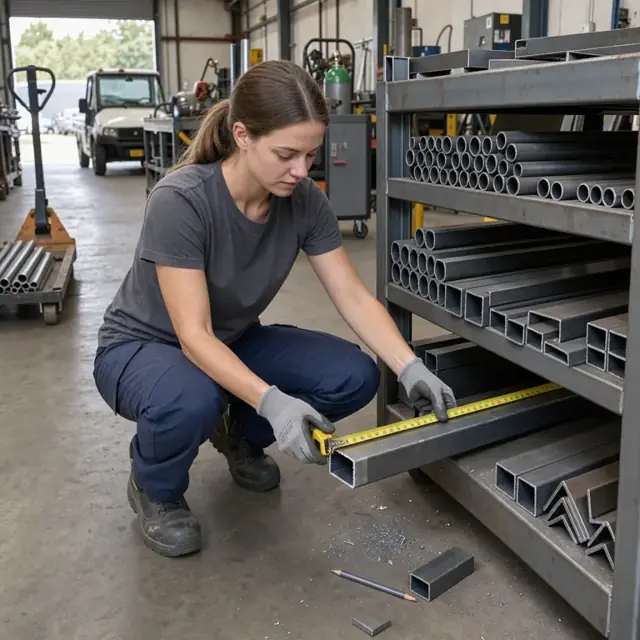
Turn approved work orders into precise material cut lists and purchase orders while tracking remnants and certifications.
Works in: Ambitious Sheets, Ambitious Docs, Ambitious Tasks · Workflows: Material takeoff and purchasing
Automates
- Calculates required raw stock from drawings
- Subtracts current inventory and usable remnants
- Drafts purchase orders by supplier including certification requirements
- Updates remnant database after each job with heat numbers
- Flags long-lead materials that impact schedule
Stops for a person
- The owner approves all material purchases and spends money
- Material grade substitutions must be confirmed by the lead fabricator
- A person places all orders with suppliers

Shop Scheduler
Create daily machine and station schedules that respect due dates, setup times, operator qualifications and current shop capacity.
Works in: Process Optimizer, Ambitious Tasks · Workflows: Shop scheduling and machine dispatch
Automates
- Sequences jobs by due date and operation
- Assigns work to machines considering setup requirements and available qualified operators
- Generates daily dispatch lists and traveler packets
- Adjusts for reported machine downtime or material delays
- Identifies potential bottlenecks using historical data
Stops for a person
- The shop lead reviews and adjusts the daily schedule each morning
- Rush jobs are added only after owner approval
- Operator qualifications for welding or special processes are confirmed by the lead

Floor Router
Track each part or batch through every operation, capture actuals and route it to the next station on the shop floor.
Works in: Ambitious Tasks, Ambitious Docs · Workflows: Shop floor routing and tracking
Automates
- Updates operation status when completed
- Routes parts to the next required workstation or quality hold point
- Captures actual run times, scrap quantities and process notes
- Notifies stations of incoming work and special requirements
- Flags any missing operator qualifications or documentation
Stops for a person
- Operators confirm completion and sign off on the shop floor
- Any rework or deviation requires lead fabricator sign-off before the part can move
- A person performs all physical movement of parts between stations

Quality Verifier
Generate inspection checklists from drawings and compile all dimensional, weld and finish results for review.
Works in: Ambitious Docs, Ambitious Sheets, Ambitious Tasks · Workflows: In-process and final inspection
Automates
- Creates inspection checklists from customer tolerances and notes
- Organizes recorded measurements, photos and material traceability data
- Flags out-of-tolerance conditions for disposition
- Compiles final inspection reports and attaches to job packets
- Tracks which jobs require first-article or customer-specific inspection
Stops for a person
- A qualified inspector performs and signs off all physical measurements and weld checks
- The owner or lead reviews and approves any nonconformance dispositions
- People confirm that all required documentation meets customer expectations
Shipping Coordinator
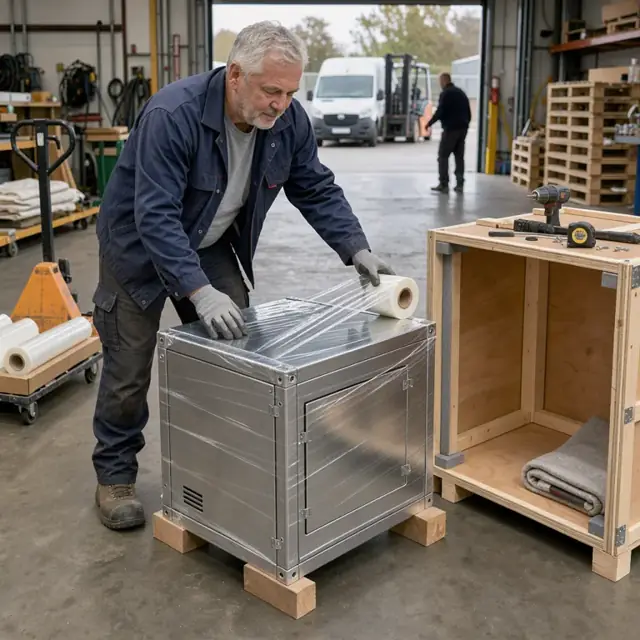
Prepare packing lists, select carriers and generate all shipping documentation once parts pass inspection.
Works in: Ambitious Docs, Ambitious Tasks, Ambitious Sheets · Workflows: Packaging and shipping
Automates
- Determines packaging, labeling and rust-prevention requirements from the traveler
- Generates packing lists, shipping labels and bills of lading
- Drafts shipping paperwork and carrier choices including any certificates of origin
- Records tracking numbers and notifies customers
- Closes work orders and updates inventory records
Stops for a person
- The owner approves all shipping costs and carrier selections
- A person physically packs, labels and prepares every shipment
- All final documentation is reviewed and signed by the owner before release

Tooling and Maintenance Clerk
Track tooling, fixtures and preventive maintenance so machines and tools stay ready for production.
Works in: Ambitious Tasks, Ambitious Sheets, Process Optimizer · Workflows: Tooling and equipment maintenance
Automates
- Lists tooling and fixtures due for inspection or sharpening
- Tracks usage hours on press brakes, punches and welding equipment
- Generates preventive-maintenance tasks and calibration reminders
- Updates status after maintenance is completed and logs records
- Flags job-specific fixtures that need retrieval or modification
Stops for a person
- Maintenance and repairs are performed by qualified technicians
- The owner confirms which tooling to repair, replace or purchase
- A person performs all physical maintenance and calibration work
Compliance and Documentation Clerk
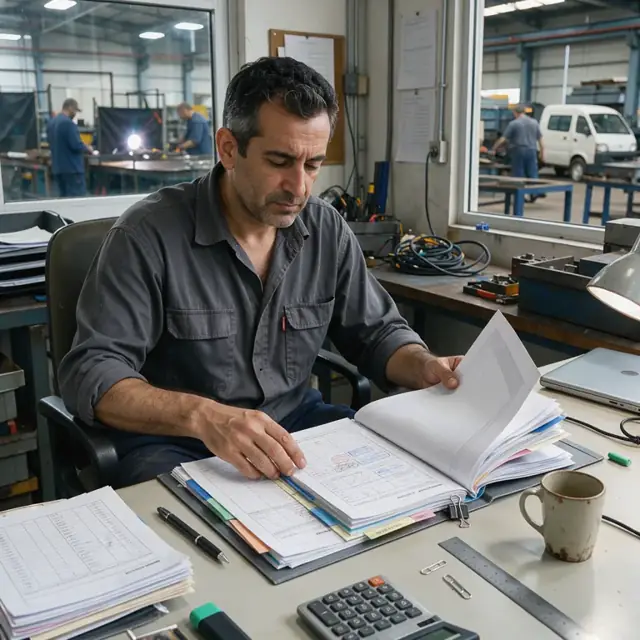
Organize material certifications, weld procedures, inspection reports and customer-required quality packets for each job.
Works in: Ambitious Docs, Ambitious Sheets, Ambitious Tasks · Workflows: Customer and regulatory documentation
Automates
- Compiles required material test reports and welder qualifications per job
- Tracks expiration dates for licenses, insurance and certifications
- Assembles quality packets with inspection data and traceability
- Drafts certificates of conformance for review
- Archives job documentation according to customer requirements
Stops for a person
- The owner confirms which standards and paperwork apply to each job
- All certificates, reports and filings are reviewed, signed and filed by people
- The bot never certifies compliance or signs any document
Workflows
Quote and order intake
Starts when: A customer submits a drawing, sketch, description or request for quote
- Capture all dimensions, tolerances, material type, finish, quantity and any referenced standards
- Check against standard shop capabilities, available equipment and current workload
- Draft a formal quote with price, lead time and clarifying questions
- Record customer approval signature and convert quote to a released work order
- Create a shop-ready task packet with drawings, specifications and quality notes
Watch for: Tolerances and material grades must match exactly what the customer requires; Changes after quote approval require revised pricing and schedule impact; Any referenced welding or quality standards must be noted for later reference
Material takeoff and purchasing
Starts when: After work order release and weekly
- Extract cut lengths, sheet sizes, plate weights and raw stock needs from drawings
- Subtract current inventory, remnants and certified material on hand
- Draft purchase orders by supplier for sheet, plate, bar, tube, hardware and consumables
- Track remnants, drop sizes and material certifications for future jobs
- Flag long-lead items that affect the overall schedule and notify the owner
Watch for: Material must be ordered to exact grade and certification requirements; Remnants must be measured, tagged with heat numbers and re-inventoried after each job; Purchase orders for certified materials require owner signature before release
Shop scheduling and machine dispatch
Starts when: Daily at the start of each shift
- List all open work orders by due date, operation and required qualifications
- Assign jobs to available machines and stations considering setup time, run time and operator certifications
- Generate daily dispatch list for cutting, forming, welding, grinding, finishing and shipping
- Adjust schedule for rush orders, machine downtime or material delays
- Create traveler packets that move with each part or batch and include required quality hold points
Watch for: Setup time varies widely by job and operator experience; Bottlenecks occur at welding or finishing stations depending on job mix; Certain operations require specific welder qualifications that must be matched to the job
Shop floor routing and tracking
Starts when: When a job completes an operation
- Mark operation complete and capture actual time, scrap and any process notes
- Route the part or batch to the next required station or quality hold point
- Update remaining operations, due dates and traveler status
- Flag any rework, nonconformance or missing material certifications for review
- Notify downstream stations of incoming work and any special handling requirements
Watch for: Parts can skip or repeat steps depending on customer specifications; Weld and finish operations require specific operator qualifications that must be verified; Any deviation from the traveler must be documented before the part can move forward
In-process and final inspection
Starts when: At completion of critical operations and before shipment
- Generate inspection checklist from drawing tolerances, notes and referenced standards
- Record dimensional checks, weld visuals, surface finish results and material traceability
- Capture photos of critical features when required by the traveler
- Flag any deviations for disposition and attach supporting documentation
- Compile final inspection report and attach to the job packet for owner review
Watch for: Certain customers require first-article inspection before full production; All inspection data must be retained with the job records for the period required by the customer; Weld inspection may require visual or nondestructive testing by qualified personnel
Packaging and shipping
Starts when: After final inspection approval
- Determine packaging type, labeling, rust prevention and marking from customer requirements
- Generate packing list, shipping labels and any required material traceability documents
- Draft carrier selection and shipping paperwork including bills of lading
- Record shipment tracking information and notify the customer
- Close the work order, update inventory and trigger final invoicing
Watch for: Custom crating or rust-preventative coatings required for some parts; International shipments need additional documentation such as certificates of origin; All packaging and labeling must match customer specifications exactly before release
Tooling and equipment maintenance
Starts when: Weekly and on scheduled intervals
- List tooling, fixtures and dies due for inspection, sharpening or calibration
- Track usage hours on press brakes, punches, welding machines and CNC equipment
- Draft preventive-maintenance tasks, calibration reminders and safety checks
- Log completed maintenance, update status and attach any required records
- Flag any tooling that needs replacement or repair and notify the owner
Watch for: Custom fixtures are often job-specific and must be stored, labeled and located quickly; Maintenance records are reviewed during customer audits and must be readily available; Calibration of measuring equipment follows industry intervals and requires documented traceability
Customer and regulatory documentation
Starts when: At order entry, shipment and on renewal or audit dates
- Compile required material test reports, weld procedure qualifications and welder certifications for the job
- Track expiration dates for shop licenses, insurance, equipment certifications and operator qualifications
- Generate and organize customer-specific quality packets including inspection reports and traceability
- Draft any required certificates of conformance for owner signature
- Archive completed job documentation according to customer retention requirements
Watch for: Different customers require different levels of documentation and retention periods; The shop owner confirms which standards and paperwork apply to each job; All filings, reports and certifications are reviewed and signed by qualified people
Bot templates for this industry
Source: U.S. Small Business Administration, Office of Size Standards, Table of Small Business Size Standards Matched to North American Industry Classification System Codes, version March 2023 (effective 2023-03-17, NAICS 2022). Size standards are shown for reference only.