

Farm Machinery and Equipment Manufacturing
Manufacturers of farm machinery and equipment produce tractors, harvesters, planters, tillers and attachments in batches or to custom specifications. Orders arrive from dealers and large farms with required configurations, attachments and safety features. The specialists convert sales orders into engineering bills of materials, production schedules and work orders, manage component and raw-material inventory, track assembly and testing, handle regulatory labeling and warranty paperwork, and prepare shipments. Engineering changes, seasonal demand spikes and safety compliance checks remain with the owner and engineers.
What makes this business different
- Custom configurations for tractors, planters and harvesters that combine standard models with specific attachments, horsepower ratings, tire sizes and control systems
- Engineering change orders that must be propagated to bills of materials and work instructions without disrupting active production
- Seasonal production ramps for spring planting and fall harvest equipment with long lead-time components
- Inventory of large, expensive parts such as engines, transmissions, hydraulic pumps and steel fabrications that must be tracked by serial and lot
- Assembly, testing and quality checkpoints including torque verification, hydraulic pressure tests and safety interlock checks
- Regulatory labeling for rollover protection, noise levels, lighting and emissions plus operator manuals and warranty registration
- Dealer and direct-farm customers who require proof of testing, serial-number traceability and coordinated delivery windows
Specialist bots
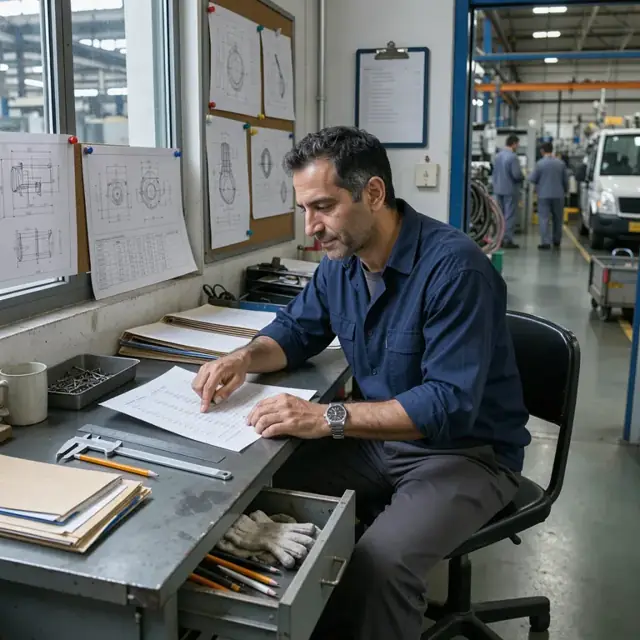
Order Configurator
Convert dealer and farm orders into validated configurations, bills of materials and released production orders.
Works in: Ambitious Tasks, Ambitious Docs, Contract Analyzer · Workflows: Order configuration and engineering release
Automates
- Reads incoming order details and maps to approved configurations
- Validates option compatibility against the engineering matrix
- Generates accurate bill of materials with current revisions
- Drafts engineering release packet
- Creates the production order task
Stops for a person
- Engineers review and approve non-standard configurations
- Owner approves any order that changes cost or schedule
- A person sends order acknowledgments

Production Scheduler
Build weekly master schedules that respect line capacity, paint color sequencing and seasonal demand.
Works in: Ambitious Sheets, Process Optimizer · Workflows: Production scheduling and capacity planning
Automates
- Loads orders and forecasts into the master schedule
- Balances capacity across assembly, paint and test stations
- Flags long-lead items and suggests adjustments
- Assigns specific work orders to bays and shifts
Stops for a person
- The production manager adjusts the final schedule
- Owner approves any overtime or additional shifts
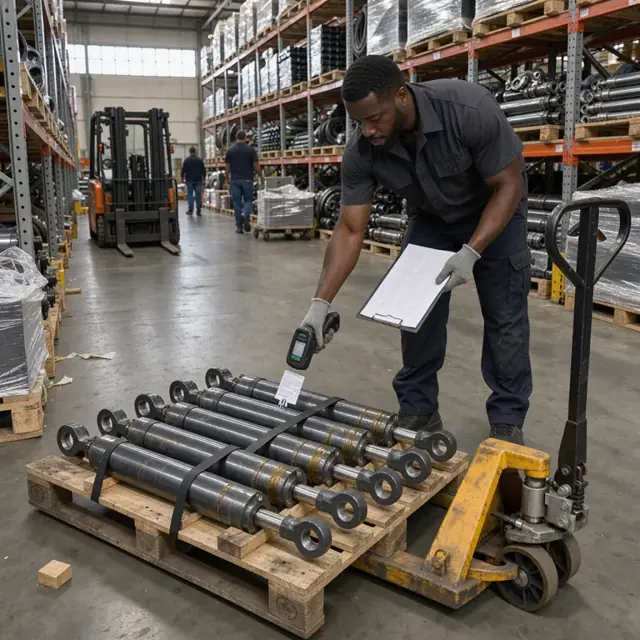
Inventory and Procurement Coordinator
Explode production schedules into material requirements and maintain accurate component inventory and purchase orders.
Works in: Ambitious Sheets, Ambitious Tasks, Ambitious Docs · Workflows: Component purchasing and inventory control
Automates
- Calculates exact quantities of steel, engines, hydraulics and tires needed
- Subtracts current stock and open orders
- Drafts purchase orders grouped by supplier
- Tracks serial and lot numbers for critical parts
Stops for a person
- The owner places and approves all purchases
- Supplier certification documents are reviewed by people

Assembly Process Verifier
Generate station-specific work instructions, capture torque and test data, and track each machine through assembly.
Works in: Ambitious Tasks, Ambitious Docs, Ambitious Sheets · Workflows: Assembly work order execution
Automates
- Creates sequential checklists with required torque values and test points
- Records completed steps and serial numbers
- Routes units to next station or inspection
- Logs deviations for rework
Stops for a person
- Technicians perform and sign off on physical assembly and torque checks
- Any safety-related deviation is reviewed by engineering

Test and Compliance Clerk
Run final test checklists, record results, apply regulatory labels and prepare warranty documentation.
Works in: Ambitious Tasks, Ambitious Docs, Ambitious Sheets · Workflows: Final testing and regulatory compliance
Automates
- Generates machine-specific test checklists
- Logs hydraulic, electrical and safety test results
- Prepares required labels and operator manuals
- Creates warranty registration packets
Stops for a person
- Technicians perform all physical tests and confirm results
- Owner confirms which regulatory requirements apply to each model
- People review and file all test records

Shipping and Logistics Coordinator
Prepare shipping documents, load plans and delivery notifications for finished equipment.
Works in: Ambitious Tasks, Ambitious Docs, Ambitious Sheets · Workflows: Shipment preparation and dealer delivery
Automates
- Groups machines by destination and transport type
- Generates bills of lading and load diagrams
- Drafts customer delivery notifications
- Tracks shipment status
Stops for a person
- The owner approves all freight spend and special permits
- Drivers and loading crews perform physical loading

Engineering Change Manager
Propagate approved engineering changes to bills of materials, schedules, inventory and work instructions.
Works in: Ambitious Docs, Ambitious Sheets, Process Optimizer · Workflows: Engineering change order management
Automates
- Identifies all affected open orders and inventory
- Updates bills of materials and checklists to new revisions
- Notifies procurement of part changes
- Tracks the cut-in date across production
Stops for a person
- Engineers validate all changes, especially safety-related ones
- The owner approves any change that affects cost, schedule or regulatory status
Workflows
Order configuration and engineering release
Starts when: New sales order received from dealer or farm customer
- Parse order for base model, attachments, horsepower, tire package and options
- Check configuration against approved option matrix and current engineering releases
- Generate or update bill of materials with correct part numbers and revisions
- Release engineering packet with drawings, torque specs and test criteria
- Create production order task with due date and priority
Watch for: Configuration errors can stop the line or create unsafe equipment; Engineering changes must be reviewed before release to production
Production scheduling and capacity planning
Starts when: Weekly and after major order intake
- Load confirmed orders and forecast into master schedule
- Balance assembly line, paint booth and test bay capacity
- Identify long-lead components and pull forward if needed
- Assign work orders to specific assembly bays and shifts
- Flag seasonal surge requirements for additional labor or shifts
Watch for: Paint and cure ovens have fixed batch sizes and color-change times; Heavy equipment requires crane and floor-space allocation
Component purchasing and inventory control
Starts when: After bill of materials release and on a weekly cadence
- Explode production schedule into raw material and purchased-part requirements
- Compare against current stock and on-order quantities
- Draft purchase orders for engines, hydraulics, tires and steel
- Track lot and serial numbers for safety-critical components
- Monitor supplier lead times and flag potential shortages
Watch for: Large bulky items must be scheduled for just-in-time delivery to avoid yard congestion; Certain parts require supplier certifications that the owner confirms
Assembly work order execution
Starts when: Start of each production shift
- Pull and stage kits for each machine on the line
- Generate sequential assembly checklists with torque and pressure values
- Record completed steps, serial numbers and test results
- Route completed units to final inspection and paint if needed
- Log any deviations or rework required
Watch for: Critical torque and pressure values must be captured at each station; Safety interlocks and rollover protection structures require documented verification
Final testing and regulatory compliance
Starts when: After assembly completion
- Generate test checklist for each machine type including hydraulic, electrical and safety systems
- Record test results against engineering specifications
- Apply regulatory labels and serial plates
- Prepare operator manual packet and warranty documents
- Flag any failures for rework and retest
Watch for: Each machine must meet published safety and emissions standards confirmed by the owner; Test data must be retained for traceability
Shipment preparation and dealer delivery
Starts when: After successful final test and customer-ready status
- Group machines by destination and transport method
- Draft bill of lading and load diagrams for flatbed or low-boy trailers
- Generate delivery confirmation and warranty registration forms
- Schedule carrier pickup within dealer or farm window
- Record shipment and notify customer
Watch for: Oversize equipment requires special permitting and escort coordination; Dealer prep instructions vary by region and model
Engineering change order management
Starts when: When an engineering change is approved
- Identify all open and in-process orders affected by the change
- Update bills of materials and work instructions
- Create new revision-controlled drawings and checklists
- Notify procurement of any new or obsolete parts
- Track implementation date across inventory and finished goods
Watch for: Changes to safety-related components require full validation before release; Owner must approve all changes that affect cost or lead time
Bot templates for this industry
Source: U.S. Small Business Administration, Office of Size Standards, Table of Small Business Size Standards Matched to North American Industry Classification System Codes, version March 2023 (effective 2023-03-17, NAICS 2022). Size standards are shown for reference only.