

Mining Machinery and Equipment Manufacturing
Mining machinery and equipment manufacturers produce custom and repeat heavy equipment such as drills, loaders, haul trucks, crushers and conveyors. Orders arrive as bids or specifications from mine operators. The specialists turn bid packages into accurate cost estimates, estimates into production schedules, schedules into material and component orders, and finished machines into delivery and commissioning plans. Engineering drawings, weld and assembly procedures, safety certifications and customer acceptance tests remain with the engineering and quality teams.
What makes this business different
- Large custom machines built to customer specifications, mine site conditions and regulatory requirements
- Long-lead purchased components such as hydraulic motors, bearings and control systems that must be ordered early
- Complex bills of materials that include fabricated weldments, castings, purchased assemblies and consumables
- Production limited by shop floor space, crane capacity, paint booth size and test bay availability
- Welding, nondestructive testing, pressure testing and electrical certifications that require documented procedures
- Customer inspections, factory acceptance tests and mine-site commissioning with travel and safety training
- Service parts and warranty claims that must reference the original serial-numbered machine
Specialist bots

Bid and Proposal Coordinator
Convert incoming mine equipment inquiries into complete, checked cost estimates and proposals.
Works in: Ambitious Docs, Ambitious Sheets, Contract Analyzer · Workflows: Bid and proposal response
Automates
- Extracts specifications, capacities and delivery requirements from bid documents
- Builds preliminary bill of materials and labor routing
- Compares requirements to standard offerings and flags exceptions
- Assembles compliance matrix and drafts proposal sections
- Calculates estimated cost and suggested price
Stops for a person
- Engineering reviews all technical exceptions
- Sales leadership approves final pricing and commercial terms
- A person submits the formal bid package

Order Administrator
Confirm customer purchase orders, release engineering packages and create the master project record.
Works in: Ambitious Tasks, Ambitious Docs, Contract Analyzer · Workflows: Order confirmation to production release
Automates
- Compares purchase order terms to the original proposal
- Releases final drawings and bill of materials to production
- Assigns unique serial number and opens project task
- Schedules key milestones and long-lead procurement dates
- Drafts the formal order acknowledgment
Stops for a person
- Engineering approves any post-order specification changes
- Management reviews and signs the acknowledgment before sending

Materials and Procurement Planner
Explode bills of materials, track long-lead items and maintain accurate component inventory.
Works in: Ambitious Sheets, Ambitious Tasks · Workflows: Component procurement and inventory
Automates
- Generates full material requirements from released bills
- Subtracts on-hand and on-order quantities
- Creates prioritized purchase requisitions by lead time
- Monitors supplier delivery dates against the master schedule
- Flags critical items approaching stock-out
Stops for a person
- Purchasing places all purchase orders and spends money
- Engineering approves substitute materials or vendors
Master Production Scheduler
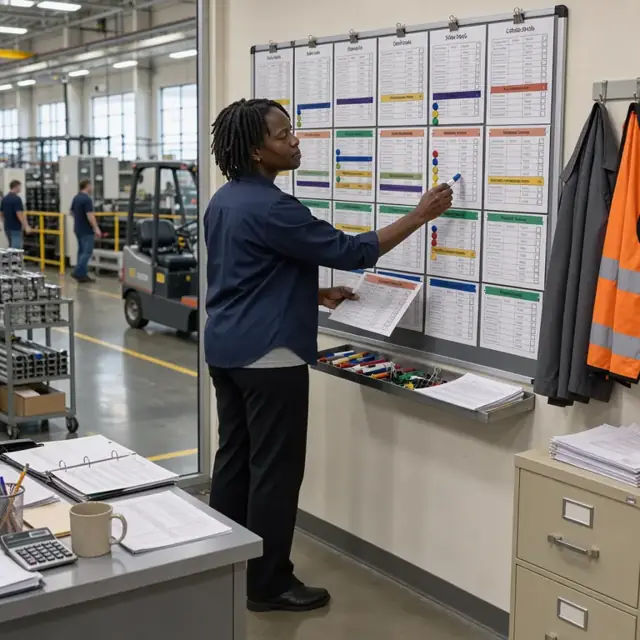
Build and maintain the master schedule, balance shop capacity and identify bottlenecks.
Works in: Process Optimizer, Ambitious Sheets · Workflows: Production scheduling and capacity
Automates
- Loads confirmed orders and required ship dates into the schedule
- Allocates work centers and checks crane and paint booth availability
- Runs process optimization to highlight welding or assembly constraints
- Adjusts for material arrival and engineering changes
- Publishes the rolling weekly shop schedule
Stops for a person
- Production management approves changes to the master schedule
- The shop foreman adjusts daily assignments based on actual progress

Fabrication and Assembly Tracker
Issue daily work packets, track progress of each machine and record quality checkpoints.
Works in: Ambitious Tasks, Ambitious Docs, Ambitious Sheets · Workflows: Fabrication and assembly tracking
Automates
- Generates daily work orders with drawings and procedures
- Updates status of weldments and assemblies by serial number
- Flags upcoming customer or third-party inspection points
- Captures welder qualifications and material heat numbers
- Compares actual hours against estimated hours
Stops for a person
- Welders and technicians record their own progress and inspections
- Quality manager reviews all hold-point documentation
Quality and Test Coordinator
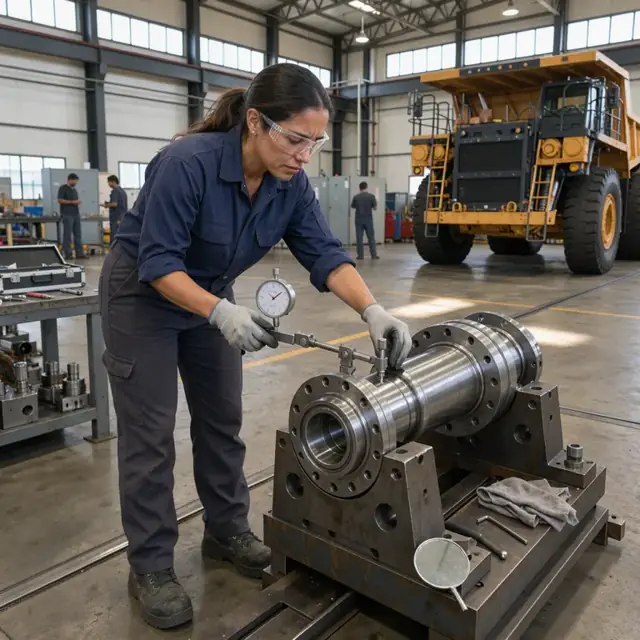
Create inspection plans, record test results and compile as-built documentation packages.
Works in: Ambitious Docs, Ambitious Sheets, Ambitious Tasks · Workflows: Quality inspection and factory testing
Automates
- Generates inspection and test plans from the bill of materials
- Logs dimensional, pressure, electrical and functional test data
- Prepares factory acceptance test scripts for customer approval
- Assembles digital documentation and traceability records
- Tracks open nonconformance reports to closure
Stops for a person
- Certified inspectors and engineers witness and sign off on critical tests
- The customer or regulatory representative approves final test results
- Quality manager confirms all records before shipment

Shipment and Commissioning Coordinator
Plan machine transport, prepare shipping documents and schedule mine-site commissioning.
Works in: Ambitious Tasks, Ambitious Docs, Ambitious Sheets · Workflows: Shipment, delivery and commissioning
Automates
- Creates loading, rigging and transport plans
- Compiles bills of lading, export documents and operator manuals
- Builds commissioning timeline and site preparation checklist
- Tracks shipment status and coordinates technician travel
- Records customer acceptance and warranty start date
Stops for a person
- The owner approves all transport and travel expenditures
- on-site service technicians handle all on-site commissioning and training
- A person obtains all required oversize load permits
Workflows
Bid and proposal response
Starts when: A mine operator sends an RFP, drawing package or equipment inquiry
- Parse the technical specifications, required capacity, mine conditions and delivery date
- Identify required certifications, testing and site-specific modifications
- Draft a compliance matrix against the specification
- Generate a preliminary bill of materials and routing
- Produce a cost estimate and proposed price for review
Watch for: Technical exceptions must be clearly listed and approved by engineering; Delivery dates are driven by long-lead items and shop capacity
Order confirmation to production release
Starts when: Customer issues a purchase order or letter of intent
- Compare the purchase order against the proposal and flag variances
- Release final engineering drawings and bill of materials
- Create a project task with serial number and customer details
- Schedule engineering revisions, procurement and fabrication start dates
- Draft the order acknowledgment for approval
Watch for: Changes after release require formal change orders; Critical safety components must be flagged for special traceability
Component procurement and inventory
Starts when: Bill of materials is released and weekly thereafter
- Explode the bill of materials into purchased, fabricated and subcontracted items
- Check current inventory and on-order status
- Generate purchase requisitions by supplier and lead time
- Track long-lead items against the master schedule
- Maintain minimum stock for common wear parts and consumables
Watch for: Many components have lead times of 12 to 26 weeks; Supplier quality certifications and material test reports must be collected
Production scheduling and capacity
Starts when: Weekly and after every major order release or delay
- Load confirmed orders into the master schedule by delivery date
- Assign work centers and check against crane, paint and test bay capacity
- Use the process optimizer to identify bottlenecks in welding or assembly
- Adjust schedule for material arrival dates and engineering revisions
- Publish the weekly shop schedule
Watch for: Large machines occupy multiple work centers for weeks at a time; Paint and final assembly require weather-dependent curing times
Fabrication and assembly tracking
Starts when: Daily shop start of shift
- Generate daily work packets with drawings, weld procedures and quality checkpoints
- Track progress of each weldment, subassembly and final machine by serial number
- Flag hold points for customer or third-party inspection
- Record material traceability and welder qualifications
- Update remaining labor hours against the estimate
Watch for: Weld procedures and nondestructive testing records are required for certification; Heavy lifts require documented rigging plans
Quality inspection and factory testing
Starts when: Completion of major milestones and before shipment
- Generate inspection and test plan with hold and witness points
- Record dimensional, weld, pressure, electrical and functional test results
- Draft factory acceptance test procedures for customer review
- Compile digital as-built documentation package
- Track nonconformances and corrective actions
Watch for: Certain tests require witnessed inspection by the customer or regulatory body; All test data must be traceable to the machine serial number
Shipment, delivery and commissioning
Starts when: Completion of factory acceptance testing
- Coordinate transport permits, rigging and loading plan
- Prepare shipping documentation, export papers and customer manuals
- Draft commissioning schedule and required mine-site preparations
- Track machine to site and schedule technician travel
- Record customer sign-off and start of warranty period
Watch for: Oversize loads require special permits that differ by route and jurisdiction; Technicians need mine-specific safety training and certifications before site entry
Bot templates for this industry
Source: U.S. Small Business Administration, Office of Size Standards, Table of Small Business Size Standards Matched to North American Industry Classification System Codes, version March 2023 (effective 2023-03-17, NAICS 2022). Size standards are shown for reference only.