

Food Product Machinery Manufacturing
Food product machinery manufacturers design, assemble and test custom and standard equipment such as mixers, ovens, slicers, conveyors and packaging lines for commercial kitchens and food processors. Orders arrive with detailed specifications for capacity, materials, safety features and integration with existing lines. The specialists convert inquiries into engineered quotes, track long-lead components, schedule assembly and testing bays, manage supplier certifications, and prepare FAT and shipment documentation while the engineers and shop leads retain authority over drawings, weld procedures and acceptance tests.
What makes this business different
- Custom-engineered machines built to customer-provided performance specs, materials of construction, voltage, safety standards and footprint constraints
- Long-lead purchased components such as motors, gearboxes, sensors and food-grade stainless that must be ordered early and tracked against assembly dates
- Multi-bay shop scheduling that balances welding, machining, electrical, assembly, testing and crating without overlap on shared cranes or test stands
- FAT (factory acceptance test) protocols, material traceability logs, weld maps and third-party inspections that must be compiled before shipment
- Supplier and subcontractor certifications for food-contact surfaces, electrical codes and pressure vessels that must be kept current
- Revision-controlled drawings, BOMs and manuals that travel with each machine through engineering, production and final documentation
- Seasonal demand spikes from food processors preparing for harvest or holiday production runs
Specialist bots
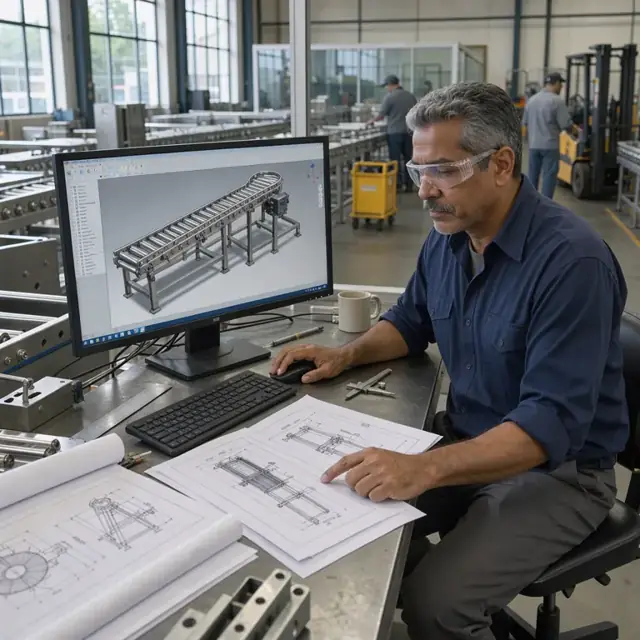
Proposal Engineer
Convert customer inquiries and specifications into accurate technical proposals and cost estimates.
Works in: Ambitious Docs, Ambitious Sheets, Ambitious Tasks · Workflows: Quote and proposal development
Automates
- Extracts requirements from incoming RFPs and emails
- Builds preliminary BOMs from standard libraries
- Calculates rough cycle times and labor hours
- Drafts proposal narrative and pricing tables
- Flags items needing external quotations
Stops for a person
- Senior engineer reviews all performance guarantees and exceptions to standard specs
- Sales lead approves final pricing and commercial terms before sending
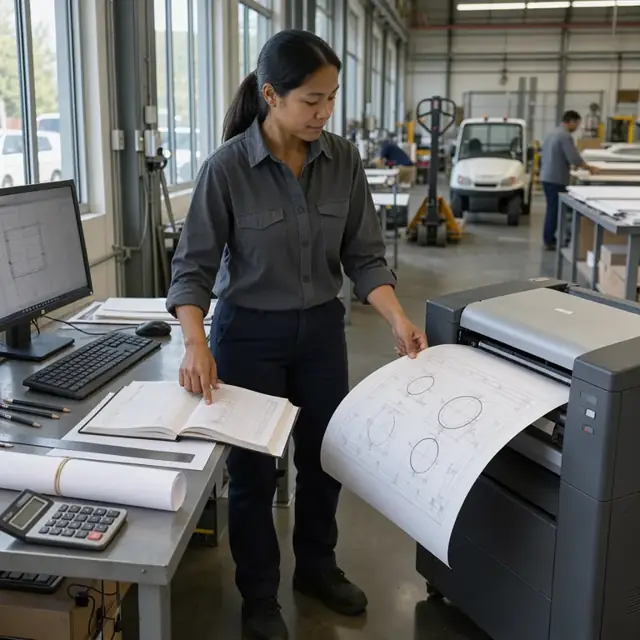
Design Release Coordinator
Manage the release of approved drawings, BOMs and engineering changes to production.
Works in: Ambitious Docs, Ambitious Tasks, Process Optimizer · Workflows: Engineering design and release
Automates
- Assembles drawing packages with revision control
- Creates and distributes controlled BOMs
- Runs basic compliance checklists for safety and material standards
- Notifies production when a machine is ready to schedule
- Tracks engineering change notices
Stops for a person
- Lead mechanical and electrical engineers approve all drawings before release
- Any deviation from customer specifications requires written customer approval
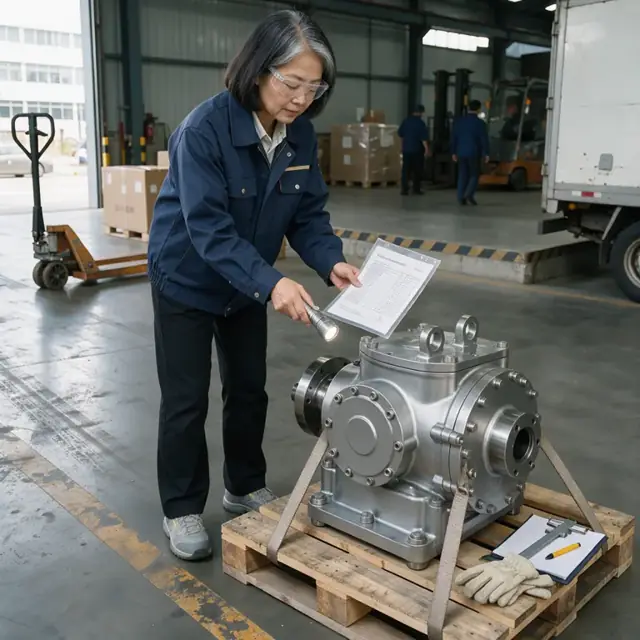
Materials Expeditor
Track and expedite procurement of long-lead components and maintain material certification records.
Works in: Ambitious Sheets, Ambitious Tasks, Ambitious Docs · Workflows: Component procurement and expediting
Automates
- Generates purchase requisitions from the released BOM
- Monitors supplier lead times and delivery dates
- Matches incoming material certifications to BOM requirements
- Updates project schedule with actual receipt status
- Flags potential shortages before they delay assembly
Stops for a person
- Purchasing manager places and approves all purchase orders
- Quality lead verifies critical material test reports
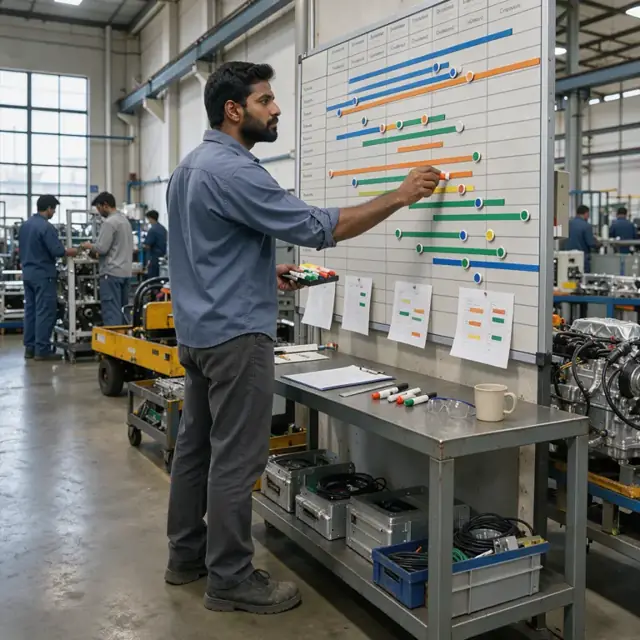
Shop Scheduler
Create and maintain the master production schedule across all assembly bays and shared resources.
Works in: Ambitious Sheets, Ambitious Tasks · Workflows: Production scheduling and capacity
Automates
- Assigns jobs to specific production bays and sequences
- Balances workload across trades and equipment
- Simulates impact of delays on overall delivery dates
- Publishes weekly look-ahead schedules
- Adjusts for engineering changes and material arrivals
Stops for a person
- Shop supervisor approves all schedule changes that affect delivery promises
- Cranes and test stands are allocated only after supervisor review

Test and FAT Coordinator
Organize factory acceptance testing, document results and compile final machine documentation.
Works in: Ambitious Docs, Ambitious Tasks, Ambitious Sheets · Workflows: Assembly, testing and FAT, Final documentation and shipment
Automates
- Generates FAT protocols from standard templates and project specs
- Logs test results and photographs
- Assembles operation manuals and as-built drawings
- Prepares shipment checklists and packing lists
- Tracks completion of all required certifications
Stops for a person
- Lead engineer and customer witness approve all FAT results
- Final release for shipment is signed by the project manager
Supplier Compliance Clerk
Maintain current supplier certifications and audit records for all food-contact and safety-critical vendors.
Works in: Ambitious Docs, Ambitious Sheets, Contract Analyzer · Workflows: Supplier certification and audit tracking
Automates
- Tracks expiration dates of certifications and insurance
- Reviews new supplier documentation against requirements
- Generates audit reminder checklists
- Maintains the approved vendor database
- Flags any suppliers approaching renewal deadlines
Stops for a person
- Engineering manager confirms that each supplier meets the technical and food-safety standards
- All audit findings and corrective actions are reviewed and closed by people
Workflows
Quote and proposal development
Starts when: A new inquiry or RFP arrives by email or portal
- Extract performance requirements, capacity, materials, utilities and footprint from the request
- Build a preliminary BOM and labor estimate using historical data
- Draft a technical proposal and pricing sheet for review
- Flag any non-standard items requiring supplier quotes
- Assemble the full quote package with terms and lead-time
Watch for: Accuracy of capacity and utility calculations directly affects machine performance guarantees; Customer approval of concept drawings is required before detailed engineering begins
Engineering design and release
Starts when: Quote is accepted and deposit received
- Convert preliminary concept into approved-for-construction drawings and 3D models
- Create detailed BOM with part numbers, revisions and material certifications
- Perform safety and compliance calculations for guards, interlocks and food-contact surfaces
- Release drawings and BOM to production via controlled workflow
- Update master schedule with engineering milestones
Watch for: All drawings must carry revision history and engineer approval stamps; Changes after release require formal ECN process
Component procurement and expediting
Starts when: BOM is released to production
- Generate purchase requisitions for all buy items with required delivery dates
- Track supplier lead times and certifications for food-grade and safety-critical parts
- Expedite late items and identify substitutes when necessary
- Receive and inspect incoming materials against specifications
- Update inventory and assembly schedule with actual receipt dates
Watch for: Motors, drives and sensors often have long lead times; Material test reports and certificates of conformance must be collected and filed
Production scheduling and capacity
Starts when: Engineering drawings released and long-lead items confirmed
- Assign machine to assembly bay and sequence welding, machining, wiring and testing
- Balance workload across welders, machinists, electricians and assemblers
- Identify shared resource conflicts such as overhead cranes or test stands
- Adjust schedule for incoming material delays or engineering changes
- Publish weekly shop schedule and milestone targets
Watch for: Welding and sanitary polishing are common bottlenecks; Test stands and water or product simulation equipment have limited availability
Assembly, testing and FAT
Starts when: All components and subassemblies are in house
- Assemble mechanical, electrical and control systems per released drawings
- Perform internal mechanical and electrical checkout
- Run factory acceptance test with customer-witnessed points
- Document test results, deviations and corrective actions
- Prepare as-built drawings and operation manuals
Watch for: Food-grade lubricants, surface finishes and cleanability must be verified; Customer presence during FAT is common and requires coordination
Final documentation and shipment
Starts when: FAT is complete and machine is accepted
- Compile full documentation package including drawings, manuals, certifications and traceability records
- Prepare crating, blocking and shipping instructions
- Coordinate freight carrier and delivery method
- Issue final invoice and release for shipment
- Archive project files for future support
Watch for: Export documentation and certificates of origin required for international shipments; Spare parts lists and recommended maintenance schedules must accompany each machine
Supplier certification and audit tracking
Starts when: New supplier added or on annual cadence
- Collect and review supplier quality, food-contact and safety certifications
- Maintain database of approved vendors and expiration dates
- Schedule and document periodic audits or surveillance visits
- Flag any upcoming lapses before they affect open orders
- Update approved-vendor list used by procurement
Watch for: Only approved suppliers may be used for food-contact or pressure-containing parts; Audit findings must be reviewed and closed by engineering or quality lead
Bot templates for this industry
- Food Product Machinery Manufacturing (6 bots)
Source: U.S. Small Business Administration, Office of Size Standards, Table of Small Business Size Standards Matched to North American Industry Classification System Codes, version March 2023 (effective 2023-03-17, NAICS 2022). Size standards are shown for reference only.