

All Other Industrial Machinery Manufacturing
Manufacturers of custom industrial machinery take client specifications for unique equipment such as automated assembly stations, specialty conveyors and process machines. Specialists turn inquiry messages into scoped proposals, proposals into bills of materials and gated project schedules, schedules into procurement lists and fabrication plans, and completed machines into test protocols, shipping plans and commissioning documentation. Engineering drawings, weld procedures, electrical standards and safety requirements stay with the lead engineer.
What makes this business different
- Custom machine specifications that include performance criteria, materials, safety interlocks, electrical requirements and integration points with customer lines
- Project-based production with long lead times, staged milestones and client approvals at design, assembly and testing gates
- Multi-level bills of materials that explode from assemblies, subassemblies and purchased components with revision control
- Fabrication, machining and assembly capacity limited by skilled labor, CNC availability, welding stations and shop floor space
- Supplier coordination for long-lead items such as motors, sensors, gearboxes, specialty steel and control systems
- In-house or third-party testing for safety interlocks, electrical certification, pressure, leak and functional performance with full traceability
- Asset tracking for tools, fixtures, welding equipment, calibration standards and test instruments
- Repeat customers who order updated versions or additional machines for expanded production lines
Specialist bots

Proposal Coordinator
Convert customer specifications into scoped technical proposals, preliminary bills of materials and cost estimates.
Works in: Ambitious Docs, Ambitious Sheets, Ambitious Tasks · Workflows: Inquiry to proposal development
Automates
- Parses incoming specification messages and attachments
- Populates requirement checklists and concept outlines
- Builds initial bill of materials from standard component libraries
- Drafts proposal documents with schedule outlines
- Creates project task folders
Stops for a person
- The lead engineer reviews all technical feasibility statements
- The owner approves pricing and commercial terms before sending
- Any exceptions to standard platforms are confirmed by engineering

Design Release Coordinator
Release approved designs, drawings and bills of materials to the shop floor with proper revision control.
Works in: Ambitious Docs, Ambitious Sheets, Ambitious Tasks · Workflows: Design review and release to production
Automates
- Explodes approved designs into structured multi-level bills of materials
- Packages fabrication drawings, weld schedules and electrical schematics
- Creates gated project schedules with milestone dates
- Assigns initial work orders and required tooling
Stops for a person
- The lead engineer verifies all safety interlocks and performance criteria are addressed
- The owner signs off on the final release package before work begins
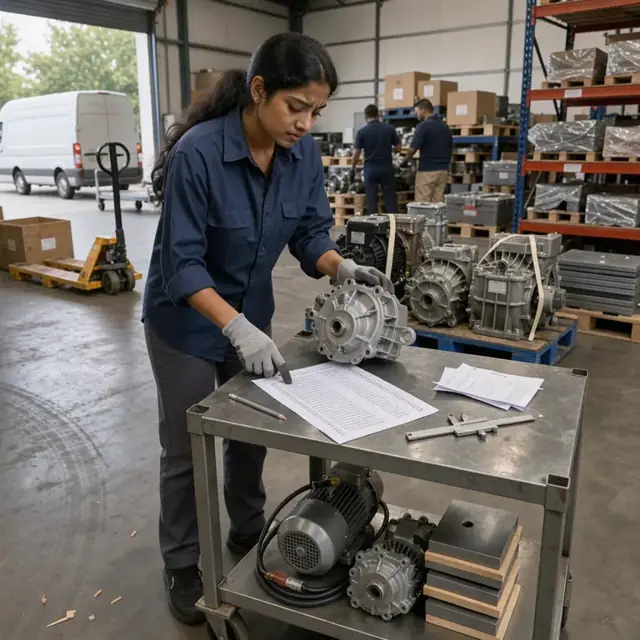
Materials and Procurement Coordinator
Convert bills of materials into purchase orders, track long-lead items and manage shop inventory.
Works in: Ambitious Sheets, Ambitious Tasks, Ambitious Docs · Workflows: Component purchasing and inventory
Automates
- Generates net requirements from bills of materials
- Subtracts on-hand and on-order stock
- Drafts purchase orders grouped by supplier with delivery dates
- Monitors long-lead items and updates the master schedule
- Logs receiving, inspection and material certification documents
Stops for a person
- The owner approves and sends all purchase orders and spends money
- Engineering reviews any proposed substitutions or deviations
- Received materials are inspected and accepted by a technician
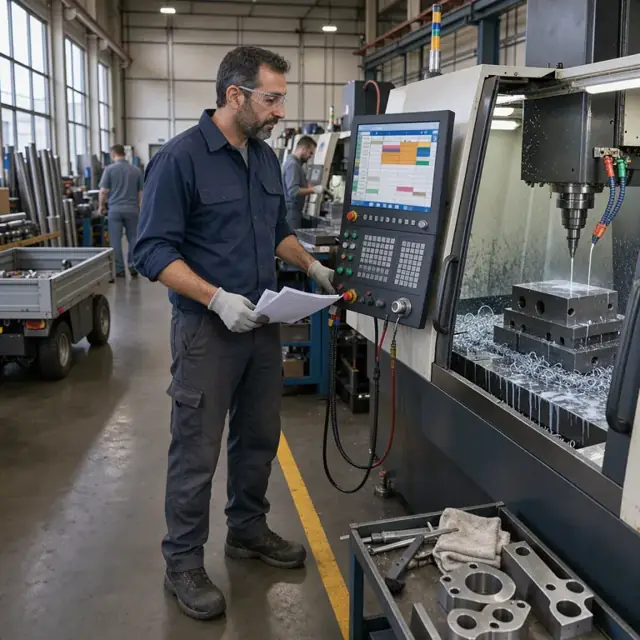
Production Scheduler
Build and maintain the shop schedule that respects capacity, labor skills and project dependencies.
Works in: Process Optimizer, Ambitious Tasks · Workflows: Fabrication and assembly scheduling
Automates
- Compares active projects to available CNC, welding and assembly bay capacity
- Sequences work orders by required skills, material arrival and lead times
- Flags conflicts and suggests alternate sequencing
- Updates progress against milestones in real time
Stops for a person
- The shop supervisor adjusts assignments based on daily attendance and equipment status
- The lead engineer approves any schedule changes that affect technical milestones

Test and Quality Coordinator
Generate test plans, record inspection and performance results, and assemble acceptance documentation.
Works in: Ambitious Docs, Ambitious Sheets, Ambitious Tasks · Workflows: Testing, inspection and factory acceptance
Automates
- Creates test checklists from approved specifications
- Structures data collection for functional, safety and performance tests
- Compiles factory acceptance test packages with full traceability
- Maintains calibration and instrument logs
Stops for a person
- Technicians perform all physical tests and enter raw data
- The lead engineer reviews and signs every test report
- The owner approves release to the customer

Shipping and Commissioning Coordinator
Plan machine shipment, prepare rigging and documentation, and schedule on-site commissioning.
Works in: Ambitious Tasks, Ambitious Docs · Workflows: Shipping, installation and commissioning
Automates
- Generates packing lists, rigging instructions and transport requirements
- Drafts installation and commissioning checklists
- Schedules delivery windows and coordinates with freight providers
- Prepares training agendas, spare parts lists and as-built manuals
Stops for a person
- The owner approves all shipping costs, insurance and expenditures
- Field technicians confirm site readiness and perform final commissioning
- The customer signs off on installation and training

Compliance and Documentation Clerk
Assemble certification packages, track qualifications and maintain revision-controlled project records.
Works in: Ambitious Docs, Ambitious Sheets, Ambitious Tasks · Workflows: Compliance, certification and project closeout paperwork
Automates
- Compiles material traceability logs, weld inspection records and test reports
- Organizes electrical schematics, risk assessments and safety documentation
- Tracks renewal dates for welder qualifications, calibration certificates and insurance
- Maintains as-built drawing sets and final data books
Stops for a person
- The lead engineer confirms which standards and requirements apply to each machine
- All final data books and handover packages are reviewed and released by the owner
- People perform all physical inspections, tests and certifications
Workflows
Inquiry to proposal development
Starts when: A prospective customer sends specifications by email, form or direct message
- Capture performance requirements, size envelope, materials, electrical needs, safety interlocks and integration details
- Check against standard machine platforms and known shop fabrication and assembly capabilities
- Draft a technical proposal with concept sketches, scope of supply, preliminary schedule and cost estimate
- Build a preliminary bill of materials outline from standard component libraries
- Create a project task folder with all captured specifications and open questions
Watch for: Technical details must be recorded exactly as provided by the customer; Early feasibility questions are escalated to the lead engineer before any commitment
Design review and release to production
Starts when: Customer approves proposal and issues purchase order
- Lock the specification set and assign the current revision level
- Explode the approved design into a complete multi-level bill of materials
- Release detailed fabrication drawings, weld schedules, electrical schematics and assembly instructions
- Assign assembly stations, required tooling, fixtures and skilled labor
- Generate a gated project schedule with milestone dates and client approval gates
Watch for: Engineering changes after release require formal revision control and customer notification; Safety interlocks, guarding and electrical standards must be verified against applicable requirements by the engineer
Component purchasing and inventory
Starts when: After design release and at each project milestone
- Explode the bill of materials into purchased parts, raw materials and subcontracted items
- Subtract existing inventory and allocated stock
- Draft purchase orders by supplier with required delivery dates and material certification requirements
- Track long-lead items and update the master project schedule
- Log receipt, inspection results and any nonconformance reports
Watch for: Motors, drives, sensors and specialty steel often carry multi-month lead times; Raw material certifications and material test reports must be collected and filed with the project
Fabrication and assembly scheduling
Starts when: Weekly and after each design release
- Compare active projects against CNC, welding, painting and assembly bay availability
- Build a sequenced shop schedule that respects task dependencies, labor skills and material arrival dates
- Flag capacity conflicts and suggest adjustments using the process optimizer
- Assign work orders to specific machines, technicians and bays
- Update real-time progress against milestones on the master schedule
Watch for: Shop floor space limits simultaneous large assemblies; Skilled welders, machinists and electricians are the primary constraints
Testing, inspection and factory acceptance
Starts when: Completion of mechanical and electrical assembly
- Generate test plan from approved specifications including functional, safety interlock, leak, pressure, electrical and cycle checks
- Record results from all tests performed by technicians
- Draft factory acceptance test documentation with traceability to serial number and test instruments
- Prepare commissioning checklist, spare parts list and maintenance manual outline
- Compile calibration records for all instruments used during testing
Watch for: All test data must be traceable to the specific serial number of the machine; Third-party bodies may be required for certain electrical or pressure certifications
Shipping, installation and commissioning
Starts when: Successful factory acceptance test and customer approval
- Draft packing list, rigging instructions, transport requirements and any required permits
- Create route and delivery window schedule for the machine
- Prepare on-site installation checklist, startup training agenda and as-built documentation
- Coordinate with freight carriers and site personnel for readiness
- Record final customer sign-off and close all project tasks
Watch for: Large machines may require specialized rigging, oversize load permits and freight coordination; Customer site readiness including power, foundations and utilities must be confirmed before dispatch
Compliance, certification and project closeout paperwork
Starts when: At design release, test completion, shipment and renewal dates
- Generate material traceability logs, weld inspection records and heat numbers
- Assemble electrical schematics, risk assessments, safety circuit documentation and test reports
- Track expiration dates for welder qualifications, calibration certificates, insurance and shop certifications
- Maintain revision-controlled as-built drawings, manuals and final data books
- Compile complete handover package for customer delivery
Watch for: Requirements vary by destination country, industry sector and machine type; The lead engineer confirms which standards and certifications apply to each project
Bot templates for this industry
Source: U.S. Small Business Administration, Office of Size Standards, Table of Small Business Size Standards Matched to North American Industry Classification System Codes, version March 2023 (effective 2023-03-17, NAICS 2022). Size standards are shown for reference only.